
Flowers
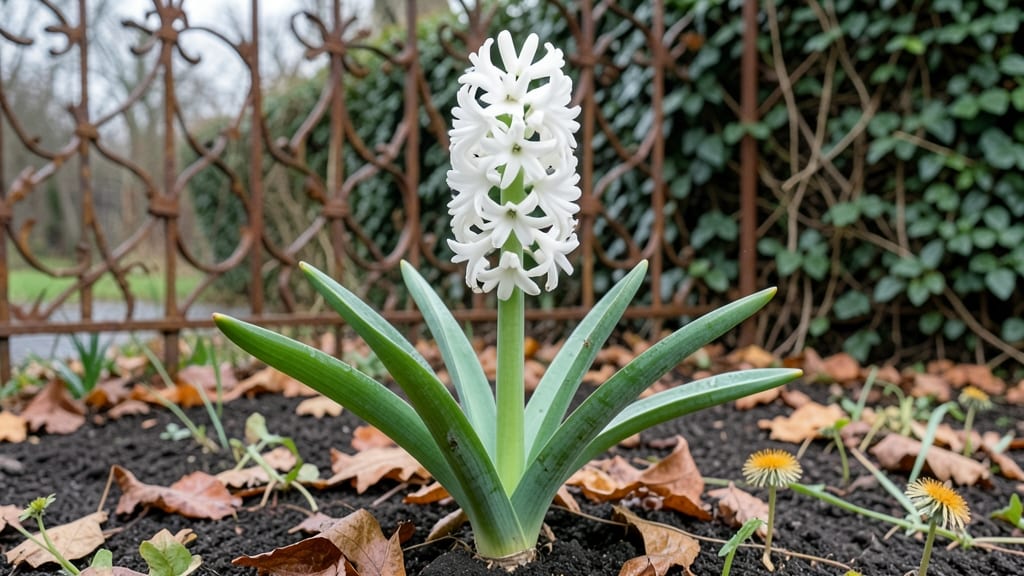
The white hyacinth flower blooms bring the first true fragrance of spring to your garden, and growing them is easier than you’d think. 🌸 I’ve planted these delicate bulbs for years, and their sweet, intoxicating scent transforms even a small yard into a fragrant paradise.
The key is timing—plant them in fall when the soil cools to 50°F, and you’ll reward yourself with blooms that appear before most spring flowers even think about waking up.
You’ll need well-draining soil, a sunny spot with at least 6 hours of light daily, and patience—these bulbs take a few weeks to push through the soil after planting. The secret to their longevity?
Avoid overwatering once they’re established; once the foliage fades after blooming, let the soil dry out slightly before watering again. With the right care, a single bulb can multiply over time, giving you more fragrant clusters each year.
Imagine clusters of pure white bells swaying in the breeze, filling the air with a scent that lingers long after the blooms fade. White hyacinths pair beautifully with purple crocuses and early daffodils, creating a soft, romantic palette that brightens up shady corners.
They’re also perfect for forcing indoors—plant a few extra bulbs in pots to bring that spring fragrance into your home weeks before the garden wakes up.
Whether you’re a beginner or a seasoned gardener, these bulbs deliver foolproof results with minimal effort. Just remember: the earlier you plant, the earlier you’ll smell that signature hyacinth perfume. Ready to turn your garden into a springtime scent story?
📚 In This Guide
- What you need
- Instructions
- Tips and common mistakes
- Wrapping up and next steps
What you need
- ● Hyacinth bulbs (white variety): Quantity: 3–5 bulbs per container (6–8" diameter) or 6–8 bulbs per square foot in garden beds.
- ● Size: Large bulbs (2–3" in diameter) for best blooms; smaller bulbs (1.5–2") for slower but reliable growth.
- ● Well-draining potting mix or garden soil: For containers: Use a lightweight, peat-based mix with perlite or sand (e.g., 50% potting soil + 50% perlite).
- ● For garden beds: Amend soil with compost (2–3 inches) and coarse sand if drainage is poor.
- ○ Containers (optional but ideal for forcing): Size: 6–8" diameter pots with drainage holes (1 bulb per 2–3" of pot width).
- ● Material: Terracotta (breathable) or plastic (retains moisture better).
- ● Drainage layer: Small gravel, pebbles, or broken pottery shards (1–2" thick) for containers.
- ● Fertilizer: Balanced bulb fertilizer (e.g., 10-10-10) or bone meal (1 tbsp per bulb at planting).
- ● Mulch (for garden beds): 2–3" of organic mulch (e.g., straw or shredded bark) to retain moisture and regulate temperature.
- ● Hand trowel – For digging planting holes in garden beds.
- ● Spray bottle – To mist bulbs during forcing (keeps them hydrated without overwatering).
- ● Grow lights or sunny windowsill – If forcing indoors (12–14 hours of light/day).
- ● Peat moss or coconut coir – For extra moisture retention in containers.
- ● Slow-release fertilizer tablets – Place 1–2 under each bulb for convenience.
- ● Support stakes or cages – If stems grow tall (though hyacinths are typically sturdy).
- ● Fragrance diffuser or vase – To enjoy the intoxicating scent indoors! 🌸
Step-by-Step instructions for planting white hyacinth bulbs
Here's how to grow fragrant white blooms that light up your garden every spring.
🪴 Step 1: Select and Prepare the Right Location
Choose a spot with full sun to partial shade—at least 6 hours of sunlight daily—where the soil drains well. White hyacinths thrive in areas that stay moist but never soggy. If your soil is heavy clay, mix in 2-3 inches of compost or sand to improve drainage before planting.
I always test drainage by digging a 6-inch hole, filling it with water, and watching how fast it drains. If water pools after an hour, amend the soil further. Avoid low spots where water collects after rain—hyacinths hate wet feet.
🌱 Step 2: Plant Bulbs at the Correct Depth and Spacing
Plant bulbs 3 times deeper than their height—typically 6 inches deep for standard white hyacinths. Use the 3-4 inches apart spacing for clusters, or 6 inches apart for single stems. I like to plant in groups of 5-7 bulbs for a dramatic display.
Dig holes with a trowel, place one bulb in each, and cover with soil. Gently press down to remove air pockets but don't compact too firmly. The soil should feel like a well-worn sponge—not bone-dry, not dripping wet.
💧 Step 3: Water and Mulch for Winter Protection
Water deeply right after planting to settle the soil around the bulbs. Keep the area consistently moist until the ground freezes—about 1 inch of water per week unless rain provides it. Once winter arrives, reduce watering to prevent rot.
Apply a 2-3 inch layer of mulch (like shredded bark or straw) after the first frost to insulate bulbs. This protects them from extreme cold and keeps soil temperatures stable. In mild climates, mulch helps retain moisture during dry spells.
☀️ Step 4: Care for Spring Growth and Blooming
When shoots appear in early spring, remove mulch and resume watering. Feed with a balanced bulb fertilizer (like 10-10-10) when foliage reaches 4-6 inches tall. I like to sprinkle fertilizer around the base and water it in immediately.
Deadhead spent blooms but leave foliage until it yellows naturally—this ensures next year's flowers. Water 1 inch per week during the growing season, but reduce as foliage fades. The bulbs are storing energy for next spring!
⏰ Step 5: Plan for Long-Term Planting Success
Hyacinths multiply over time. After blooming, mark their location so you don't accidentally dig them up when dividing. Every 3-4 years, lift and separate bulbs in late summer when foliage dies back. Replant the largest bulbs for bigger blooms next season.
Real talk: If you live in a hot climate, consider planting bulbs in fall for spring blooms—they need a cooling period to develop properly. In warmer zones, shade them during summer to prevent premature dormancy.
Tips & tricks for perfect white hyacinth blooms
These simple strategies will help you grow fragrant white hyacinths that bloom reliably year after year.
Soil Prep Secret: The drainage test in Step 1 is non-negotiable! I've seen bulbs rot when planted in soil that drains too slowly. For heavy clay, mix in equal parts compost and sand—this creates the perfect balance of moisture retention and drainage. Think of it like making a well-drained cake batter: you need structure without being too dry.
Planting Precision: When planting in Step 2, use a small stick or pencil to mark where the top of each bulb sits. This helps you remember the correct depth (3 times the bulb's height) when covering with soil. I've accidentally buried bulbs too deep before, which can prevent them from blooming. Aim for that 6-inch depth consistently.
Winter Protection Tip: The 2-3 inch mulch layer in Step 3 works wonders, but don't apply it too early. Wait until after the first frost when soil temperatures drop below freezing. In colder climates, add an extra layer of straw over the mulch during extreme cold snaps—this creates an insulating blanket that protects roots.
Fertilizer Timing: Step 4 mentions fertilizing when foliage reaches 4-6 inches, but here's the thing: timing matters more than you think. Apply fertilizer in early spring when new growth appears, not when blooms are already forming. I've found that fertilizing too late can actually reduce next year's blooms by encouraging leafy growth instead of bulb development.
Pro Tips for Hyacinth Flower White
- These simple strategies will help you grow fragrant white hyacinths that bloom reliably year after year.
- Soil Prep Secret: The drainage test in Step 1 is non-negotiable!
- Planting Precision: When planting in Step 2, use a small stick or pencil to mark where the top of each bulb sits.
Frequently asked questions
When is the best time to plant white hyacinth bulbs?
Plant your white hyacinth bulbs in fall (6–8 weeks before the first frost), ideally between September and November. This timing ensures roots establish before winter, so they burst into bloom in early spring (February–April). For warmer climates, plant in late fall or winter.
How do I keep white hyacinths from flopping over?
Hyacinths can get top-heavy! To prevent flopping, plant bulbs in clusters of 5–10 for stability, or tuck them into grassy areas or along borders where they can lean naturally. For containers, use a heavy pot or add pebbles for weight. Avoid overcrowding—space bulbs 4–6 inches apart.
Can white hyacinths survive winter outdoors?
Yes! These hardy bulbs thrive in USDA Zones 3–9. In colder regions, mulch lightly after planting to insulate roots. In warmer zones (Zone 10+), plant in late fall and protect from summer heat. They’ll reward you with years of blooms if left undisturbed.
Why aren’t my white hyacinths blooming?
No flowers? Check these fixes:
- Light: Ensure they get full sun (6+ hours/day)—partial shade may delay blooms.
- Soil: Amend heavy clay with compost for well-draining soil.
- Age: Bulbs need 2–3 years to mature. Be patient!
- Fertilizer: Feed with bulb-specific fertilizer in fall and spring.
What’s a good alternative if I can’t grow white hyacinths?
Love the look but need a substitute? Try these fragrant, early-blooming alternatives:
- Daffodils (Narcissus) – Hardy, pest-resistant, and cheerful!
- Snowdrops (Galanthus) – Bloom in late winter with delicate white flowers.
- Crocuses – Tiny but bold, perfect for rock gardens.
- Grape hyacinths (Muscari) – Smaller but equally fragrant in blue/purple.
Wrapping up and next steps
Growing white hyacinth flowers is a rewarding journey that brings early spring beauty and intoxicating fragrance to your garden. With the right soil, sunlight, and care, these fragrant bulbs will thrive and reward you with stunning blooms year after year.
Whether you're a beginner or a seasoned gardener, their low-maintenance nature makes them a perfect addition to any outdoor space.
Now that you’re armed with all the tips and tricks, why not take the next step? Plant your white hyacinth bulbs this fall and enjoy the magic of spring blooms next year! 🌸✨ Happy gardening!