
Flowers
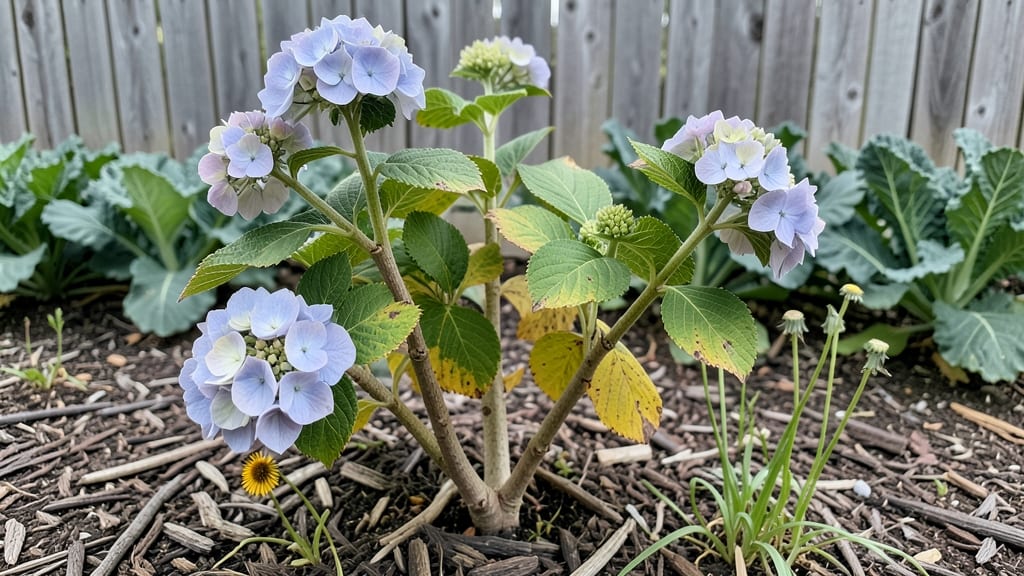
Caring for hydrangeas flowers transforms your garden into a vibrant blue-green showstopper with almost no effort—once you know the secrets. I’ve grown them for years, and the key isn’t complicated: consistent watering, the right pruning timing, and soil that stays moist but not soggy.
Most people overwater or prune at the wrong time, which is why their hydrangeas never live up to their potential.
The beauty of hydrangeas lies in their forgiving nature—even minimal pruning keeps them thriving for decades. You’ll need well-draining soil, morning sunlight (afternoon shade in hot climates), and a watering schedule that mimics spring showers.
The blooms you see now? They formed last summer, so patience pays off. Within a season, you’ll have clusters so full they’ll make your neighbors jealous.
Here’s the game-changer: prune right after flowering in late summer or early fall, and you’ll encourage next year’s blooms while keeping the plant compact. No more tangled branches or weak growth.
The flowers themselves shift color based on soil pH—add lime for blues, aluminum sulfate for pinks. It’s like having a mood ring garden.
Works for container gardens or in-ground plantings, whether you’re in a humid Southeast or a cooler Northeast. The same principles apply—just adjust watering slightly for your climate. Let’s get those blooms popping year after year.
📚 In This Guide
- What you need
- Instructions
- Tips and common mistakes
- Wrapping up and next steps
What you need
- ● Hydrangeas: Choose between mophead, lacecap, or panicle varieties (3-5 plants for a small garden, 6+ for larger spaces).
- ● Well-draining potting mix: 5-10 gallons (depending on pot size). Look for a blend with peat moss, perlite, and compost (e.g., 60% peat, 20% perlite, 20% compost).
- ● Containers: Pots with drainage holes (12-18 inches in diameter for mature plants; 5-gallon pots for young hydrangeas).
- ● Pruning shears: Sharp, bypass pruners (avoid anvil pruners to prevent crushing stems).
- ● Gloves: Heavy-duty gardening gloves (hydrangeas can have thorns!).
- ● Mulch: 2-3 inches of organic mulch (e.g., shredded bark or pine needles).
- ● Watering can or hose: With a gentle spray nozzle (hydrangeas hate soggy roots!).
- ● pH testing kit: For soil or water (hydrangeas thrive in pH 5.2-6.0 for blue blooms or 6.0-7.0 for pink).
- ● Aluminum sulfate or lime: Adjust soil pH (follow package instructions).
- ● Balanced fertilizer: 10-10-10 or hydrangea-specific fertilizer (apply 2-3 times per year).
- ● Slow-release fertilizer spikes: For convenience (place 1-2 per pot in spring).
- ● Epsom salt: Boosts magnesium (1 tbsp per gallon of water, applied monthly during blooming season).
- ● Plant supports: Stakes or cages (for heavy mophead varieties).
- ● Rain gauge: Track watering consistency (hydrangeas need 1-1.5 inches per week).
- ● Compost tea: Organic liquid fertilizer for a nutrient boost (brew at home or buy pre-made).
- ● Fungicide: Copper-based (prevents powdery mildew in humid climates).
Instructions for year-round hydrangea care with minimal pruning
Here's how to keep your hydrangeas thriving with just a few key adjustments each season.
Understand Your Hydrangea Type for Pruning Timing
First, identify your hydrangea's blooming habit—this determines when and how you prune. Bigleaf hydrangeas (Hydrangea macrophylla) produce buds on old wood, so prune immediately after flowering to avoid cutting off next year's blooms. Smooth hydrangeas (H. arborescens) and panicle varieties (H. paniculata) bloom on new wood, making them far more forgiving for late-winter pruning.
I always check my plants' flower clusters: if they form on last year's stems (old wood), I wait until summer to trim; if they sprout from current season's growth (new wood), I prune aggressively in late winter. This distinction prevents accidentally removing all your blooms.
Feed and Mulch for Vibrant Blooms
Hydrangeas thrive with consistent nutrients. In early spring, apply a balanced 10-10-10 fertilizer when new growth appears—about 1/2 pound per plant spread evenly around the base. Water deeply right after to activate the granules. I like to use a slow-release formula to avoid nutrient spikes that can burn roots.
Add 3-4 inches of organic mulch (like shredded bark or pine needles) around the plant, keeping it 6 inches away from the stem. This conserves moisture, regulates soil temperature, and slowly releases nutrients. Replenish mulch in late fall to protect roots during winter. Watch for soil that stays moist but not soggy—hydrangeas hate waterlogged roots.
Prune Strategically for Seasonal Growth
For old-wood bloomers, prune right after flowering in summer. Remove 1/3 of the oldest stems at the base to encourage new growth and improve air circulation. Cut just above a set of leaves or outward-facing bud. I always sterilize my pruners with rubbing alcohol between cuts to prevent disease spread.
For new-wood bloomers, prune in late winter or early spring before new growth starts. Remove dead, crossing, or weak stems first, then cut remaining stems back to 4-6 inches above ground level. This aggressive approach stimulates bushier growth and larger blooms. Avoid pruning in fall—it leaves plants vulnerable to winter damage.
Adjust Watering for Color and Health
Hydrangeas need 1-1.5 inches of water weekly, more during hot spells. I water deeply twice a week in summer, aiming for moist soil 6 inches deep. For blue flowers, maintain soil pH between 5.0-5.5 by adding aluminum sulfate (follow package rates). For pink blooms, keep pH neutral (6.0-6.5) with lime. Test soil pH annually—color changes often signal pH issues.
Watch for wilting leaves or brown edges, which indicate underwatering or overwatering. Hydrangeas are drought-tolerant once established but produce best with consistent moisture. Mulch helps retain water, but don't let it pile against the stem—this traps moisture and invites rot.
Winterize for Cold Protection
In late fall, cut back dead or damaged stems to 6 inches above ground level for new-wood bloomers. For old-wood varieties, leave stems intact but wrap the plant in burlap or frost cloth if temperatures drop below 15°F. I also add an extra 2-3 inches of mulch around the base to insulate roots.
Water deeply before the first hard freeze to help roots absorb moisture for winter. Avoid fertilizing in fall—it encourages tender new growth that won't survive cold. In early spring, remove winter wraps and check for signs of frost damage, like blackened stems or mushy buds. Prune out any damaged areas immediately to redirect energy to healthy growth.
Tips & tricks for perfect hydrangea care
These simple yet game-changing tips will help you avoid common pitfalls and keep your hydrangeas looking show-stopping all year long.
Pruning Precision: When you're pruning old-wood bloomers in Step 3, look for the outward-facing buds—they're your best indicator for where to make your cuts. These buds are typically on the outer third of the stem, and cutting just above them ensures you're encouraging new growth in the right direction. I've learned the hard way that cutting too close to the bud can leave your plant looking bare and leggy.
Fertilizer Timing: In Step 2, that 1/2 pound of 10-10-10 fertilizer should go on when you see those first tender green shoots in early spring, not when the soil is still cold. Cold soil can't absorb nutrients efficiently, which means your plant won't get the boost it needs. I've found that waiting until the soil reaches about 60°F gives the best results—just press your finger into the soil about an inch deep, and if it feels cool but not freezing, it's ready.
Mulch Depth Matters: The 3-4 inches of organic mulch in Step 2 isn't just about looks—it's about creating the perfect microclimate. Too little mulch won't insulate roots properly, while too much can suffocate them. I like to use pine needles because they're acidic (great for blue flowers) and break down slowly. Just make sure to pull it back 6 inches from the stem to prevent rot.
Winter Protection: For those cold snaps below 15°F in Step 5, don't just throw on any old blanket—use burlap or frost cloth. These materials breathe while still providing protection, unlike plastic which can trap moisture and cause rot. I've seen too many plants suffer from well-intentioned but poorly executed winter wraps. Also, remember to remove the wraps in early spring before new growth starts—trapped heat can actually damage emerging buds.
Pro Tips for Hydrangeas Flowers Care
- These simple yet game-changing tips will help you avoid common pitfalls and keep your hydrangeas looking show-stopping all year long.
- Pruning Precision: When you're pruning old-wood bloomers in Step 3, look for the outward-facing buds—they're your best indicator for where to make your cuts.
- Fertilizer Timing: In Step 2, that 1/2 pound of 10-10-10 fertilizer should go on when you see those first tender green shoots in early spring, not when the soil is still cold.
Frequently asked questions
Got questions about keeping your hydrangeas thriving? You’re not alone! Here are answers to the most common concerns—so you can enjoy lush blooms all year with confidence.
When is the best time to prune hydrangeas?
For bigleaf and oakleaf hydrangeas, prune in late winter or early spring (just before new growth starts). Panicle and smooth hydrangeas can be pruned in late winter or early summer to shape or encourage more blooms. Avoid pruning in fall—it removes next year’s flower buds!
How do I protect hydrangeas in winter?
Most hydrangeas are hardy, but bigleaf varieties benefit from mulch (3–4 inches) around the base and light frost cloth if temps drop below 10°F. Avoid heavy mulch on panicle hydrangeas—it can smother new growth. Evergreen varieties like oakleaf handle cold well but may need wrapping in extreme zones.
Why are my hydrangea leaves turning yellow?
Yellow leaves usually signal overwatering, poor drainage, or nutrient issues. Check soil moisture (hydrangeas like consistently moist but not soggy soil) and ensure pots have drainage holes. Yellowing with brown edges? Chlorosis (iron deficiency) might be the culprit—try adding chelated iron or adjust soil pH (blue flowers = acidic, pink = alkaline).
Can I change my hydrangea flower color?
Yes! Bigleaf hydrangeas (like mopheads) change color based on soil pH. For blue flowers, add aluminum sulfate (acidic soil). For pink, use lime (alkaline soil). Test soil pH first—aim for 5.2–5.5 for blue or 6.0+ for pink. Panicle hydrangeas stay white/cream regardless!
How do I revive a hydrangea that’s not blooming?
No blooms? Check these fixes:
- Pruning timing: Did you cut back after flowering? Some varieties (like bigleaf) bloom on old wood—prune too late, and you’ll lose next year’s flowers.
- Sunlight: Most hydrangeas need 6+ hours of sun (partial shade for hot climates).
- Fertilizer: Use a balanced, acid-loving plant fertilizer in spring. Over-fertilizing can reduce blooms.
- Age: Young plants (under 2 years) may not bloom yet—be patient!
Are there low-maintenance hydrangea alternatives?
If hydrangeas seem high-maintenance, try these easy-care bloomers:
- Butterfly Bush (Buddleia): Drought-tolerant, minimal pruning, attracts pollinators.
- Abelia: Thrives in heat, blooms all summer with almost no fuss.
- Dwarf Gardenia: Fragrant, evergreen, and happy in partial shade.
- Russian Sage: Perennial, deer-resistant, and blooms for months.
Wrapping up and next steps
Caring for hydrangeas is all about understanding their love for moisture, sunlight, and occasional pruning—not rocket science!
With the right soil, watering routine, and a little seasonal attention, you’ll enjoy stunning blooms year after year. 🌸 Whether you’re a newbie or a seasoned gardener, these tips make it easy to keep your hydrangeas thriving.
Ready to put your knowledge into action? Grab your pruners, pick a sunny spot, and start nurturing those lush clusters today! Your garden’s next masterpiece is just a few steps away. 🌿✨