
Companion Plants
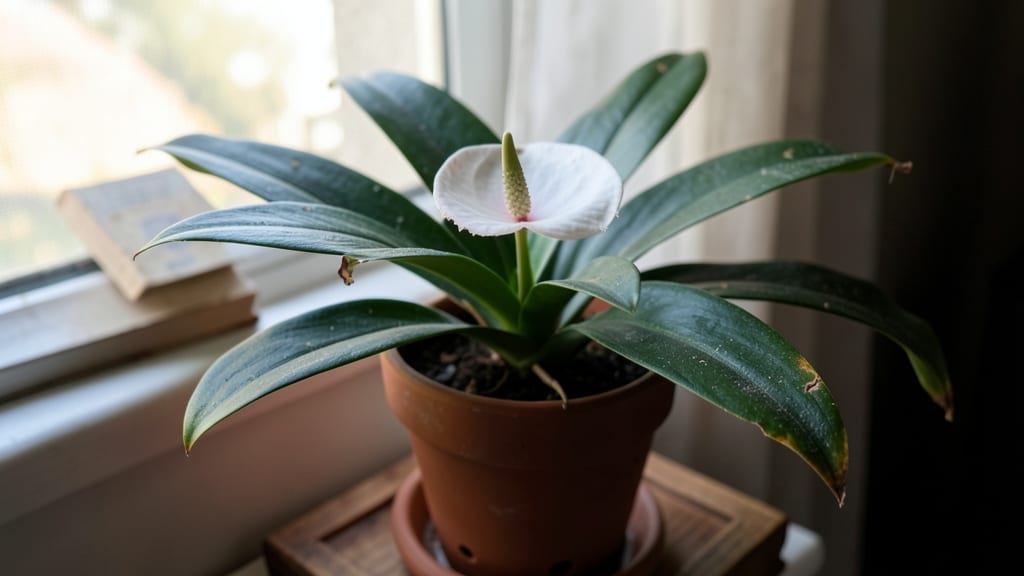
Indoor flowering plants year-round aren’t just possible—they’re easier than you think, and I’ve got the sunlight secrets to prove it. 🌸 The key isn’t expensive grow lights or complicated routines, but matching your plants to the light you already have.
My orchids bloom in my east-facing window, while my African violets thrive under a simple LED bulb in the bathroom.
Start with plants that naturally adapt to indoor conditions: peace lilies, orchids, and African violets are all foolproof choices for consistent blooms. You’ll need a mix of bright indirect light and a few simple tools—a moisture meter, balanced fertilizer, and a spray bottle for humidity.
Most people overwater, which is why their plants struggle, so we’ll fix that too.
By the end of this, you’ll have a windowsill full of blooms that last from January to December. Imagine waking up to velvety petals on your countertop or a fragrant orchid in your living room—no greenhouse required. The best part? These plants clean the air while they brighten your space.
Whether you’ve got a sunroom, a north-facing apartment, or just a bright corner, we’ll adapt the approach to your light. Let’s get those flowers blooming all year.
📚 In This Guide
- What you need
- Instructions
- Tips and common mistakes
- Wrapping up and next steps
What you need
- ● Flowering plants: Choose from year-round bloomers like blank">African violets, blank">peace lilies, blank">orchids, or blank">begonias (3–5 plants, depending on space).
- ○ Containers: Pots with drainage holes (6–12 inches in diameter, 1–2 per plant). Optional: Self-watering pots for convenience.
- ● High-quality potting mix: Lightweight, well-draining blend (1–2 bags, ~1–2 cubic feet per plant). Pro tip: Add perlite or orchid bark for aeration!
- ● Grow lights: Full-spectrum LED lights (1–2, 6000K–6500K color temp) for 12–16 hours/day in low-light areas.
- ○ Watering can: With a rose nozzle for gentle watering (1 can). Optional: Moisture meter to avoid over/under-watering.
- ● Fertilizer: Balanced liquid fertilizer (10-10-10 or 20-20-20, 1–2 bottles) or slow-release granules.
- ● Pruning shears: Sharp, clean pair for trimming dead blooms/foliage (1).
- ● Humidity tray: Or a pebble tray (1–2) for tropical plants.
- ● Light assessment: Identify bright indirect spots (east/west windows) or supplement with grow lights.
- ● Temperature control: Keep plants in 65–75°F (18–24°C) ranges; avoid drafts.
- ● Time commitment: 10–15 minutes daily for watering, pruning, and light checks.
- ● Patience: Some plants (like orchids) take 3–6 months to rebloom after care adjustments!
How to keep indoor flowering plants blooming all year
Brighten your home with nonstop color—here’s how to coax year-round blooms from your favorite houseplants.
☀️ Step 1: Master the Light Balance
Most flowering plants need 6-8 hours of bright, indirect light daily—think east or south-facing windows. If your space is dim, supplement with a full-spectrum LED grow light placed 12-18 inches above the plant. I’ve found that rotating pots quarter-turn weekly prevents uneven growth toward the light source.
Watch for these cues: Leaves stretching toward the window? That’s a sign your plant needs more light. Dull, yellowing foliage? It’s getting too much harsh sun. Adjust placement gradually—sudden changes shock plants and can drop buds.
💧 Step 2: Water with Precision
Overwatering kills more flowering plants than anything else. Stick your finger 1 inch into the soil—if it’s dry, water thoroughly until it drains from the bottom. Let excess water run out completely to prevent soggy roots. I use room-temperature water to avoid shocking the roots, and I always water at the base of the plant, never the leaves.
Here’s the trick: Water when the top inch feels dry to the touch, but adjust for humidity. In dry winter air, you might water every 5-7 days; in humid summers, stretch it to 7-10 days. Drooping leaves usually mean thirst—but if they stay wilted after watering, it’s often root rot from overwatering.
✂️ Step 3: Prune for Continuous Blooms
Deadhead spent blooms immediately—this redirects the plant’s energy into new flowers instead of seed production. Use clean, sharp scissors and cut just above a leaf node (the bump where leaves grow). For plants like African violets or orchids, I pinch back leggy stems to encourage bushier growth and more blooms.
Timing matters: Prune in early spring to shape the plant before its natural growth surge. Avoid heavy pruning in fall or winter—it stresses plants when they’re already conserving energy. Watch for new buds forming within 4-6 weeks after pruning—that’s your reward for the effort!
🌿 Step 4: Feed for Nonstop Color
Flowering plants need balanced fertilizer every 4-6 weeks during active growth (spring through fall). I switch to a low-nitrogen, high-phosphorus formula (like 5-10-5) when buds form to encourage blooming. Always dilute to half-strength—too much fertilizer burns roots and stops flowers from opening.
In winter, most plants rest, so skip fertilizer entirely unless you’re growing tropicals like peace lilies or orchids. Look for slow leaf yellowing—that’s a sign of over-fertilizing. Flush the soil every 2-3 months by watering with plain water until it runs clear from the bottom.
🪴 Step 5: Rotate and Refresh
Every 3-4 months, give your plants a gentle wipe-down with a damp cloth to remove dust from leaves—this helps them absorb light better. I also rotate pots quarter-turn weekly so all sides get even light exposure. If your plant outgrows its pot, repot in spring using a container just 1-2 inches larger in diameter.
Here’s the thing—root-bound plants bloom less. If roots circle the pot or poke out of drainage holes, it’s time to upgrade. Use fresh potting mix (never garden soil) and trim 10% of the roots before repotting to encourage outward growth. You’ll see new leaves and buds within 6-8 weeks of refreshing the roots.
Tips & tricks for perfect indoor flowering plants year round
A few simple tricks can transform your houseplants from occasional bloomers to year-round showstoppers.
Light Positioning: In Step 1, when you're placing your plants near windows, remember that east-facing windows provide gentle morning light ideal for most flowering plants. If your space only has north-facing windows, supplement with a grow light for 10-12 hours daily—this mimics natural daylight cycles and triggers consistent blooming. I've found that moving plants 6 inches closer to the window in winter helps compensate for shorter daylight hours.
Watering Technique: For Step 2, the finger test is key—but don't just check one spot. Insert your finger in 2-3 different areas of the pot to get an accurate reading of moisture levels. I've learned this the hard way after overwatering one side while the center stayed dry. Also, consider using a moisture meter for plants in decorative pots without drainage holes, where the finger test becomes unreliable.
Pruning Timing: When deadheading in Step 3, pay attention to your plant's natural rhythm. Some tropical varieties like orchids actually bloom better when you let a few flowers fade naturally—they produce more buds in response. For seasonal bloomers, I've noticed that pruning right after the first flush of spring flowers often triggers a second bloom cycle later in the summer.
Fertilizer Rotation: In Step 4, don't be afraid to experiment with fertilizer types during different growth stages. I've had great success alternating between a balanced 10-10-10 formula and a bloom-boosting 5-10-5 every other feeding. The key is to always flush the soil after 3-4 months of regular feeding—this prevents salt buildup that can inhibit root growth and reduce blooming.
Pro Tips for Indoor Flowering Plants Year Round
- A few simple tricks can transform your houseplants from occasional bloomers to year-round showstoppers.
- Light Positioning: In Step 1, when you're placing your plants near windows, remember that east-facing windows provide gentle morning light ideal for most flowering plants.
- Watering Technique: For Step 2, the finger test is key—but don't just check one spot.
Frequently asked questions
Got questions about keeping your indoor flowering plants blooming all year? You’re not alone!
Here are answers to the most common concerns—from sunlight struggles to seasonal surprises.
How can I make my indoor flowering plants bloom year-round?
Most indoor bloomers need consistent care—think bright, indirect light (6+ hours daily), proper watering (let soil dry slightly between waterings), and seasonal fertilizer (like a balanced 10-10-10 formula). Some plants, like Kalanchoe or African Violets, naturally bloom more with shorter daylight hours—try supplementing with a grow light if needed!
Why did my plant stop flowering, even with good light?
Overwatering or underwatering, nutrient deficiencies, or sudden temperature shifts can shock plants into dormancy. Check for yellow leaves (overwatering) or crispy edges (underwatering). Move your plant to a warmer spot (65–75°F) and repot with fresh, well-draining soil if it’s been in the same pot for over a year.
What are the easiest flowering plants for beginners?
Start with low-maintenance stars like Spider Plants (white flowers!), Peace Lilies (white blooms, forgiving), or Bromeliads (vibrant, long-lasting). For color, try Geraniums (bright blooms) or Orchids (epiphytic, thrives in humidity). All tolerate average home conditions!
Do indoor flowering plants need different care in winter?
Yes! Reduce watering (plants rest in cooler months) and avoid drafts near windows. Dust leaves to maximize light absorption, and rotate your plant weekly for even growth. If your space is dry (hello, heaters!), group plants together or use a humidifier to mimic their tropical origins.
Can I keep the same flowering plant indoors for years?
With proper care, plants like Snake Plants or ZZ Plants can live decades. Just repot every 2–3 years (spring is best) to refresh soil and roots. Prune dead blooms to encourage new growth, and watch for pests—neem oil spray helps keep aphids at bay!
What if my apartment has terrible natural light?
No problem! Opt for light-loving varieties like Cast Iron Plants or Parlor Palms, or invest in a full-spectrum LED grow light (12–16 hours/day). Place plants near east-facing windows for softer light, or use reflective surfaces (mirrors, white walls) to bounce light around.
Wrapping up and next steps
Bringing vibrant, year-round blooms indoors is easier than you think—just match your plants to the right light conditions and care routines! 🌿 From sun-loving orchids to shade-tolerant peace lilies, there’s a perfect match for every corner of your home.
Start small, experiment with a few varieties, and soon you’ll have a lush, ever-blooming oasis.
Ready to transform your space? Pick one plant from this guide, set up its ideal lighting, and watch the magic unfold. Happy gardening—your future blooms are waiting! 🌸