
Flowers
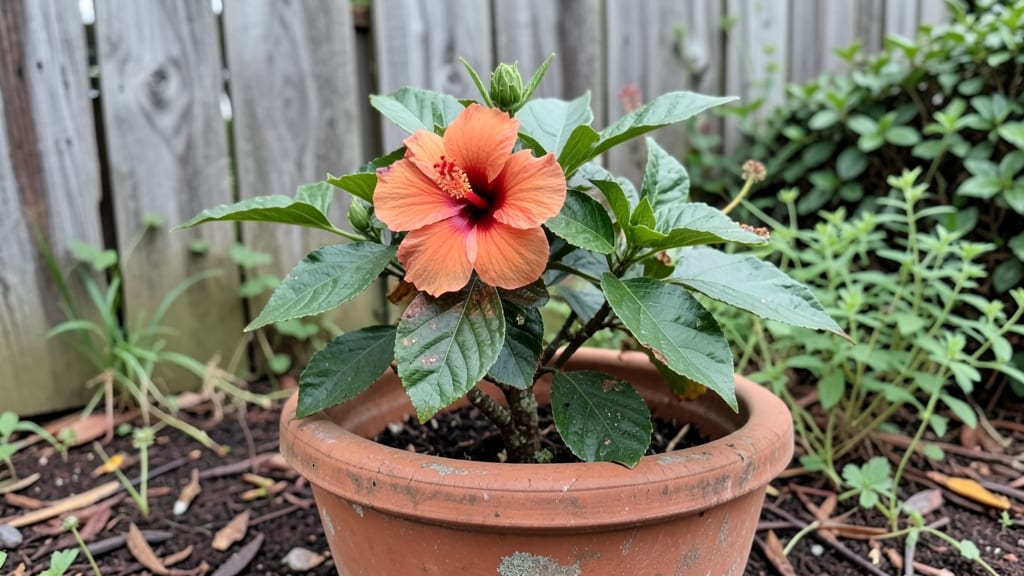
The Jamaican hibiscus flower thrives where others fail—even in cooler climates with the right tricks. 🌺 I’ve grown these bold red blooms in zone 8 for years, and the secret isn’t heat tolerance but smart care that mimics their tropical roots.
The first time I saw one bloom in my backyard, I knew I’d never buy a store-bought bouquet again.
These plants crave warmth but adapt surprisingly well with proper soil, sunlight, and winter protection. You’ll need well-draining, slightly acidic soil mixed with compost—think rich, loamy, and just damp enough to keep roots happy.
A sunny spot (6+ hours of direct light daily) is non-negotiable, but they’ll forgive a little afternoon shade in scorching summers. The real magic happens when you prune after blooms fade, encouraging bushier growth and more vibrant flowers.
By late summer, you’ll have a plant bursting with 5-inch-wide blooms that last all day, their petals velvety to the touch. The foliage stays lush and glossy year-round, making it a standout in borders or containers.
Even in cooler zones, with a little winter wrap, these hibiscus will reward you with season-long color that outshines any annual.
Whether you start from seed, cuttings, or a nursery plant, the key is patience—these beauties take time to establish but pay off with low-maintenance drama. Let’s get yours growing strong, no matter where you live.
📚 In This Guide
- What you need
- Instructions
- Tips and common mistakes
- Wrapping up and next steps
What you need
- ● Jamaican hibiscus seeds or cuttings: 3–5 seeds (or 1–2 healthy cuttings for propagation). Look for Hibiscus rosa-sinensis varieties labeled for tropical climates.
- ● Well-draining potting mix: 1–2 bags (5–10 gallons) of a blend designed for tropical plants (e.g., 60% peat moss, 20% perlite, 20% coconut coir).
- ● Pot or garden bed: For containers: 1–2 large pots (12–18 inches in diameter) with drainage holes.
- ● For outdoor planting: A sunny spot with at least 6 hours of sunlight daily (or a greenhouse in cooler zones).
- ● Fertilizer: 1 bottle of balanced liquid fertilizer (10-10-10 or 20-20-20) or slow-release granules for tropical plants.
- ● Basic gardening tools: Trowel or small shovel
- ● Pruning shears (for trimming)
- ● Watering can or hose with a gentle spray nozzle
- ○ Optional (but helpful!): Grow lights (for indoor setups in low-light areas)
- ● Humidity tray or pebble tray (to mimic tropical moisture)
- ● Mulch (e.g., pine bark) to retain soil moisture
- ● Climate considerations: If in USDA Zones 9–11, plant outdoors year-round.
- ● For cooler climates (Zones 5–8), grow in containers and bring indoors during frost (below 50°F/10°C).
Step-by-step instructions for growing Jamaican hibiscus in cooler climates
Here's how I've grown vibrant Jamaican hibiscus year after year—even in areas where frost threatens.
🪴 Step 1: Select the Right Container and Soil Mix
Jamaican hibiscus thrives in 6-8 inch deep containers with drainage holes—terracotta pots work best because they breathe. I use a mix of 60% potting soil, 30% perlite, and 10% compost to create a loose, well-draining blend. The roots need air as much as water, so avoid garden soil.
Fill the pot 2/3 full with your mix and tap gently to settle it. Press down lightly around the edges to create a firm base for the plant. The goal is a fluffy texture that holds moisture but drains quickly—hibiscus roots rot in soggy conditions.
☀️ Step 2: Plant and Position for Maximum Light
Dig a hole slightly larger than the root ball and place your hibiscus plant so the top of the root ball sits ½ inch below the soil line. This prevents stem rot from sitting moisture. Backfill with your mix, pressing gently to eliminate air pockets but not compacting the soil.
Jamaican hibiscus needs 6+ hours of direct sun daily. In cooler climates, position it in the southernmost spot possible—even a few hours of afternoon sun makes a difference. If you notice leaves yellowing between veins, it's getting too much light; if growth slows, it needs more.
💧 Step 3: Establish a Consistent Watering Routine
Water deeply every 2-3 days until water runs freely from the drainage holes. Hibiscus roots should stay moist but never soggy—stick your finger 1 inch into the soil. If it feels dry, water; if it's damp, wait. Overwatering is the #1 killer of container hibiscus.
In cooler months, reduce watering to every 4-5 days unless the pot feels light. The plant signals thirst by drooping slightly in the afternoon—just give it a drink and it perks right up. Fertilize monthly with a balanced liquid fertilizer during growing season (spring-fall).
✂️ Step 4: Prune for Bushier Growth and Blooms
Prune in early spring before new growth starts. Cut back leggy stems by ⅓ their length just above a leaf node. This encourages bushier growth and more blooms. Remove any dead or yellowing leaves immediately—they drain energy from the plant.
After each bloom fades, pinch off the spent flower head with clean pruners. This redirects the plant's energy to producing new buds instead of seeding. I also trim any stems that grow toward the light to maintain a compact, balanced shape.
🌱 Step 5: Overwinter Care for Cooler Climates
When temperatures drop below 50°F at night, move your hibiscus indoors near a south-facing window or under grow lights for 12+ hours daily. Reduce watering to every 7-10 days and stop fertilizing until spring. The plant will go semi-dormant but stays alive.
Before bringing it back outside in spring, harden it off by placing it outside for 2 hours daily, gradually increasing exposure over 10-14 days. Watch for new leaf growth—this signals it's ready to resume normal care and start blooming again.
Tips & tricks for growing Jamaican hibiscus in cool climates
Growing vibrant Jamaican hibiscus in cooler climates takes a few key tricks to mimic its tropical origins. Here's what I've learned after years of trial and error.
The Container Matters: While terracotta pots work best, any container with drainage holes will do. I've successfully grown hibiscus in plastic pots with drainage holes added—just make sure the holes are large enough to prevent clogging. The 6-8 inch depth is crucial for root development, so avoid shallow planters that restrict growth.
Light is Non-Negotiable: In cooler climates, you can't always rely on natural sunlight. If your hibiscus isn't getting 6+ hours of direct sun daily, supplement with a grow light for 4-6 hours in the afternoon when sunlight is weakest. I use a simple LED grow light on a timer—it makes all the difference during cloudy days.
Watering Wisdom: The 2-3 day watering schedule works best when temperatures are above 60°F. In cooler weather, check soil moisture more frequently—hibiscus roots can't absorb water as quickly when temperatures drop. I've learned the hard way that soggy soil kills hibiscus faster than drought, so always wait until the top 1 inch of soil is dry before watering again.
Pruning for Perfection: When pruning those leggy stems by ⅓ their length, don't be afraid to get bold! This might seem drastic, but it triggers bushier growth and more blooms. I prune in early spring when new growth starts—this gives the plant time to recover before summer's heat. Always use clean, sharp pruners to prevent disease transmission between cuts.
Pro Tips for Jamaican Hibiscus Flower
- Growing vibrant Jamaican hibiscus in cooler climates takes a few key tricks to mimic its tropical origins.
- The Container Matters: While terracotta pots work best, any container with drainage holes will do.
- Light is Non-Negotiable: In cooler climates, you can't always rely on natural sunlight.
Frequently asked questions
Got questions about growing Jamaican hibiscus in cooler climates? You’re not alone! Here are answers to the most common queries—from timing to troubleshooting—so you can nurture these stunning tropical blooms with confidence.
Can Jamaican hibiscus grow in cold climates like Zone 5 or 6?
The Hibiscus rosa-sinensis (the classic Jamaican hibiscus) thrives in USDA Zones 10–12, but with care, you can grow it in cooler zones! Try these tricks:
- Grow it as an annual in pots and bring it indoors before frost.
- Plant near a sunny south-facing wall for extra heat.
- Use mulch or frost cloth to protect roots in fall.
How long does it take for a Jamaican hibiscus to bloom after planting?
Patience is key! With ideal conditions (full sun, warm soil, and regular watering), you’ll see buds in 6–12 weeks and flowers in 3–6 months. Speed up blooms by:
- Fertilizing with a balanced bloom booster (like 10-10-10) every 4–6 weeks.
- Avoiding overwatering—soil should dry slightly between waterings.
- Pruning leggy growth in early spring to encourage bushier, flower-heavy growth.
What’s the best alternative if Jamaican hibiscus won’t survive my climate?
If the tropical vibes are too much, try these hardy hibiscus cousins that tolerate cooler temps:
- Hardy Hibiscus (Hibiscus moscheutos): Thrives in Zones 5–9, loves swamps, and blooms like crazy!
- Rose of Sharon (Hibiscus syriacus): Drought-tolerant, fragrant, and blooms in late summer—perfect for Zones 4–9.
- Tropical Hibiscus (Hibiscus pernambucensis): More cold-resistant than rosa-sinensis but still needs winter protection.
Why are my Jamaican hibiscus leaves yellowing or dropping?
Yellow leaves or leaf drop usually signal stress. Common culprits and fixes:
Issue
Likely Cause
Solution
Yellowing edges
Overwatering or chlorine in tap water
Let soil dry between waterings; use rainwater or distilled water.
Wilting + yellow leaves
Root rot (too much moisture)
Repot in well-draining soil; trim dead roots.
Dropping leaves in fall
Preparing for dormancy or cold shock
Move indoors or cover with frost cloth.
Can I grow Jamaican hibiscus from cuttings, or do I need to buy a plant?
Great news—you can propagate from cuttings! Here’s how:
- Snip a 4–6 inch healthy stem just below a leaf node.
- Remove lower leaves and dip the cut end in rooting hormone (optional but helpful).
- Plant in sandy, well-draining soil or water.
- Keep in bright, indirect light and mist daily.
- Roots form in 2–4 weeks—transplant once established!
Wrapping up and next steps
Growing Jamaican hibiscus in cooler climates isn’t just possible—it’s a rewarding adventure that brings vibrant tropical beauty to your garden! 🌺 With the right care, patience, and a few clever tricks (like overwintering indoors or using containers), you can enjoy their stunning blooms year after year.
Whether you’re a seasoned gardener or a beginner, the key is to embrace experimentation and adapt techniques to your unique space.
Ready to take the next step? Start small—grow one plant in a pot or a sunny corner of your yard—and let your passion for these dreadlocks hibiscus flowers inspire you.
Share your progress with fellow plant lovers, join gardening forums, or even experiment with hybrid varieties to see what thrives best in your climate. Happy growing! 🌱✨