
Shrubs
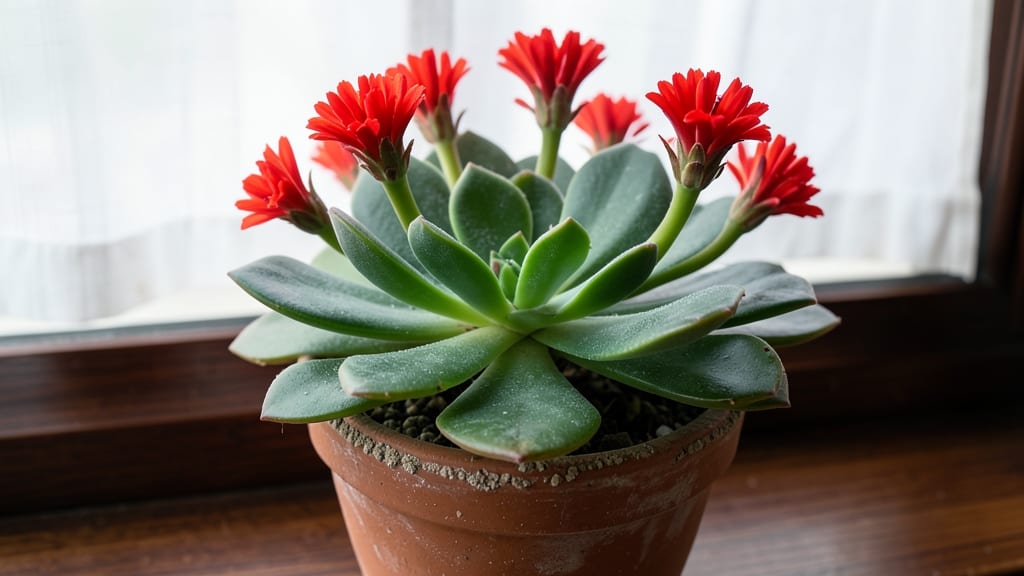
Your kalanchoe’s flowering period starts with light—specifically, 12-14 hours of darkness at the right time. 🌙 I’ve seen these plants go from budless stalks to vibrant clusters of blooms just by adjusting their light exposure, and it’s easier than you’d think.
The key isn’t complicated: it’s about tricking the plant into thinking winter’s coming, even when it’s not.
Most kalanchoes bloom naturally in late winter or early spring, but with a little light control, you can force reblooming whenever you want. The secret weapon? Light deprivation—covering the plant for 14 hours a day for 5-6 weeks mimics the short days that trigger flowering.
No fancy equipment needed: just a cardboard box or a dark closet works perfectly. This works for both indoor plants and those in bright windows.
When done right, you’ll end up with clusters of bright red, pink, or yellow blooms that last for weeks. The flowers aren’t just pretty—they’re a sign your plant is thriving, with fuller foliage and stronger stems.
Even if your kalanchoe skips a season, this method brings it back to life like magic. The best part? You can repeat the process every 6-8 months for continuous color.
Troubleshooting is simple: if buds form but drop, it’s usually too much light during the dark period. If nothing happens, double-check your timing—consistency is everything. Once you master this, your kalanchoe will bloom reliably, turning it into the easiest houseplant to keep flowering all year.
📚 In This Guide
- What you need
- Instructions
- Tips and common mistakes
- Wrapping up and next steps
What you need
- ● Kalanchoe plant: 1 mature plant (preferably a blooming variety like Kalanchoe blossfeldiana)
- ○ Optional: Seedlings or cuttings for propagation (if starting fresh!)
- ● Growing container: 1 pot with drainage holes (4–6 inches in diameter for small plants, 8+ inches for mature ones)
- ● Material: Terracotta, ceramic, or plastic (ensure breathability)
- ● Well-draining potting mix: 1 bag of cactus/succulent mix (or DIY: 50% potting soil + 50% perlite/sand)
- ● Light control tools: For indoor growers: Grow lights (LED full-spectrum, 12–15W per plant) or a dark room/closet for 14-hour darkness triggers
- ● For outdoor growers: Shade cloth (30–50% coverage) to mimic seasonal light shifts
- ● Slow-release fertilizer (balanced 10-10-10 or succulent-specific)
- ● Humidity tray or pebble tray (if your climate is dry)
- ● Thermometer/hygrometer (to monitor ideal temps: 65–75°F)
- ● Pruning shears (for deadheading spent blooms or shaping)
- ● Decorative stones or mulch (to enhance drainage and aesthetics)
How to trigger kalanchoe blooms using light tricks
Here’s how I coax vibrant blooms from my Kalanchoe—no matter the season.
🌱 Step 1: Understand the Light Trigger
Kalanchoes bloom in response to short daylight periods—typically less than 12 hours of light daily. In nature, this happens during fall/winter, but you can mimic it anytime. Start by moving your plant to a spot with bright, indirect light for 4-6 weeks before triggering. Avoid direct sun, which can scorch leaves.
Watch for new growth—this signals your plant is healthy and ready for the light trick. If leaves turn pale or stretch toward the light, it’s getting too little intensity. A south-facing window works best, but supplement with a grow light if needed.
☀️ Step 2: Simulate Short Days for 6-8 Weeks
After your plant has fresh growth, cover it completely with a black box or opaque cloth for 14 hours daily (like from 6 PM to 8 AM). This mimics winter’s short days. Use a timer to keep track—consistency is key. If you miss a night, don’t stress, but aim for at least 5 nights in a row to start the process.
During the uncovered 10-hour daylight, place the plant in bright, indirect light. You’ll see buds form in 4-6 weeks—this is your reward for patience. If buds drop off, the light trigger failed. Double-check your timing and light levels.
⏰ Step 3: Maintain Conditions After Buds Appear
Once buds form, stop the short-day treatment—let the plant enjoy normal daylight (even long days). Keep it in bright light (no direct sun) and water moderately—overwatering causes buds to drop. Let the soil dry slightly between waterings to prevent stress.
Flowers typically last 6-8 weeks. After blooming, trim spent stems to encourage new growth. Your plant will need another 4-6 weeks of normal care before you can trigger blooms again. This cycle works year-round!
💧 Step 4: Adjust Care for Year-Round Success
Between blooming cycles, keep your Kalanchoe in bright, indirect light and water sparingly—only when the top inch of soil feels dry. Overwatering is the #1 killer of these plants. Fertilize lightly (half-strength) every 2 months in spring/summer to support growth.
If your plant stops blooming, it’s likely getting too much light or water. Move it to a shadier spot and let the soil dry out more between waterings. With the right light tricks, you’ll have continuous blooms—just like a pro!
Tips & tricks for perfect kalanchoe blooming
Here's what nobody tells you about getting those stunning blooms—consistency is everything.
Light Consistency: The 12-hour light threshold is critical—use a timer for your 14-hour nighttime cover. I've ruined blooming cycles by being inconsistent with timing. Place your timer near the plant as a visual reminder, and consider using a smart plug for automated control. This mimics natural winter conditions perfectly.
Visual Cues for Readiness: Before starting the 14-hour cover treatment, look for these signs: new growth at the tips, firm stems, and leaves that bounce back when gently pressed. I learned this the hard way after trying to trigger blooms on a stressed plant that wasn't ready. Healthy leaves mean successful blooming.
Cover Material Matters: Use completely opaque materials like a black box or heavy fabric—even thin curtains let too much light through. I tried using aluminum foil once and got frustrated buds that dropped off after 3 weeks. Test your cover by shining a flashlight against it—if you see any light, it's not dark enough.
Troubleshooting Dropped Buds: If buds form but drop off, you likely had inconsistent light exposure. Double-check your cover timing and light intensity during the day. I've found that moving the plant to a north-facing window (if available) provides the most consistent indirect light. Also ensure your plant isn't getting chilled drafts during the uncovered period.
Pro Tips for Kalanchoe Flowering Period
- Here's what nobody tells you about getting those stunning blooms—consistency is everything.
- Light Consistency: The 12-hour light threshold is critical—use a timer for your 14-hour nighttime cover.
- Visual Cues for Readiness: Before starting the 14-hour cover treatment, look for these signs: new growth at the tips, firm stems, and leaves that bounce back when gently pressed.
Frequently asked questions
Got questions about keeping your kalanchoe in bloom?
Here are answers to the most common ones—so you can enjoy those vibrant flowers year-round!
How do I know if my kalanchoe is getting the right light for flowering?
Kalanchoes need 12–14 hours of darkness daily for 4–6 weeks before blooming. Place them in a bright spot (like a south-facing window) but remove them from light at night using a box or blackout curtain. If flowers don’t appear, check for interrupted darkness (even streetlights can disrupt it!).
Why isn’t my kalanchoe flowering after giving it long nights?
Beyond darkness, check these fixes:
- Age/maturity: Young plants (under 6 months) may not bloom yet.
- Temperature stress: Avoid drafts or temps below 60°F (15°C).
- Overwatering: Let soil dry completely between waterings.
- Nutrient deficiency: Use a balanced fertilizer (20-20-20) every 4–6 weeks.
Can I force kalanchoe to rebloom multiple times a year?
After flowers fade, prune spent stems and repeat the 12-hour darkness trick every 4–6 months. Pro tip: Rotate plants to ensure even light exposure, and avoid fertilizing during the dark period—it can delay blooming. With patience, you’ll get year-round color!
What’s the best watering schedule for flowering kalanchoes?
Water only when the top 1–2 inches of soil are bone-dry—these succulents hate soggy roots. During the dark treatment, water sparingly (every 2–3 weeks). Overwatering causes root rot and dropped buds. Use a pot with drainage holes and terracotta for best results.
Are there kalanchoe varieties that bloom without strict light control?
Most Kalanchoe blossfeldiana (the common flowering type) need darkness to bloom, but some varieties are more forgiving:
- Kalanchoe thyrsiflora (Paddle Plant): Blooms occasionally without strict light control.
- Kalanchoe luciae (Paddle Plant): Focuses on foliage but may produce small flowers.
- Kalanchoe fedtschenkoi: Rarely flowers but is hardy and low-maintenance.
Wrapping up and next steps
Mastering the kalanchoe flowering period is all about understanding—and harnessing—light triggers! With the right care, you can enjoy vibrant blooms year-round. 🌸 Start by mimicking natural light cycles, and don’t forget to prune and fertilize for healthy growth.
Ready to turn your kalanchoe into a flowering superstar? Grab your plant, adjust those light conditions, and watch the magic happen. Your next step? Experiment with different light schedules and share your blooming success with fellow plant lovers!