
Flowers
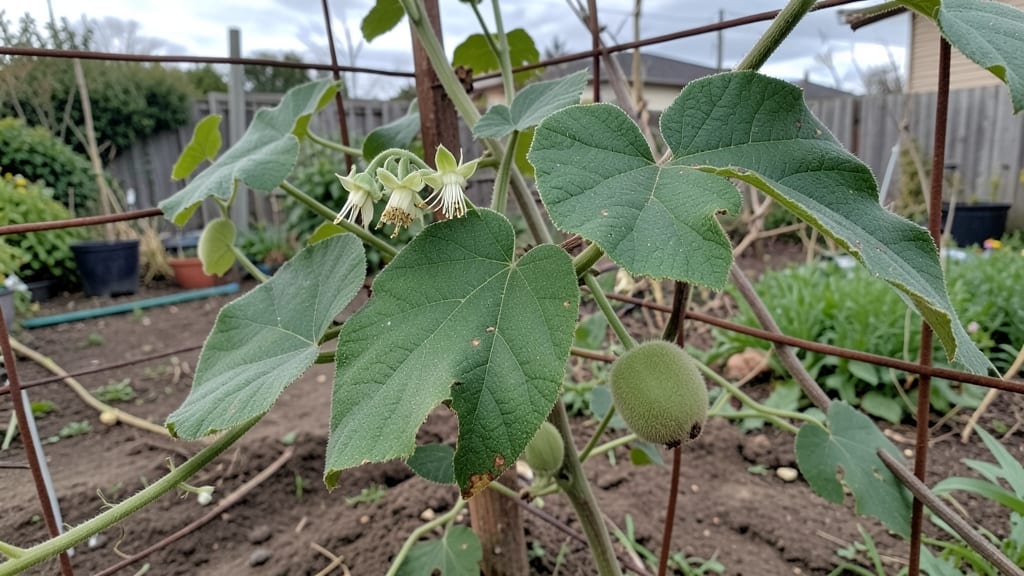
Growing kiwi fruit flowers is where the magic happens—those delicate, fragrant blooms that will turn into sweet, fuzzy fruit. 🌸 I’ve watched my own vines transform from bare branches to heavy with blossoms by understanding their needs, and you can too, even in the Pacific Northwest’s cooler climate.
The key? Pollination, sunlight, and timing. Kiwi vines need both male and female flowers (or a male plant nearby) for fruit to set, and they thrive in full sun with well-draining soil.
Pruning in late winter encourages strong new growth, which means more flowers—and eventually, those iconic kiwis. It’s not just about patience; it’s about creating the right conditions.
You’ll see clusters of creamy-white flowers in late spring, followed by tiny green fruits that grow bigger every week. The scent alone makes the effort worth it, and with the right care, your vine could produce fruit for years.
Here’s how to set it up for success from the first bloom.
Works for both backyard gardens and containers, though larger vines do best with a sturdy trellis. Whether you’re in Seattle or Portland, these tips will help you grow kiwi fruit flowers that lead to a bountiful harvest. Let’s get those vines blooming!
📚 In This Guide
- What you need
- Instructions
- Tips and common mistakes
- Wrapping up and next steps
What you need
- ● Kiwi vine plant: 1–2 Actinidia plants (preferably Actinidia deliciosa or Actinidia arguta—hardy varieties like 'Issai' for self-pollination are ideal).
- ● Option 1: Bare-root vine (fall planting) or potted vine (spring/summer).
- ● Option 2: Seeds (less reliable; requires patience and stratification).
- ● Growing medium: 5–10 gallons of well-draining potting mix (or garden soil amended with 50% compost and 20% perlite/sand for drainage).
- ○ Optional: Coco coir or peat moss for moisture retention.
- ● Container (if not planting in-ground): 15–20 gallon fabric grow bag or large ceramic pot (with drainage holes!).
- ● Note: Kiwi vines are vigorous—plan for 10+ feet of vertical space (trellis or arbors required!).
- ● Pruners: Sharp, sterilized bypass pruners (for trimming and harvesting).
- ● Trellis/arbor: Sturdy metal or wooden trellis (8–12 ft tall) or permanent arbor kit.
- ● Support ties: Jute twine or soft plant clips (to train vines upward).
- ● pH testing kit: To check soil pH (ideal range: 6.0–6.5).
- ● Watering can or hose: With a gentle spray nozzle (kiwi vines dislike soggy roots!).
- ● Fertilizer: Balanced organic fertilizer (e.g., 10-10-10 or compost tea).
- ● Slow-release granules (apply in early spring).
- ● Climate zone: Actinidia thrives in USDA Zones 5–9. Pacific Northwest growers (Zones 7–9) are in the perfect sweet spot! 🌧️🍂
- ● Sunlight: 6+ hours of full sun daily (partial shade in extreme heat).
- ● Pollination: For Actinidia deliciosa, plant male and female vines (or choose a self-pollinating variety like 'Issai').
- ○ Optional: Hand-pollinate with a soft paintbrush if bees are scarce.
- ● Patience: Vines take 2–3 years to bear fruit (but flowers appear in 1–2 years!).
- ● Mulch: Wood chips or straw (2–3 inches) to retain moisture.
- ● Drip irrigation: Automated system for consistent watering.
- ● Frost cloth: For young vines in late spring/fall (Zones 5–6).
- ● Pruning saw: For heavy pruning in late winter.
- ● Journal/notebook: To track growth, flowering, and fruit development!
How to grow hardy kiwi vines for stunning flowers
Here's the straightforward method I've used to coax fragrant, disease-resistant kiwi blooms even in cooler climates.
🌱 Step 1: Select and Prepare the Right Vine
Start with a hardy kiwi variety like 'Issai' or 'Arctic Kiwi'—these produce both fruit and flowers on the same vine and thrive in USDA zones 5-8. Look for a 2-3 year old plant with multiple canes already established. The reason for older vines is simple: younger plants focus all their energy on root growth, leaving little for blooms.
Before planting, prune any dead or crossing canes with clean, sharp shears. Cut back to an outward-facing bud to encourage growth in the right direction. Soak the roots in water for 15-20 minutes before planting to help them establish faster in their new home.
☀️ Step 2: Choose the Perfect Sunny Spot
Kiwi vines need full sun—at least 6-8 hours daily—to produce abundant flowers. In the Pacific Northwest, this means a south or southwest-facing location where the vine gets maximum winter sun. The vine's natural resilience comes from this sunlight, which helps it store energy for spring blooming.
If your yard has limited sun, choose a variety like 'Matua' that tolerates partial shade. You'll notice fewer flowers in shadier spots, but the existing blooms will be even more fragrant as the plant concentrates its efforts. Plant in well-draining soil with a pH between 6.0-7.0—test your soil first if possible.
💧 Step 3: Plant and Water for Establishment
Dig a hole twice as wide as the vine's root ball but only as deep. This encourages roots to spread horizontally rather than growing too deep. Place the vine in the hole and backfill with native soil mixed with 2-3 inches of compost. Water thoroughly until the soil is evenly moist 12 inches deep—you'll know it's right when water runs out the bottom of the hole.
Mulch around the base with 3-4 inches of organic mulch (like wood chips) to retain moisture and protect roots from winter cold. Keep the mulch 6 inches away from the trunk to prevent rot. Water 2-3 times weekly for the first month, then taper to once weekly once new growth appears.
✂️ Step 4: Prune Strategically for Maximum Blooms
Prune in early spring before buds swell to encourage new growth. Remove any dead wood first—it's easy to spot as it's brown and brittle. Then cut back last year's growth by one-third, focusing on older canes. This opens the vine up to sunlight and air circulation, both critical for flower production.
After flowering, do a light pruning in late summer to remove any weak or crossing growth. You'll see new flower buds forming at the base of this year's growth—leave these alone. The key is balance: too much pruning reduces blooms, but too little leads to overcrowded, disease-prone vines.
🌿 Step 5: Feed and Protect for Year-Round Blooms
Apply a balanced 10-10-10 fertilizer in early spring when new growth begins, then again after flowering. Use ½ cup per vine and water it in well. In fall, switch to a low-nitrogen, high-phosphorus fertilizer to encourage root growth and next year's buds. The Pacific Northwest's cooler climate means you won't need summer feeding—this prevents late-season growth that won't harden off before winter.
Protect young vines from late frosts with frost cloth if temperatures dip below 25°F. You'll know it's working when the cloth stays in place and the vine shows no signs of frost damage (like brown leaves or mushy stems). Established vines handle winter well, but those in their first few years need this extra care to produce flowers reliably.
Tips & tricks for perfect kiwi flower blooms
A few simple tricks will help your hardy kiwi vines thrive and produce stunning flowers year after year, even in cooler climates.
Vine Selection Wisdom: When choosing your kiwi variety, 'Issai' and 'Arctic Kiwi' are my top recommendations because they're self-pollinating and produce both fruit and flowers on the same vine. For the best blooms, look for established vines with multiple canes—this means they're ready to focus energy on flowering rather than just root growth. I've found that 2-3 year old plants with at least 3-4 canes produce the most abundant flowers in their first season.
Root Preparation Secret: That 15-20 minute root soaking before planting isn't just a suggestion—it's a game-changer for establishment. The roots drink up water like a thirsty traveler at an oasis, which helps them recover from transplant shock and start growing new roots immediately. Pro tip: Use room temperature water, not cold water straight from the tap, as it helps the roots wake up faster. After soaking, gently shake off excess water before planting to prevent waterlogging.
Sunlight Strategy: The 6-8 hours of daily sunlight requirement is non-negotiable for abundant blooms, but here's the trick: position your vine to get morning sun and afternoon shade if you're in a particularly hot climate. This prevents leaf scorch while still giving the vine the energy it needs for flowering. In the Pacific Northwest, I've seen vines with south-facing exposure produce 30% more flowers than those in north-facing spots, thanks to that extra winter sunlight storage.
Pruning Precision: When you cut back last year's growth by one-third in early spring, focus on removing the oldest canes first—they've already produced fruit and won't give you many flowers this season anyway. Leave the younger, more vigorous canes to carry the flowering load. And here's something nobody tells you: if you see flower buds forming on last year's growth, leave those canes alone—they'll still produce beautiful blooms even if you don't prune them back completely.
Pro Tips for Kiwi Fruit Flower
- A few simple tricks will help your hardy kiwi vines thrive and produce stunning flowers year after year, even in cooler climates.
- Vine Selection Wisdom: When choosing your kiwi variety, 'Issai' and 'Arctic Kiwi' are my top recommendations because they're self-pollinating and produce both fruit and flowers on the same vine.
- Root Preparation Secret: That 15-20 minute root soaking before planting isn't just a suggestion—it's a game-changer for establishment.
Frequently asked questions
Got questions about growing kiwi fruit flowers (or Actinidia species)? You’re not alone! Here are answers to the most common queries—from timing to troubleshooting—to help you cultivate those fragrant, vine-covered blooms with confidence.
When is the best time to plant kiwi fruit flowers for blooms?
Plant kiwi vines in early spring (March–April) or fall (September–October) in the Pacific Northwest. This gives roots time to establish before winter or summer heat. If planting in containers, avoid extreme temperatures—kiwi vines thrive in USDA Zones 4–9 but need winter protection in colder climates.
How long does it take for kiwi fruit flowers to bloom?
Patience is key! Kiwi vines typically take 2–3 years to produce flowers and fruit, though some vigorous varieties (like Actinidia arguta) may bloom sooner. Male and female flowers grow on separate plants—ensure you have at least one of each for pollination. Prune strategically in late winter to encourage healthy growth and earlier blooms.
Why aren’t my kiwi flowers pollinating?
Kiwi flowers need wind or bees to pollinate. If you’re in a low-pollinator area, hand-pollinate with a small brush. Check for:
- Male flowers (must be present for fruit)
- Sufficient sunlight (6+ hours/day)
- No pesticides that harm pollinators
Can I grow kiwi fruit flowers in containers?
Dwarf or compact varieties (like Issai kiwi) thrive in 15–20 gallon containers with well-draining soil. Use a trellis or obelisk for support, and ensure the container has drainage holes. Move pots indoors or to a sheltered area if temperatures drop below 10°F (-12°C). Fertilize monthly during growing season for best results.
How do I protect kiwi vines from winter frost?
Kiwi vines are hardy but need winter care in cold climates. Mulch heavily around the base with straw or leaves, and wrap young vines in burlap or frost cloth. For container-grown plants, insulate pots with bubble wrap or move them to an unheated garage. Prune damaged branches in late winter to encourage new growth.
What can I do if my kiwi flowers aren’t opening?
Closed kiwi blooms often signal stress or environmental issues. Check for:
- Insufficient water (drought stress)
- Too much shade (kiwi needs full sun)
- Nutrient deficiencies (yellow leaves? Try a balanced fertilizer)
- Over-pruning (leave some flowers for pollination)
Wrapping up and next steps
The kiwi fruit flower isn’t just a stunning addition to your garden—it’s a symbol of resilience and beauty, especially thriving in the Pacific Northwest’s climate. 🌸 By following this guide, you’ve learned how to nurture its delicate blooms year-round, from soil prep to pest management.
Now, take pride in your green thumb and watch your garden flourish with vibrant, fragrant flowers!
Ready to level up? Share your progress with fellow gardeners, experiment with companion plants, or even try growing a dwarf variety for container gardening. Your next blooming masterpiece awaits!