
Flowers
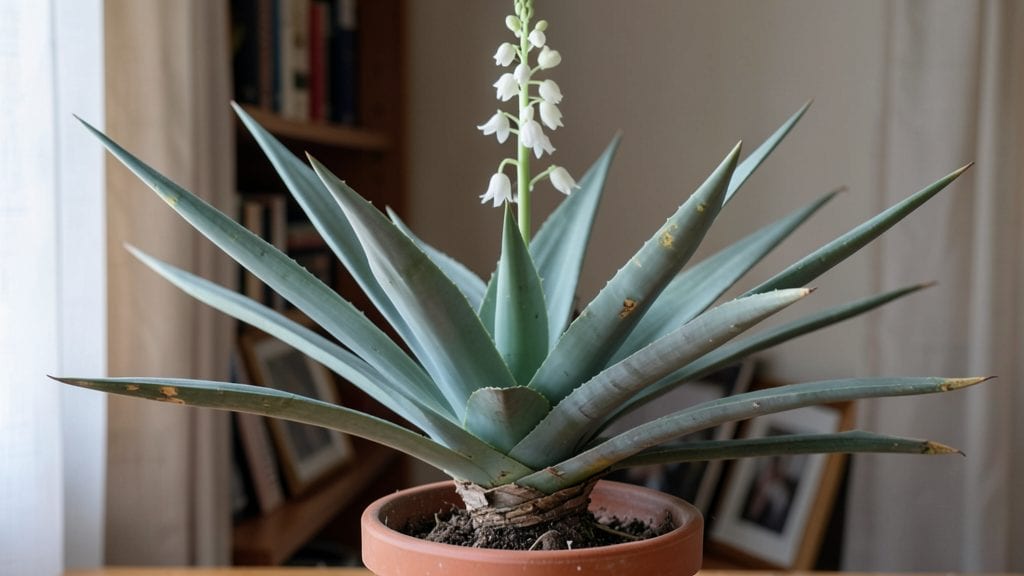
Yucca with white flowers thrives where most plants freeze—perfect for the Pacific Northwest’s chilly springs and frosty winters. 🌿 I’ve grown these tough beauties in my Seattle garden for years, and they’ve never skipped a bloom, even after a 20-degree night.
Their sword-like foliage and dramatic flower stalks make them the star of my drought-tolerant beds.
The secret to their success is simple: full sun, well-draining soil, and almost no fuss. I use a mix of native sand and compost to keep roots happy, and water only when the soil feels bone-dry.
Once established, they’re practically self-sufficient—ideal for busy gardeners who want low-maintenance drama. Varieties like Yucca filamentosa and Yucca recurrens handle our region’s damp winters better than most succulents.
By late spring, you’ll see those iconic white flower spikes rising above the foliage, drawing hummingbirds and adding height to your garden. The plants grow slowly but steadily, reaching 3-5 feet tall over time, and their architectural shape works in borders, containers, or even as a focal point.
Pruning is minimal—just trim dead leaves or spent flower stalks in early spring.
Here’s the best part: they’re pest-proof and rarely need fertilizer. If you’ve struggled with finicky plants before, yucca will change your mind about what’s possible in cooler climates. Let’s get yours planted—your garden’s about to get a whole lot tougher (and prettier).
📚 In This Guide
- What you need
- Instructions
- Tips and common mistakes
- Wrapping up and next steps
What you need
- ● Yucca plant: 1–2 mature plants (3–5 feet tall) with established roots. Choose nursery-grown specimens labeled for your hardiness zone (Zones 5–10).
- ● Well-draining soil: 5–10 cubic yards of a mix like: 60% native soil or garden loam
- ● 30% coarse sand (e.g., builder’s sand)
- ● 10% perlite or pumice
- ● Organic mulch: 2–3 inches of pine bark fines or gravel (avoid wood chips—they retain too much moisture).
- ● Slow-release fertilizer: 10–20 lbs of 10-10-10 or 5-10-10 granular fertilizer (apply once in early spring).
- ● Garden tools: 1 shovel (for digging)
- ● 1 trowel (for planting roots)
- ● 1 pruning shears (sterilized with rubbing alcohol)
- ● 1 wheelbarrow (for soil transport)
- ● Safety gear: Gloves (heavy-duty for handling sharp leaves) and knee pads.
- ○ Watering supplies: Drip irrigation hose or soaker hose (optional but recommended for drought-prone areas).
- ● Sunlight access: A full-sun spot (6+ hours daily) with no overhead shade.
- ● Epsom salt (1 tbsp per plant annually for magnesium boost).
- ● Composted manure (1–2 lbs mixed into soil for extra nutrients).
- ● Stakes or cages (if your yucca leans in windy PNW conditions).
- ● Frost cloth (lightweight, for young plants in Zone 5 during unexpected freezes).
How to plant and care for frost-resilient yucca with white flowers
This hardy, architectural plant thrives in Pacific Northwest climates—here’s how to grow it successfully.
🪴 Step 1: Select the Right Location and Prepare the Soil
Yucca with white flowers loves full sun—at least 6-8 hours daily—and well-draining soil. In the Pacific Northwest, where winters can be damp, choose a spot with shelter from heavy rain and elevated ground to prevent root rot. I always test soil drainage by digging a hole, filling it with water, and checking if it drains within 1 hour. If not, amend with sand or gravel to improve aeration.
This plant tolerates USDA Zones 4-10, making it perfect for PNW gardens. Avoid low-lying areas where cold air pools—yucca can handle light frost but despises soggy roots. A south-facing slope or raised bed is ideal. I like to plant mine near drought-tolerant companions like lavender or sedum to create a cohesive, low-maintenance border.
🌱 Step 2: Plant at the Correct Depth and Spacing
Dig a hole twice as wide as the root ball but only as deep—yucca roots should sit level with the soil surface to prevent rot. Gently remove the plant from its container and loosen any circling roots with your fingers. Place it in the hole, backfill with native soil mixed with compost, and water deeply to settle everything.
Space plants 3-5 feet apart—they grow slowly but eventually form clumps 3-6 feet wide. I always plant in early spring after the last frost, giving roots time to establish before summer heat arrives. If planting in containers, use a fast-draining mix with perlite or pumice to mimic rocky native soils.
☀️ Step 3: Water Deeply but Infrequently
Yucca is drought-tolerant once established, but young plants need consistent moisture for the first year. Water deeply once a week during dry spells, ensuring the soil dries out completely between waterings. Overwatering is the #1 killer—you’ll know it’s time to water when the top 2-3 inches of soil feel dry to the touch.
In the Pacific Northwest’s mild, wet winters, I often skip watering entirely unless we have an extended dry spell. Mulch with 2-3 inches of gravel or bark (not organic mulch—it retains too much moisture) to protect roots and keep soil temperatures stable. You’ll see strong, upright growth when care is right.
✂️ Step 4: Prune and Fertilize Sparingly
Yucca rarely needs pruning, but you can remove dead or damaged leaves in early spring to encourage new growth. Never cut more than 1/3 of the plant at once—this can stress it. I also trim spent flower stalks after blooming to redirect energy into foliage. Wear gloves: the sharp leaves can draw blood!
Fertilize lightly in spring with a balanced, slow-release fertilizer (10-10-10). Too much nitrogen produces weak, floppy growth. I skip fertilizer in drought years—yucca grows best when slightly stressed. Watch for yellowing leaves, which signal overwatering or poor drainage.
⏰ Step 5: Protect from Winter Moisture and Wind
While yucca handles light frost, prolonged wet winters can cause rot. In heavy-rain zones, I mound extra soil or gravel around the base to improve drainage. A lightweight burlap wrap (removed in spring) protects young plants from winter winds, which can desiccate leaves.
Mature plants rarely need winter care, but if snow piles against the stems, brush it off gently to prevent breakage. In Zone 4, I group yucca with other drought-loving perennials to create a microclimate. You’ll know your plant is happy when it reblooms reliably each spring—proof it’s thriving in PNW conditions.
Tips & tricks for perfect yucca with white flowers
Here's what nobody tells you about growing this stunning, frost-resistant plant in PNW conditions.
Sunlight Secret: While 6-8 hours of sun is ideal, yucca can actually handle even more sunlight in the Pacific Northwest. I've seen them thrive with 10+ hours of sun exposure, especially in summer months, as long as they're established. The key is gradual acclimation—move potted yucca to full sun over a week or two to avoid leaf scorch.
Drainage Test: That 1-hour drainage test in Step 1 is non-negotiable. I learned this the hard way after losing two plants to soggy roots. For heavy clay soils, mix in 25-30% coarse sand or perlite by volume—this creates the perfect air pockets for root health. You'll notice the difference in just a few weeks with stronger, upright growth.
Winter Protection Strategy: For Zone 4 growers, consider using a lightweight frost blanket (not plastic) instead of burlap during extended cold snaps. It provides better insulation while still allowing airflow. I also recommend planting in slightly elevated beds—just 4-6 inches higher than surrounding soil can make all the difference in preventing winter rot.
Pruning Timing: Early spring is perfect for pruning, but don't wait until you see dead leaves—act in February or March before new growth begins. I always remove any leaves showing brown tips or yellowing, as these are early signs of stress. The plant will reward you with fresh, vibrant foliage by late spring.
Pro Tips for Yucca With White Flowers
- Here's what nobody tells you about growing this stunning, frost-resistant plant in PNW conditions.
- Sunlight Secret: While 6-8 hours of sun is ideal, yucca can actually handle even more sunlight in the Pacific Northwest.
- Drainage Test: That 1-hour drainage test in Step 1 is non-negotiable.
Frequently asked questions
Got questions about growing yucca with white flowers?
You’re not alone! Here are answers to the most common queries—from planting tips to care hacks—so you can keep your frost-resistant stunner thriving in the Pacific Northwest.
Can yucca with white flowers survive PNW winters?
Yucca plants are highly frost-resistant and can handle temperatures down to 10°F (-12°C). In the PNW, they thrive in zones 4–10. Just mulch the base in late fall for extra protection if your winters are harsh.
How long does it take for yucca to bloom white flowers?
Patience pays off! Mature yucca plants (3–5 years old) typically bloom in spring or summer, producing striking white flower spikes. Younger plants may take longer—give them time and proper care (full sun, well-draining soil).
What if my yucca isn’t blooming?
No flowers? Check these fixes:
- Age: Yuccas need 3+ years to mature.
- Sunlight: Ensure 6+ hours of direct sun daily.
- Soil: Amend heavy clay with gritty soil or sand.
- Fertilizer: Use a low-nitrogen feed in early spring.
Can I grow yucca indoors or in containers?
Yes! Yucca adapts well to containers, making it perfect for patios or sunrooms. Use a fast-draining mix (like cactus soil) and a pot with drainage holes. Place near a south-facing window for sunlight. Just avoid overwatering—let the soil dry completely between waterings.
What pests should I watch for with yucca plants?
Yucca is tough, but watch for:
- Scale insects: Wipe off with soapy water.
- Mealybugs: Spray with neem oil.
- Spider mites: Increase humidity or hose off leaves.
Prevent issues by keeping plants healthy and inspecting leaves regularly.
Wrapping up and next steps
Yucca with white flowers is a fantastic choice for Pacific Northwest gardeners—its striking beauty, frost resilience, and low-maintenance nature make it a standout addition. Whether you’re drawn to its elegant blooms or its ability to thrive in cooler climates, this plant offers both visual appeal and practical benefits. 🌸
Ready to transform your garden? Start by selecting the right variety and preparing your soil—then watch your outdoor space bloom with this stunning, hardy plant! For extra inspiration, explore nearby nurseries or online plant communities to connect with fellow gardening enthusiasts.