
Flowers
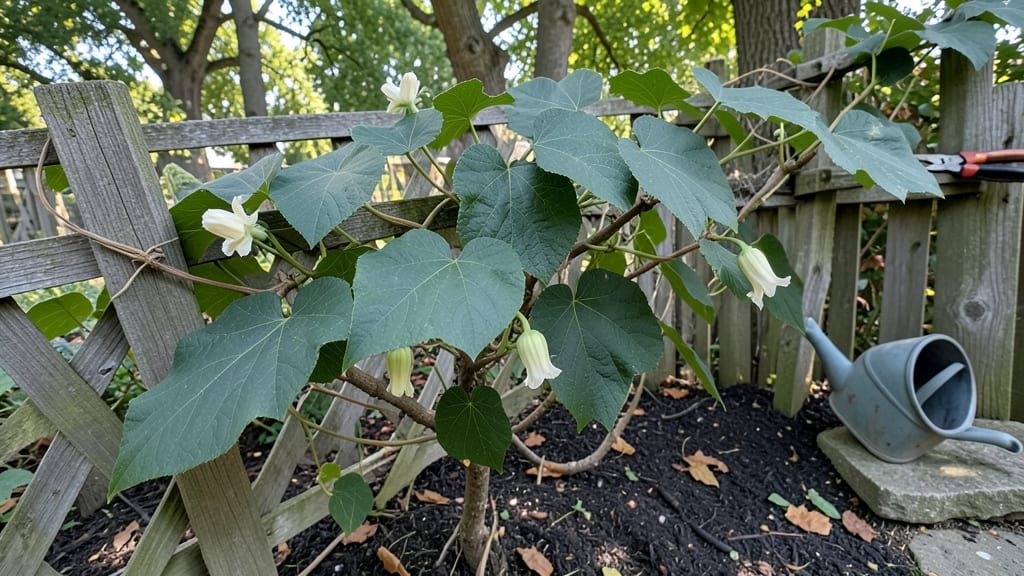
The kiwi male flower is the unsung hero of your vine’s fruit production—without it, those fuzzy green treasures never appear. 🌱 I’ve watched my own backyard vines transform from barren stems to heavy-fruited powerhouses once I understood how male flowers work.
They’re not just pretty; they’re the biological matchmakers that turn female flowers into kiwis.
Male flowers are small, star-shaped, and packed with pollen, while female flowers look like tiny cups with a single pistil. The key to success? Planting at least one male vine for every six female vines—nature’s rule, not mine.
These pollinators thrive in cool climates but need consistent care: well-draining soil, full sun, and a sturdy trellis to climb.
Once you spot those delicate male blooms in early spring, you’ll know your vine is ready to do its job. A single male plant can pollinate dozens of female flowers within a 30-foot radius, leading to fruit set that’s shockingly lush.
The payoff? A harvest of sweet, tangy kiwis that taste nothing like the store-bought kind.
Even in cooler zones, male kiwi vines reward patience—just give them a few seasons to establish. The secret? Prune aggressively in late winter to encourage new growth where those critical flowers will form. Now let’s get those vines working together!
📚 In This Guide
- What you need
- Instructions
- Tips and common mistakes
- Wrapping up and next steps
What you need
- ● Kiwi male vine plants: 1–2 hardy male cultivars (e.g., 'Issai' or 'Tomuri' for self-pollinating options, or traditional males like 'Tomur' for cross-pollination). Check local nurseries for cold-hardy varieties (Zones 4–9).
- ● Well-draining soil: Mix of 60% topsoil, 30% compost, and 10% perlite or sand (pH 5.5–6.5). Kiwi vines hate soggy roots!
- ● Support structure: Trellis or fence: 10–15 ft tall (metal or wood) for climbing vines.
- ● Strong twine or garden ties: 50 ft (for securing vines as they grow).
- ● Organic fertilizer: Balanced 10-10-10 or composted manure (apply at planting + spring).
- ● Pruning shears: Bypass pruners (sharp, sterilized).
- ● Mulch: 2–3 inches of straw or wood chips (to retain moisture and regulate temperature).
- ● Watering can or hose with nozzle: Drip irrigation is ideal for consistent moisture.
- ● Female kiwi vine: 1 plant (for cross-pollination if not using 'Issai').
- ● Garden gloves: Heavy-duty (kiwi vines have thorns!).
- ● Frost cloth: For young plants in early spring (Zones 4–5).
- ● Pest control: Neem oil or insecticidal soap (for aphids/mites).
- ● Soil tester kit: To monitor pH/nutrients annually.
How to grow kiwi vines with male flowers for pollination
Here’s how to encourage strong male kiwi flowers for successful pollination in cooler climates.
🌱 Step 1: Select and Plant Your Kiwi Vines
Start with a mix of male and female kiwi vines—you’ll need at least one male vine for every four female vines to ensure proper pollination. Plant them in well-draining soil with a pH between 5.5 and 7.0, and choose a location with full sun (6-8 hours daily). Kiwi vines thrive in cooler climates (USDA zones 6-9), so avoid planting in areas where temperatures drop below -15°F.
Dig a hole twice as wide as the root ball but no deeper. Mix in a handful of compost or organic matter to improve drainage and fertility. Place the vine in the hole, ensuring the graft union (the bump near the base of the stem) is 2-3 inches above soil level. This prevents rot and encourages strong growth. Water deeply after planting to settle the soil around the roots.
☀️ Step 2: Provide Support and Prune for Airflow
Kiwi vines are vigorous climbers, so install a sturdy trellis or arbor at planting time. Use a 6-8 foot tall structure to give vines room to spread and produce flowers. Train the main stem along the trellis and prune side shoots to encourage upward growth in the first year. This prevents overcrowding and improves airflow, which is critical for healthy male flower development.
In early spring, prune any dead or weak growth. Cut back last year’s canes by one-third to stimulate new growth. Male flowers appear on older wood, so avoid over-pruning mature vines. You’ll see male flowers as small, yellow-green clusters in late spring—these are your pollinators’ magnets.
💧 Step 3: Water and Fertilize for Flower Production
Kiwi vines need consistent moisture, especially during flowering and fruiting. Water deeply once a week (or more in hot, dry weather) until the soil is 6-8 inches deep and moist but not soggy. Mulch around the base with 2-3 inches of organic mulch to retain moisture and regulate soil temperature. Avoid wetting the leaves when watering to prevent fungal diseases like powdery mildew.
Fertilize in early spring with a balanced, 10-10-10 fertilizer to encourage flowering. Apply ½ pound per 100 square feet and water it in. Repeat in mid-summer to support fruit development. Male flowers thrive on consistent nutrition, so avoid skipping fertilizations—weak vines produce fewer flowers.
🐝 Step 4: Encourage Pollinators and Protect Flowers
Male kiwi flowers release pollen that female flowers need to produce fruit. To boost pollination, plant native pollinator-friendly flowers like lavender or borage near your kiwi vines. Avoid pesticides, especially during flowering, as they can harm bees and other pollinators. If your area has few natural pollinators, gently shake the male flowers in the morning to release pollen onto nearby female flowers.
Watch for pests like aphids or spider mites, which can stress vines and reduce flower production. Spray affected areas with a soapy water solution (1 tablespoon mild dish soap per gallon of water) if needed. Healthy vines with strong male flowers will produce abundant pollen, setting the stage for a bountiful harvest.
⏰ Step 5: Monitor and Adjust for Cool Climates
Kiwi vines in cooler climates may need extra care to produce male flowers. If temperatures drop below 50°F at night, cover young vines with frost cloth to protect emerging flowers. In areas with short growing seasons, choose early-blooming varieties like ‘Issai’ or ‘Matua’ for reliable male flower production.
By late summer, you’ll see male flowers fading as they release pollen. Prune spent flowers lightly to redirect energy to new growth. Keep an eye on female flowers—if they’re not setting fruit, it may be time to add another male vine or hand-pollinate. With patience and care, your kiwi vines will thrive and produce the pollination powerhouse your garden needs.
Tips & tricks for growing kiwi vines with strong male flowers
These practical tips will help you maximize male flower production and ensure successful pollination in your kiwi vines.
Location is Everything: In Step 1, when choosing your planting location, prioritize areas with morning sun and afternoon shade—this helps prevent heat stress on delicate male flowers. I've found that south-facing slopes work beautifully in cooler climates, giving vines the warmth they need for flowering while protecting them from harsh afternoon sun. The 6-8 hours of daily sun mentioned is ideal, but quality matters more than quantity when it comes to flower production.
Pruning for Pollination Power: During Step 2's early spring pruning, focus on maintaining an open canopy by removing only the dead and weakest growth. I learned this the hard way after over-pruning and losing half my male flowers! Leave the older wood intact—those are the branches that produce the most abundant male flowers. Aim to keep your vines at about 60% of their maximum potential volume to ensure good airflow and sunlight penetration to all parts of the vine.
Fertilizer Timing Matters: When applying your 10-10-10 fertilizer in Step 3, split the mid-summer application into two smaller doses—one in early July and another in mid-August. This gradual feeding prevents sudden growth spurts that can divert energy away from flower production. I also recommend mixing in a handful of bone meal with each application to boost phosphorus, which is crucial for flower development. Remember that male flowers thrive on consistent nutrition, so never skip these feedings.
Cool Climate Protection: For Step 5's nighttime temperature concerns, I've had great success using black plastic mulch around the base of my vines during late spring. This creates a microclimate that's several degrees warmer than the surrounding air, helping protect emerging flowers when nighttime temperatures dip below 50°F. In areas with particularly cold nights, consider installing a small hoop house over your vines during the flowering period for extra protection.
Pro Tips for Kiwi Male Flower
- These practical tips will help you maximize male flower production and ensure successful pollination in your kiwi vines.
- Location is Everything: In Step 1, when choosing your planting location, prioritize areas with morning sun and afternoon shade—this helps prevent heat stress on delicate male flowers.
- Pruning for Pollination Power: During Step 2's early spring pruning, focus on maintaining an open canopy by removing only the dead and weakest growth.
Frequently asked questions
Got questions about nurturing kiwi male flowers for optimal pollination? You’re not alone! Here are answers to the most common queries—from timing to troubleshooting—so you can grow like a pro.
When should I expect male kiwi flowers to bloom?
Male kiwi flowers typically bloom in late spring to early summer (May–June in most U.S. zones 5–9). They appear as catkin-like clusters (no petals!) and release pollen for 2–3 weeks. Cold snaps can delay blooming, so protect young plants with frost cloth if needed.
Do male kiwi plants need a female plant nearby?
Yes! Male kiwi flowers only produce pollen—they won’t bear fruit. For fruit production, plant one male per 6–8 female vines (e.g., 'Issai' kiwi is self-fertile but still benefits from extra pollen). Pro tip: Space males 10–15 feet from females to avoid pollen drift issues.
How long does it take for a male kiwi to mature and flower?
Male kiwi vines usually take 3–5 years to mature and flower, depending on climate and care. Patience pays off! Use a trellis system early to encourage upward growth, and fertilize with high-nitrogen soil (like 10-10-10) in spring.
What if my male kiwi flowers don’t open?
Closed male flowers often signal stress from heat, drought, or poor nutrition. Check these fixes:
- Water deeply 1–2x/week (kiwis hate dry soil!).
- Apply phosphorus-rich fertilizer (like bone meal) to boost blooms.
- Ensure full sun (6+ hours/day)—shady spots delay flowering.
- Prune overcrowded branches in late winter for airflow.
Can I grow male kiwi flowers in containers?
Yes, but expect slower growth than in-ground plants. Use a 15+ gallon container with well-draining soil and a trellis. Dwarf varieties like 'Matua' adapt better. Key tip: Move containers to a sunny spot in summer and sheltered spot in winter to mimic outdoor conditions.
Wrapping up and next steps
Growing kiwi male flowers is a rewarding way to boost your vine’s fruit production—especially in cooler climates where pollination can be tricky! 🌱 By understanding their role, providing the right care, and troubleshooting common issues, you’re well on your way to a thriving kiwi patch. Now’s the time to act: Grab your pruners, check your pollination setup, and watch your vines flourish with confidence!
Next steps:
- 📅 Plant or prune your male kiwi now for optimal spring growth.
- 🐝 Monitor pollinators or hand-pollinate if bees are scarce.
- 📖 Bookmark this guide for future reference!