Landscaping
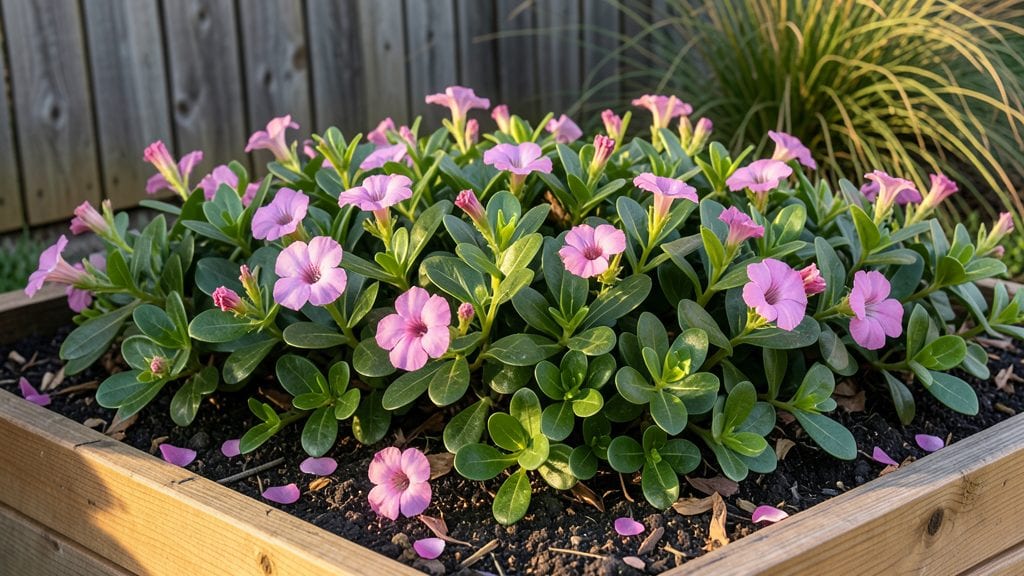
A well-designed landscape vinca flower bed instantly brightens shady corners and hot, dry spots into lush, low-maintenance carpets of color—no matter how little time you have to tend. 🌿 I’ve used vinca to turn my sunbaked front yard into a vibrant, weed-free haven. it.
The key is choosing the right varieties (like Vinca minor for shade or Catharanthus for heat) and pairing them with plants that love similar conditions.
Start with well-draining soil—vinca hates soggy roots—and space plants 12–18 inches apart for full coverage. Add mulch to lock in moisture, and you’ll spend less time watering and more time admiring the results. For extra impact, mix in spring bulbs or fall mums to create seasonal interest without extra work.
By summer, your bed will be a dense, velvety green mat with bursts of purple, pink, or white blooms. The best part? Vinca thrives where other plants fail—drought, heat, and even light foot traffic won’t phase it. Once established, it’s nearly indestructible, making it perfect for high-traffic areas or slopes.
Whether you’re covering a small border or a large slope, vinca adapts effortlessly. For inspiration, sketch your space first—vinca works as a solo star or a supporting player in mixed beds. Ready to create a garden that practically takes care of itself?
📚 In This Guide
- What you need
- Instructions
- Tips and common mistakes
- Wrapping up and next steps
What you need
- ● Vinca (Catharanthus) plants: 10–20 mature vinca plants (spaced 12–18 inches apart) OR
- ● Seeds (sow 10–15 seeds per square foot, thin to strongest sprouts)
- ● Soil: 2–3 cubic yards of well-draining garden soil (amend with compost for fertility)
- ○ Optional: Perlite or coarse sand (1–2 parts per 5 parts soil) for extra drainage
- ● Mulch: 2–3 bags of organic mulch (e.g., pine bark or shredded leaves, 2–3 inches deep)
- ● Tools: Garden trowel or spade
- ● Garden fork (for amending soil)
- ● Hose with spray nozzle or watering can
- ● Pruners (for trimming after planting)
- ● Measuring tape or string + stakes (to mark layout)
- ● Fertilizer: Slow-release balanced fertilizer (10-10-10 or 20-20-20, 1–2 lbs per 100 sq ft)
- ● Edging: Metal, plastic, or stone edging to define the bed
- ● Companion plants: Pair with succulents, sedum, or ornamental grasses for texture
- ● Drip irrigation system: For low-maintenance watering (especially in hot climates)
How to create a stunning vinca flower bed
Here's my go-to method for planting vinca that stays lush, spreads beautifully, and handles summer heat like a champ.
🪴 Step 1: Choose the Perfect Location and Prepare the Soil
Vinca thrives in full sun to partial shade, so pick a spot that gets at least 4-6 hours of sunlight daily. I always test the soil first—vinca prefers well-draining soil with a pH between 6.0 and 7.5. If your soil is heavy clay, mix in 2-3 inches of compost and a handful of coarse sand to improve drainage.
Clear the area of weeds and grass, then loosen the soil to a depth of 6-8 inches with a garden fork. Vinca roots love to spread, so space plants 12-18 inches apart to give them room to grow. If you’re planting in a slope or hillside, create shallow trenches to help water run off and prevent erosion.
🌱 Step 2: Plant Vinca Properly for Maximum Spread
Dig holes slightly larger than the root ball of each vinca plant—just deep enough so the top of the root ball sits even with the soil surface. Gently remove plants from their containers and tease apart any tangled roots. This encourages them to establish faster and spread more aggressively.
Place each plant in its hole, then backfill with soil, pressing lightly around the base to remove air pockets. Water deeply right after planting to help the roots settle. I like to add a slow-release fertilizer at this stage to give the vinca a nutrient boost without overfeeding. Mulch with 2-3 inches of shredded bark or pine straw to retain moisture and suppress weeds.
☀️ Step 3: Water and Maintain for a Low-Maintenance Beauty
Vinca is drought-tolerant once established, but young plants need consistent moisture for the first 4-6 weeks. Water deeply 2-3 times per week until the soil is 2-3 inches deep and damp—not soggy. After that, water only when the top 1-2 inches of soil feel dry to the touch. Overwatering is the #1 killer of vinca, so let the soil dry out between waterings.
Fertilize lightly in early spring with a balanced, slow-release fertilizer (like 10-10-10) to encourage new growth. Vinca rarely needs pruning, but if it gets too leggy, trim back one-third of the plant in late winter or early spring. This keeps it compact and bushy while promoting more flowers.
✂️ Step 4: Encourage Spread and Prevent Common Issues
Vinca spreads naturally, but you can speed up the process by dividing mature plants every 2-3 years. Dig up a section of the plant, separate the roots, and replant the divisions in new areas. This keeps your vinca bed full and vibrant without gaps.
Watch for aphids or spider mites, which occasionally attack vinca. If you spot them, spray the plants with a soapy water solution (1 tablespoon mild dish soap per gallon of water) or use an organic insecticidal soap. Vinca is generally pest-resistant, so don’t overreact to a few chewed leaves—it’s tough stuff!
Tips & tricks for perfect vinca landscaping
Creating a stunning vinca flower bed is easier than you think—these simple tricks will help you avoid common pitfalls and get professional-looking results every time.
Sunlight Strategy: While vinca thrives in 4-6 hours of sunlight as mentioned, pay attention to your specific climate. In hotter regions, morning sun with afternoon shade works best to prevent leaf scorch. If your area gets intense afternoon sun, consider planting vinca near trees or structures that provide natural shade during peak heat hours.
Soil Prep Secret: The 6-8 inch soil loosening in Step 1 is crucial, but don't stop there. After loosening, create small mounds (about 2 inches high) in the planting holes. This helps prevent water pooling around the roots, which vinca absolutely hates. The mounds will settle naturally as you backfill with soil.
Planting Pro Tip: When teasing apart those tangled roots in Step 2, be gentle but thorough. I like to use my fingers to carefully separate the roots, but if they're really matted, a small hand fork works wonders. This step might seem tedious, but it dramatically improves how quickly your vinca establishes and spreads. Think of it as giving your plants a running start!
Watering Wisdom: That 2-3 inch deep watering in Step 3 is perfect, but here's a trick: water in the early morning rather than evening. This gives the soil time to dry out during the day, reducing the risk of fungal issues. Also, consider using a soaker hose for the first few weeks—it delivers water directly to the roots without wetting the leaves, which helps prevent disease.
Pro Tips for Landscape Vinca Flower Bed
- Creating a stunning vinca flower bed is easier than you think—these simple tricks will help you avoid common pitfalls and get professional-looking results every time.
- Sunlight Strategy: While vinca thrives in 4-6 hours of sunlight as mentioned, pay attention to your specific climate.
- Soil Prep Secret: The 6-8 inch soil loosening in Step 1 is crucial, but don't stop there.
Frequently asked questions
Got questions about creating a stunning vinca flower bed?
Here are answers to the most common ones—so you can design with confidence!
How do I keep vinca from spreading too aggressively?
Vinca (periwinkle) spreads via underground runners, so prune back runners in early spring to control its growth. For a tidy look, plant in containers or use edging barriers. Shearing the foliage occasionally also keeps it dense and manageable.
When is the best time to plant vinca for a full, lush bed?
Plant vinca in early spring or early fall for the best root establishment. Avoid extreme heat—late spring/summer planting may stress young plants. Water deeply after planting and mulch to retain moisture until established.
Can vinca survive in full sun with no shade?
Yes! Vinca thrives in full sun (6+ hours/day) and is drought-tolerant once established. Young plants may need afternoon shade in scorching climates. Well-draining soil prevents root rot—ideal for heat-loving landscapes.
What pests or diseases should I watch for in a vinca bed?
Vinca is low-maintenance but may attract aphids, spider mites, or snails. Neem oil or insecticidal soap tackles pests. Fungal issues (like leaf spot) occur in humid climates—improve airflow and avoid overhead watering.
Are there vinca alternatives for more color variety?
If you want colorful alternatives to vinca’s purple/white blooms, try:
- Creeping thyme (lavender/pink flowers, drought-resistant)
- Dichondra (silver foliage, shade-tolerant)
- Ajuga (bugleweed) (purple/blue foliage, spreads fast)
- Liriope (grass-like, handles foot traffic)
Wrapping up and next steps
Creating a stunning landscape vinca flower bed is easier than you think—especially with this hardy, drought-tolerant ground cover! Whether you're a seasoned gardener or just starting out, vinca’s vibrant blooms and low-maintenance nature make it a fantastic choice for adding color and texture to your outdoor space. 🌿✨
Now that you’re armed with the right materials and answers to common questions, it’s time to roll up your sleeves and get planting! Start small, experiment with colors, and watch your vinca bed transform into a lush, evergreen masterpiece. Happy gardening—your future blooms will thank you!