
Flowers
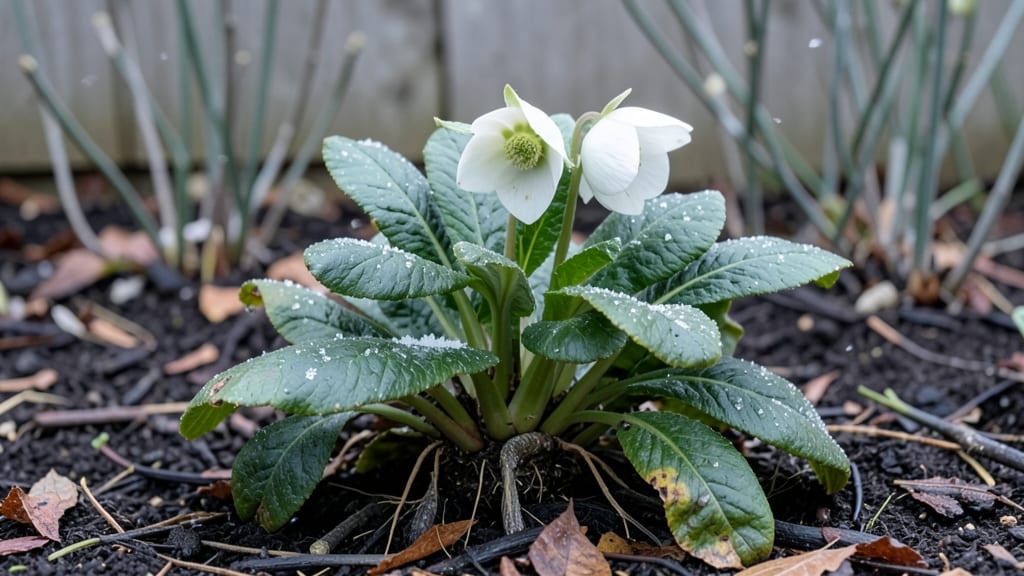
This lazy Susan flower image of mine has been my secret weapon for years—spring bulbs, summer annuals, and fall mums all spin into view on a 360-degree display that never needs rearranging. 🌸 The magic isn’t just in the rotation; it’s in how flowers compete for attention as you turn, creating a living gallery that evolves with the seasons.
The best part? You don’t need a green thumb—just a shallow planter, a sturdy base, and plants that thrive in similar light. My setup holds petunias, snapdragons, and ornamental grasses in one season, then swaps to pansies and hellebores when temperatures drop.
The key is grouping plants by height and bloom time so every turn reveals something fresh, whether it’s the velvety purple of salvias or the bright pops of calibrachoa.
By summer’s end, your lazy Susan will be a sun-dappled jewel that draws neighbors to pause and admire. The maintenance is minimal: a quick watering from above, occasional deadheading, and an annual refresh of soil.
No weeding, no bending—just effortless beauty that keeps giving. Here’s how to make yours just as irresistible.
Works for balconies, decks, or garden borders, and adapts to any style—romantic cottage, modern minimalist, or wildflower meadow. The only limit is your imagination (and your local nursery’s seasonal selections). Let’s get spinning!
📚 In This Guide
- What you need
- Instructions
- Tips and common mistakes
- Wrapping up and next steps
What you need
- ● Lazy Susan base: 1 x Large, sturdy Lazy Susan tray (18–24 inches in diameter; ensure it’s weather-resistant, like plastic or treated wood).
- ○ Optional: A metal or heavy-duty plastic tray for durability (especially if placing outdoors).
- ● Garden soil: 1–2 bags of high-quality potting mix (1–2 cubic feet, depending on tray size). Look for a blend with peat moss, perlite, and compost for drainage.
- ● Flowering plants: Mix of 3–5 varieties of compact, trailing, or bushy flowers (e.g., petunias, geraniums, ferns, or succulents). Choose plants with similar sunlight needs.
- ● Pro tip: Pick flowers with varying heights and textures (e.g., tall snapdragons + low creeping thyme) for a dynamic "image" effect!
- ● Drainage: 1 layer of small pebbles or gravel (½ inch thick) at the bottom of the tray.
- ● Basic tools: 1 x Garden trowel (for planting).
- ● 1 x Spray bottle or watering can (with a fine nozzle for gentle watering).
- ● 1 x Pruning shears (to trim overgrown plants).
- ● Decorative elements: Miniature garden figurines, mosaic tiles, or painted stones to add personality.
- ● Fairy lights or solar-powered LED strips for an evening glow.
- ● Seasonal swaps: Pre-planned flower varieties for each season (e.g., spring bulbs, summer annuals, fall mums, winter pansies).
- ● Portability: 1 x Small hand truck or dolly (if moving the tray frequently).
How to create a rotating flower display with a Lazy Susan for seasonal color
Transform your patio or balcony into a vibrant, low-maintenance garden feature that keeps blooms fresh and accessible.
🪴 Step 1: Select the Right Lazy Susan Base
Choose a sturdy, weather-resistant Lazy Susan with a wide, shallow tray (at least 18 inches in diameter) to accommodate multiple plants. I opt for ceramic or plastic models—they resist cracking from temperature shifts and won’t warp under moisture. Ensure the base has a small lip to prevent soil from spilling when rotating.
Place the Lazy Susan on a level surface—uneven bases cause plants to tilt, stressing their stems. A small rubber mat underneath prevents scratches to your deck or patio. For outdoor use, select one with a drip tray to catch excess water and protect surfaces below.
☀️ Step 2: Layer Soil and Drainage for Optimal Plant Health
Line the tray with a thin layer of landscape fabric to prevent soil from washing out while allowing roots to breathe. Add 2-3 inches of coarse gravel or perlite at the bottom for drainage—this is critical, as waterlogged roots will kill your plants within days. I use small river rocks because they look clean and blend with garden decor.
Fill the remaining space with a lightweight potting mix (avoid garden soil—it compacts and suffocates roots). Mix in a slow-release fertilizer to feed plants for 6-8 weeks without extra effort. Press the soil down gently but firmly—it should hold shape when touched but not feel rock-hard.
🌱 Step 3: Arrange Plants for Seasonal Color Rotation
Select 4-6 plants with varying heights and bloom times for continuous color. I recommend starting with one tall thriller (like salvia or ornamental grass), two fillers (such as petunias or geraniums), and one spiller (like trailing lobelia or sweet potato vine). Group them by water needs—mixing drought-tolerant succulents with thirsty impatiens leads to uneven care.
Dig small holes just deep enough to accommodate the root balls, then place each plant 2-3 inches apart (closer for trailing varieties). Water lightly after planting to settle the soil around roots. Arrange plants so they’ll face outward when the Lazy Susan is rotated—this ensures even light exposure and prevents leggy growth toward the center.
💧 Step 4: Water and Maintain for Long-Lasting Blooms
Water deeply 2-3 times per week, checking that the soil feels damp but not soggy 1 inch below the surface. A self-watering tray underneath makes this effortless—just top it off weekly. I avoid overhead watering to prevent fungal diseases; instead, I use a long-spout watering can to direct moisture at the base.
Rotate the Lazy Susan every 3-4 days to keep plants growing outward evenly. This also lets you swap out spent blooms with fresh cuttings or new seasonal flowers. Fertilize monthly with a balanced liquid feed (10-10-10) during the growing season to encourage vibrant blooms.
✂️ Step 5: Prune and Refresh for Year-Round Appeal
Deadhead faded blooms weekly to encourage new flowers and prevent seed formation. For trailing plants, trim leggy stems to maintain shape and density. I use clean, sharp scissors to make cuts just above a leaf node—this promotes bushier growth. Replace wilted or diseased plants immediately with new ones to keep the display thriving.
In fall, reduce watering and switch to cold-hardy plants like pansies or kale. Store the Lazy Susan in a sheltered spot (like a garage or covered porch) if temperatures drop below 32°F. Come spring, refresh the soil with compost and replant with early bloomers like primroses or snapdragons for instant color.
Tips & tricks for perfect rotating flower displays
Here's what I've learned after creating these displays for years—small details make all the difference in keeping your rotating garden vibrant and thriving.
Lazy Susan Selection: Look for models with a smooth, low-friction bearing—cheap versions can be stiff, making rotation difficult. I prefer ceramic models because they distribute weight evenly, preventing wobbling when fully planted. For outdoor use, check the weight capacity—some lightweight models can't handle the soil and plants for long.
Drainage Upgrade: The 2-3 inches of gravel in Step 2 is non-negotiable, but I take it further by adding a perforated plastic tray inside the Lazy Susan (optional). This catches excess water while still allowing drainage. It's especially helpful if you're using a ceramic model where water might pool at the bottom.
Plant Placement Hack: When arranging your 4-6 plants in Step 3, place the tallest plant slightly off-center toward the back (when viewed from the front). This creates a natural focal point that draws the eye as you rotate. Also, position trailing plants on the outside edge—they'll cascade beautifully when the display turns.
Seasonal Swap Strategy: In Step 5, I keep a small notebook to track which plants thrive in each season. For example, coleus works beautifully in summer but won't survive winter, while heuchera handles cold snaps but wilts in summer heat. This helps me plan ahead for seamless transitions without buying new plants every season.
Pro Tips for Lazy Susan Flower Image
- Here's what I've learned after creating these displays for years—small details make all the difference in keeping your rotating garden vibrant and thriving.
- Lazy Susan Selection: Look for models with a smooth, low-friction bearing—cheap versions can be stiff, making rotation difficult.
- Drainage Upgrade: The 2-3 inches of gravel in Step 2 is non-negotiable, but I take it further by adding a perforated plastic tray inside the Lazy Susan (optional).
Frequently asked questions
Got questions about lazy Susan flower displays? Here are some of the most common ones—and their answers!
Whether you're a beginner or a seasoned gardener, these tips will help you make the most of your rotating garden centerpiece.
What’s the best time of year to set up a lazy Susan flower display?
A lazy Susan works year-round, but the best time to arrange it depends on your climate. Start with spring bulbs (like tulips or daffodils) for early color, then transition to summer annuals (petunias, geraniums) and fall mums. In winter, opt for evergreens, pinecones, or dried flowers for texture. Pro tip: Rotate seasonal plants every 6–8 weeks to keep it fresh!
How do I keep my lazy Susan from wobbling or tipping over?
Wobbling is a common issue, but it’s easy to fix! Ensure the base is level and place a non-slip mat or rubber feet underneath to prevent sliding. For stability, distribute weight evenly—heavier pots (like terracotta) should be placed closer to the center. Avoid overloading one side, and use a low center of gravity (like a wide, shallow tray) for extra balance.
Can I use a lazy Susan for indoor flowers, or is it just for outdoor gardens?
Lazy Susans are perfect for indoor spaces—just choose low-maintenance plants like snake plants, pothos, or small succulents for a rotating indoor oasis. For flowers, opt for long-lasting varieties like orchids, peace lilies, or even fresh-cut blooms in small vases. Just avoid heavy watering to prevent rusting or warping the base!
How do I clean and maintain my lazy Susan between plant changes?
Cleaning is a breeze! Remove all soil and debris, then wipe the surface with a mild soap solution and water. For stubborn grime, use a vinegar-water mix (1:1 ratio) to disinfect. Let it dry completely before adding new plants. Pro tip: Store it in a dry place when not in use to prevent mold or rust—especially if it’s metal.
What’s a good budget-friendly alternative to a fancy lazy Susan?
No need to splurge! DIY options include:
- Hula hoop + tray: Attach a shallow tray to a hula hoop with screws for a custom spin.
- Record player base: Repurpose an old turntable with a flat, sturdy surface.
- Wooden turntable: Build a simple one with a round cutting board and a bearing from a hardware store.
Wrapping up and next steps
Transforming your space with a Lazy Susan flower image isn’t just about aesthetics—it’s a creative, low-maintenance way to bring year-round color to life! Whether you’re a gardening pro or just starting, this rotating display offers endless possibilities for customization and joy. 🌸
Ready to dive in? Start small—gather your favorite blooms, gather your tools, and let your imagination guide you. Take that first spin! Your garden (or patio, or kitchen!) will thank you.