
Flowers
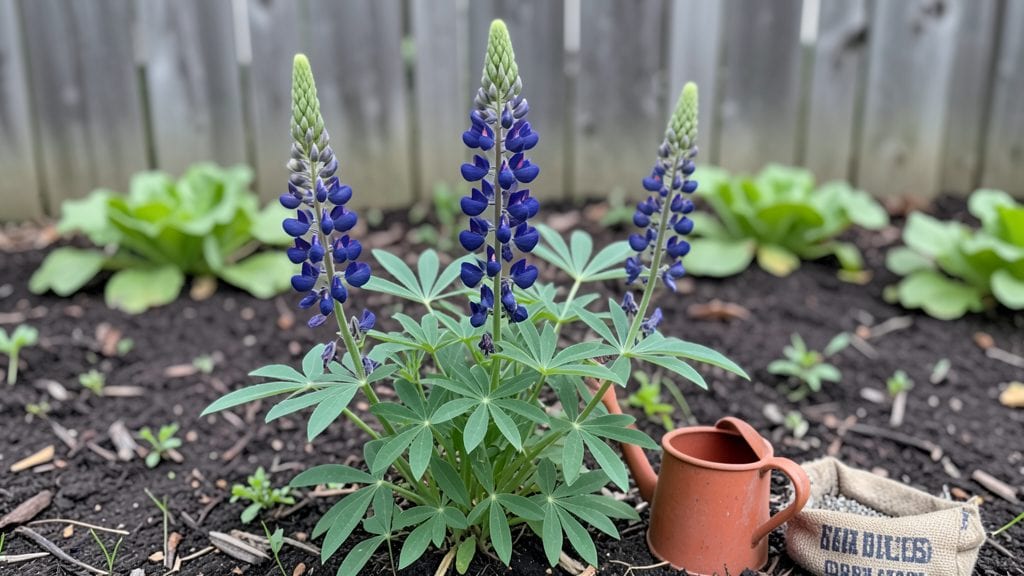
Mastering lupine flower care ensures those frost-resistant blooms return year after year—with almost no fuss. 🌿 I’ve grown them in my Zone 5 garden for five seasons, and their ability to bounce back from winter and thrive with minimal pruning makes them the perfect low-maintenance perennial.
The key is understanding their quirks: they hate soggy feet but love well-draining soil, and their seed pods are toxic (so keep pets and kids away).
Lupines thrive in full sun to partial shade, making them adaptable to most gardens. Start with well-draining soil—amend heavy clay with compost or sand—and plant seeds in early spring or fall.
Water deeply once a week once established, as they’re surprisingly drought-tolerant once rooted. The real magic happens in their self-seeding habit, which means you’ll get more blooms without replanting every year.
By midsummer, you’ll see those iconic spiky flower spikes rising above the foliage, attracting bees and hummingbirds. Deadhead spent blooms to encourage more flowers, but skip heavy pruning—their woody stems add winter interest.
In fall, cut back foliage to 3-4 inches to protect the crown from harsh winds, and watch them pop back in spring.
Perfect for wildflower gardens, cottage-style borders, or pollinator-friendly plots. They’re also great for cut flowers, lasting up to a week in a vase. Just remember: their toxic seed pods mean gloves are a good idea when handling them. Ready to grow lupines that practically care for themselves?
📚 In This Guide
- What you need
- Instructions
- Tips and common mistakes
- Wrapping up and next steps
What you need
- ● Lupine seeds or seedlings: Choose Lupinus polyphyllus (most common) or other frost-hardy varieties. Start with 5-10 seeds (or 3-5 seedlings) for a small patch.
- ● Well-draining soil: Mix 1 part potting soil with 1 part perlite or coarse sand (lupines hate soggy roots!). Test pH: aim for 6.0–7.0 (slightly acidic to neutral).
- ● Sunlight access: Ensure a spot with 6+ hours of direct sun daily (partial shade in scorching climates).
- ● Watering can or hose: A gentle spray nozzle helps avoid disturbing roots during watering.
- ● Organic fertilizer: A balanced 10-10-10 or low-phosphorus option (e.g., fish emulsion or compost tea) to avoid leggy growth.
- ● Garden gloves (to protect hands from prickly stems).
- ● Pruning shears (sterilized with rubbing alcohol for clean cuts).
- ● Mulch (straw or wood chips) to retain moisture and insulate roots in winter.
- ● Support stakes or rings (for tall varieties like Lupinus nootkatensis, which can reach 3–5 feet).
Step-by-step instructions for cultivating hardy lupine blooms
Lupines thrive with minimal fuss—here’s how to nurture their striking spikes with confidence.
🌱 Step 1: Select the Right Location and Soil
Lupines adore full sun—plant them where they’ll receive at least 6-8 hours of direct sunlight daily. They tolerate partial shade but may produce fewer blooms. I always choose a spot with well-draining soil; lupines hate soggy roots. If your soil is heavy clay, amend it with 2-3 inches of compost before planting to improve drainage.
These perennials are drought-tolerant once established, but they’ll reward you with lush foliage and vibrant blooms if planted in slightly acidic to neutral soil (pH 6.0-7.0). A simple soil test kit ensures you’re in the right range. I’ve found that lupines in slightly alkaline soil still perform well, but their growth rate slows noticeably.
☀️ Step 2: Plant at the Correct Depth and Spacing
Dig a hole twice as wide as the lupine’s root ball but only as deep as the container it came in. Lupines have deep taproots, so disturbing them too much can stunt growth. Space plants 18-24 inches apart—this gives them room to mature without competing for nutrients. I always plant them in clusters of three for a natural, fuller look.
Water deeply right after planting to settle the soil around the roots. The first few weeks are critical; keep the soil consistently moist but never waterlogged. You’ll know you’ve got it right when the soil feels like a damp sponge—squeeze it gently, and it should hold its shape without dripping water.
💧 Step 3: Water and Fertilize Strategically
Lupines are nitrogen-fixers, meaning they pull nitrogen from the air and store it in their roots. This makes them low-maintenance—they rarely need extra fertilizer. In fact, too much nitrogen will encourage leafy growth at the expense of blooms. I only fertilize once a year, in early spring, with a balanced, slow-release granular fertilizer (10-10-10) applied lightly around the base.
Water deeply once a week during the first growing season to encourage deep root development. Once established, lupines thrive on rainwater alone in most climates. You’ll know they’re getting enough water when the leaves remain upright and vibrant, not wilting or yellowing. Overwatering is the biggest mistake—it leads to root rot and weak stems.
✂️ Step 4: Prune for Health and Next Year’s Blooms
Deadheading spent blooms isn’t necessary for lupines, but it encourages a second flush of flowers in some varieties. I snip off faded flower spikes with clean, sharp shears right above the first set of healthy leaves. This redirects the plant’s energy toward root and foliage growth rather than seed production.
In late fall or early winter, cut back the entire plant to about 6 inches tall. Lupines are frost-hardy and will regrow from the base in spring. This pruning also prevents the plant from flopping over in winter winds. I’ve seen lupines survive 20°F temperatures with no protection, though young plants may need a light mulch of straw for their first winter.
🌿 Step 5: Divide and Propagate Every 3-4 Years
Lupines form dense clumps over time, and their center often becomes woody and less productive. Every 3-4 years, dig up the entire plant in early spring or fall. Gently separate the clump into smaller sections, ensuring each has 3-5 healthy shoots. Replant the divisions immediately in fresh soil, watering deeply to help them establish.
This is also the time to propagate lupines if you want more plants. Simply replant the divisions or share them with fellow gardeners. Lupines spread slowly, so dividing keeps them vigorous and prevents overcrowding. I’ve found that lupines divided in early spring rebound fastest, producing blooms the same season.
Tips & tricks for perfect lupine flower care
A few simple strategies will help you grow lupines that thrive with minimal effort and stunning results.
Sunlight Strategy: While lupines tolerate partial shade, I’ve noticed they produce the most vibrant blooms when receiving those full 6-8 hours of direct sunlight daily. If your garden has limited sun exposure, choose a location where they’ll get at least 4-5 hours of morning sun—the cooler temperatures help prevent wilting. I’ve even seen lupines in east-facing beds thrive with just 5 hours of sunlight, though the flowers may be slightly smaller.
Soil Preparation Secret: The 2-3 inches of compost recommendation is non-negotiable for heavy clay soils, but don’t stop there. I add a handful of perlite or coarse sand to improve drainage even further. This prevents that dreaded soggy root scenario while maintaining moisture retention. For alkaline soils, mix in a bit of peat moss to gently lower the pH—lupines will reward you with faster growth and more abundant blooms.
Planting Depth Insight: When planting, resist the urge to bury lupines deeper than their container depth. Their deep taproots need room to grow downward, not sideways. I’ve seen many gardeners accidentally plant them too deep, which can lead to stunted growth. The twice-as-wide hole recommendation is perfect—it gives those roots plenty of space to establish without crowding.
Watering Wisdom: That "damp sponge" test for soil moisture is brilliant, but here’s the thing: lupines actually prefer their soil to dry out slightly between waterings once established. I water deeply once a week during their first season, but in their second year, I often let them go two weeks without water unless we’re in a heatwave. This drought tolerance is what makes them such low-maintenance perennials.
Pro Tips for Lupine Flower Care
- A few simple strategies will help you grow lupines that thrive with minimal effort and stunning results.
- Sunlight Strategy: While lupines tolerate partial shade, I’ve noticed they produce the most vibrant blooms when receiving those full 6-8 hours of direct sunlight daily.
- Soil Preparation Secret: The 2-3 inches of compost recommendation is non-negotiable for heavy clay soils, but don’t stop there.
Frequently asked questions
Got questions about keeping your lupine flowers thriving with ease? Here are some of the most common concerns—and their simple solutions!
How often should I water lupine flowers?
Lupines are drought-tolerant once established! Water deeply once a week during dry spells, but avoid soggy soil. Overwatering can lead to root rot—so let the top inch of soil dry out between waterings. Pro tip: Mulch around the base to retain moisture and deter weeds.
Can lupines survive winter frost?
Lupines are highly frost-resistant and thrive in cold climates (USDA Zones 3-9). Their hardy roots protect them from light freezes, and many varieties regrow from the same base each spring. Just avoid heavy snow buildup on stems—gently brush it off if needed.
Do I need to prune lupines after they bloom?
Minimal pruning is key! Cut back dead or faded flower stalks to encourage new growth, but leave the foliage intact until late fall. This helps the plant store energy for next year. Avoid heavy pruning—lupines rely on their leaves for photosynthesis! Pro tip: Wait until after the first frost to trim back entirely.
Are lupines good for attracting pollinators?
Yes! Lupines are a pollinator magnet, especially for bees and butterflies. Their vibrant blooms and high nectar content make them a must-have for wildlife gardens. Plant them near other perennials to create a buzzing ecosystem! Bonus: They also support beneficial soil bacteria.
What’s the best way to prevent lupine diseases?
Lupines are generally low-maintenance, but powdery mildew can occur in humid conditions. Improve airflow by spacing plants 12–18 inches apart, and avoid overhead watering. If mildew appears, remove infected leaves and apply a fungicide. Prevention tip: Choose disease-resistant varieties like Lupinus polyphyllus.
Wrapping up and next steps
Caring for lupine flowers is a rewarding experience—these hardy, frost-resistant beauties thrive with just a little attention! 🌸 With the right soil, sunlight, and minimal pruning, you’ll enjoy vibrant blooms year after year.
Now that you’re armed with tips on watering, deadheading, and winter prep, it’s time to roll up your sleeves and get growing.
Ready to watch your lupines flourish? Start by planting a few this season—whether in your garden beds or containers—and enjoy their striking colors with almost no fuss. Happy gardening! 🌱