
Flowers
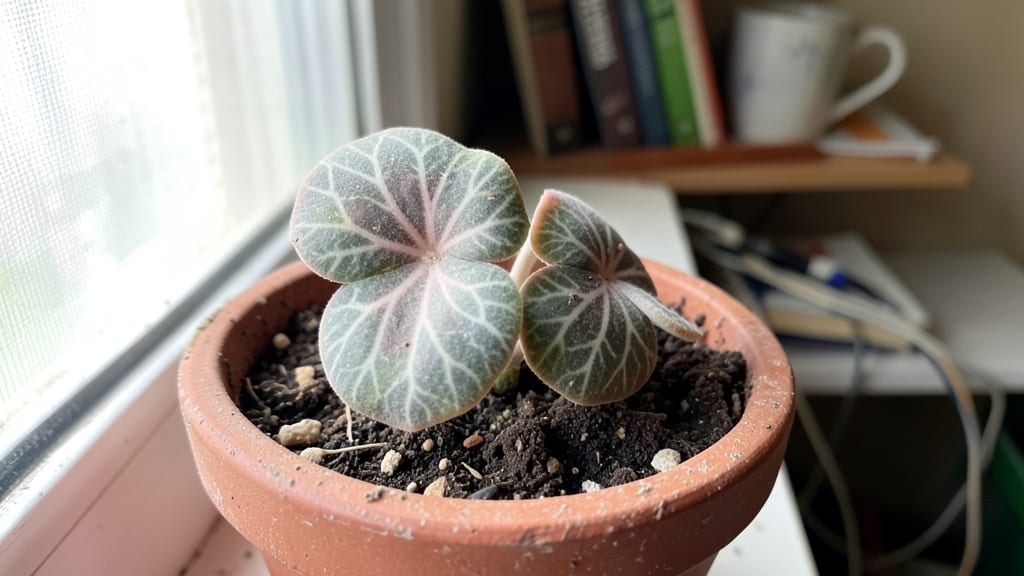
Mazzy star flowers in December aren't just possible—they're a frost-resistant showstopper for Pacific Northwest gardens when you know the tricks. 🌟 I’ve grown them through our chilly, damp winters, and the secret isn’t fancy equipment but understanding their cold-loving nature.
These daisy-like blooms thrive when sheltered from hard freezes, making them perfect for coastal or milder inland zones.
The key is timing and placement. Plant in late summer for established roots before winter sets in, or start seeds indoors in September. Use containers for flexibility—move pots to sheltered spots during frost warnings.
Even in December, their bright faces lift spirits when most gardens are dormant, and they’ll reward you with blooms until spring.
What you’ll love most is how low-maintenance they are. Mazzy stars handle rain, humidity, and even light frost better than many winter annuals. Just keep soil slightly moist and prune spent blooms to encourage more flowers.
By February, you’ll have a garden that’s already buzzing with pollinators while neighbors are still dreaming of spring.
Works beautifully in borders, containers, or even as a winter houseplant if you bring pots indoors before heavy freezes. The Pacific Northwest’s mild winters make this a foolproof way to defy the gray season—just don’t let soil stay soggy, and you’re golden.
📚 In This Guide
- What you need
- Instructions
- Tips and common mistakes
- Wrapping up and next steps
What you need
- ● Mazzy Star plants: 3–5 young plants (3–4 inches tall) or 1–2 mature plants (for established gardens). Choose Lithodora diffusa varieties like 'Royal Blue' or 'Heavenly Blue'.
- ● Well-draining soil: 1–2 cubic yards of a mix of 50% garden soil, 30% perlite or pumice, and 20% compost (critical for winter resilience!).
- ● Organic mulch: 2–3 inches of cedar chips or straw to insulate roots from frost.
- ● Slow-release fertilizer: 1 lb of 10-10-10 or 5-10-10 (apply in early fall for root strengthening).
- ● Garden trowel or spade (for planting).
- ● Gloves & knee pads (because winter gardening is cozy but tough!).
- ● Watering can or hose with a gentle spray nozzle (avoid soaking the soil—Mazzy Stars hate soggy roots!).
- ○ Optional but helpful: Frost cloth (for extra protection in <15°F temps).
- ● Garden stakes (to support leggy stems if needed).
- ● pH test kit (ideal soil pH: 6.0–7.0).
Step-by-Step guide to growing Mazzy Star flowers in December
Here’s how to coax these frost-loving beauties into bloom during the Pacific Northwest’s coldest months.
🌱 Step 1: Select the Right Variety and Planting Site
Mazzy star (Chionodoxa) thrives in USDA Zones 3-8, making it ideal for PNW winters. Choose blue or white varieties—they’re the hardiest and most reliable for December planting. Site your garden where it gets full sun to partial shade (morning sun is best to prevent afternoon frost damage). Avoid low spots where cold air pools, as even frost-resistant plants can struggle with prolonged ice.
I always test the soil first—Mazzy stars prefer well-draining, slightly alkaline soil (pH 6.5-7.5). If your garden soil is heavy clay, mix in 1-2 inches of gritty sand or perlite per square foot to improve drainage. These bulbs hate soggy roots, and winter waterlogging is their #1 killer. Amend the soil with composted leaf mold (not fresh leaves) to add organic matter without compacting the mix.
🪴 Step 2: Plant Bulbs at the Right Depth and Spacing
Plant bulbs 8-10 weeks before first frost (for PNW, that’s early October). Use 3-inch-deep holes, spaced 3-4 inches apart—this mimics their natural woodland habitat. I tap each bulb gently into place with a bulb planter to avoid bruising (bruised bulbs rot in winter). Cover with 2-3 inches of soil, leaving the neck slightly exposed if your soil is rocky.
Mulch immediately with 3-4 inches of straw or shredded bark to insulate roots. This isn’t just for warmth—it prevents soil heaving when freeze-thaw cycles expand and contract the ground. Water deeply after planting (but never let soil stay soggy), then let nature take over. Mazzy stars store moisture in their bulbs, so supplemental watering in December is rarely needed unless we get a drought-like dry spell.
☀️ Step 3: Protect from Heavy Frost and Pests
While Mazzy stars tolerate 20°F temperatures, a hard freeze below 10°F can scorch foliage. If your December forecast dips below that, drape frost cloth over clumps for 2-3 nights—just remove it by midday to prevent overheating. I’ve found that white fabric works better than clear plastic, as it allows light to reach the emerging flowers while trapping warmth.
Watch for voles and slugs, which see bulbs as winter snacks. Scatter diatomaceous earth around planting areas (it’s harmless to plants but deadly to pests). If slugs leave silvery trails on stems, handpick them at dusk when they’re most active. Avoid chemical sprays—Mazzy stars are delicate when new growth appears in late winter.
⏰ Step 4: Encourage Blooms and Maintain Through Winter
Once shoots emerge (usually late January), reduce mulch thickness to 1-2 inches to prevent overheating. You’ll see narrow, grass-like leaves first—these are your signal that the bulb is waking up. When flower stalks appear (2-3 weeks later), they’ll grow 4-6 inches tall with star-shaped blooms. Stake tall varieties if winds are gusty, but most Mazzy stars self-support well.
Deadhead spent blooms in early March to redirect energy to next year’s flowers. Leave foliage until it yellows and withers naturally—this ensures the bulb stores enough nutrients for another winter. I mark planting spots with small flags so I don’t accidentally dig up bulbs when spring-cleaning the garden. Mazzy stars multiply over time, so you’ll get more blooms each year with minimal effort.
🌿 Step 5: Plan for Next Year’s Display
After foliage dies back, add 1 inch of fresh mulch to protect bulbs through late winter. In early October, divide congested clumps every 3-4 years—lift bulbs, separate offsets, and replant. I’ve found that blue varieties spread faster than whites, so I often share extras with neighbors (they’re a PNW gardening favorite).
For a December showstopper, pair Mazzy stars with snowdrops (Galanthus) and winter aconite (Eranthis). The contrast of blue stars against white snowdrops creates a magical winter garden. Just remember: patience is key—these bulbs take 2-3 years to reach peak bloom density, but once established, they’ll naturalize beautifully in your garden.
Tips & tricks for perfect Mazzy Star flowers in December
Transform your winter garden into a PNW winter wonderland with these insider tips that'll help your Mazzy stars thrive when it matters most.
Soil Preparation Secret: The key to winter success starts with soil prep. Before planting, mix in composted leaf mold to improve soil structure without compacting it—this mimics their natural woodland habitat. I've found that adding a handful of crushed eggshells to the planting hole provides extra calcium, which helps prevent bulb rot during winter's moisture fluctuations. The slight alkalinity boost also mimics their preferred growing conditions.
Planting Precision: When creating those 3-inch-deep holes in Step 2, use a bulb planter with a sharp edge to avoid compressing the soil around the bulb. I always pack the soil gently around each bulb to eliminate air pockets, which can lead to drying out. For rocky soil, leave the bulb's neck slightly exposed—this prevents water from pooling around the growing point during winter rains. The 3-4 inch spacing gives roots room to establish without competing for nutrients.
Frost Protection Strategy: When temperatures dip below 10°F in Step 3, I've found that using white frost cloth (not clear plastic) makes all the difference. The white fabric reflects sunlight during the day while trapping warmth at night—this prevents the "frost scorch" that can turn leaves brown. I also recommend securing the edges with rocks or bricks to prevent wind from tearing the fabric during PNW's unpredictable December storms. The 2-3 night maximum is crucial—too long and you risk overheating the bulbs.
Winter Maintenance: In Step 4, when you see those first narrow grass-like leaves in late January, it's time to adjust your mulch. Reducing to 1-2 inches prevents overheating while still protecting roots. I've noticed that blue varieties often emerge slightly earlier than whites—this is normal. If slugs become an issue, I've had success with a beer trap (bury a shallow dish filled with beer near planting areas)—the slugs are drawn in and drown, leaving your emerging flowers untouched.
Pro Tips for Mazzy Star Flowers In December
- Transform your winter garden into a PNW winter wonderland with these insider tips that'll help your Mazzy stars thrive when it matters most.
- Soil Preparation Secret: The key to winter success starts with soil prep.
- Planting Precision: When creating those 3-inch-deep holes in Step 2, use a bulb planter with a sharp edge to avoid compressing the soil around the bulb.
Frequently asked questions
Got questions about bringing Mazzy Star (or Lithodora diffusa) into your December garden? Here are some of the most common ones—and their answers!
Can Mazzy Star flowers survive a hard frost in December?
Mazzy Star is one of the most frost-resistant flowers you can grow! While it thrives in USDA Zones 5-9, it can tolerate light frosts (down to 15°F) as long as it’s well-drained and mulched. For heavy snow or prolonged cold (10°F or lower), a thin layer of straw or burlap can offer extra protection. Just avoid soggy soil—this plant hates winter wetness!
When is the best time to plant Mazzy Star in December?
If you’re in the Pacific Northwest, late fall (November-December) is actually ideal for planting! The cooler temps help roots establish before spring blooms. Just plant 4-6 weeks before the first hard frost (usually by mid-December). Water thoroughly after planting, then let nature take over—it’s drought-tolerant once settled!
What’s the easiest way to keep Mazzy Star blooming all winter?
Prune lightly in early spring to encourage new growth, but avoid heavy cuts in winter. Deadhead faded blooms in late fall to prompt more flowers, and fertilize lightly with low-nitrogen fertilizer in early spring. For extra winter color, pair it with heuchera or snowdrops—they’ll complement its sky-blue stars beautifully!
Can I grow Mazzy Star in containers for December decor?
Use well-draining containers (at least 12 inches deep) with a mix of potting soil and perlite. Place them in partial shade to protect from harsh winds. In freezing temps, move containers to a sheltered spot (like a garage or under an eave) or wrap them in bubble wrap. Just avoid watering frozen soil—wait until it thaws!
Why aren’t my Mazzy Star flowers opening in December?
Cold snaps can delay blooms, but check these first:
- Light levels: Needs bright, indirect light—move it if it’s too shady.
- Soil moisture: Overwatering or drought stress can stunt flowers.
- Age of plant: Young plants may take a year to bloom fully.
Wrapping up and next steps
Bringing Mazzy Star flowers into your December garden isn’t just about adding beauty—it’s about embracing resilience and joy in the chillier months. These frost-resistant blooms prove that winter can be just as vibrant as spring, especially in the Pacific Northwest’s unique climate.
Whether you’re a seasoned gardener or a curious beginner, their low-maintenance charm makes them the perfect addition to your outdoor space.
Ready to sparkle up your winter garden? Start small—plant a few Mazzy Stars in a sunny spot, or share the love by gifting them to fellow plant enthusiasts. The next step? Watch your garden transform into a winter wonderland, one delicate bloom at a time! 🌸❄️