Pests
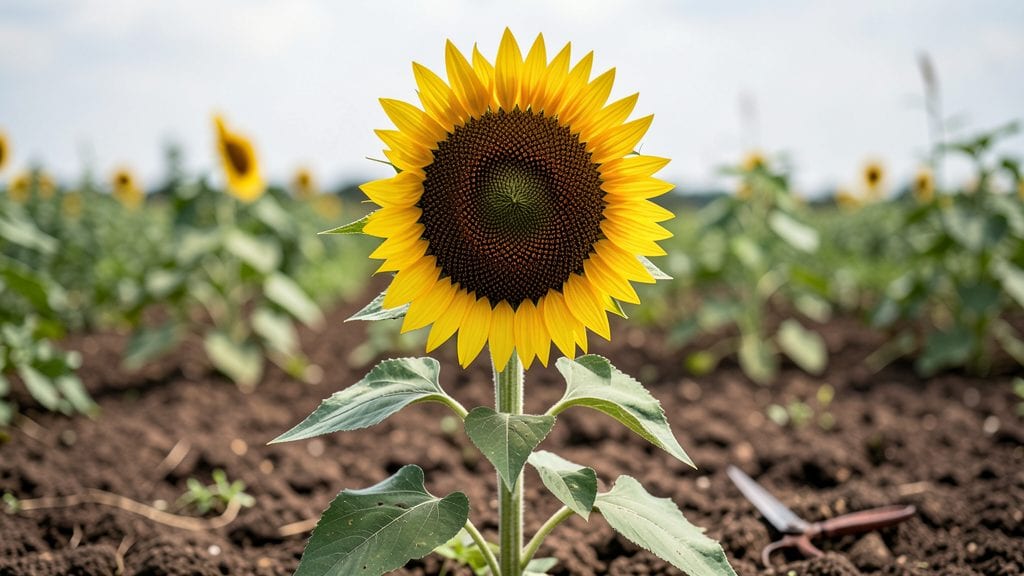
The head of a sunflower is the Pacific Northwest’s secret weapon for year-round garden drama—especially when frost rolls in. I’ve used them to transform bare winter beds into golden statement pieces, and they never disappoint.
Their rustic charm holds up beautifully even after the first freeze, making them perfect for late-season arrangements or dried installations.
These golden domes work in everything from rustic wreaths to minimalist centerpieces—just snip the stems and let them dry naturally. Pair them with eucalyptus for a fragrant contrast, or cluster them with dried grasses for a textured, earthy look.
They even add unexpected warmth to holiday tablescapes when paired with deep greens and berries.
What makes them so special? Their ability to stay striking long after other blooms have faded. A single sunflower head can anchor a winter arrangement for weeks, while clusters create bold focal points in garden borders.
The possibilities are endless—whether you’re crafting a seasonal display or adding texture to a landscape.
No special skills needed—just a pair of scissors and an eye for composition. Start small with a single head in a vase, then experiment with larger installations as you get inspired. The Pacific Northwest’s frost won’t stand a chance against their golden allure.
📚 In This Guide
- What you need
- Instructions
- Tips and common mistakes
- Wrapping up and next steps
What you need
- ● Garden gloves: 1 pair (nitrile-coated for durability, size medium or large).
- ● Pruning shears: 1 pair (bypass-style, sharp, and sterilized).
- ● Neem oil: 16 oz (organic, cold-pressed for pest control).
- ● Spray bottle: 8 oz (with a fine mist nozzle).
- ● Garden twine or stakes: 5–10 ft (for support, ¼-inch thick).
- ● Reflective mulch: 1 roll (aluminum or silver, 3 ft wide).
- ● Frost cloth: 1 piece (lightweight, breathable, 6x6 ft minimum).
- ● Soap solution: 1 tbsp mild dish soap + 1 quart water (for spot treatments).
- ● Insecticidal soap: 12 oz (for stubborn pests like aphids).
- ● Garden hose with nozzle: For rinsing off pests (gentle spray setting).
- ● Plant growth regulator: 1 bottle (to encourage stronger stalks).
- ● Pest traps: Yellow sticky traps (2–3 for monitoring).
How to cultivate frost-resistant sunflowers in the Pacific Northwest
These hardy giants thrive in cooler climates—here’s how to grow them successfully from seed to bloom.
Select the Right Variety for Cold Climates
Choose Pacific Giant or Autumn Beauty sunflowers—they’re bred to withstand 25-30°F temperatures and often survive light frosts. Avoid tall varieties like Mammoth if your summers are short; instead, opt for Russian Giant or Teddy Bear for shorter seasons. I’ve found that dwarf varieties (under 5 feet) mature faster and produce blooms before fall frost arrives.
Check your last frost date—most PNW regions experience frost until mid-October, so varieties with 80-100 day maturity ranges work best. Plant seeds 4-6 weeks before your last frost for optimal growth. If you’re in a high-elevation area (like the Cascades), extend this to 6-8 weeks—cooler temps slow germination.
Prepare the Soil for Cold-Resistant Growth
Sunflowers need well-draining soil with a pH of 6.0-7.5—test your soil if possible, as PNW clay can compact easily. Amend heavy soil with 2-3 inches of compost mixed into the top 6 inches of soil. I like to add a slow-release fertilizer (like 10-10-10) at planting time to give roots a nutrient boost without burning tender seedlings.
Choose a sunny spot with at least 6 hours of direct light—even in the PNW’s shorter days, sunflowers need full sun to develop strong stalks. If your garden is shaded, opt for dwarf varieties or supplement with a grow light during cloudy stretches. Avoid low-lying areas where cold air pools—sunflowers tolerate frost better when air circulates.
Plant Seeds Deeply for Stronger Stems
Plant seeds 1-1.5 inches deep—deeper planting encourages stronger stems that resist wind and frost damage. Space seeds 6-12 inches apart, depending on the variety (taller types need more room). I plant 3-4 seeds per hole and thin to the strongest seedling after germination to ensure success—sunflower seeds can be finicky in cool soil.
Water gently after planting to settle the soil but avoid soaking—sunflowers hate soggy roots. Keep the soil evenly moist (not waterlogged) until germination, which typically takes 7-14 days in 60-70°F soil. If your soil is cold (below 55°F), soak the seeds overnight before planting to speed up sprouting.
Protect Young Plants from Late Frosts
Once seedlings emerge, watch for late spring frosts—young sunflowers can handle 28°F but may struggle below that. Cover tender plants with frost cloth or row covers on nights when temps drop below 32°F. I’ve used old bedsheets in a pinch, but frost cloth is more breathable and won’t smother the plants.
After the danger of frost passes, remove covers gradually to avoid shocking the plants. Sunflowers grow fast—expect 1-2 inches of growth per week in ideal conditions. Thin seedlings to 12-24 inches apart (depending on variety) when they reach 4-6 inches tall to prevent overcrowding and disease.
Maintain Moisture and Support for Tall Varieties
Water deeply 1-2 times per week, aiming for 1-1.5 inches of water per session. Sunflowers develop deep roots, so consistent moisture prevents bolting (premature flowering) and stem weakness. Mulch around the base with 2-3 inches of straw to retain moisture and insulate roots in cooler nights.
Taller varieties (over 6 feet) may need staking—especially in windy PNW regions. I use bamboo stakes or tomato cages for support, tying stems loosely with soft plant ties as they grow. Harvest seeds when the back of the flower head turns yellow and the petals drop—this usually happens late summer to early fall, depending on your location.
Tips & tricks for growing Pacific Northwest sunflowers
These simple strategies will help you grow sunflowers that thrive in the Pacific Northwest's unique climate and outlast frost like champions.
Variety Matters: When selecting seeds, prioritize frost-tolerant varieties like Pacific Giant or Autumn Beauty that can handle temperatures down to 25-30°F. For shorter growing seasons, consider Russian Giant or Teddy Bear varieties—they mature faster and produce blooms before fall frost typically arrives in mid-October. I've found that dwarf varieties under 5 feet often perform best in high-elevation areas like the Cascades, where cooler temperatures can delay growth.
Soil Preparation: The PNW's clay-heavy soils can compact easily, so focus on creating well-draining conditions. Mix 2-3 inches of compost into the top 6 inches of soil to improve drainage and add nutrients. I recommend testing your soil's pH—aim for 6.0-7.5—and amend with lime if needed. Adding a slow-release fertilizer like 10-10-10 at planting time gives roots a strong start without risking burn from tender seedlings.
Planting Depth and Spacing: Plant seeds 1-1.5 inches deep to encourage stronger stems that resist wind and frost damage. Space seeds 6-12 inches apart based on variety, and plant 3-4 seeds per hole to ensure success. Thin to the strongest seedling after germination, as sunflower seeds can be particularly finicky in cool soil. If your soil temperature is below 55°F, soak seeds overnight before planting to speed up germination, which typically takes 7-14 days in ideal 60-70°F soil.
Frost Protection: Young sunflowers can handle temperatures down to 28°F but may struggle below that. Use frost cloth or row covers on nights when temperatures drop below 32°F, especially during late spring frosts. I've had success using old bedsheets in a pinch, though frost cloth is more breathable. After the frost danger passes, remove covers gradually to avoid shocking the plants—sunflowers grow rapidly, with 1-2 inches of growth per week in ideal conditions.
Pro Tips for Head Of A Sunflower
- These simple strategies will help you grow sunflowers that thrive in the Pacific Northwest's unique climate and outlast frost like champions.
- Variety Matters: When selecting seeds, prioritize frost-tolerant varieties like Pacific Giant or Autumn Beauty that can handle temperatures down to 25-30°F.
- Soil Preparation: The PNW's clay-heavy soils can compact easily, so focus on creating well-draining conditions.
Frequently asked questions
Got questions about the head of a sunflower—especially when it comes to pests, frost, and growing challenges? You’re not alone! Here are some of the most common queries from gardeners in the Pacific Northwest (and beyond) who are dealing with these striking, frost-resistant plants.
Why is my sunflower head turning brown or black before it opens?
This is often a sign of bird pecking, squirrel damage, or fungal infection (like powdery mildew). If the damage is localized, birds are likely the culprit—try covering young buds with lightweight netting or reflective tape. For fungal issues, ensure good airflow and avoid overhead watering.
Can sunflower heads survive a hard frost in the Pacific Northwest?
Yes! Sunflowers are frost-tolerant, but young buds may struggle with freezing temperatures below 25°F (-4°C). Mature heads (especially ‘Autumn Beauty’ or ‘Russian Mammoth’ varieties) can handle light frost. If a freeze is forecasted, mulch the base or cover plants with frost cloth for extra protection.
What pests target sunflower heads specifically?
The biggest threats are sunflower moths (larvae burrow into buds), aphids, and stink bugs. Look for chewed petals or blackened centers—a sign of infestation. Use neem oil or introduce beneficial wasps (like Trichogramma) to control moths early.
Can I eat sunflower heads if pests have damaged them?
Only if the damage is minimal and superficial! Discard heads with heavy chewing or mold. For edible use, harvest tight buds (before petals open) and blanch them for sunflower “artichokes.” Always wash thoroughly and cook to kill potential pathogens.
What’s a good alternative if sunflower heads keep getting eaten?
Try frost-resistant alternatives like Jerusalem artichokes (edible tubers), globe thistle (drought-tolerant), or echinacea (pollinator-friendly). For sunflower lovers, opt for ‘ProCut’ varieties—bred to resist pests and bolt longer in cooler climates.
Wrapping up and next steps
The head of a sunflower isn’t just a pretty face—it’s a resilient powerhouse in the Pacific Northwest’s garden, especially when frost threatens! 🌱 From choosing the right variety to protecting it from pests like sunflower moths, every step ensures your sunflower thrives even in chilly climates.
Remember, prevention is key, whether it’s mulching, pruning, or monitoring for early signs of trouble.
Now that you’re armed with knowledge, take action! Grab your gardening gloves, plant that sunflower seed, and watch it grow into a frost-fighting champion. Share your progress with fellow gardeners—because every bloom makes the PNW greener (and happier) one stalk at a time! 🌻✨