Lawn
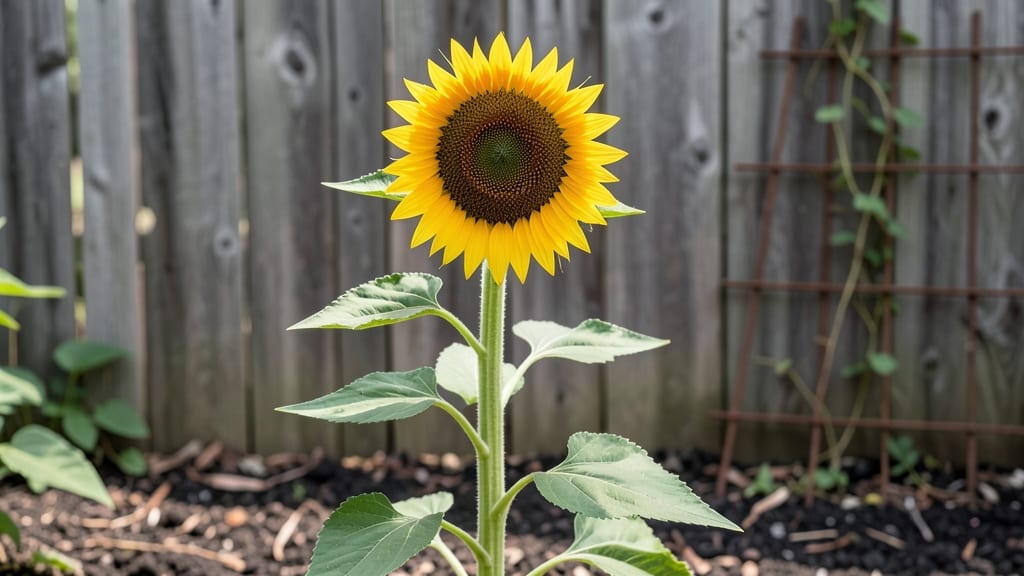
This sunflower seed identification chart is your first step to avoiding surprises—will your garden bloom with delicate Moulin Rouge (12-inch petals!) or towering Russian Mammoths (14 feet tall)? with the seed.
A quick glance at the seed shape, size, and color tells you whether you’ll get a cut-flower showstopper, a birdseed bonanza, or a snackable treat.
The chart breaks it down by height ranges, flower colors, and seed types—whether they’re striped, black, or white. You’ll spot the confetti sunflowers (multi-colored petals) in a heartbeat, just as you’ll know the oilseed varieties (smaller, darker seeds) at a glance.
Each type also has a maturity timeline, so you can plan when to expect those golden blooms or harvest those seeds for next year.
By the end, you’ll match your garden space, climate, and goals to the perfect variety—whether that’s shade-tolerant types for patios or drought-resistant ones for dry summers. The chart even notes which seeds birds love (great for wildlife gardens) and which are best for pressing or eating.
No more seed mix-ups or disappointing results!
Print it out and keep it by your planting spot. Once you’ve grown a few varieties, you’ll start recognizing seeds by sight—just like I did after my first Autumn Beauty (the one with red-tinged petals) took over my backyard. Happy planting!
📚 In This Guide
- What you need
- Instructions
- Tips and common mistakes
- Wrapping up and next steps
What you need
- ● Sunflower seeds: A mix of at least 10-15 varieties (e.g., black oil, striped, Russian mammoth, or heirloom types). Include both shelled and in-shell seeds if possible.
- ● Magnifying glass (5x-10x magnification): For inspecting fine details like seed texture, markings, and color variations.
- ● Ruler or measuring tape: To record seed dimensions (length, width, thickness) in millimeters or inches.
- ● White or light-colored paper: 8.5" x 11" or larger, for drawing and labeling seeds.
- ● Fine-tip markers or colored pencils: Black, brown, yellow, and other shades to highlight seed traits.
- ● Adhesive (e.g., glue stick or double-sided tape): To secure seeds to your chart.
- ○ Printed reference images: High-resolution photos of sunflower seed varieties for comparison (optional but helpful).
- ● Digital scale (0.01g precision): For weighing seeds to note size differences.
- ○ Microscope (optional): To examine seed surface patterns up close.
- ● Watercolor paints or pastels: For adding artistic details to your chart.
- ● Clear laminating sheets: To protect your finished chart from wear.
- ● Field notebook: For jotting down observations like growing conditions or seed origins.
How to identify sunflower varieties by seed and plant traits
Here’s how to tell oilseed, confectionery, and ornamental sunflowers apart using simple visual cues.
Examine the Seed Head Shape and Size
Sunflower varieties fall into three main categories based on their seed heads: oilseed, confectionery, and ornamental. Oilseed varieties like Helianthus annuus typically have large, disc-shaped heads (4-6 inches wide) with tightly packed seeds. These heads often appear flat and uniform, designed for mechanical harvest. Confectionery types, such as Mammoth Russian, produce smaller, rounder heads (2-4 inches wide) with fewer seeds, making them ideal for snacking.
Ornamental sunflowers, like Teddy Bear or ProCut, can vary widely but often feature large, showy petals (up to 6 inches long) and smaller, less dense seed centers. Pay attention to the overall diameter—if the head is over 8 inches wide, it’s likely an ornamental variety bred for display. Always check the seed density: oilseed types have hundreds of tightly clustered seeds, while confectionery types have fewer, larger seeds spaced farther apart.
Assess Seed Color and Texture
Seed color is one of the most reliable ways to distinguish varieties. Oilseed sunflowers typically produce black or dark gray seeds with a smooth, glossy surface. These seeds are small (about ¼ inch long) and designed for oil extraction. Confectionery sunflowers, on the other hand, have striped or white seeds with a rougher texture, often ½ inch or larger in length. The stripes (usually black and white) are a hallmark of snack varieties like Autumn Beauty.
Ornamental sunflowers may have seeds that range from black to brown to even reddish hues, but their texture is usually less uniform than oilseed types. If you’re unsure, press a seed between your fingers—oilseed seeds will feel smooth and slightly oily, while confectionery seeds will feel drier and slightly gritty. This tactile difference is key for quick identification in the field.
Observe Plant Height and Stem Characteristics
Height alone can narrow down your options significantly. Oilseed sunflowers are usually tall (5-12 feet), with thick, sturdy stems capable of supporting heavy seed heads. These plants are bred for mechanical harvesting, so their stems are often woody and less prone to lodging. Confectionery sunflowers tend to be shorter (3-6 feet), with slender stems that may lean slightly as the seed heads mature. Their stems are less rigid and often hairier near the base.
Ornamental sunflowers can vary widely in height—some dwarf varieties stay under 2 feet, while giant types like Mammoth can reach 10+ feet. Look for branching patterns: oilseed types usually have single, upright stems, while ornamental varieties may branch near the top, creating a bushier appearance. If the plant has multiple stems emerging from the base, it’s likely an ornamental or wild type.
Check Leaf Shape and Arrangement
Leaf shape provides subtle but important clues. Oilseed sunflowers typically have long, lance-shaped leaves (6-12 inches long) with smooth edges and a deep green color. These leaves are alternate, meaning they grow in a spiral pattern along the stem. Confectionery sunflowers often have slightly broader leaves (4-8 inches long) with a slightly rough texture and a lighter green hue, especially as they mature.
Ornamental sunflowers may have more varied leaf shapes, including oval or even lobed leaves in some dwarf varieties. Pay attention to the leaf surface: if the leaves feel slightly fuzzy or hairy, it’s often a sign of an ornamental or wild type. Also, note the leaf arrangement—if the plant has clusters of smaller leaves near the top, it’s likely an ornamental variety bred for decorative appeal.
Verify by Seed Head Maturity and Use
The final step is assessing the seed head’s purpose. Oilseed sunflowers will have heads that remain upright even when mature, with seeds that turn uniformly dark as they dry. These are designed to shatter easily when dry, releasing seeds for harvest. Confectionery sunflowers, however, retain their shape longer and often develop a papery, white outer layer that protects the seeds. Their seeds stay plump and edible for weeks after maturity.
Ornamental sunflowers may retain their petals longer or develop unique seed head textures, such as feathery or spiky centers. If the seed head is still vibrant with color long after other varieties have dried, it’s likely ornamental. For a quick test, try twisting the seed head gently—if it resists shattering, it’s probably confectionery or ornamental. Oilseed types will release seeds with minimal pressure.
Tips & tricks for sunflower variety identification
Mastering sunflower identification takes practice, but these key insights will help you confidently distinguish between oilseed, confectionery, and ornamental varieties in the field.
Seed Head Density is Your First Clue: When examining seed heads, focus on density as your primary indicator. Oilseed varieties like Helianthus annuus have hundreds of tightly clustered seeds in their 4-6 inch wide heads - they should feel almost solid when gently pressed. Confectionery types like Mammoth Russian have noticeably fewer seeds spaced farther apart, while ornamental varieties often have sparse centers with prominent petals. I always compare seed density to a crowded city block versus a quiet park - that mental image sticks.
Texture Test Reveals Hidden Traits: The tactile difference between seed types is often overlooked but incredibly telling. Take a single seed from each variety and press it between your fingers. Oilseed seeds will feel smooth and slightly oily due to their high oil content, while confectionery seeds have a rougher, drier texture. Ornamental seeds may vary but often feel less uniform. This simple test eliminates guesswork when other visual cues are ambiguous.
Petal Size Tells the Full Story: Pay special attention to petal characteristics in Step 1. Ornamental varieties often have petals measuring up to 6 inches long, while oilseed and confectionery types typically have much smaller petals. The size difference becomes especially apparent when comparing mature heads - ornamental petals remain vibrant and showy long after other varieties have dried. I've found that measuring petal length against a ruler provides objective confirmation when visual assessment is difficult.
Stem Characteristics Confirm Your Guess: The stem provides crucial supporting evidence for your identification. Oilseed varieties have thick, woody stems designed to support heavy heads, while confectionery types have slender stems that may lean. Ornamental varieties often branch near the top, creating a bushier appearance. I always check for multiple stems at the base - this is a dead giveaway for ornamental or wild types. Remember that stem characteristics become more pronounced as plants mature.
Pro Tips for Sunflower Seed Identification Chart
- Mastering sunflower identification takes practice, but these key insights will help you confidently distinguish between oilseed, confectionery, and ornamental varieties in the field.
- Seed Head Density is Your First Clue: When examining seed heads, focus on density as your primary indicator.
- Texture Test Reveals Hidden Traits: The tactile difference between seed types is often overlooked but incredibly telling.
Frequently asked questions
Got questions about identifying sunflower seeds? You’re not alone!
Here are some of the most common queries—plus quick answers to help you navigate your sunflower seed journey like a pro.
How do I tell the difference between edible and bird sunflower seeds?
Edible sunflower seeds (like Helianthus annuus) have a black-and-white striped shell and a large, nutritious kernel. Bird seeds (often Nyjer or black oil) are tiny, dark, and lack the same striped pattern. Always check the shell color—striped = edible; smooth/dark = bird feed!
When is the best time to harvest sunflower seeds for planting?
Harvest seeds when the flower head turns brown and the back of the seed is fully dry (usually 30–45 days after flowering). Wait until morning dew evaporates to avoid moisture. Cut the head, hang it upside down in a dry, dark place for 1–2 weeks, then shake out the seeds.
Can I use sunflower seeds from grocery-store sunflower heads?
Probably not! Store-bought sunflower heads are often hybridized for taste and may not grow true from seed. For planting, buy heirloom or open-pollinated seeds from a nursery. If you’re desperate, try it—but expect might not match the parent plant.
Why are squirrels eating my sunflower seeds before I can plant them?
Squirrels love sunflower seeds—they’re high in fat and protein! Store seeds in airtight containers (glass jars or metal bins) in a cool, dark place. For extra protection, hang seed packets indoors or use wire mesh bags with small holes.
How do I measure sunflower seed size for planting depth?
Most sunflower seeds are about ½ inch long. Plant them 1 inch deep in well-drained soil, spacing them 6–12 inches apart (check your variety’s chart). Use a ruler or seed-starting tool for precision—overcrowding leads to weak plants!
Wrapping up and next steps
Mastering sunflower seed identification unlocks a world of gardening possibilities—whether you're growing for beauty, food, or wildlife! 🌻 With this visual guide, you now know how to spot key traits, from striped Helianthus annuus varieties to wild sunflowers.
Start small: plant a few seeds, observe their growth, and let your curiosity guide you!
Next step: Grab your sunflower seed identification chart and head to your garden (or a local park!). Snap photos of unfamiliar plants and compare them—you’ll be an expert in no time. Happy exploring!