
Flowers
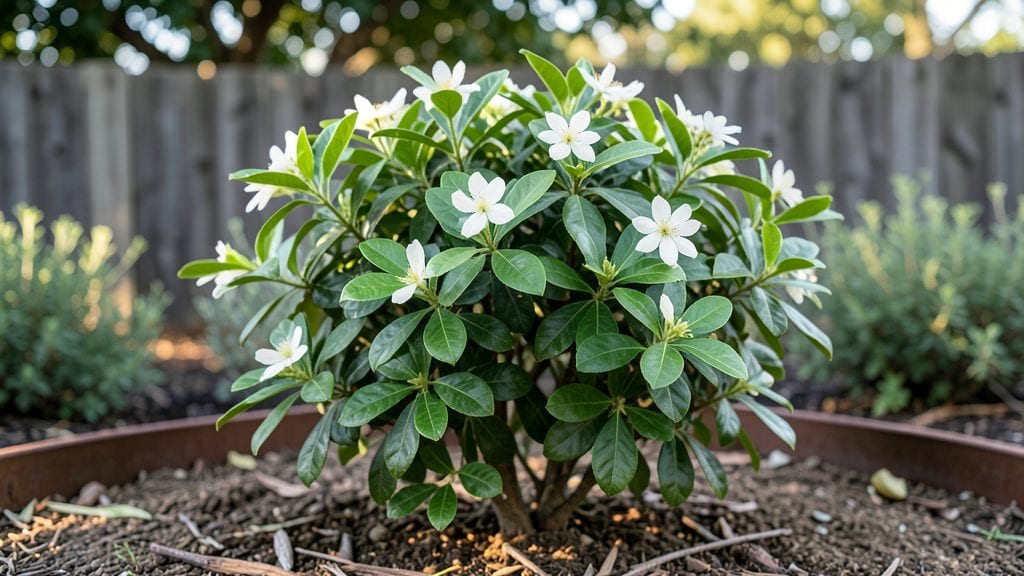
Reviving your Mexican orange flower (Choisya ternata) in just 6 weeks starts with understanding its love for sun, well-drained soil, and consistent care. 🌿 This evergreen shrub isn’t just fragrant—it’s a garden workhorse, thriving as a hedge, border plant, or standalone specimen with its glossy leaves and citrusy blooms.
The secret lies in matching its Mediterranean roots to your growing conditions, from watering routines to pruning timing.
My first attempt nearly failed when I overwatered it, but once I adjusted to its drought-tolerant nature, it exploded with growth. You’ll need full sun to partial shade, sandy loam soil, and occasional pruning to keep it bushy.
The flowers—tiny but intensely fragrant—appear in spring, but with the right care, you’ll get multiple blooming cycles throughout the year. Even in colder zones, it handles frost better than many ornamental shrubs.
By week 6, you’ll see lush, glossy foliage and the first wave of fragrant blossoms, transforming your garden into a sensory experience. The shrub’s compact growth habit makes it perfect for small spaces, while its disease resistance means fewer headaches than traditional flowering shrubs.
Whether you’re filling a gap in your landscape or creating a fragrant hedge, this plant delivers year-round interest with minimal fuss.
Works beautifully in USDA zones 7-10, though hardy varieties extend its range. For cooler climates, prioritize sheltered locations and mulch protection in winter. The key is consistency—once you nail the basics, this shrub rewards you with decades of low-maintenance beauty. Let’s get those blooms reviving!
📚 In This Guide
- What you need
- Instructions
- Tips and common mistakes
- Wrapping up and next steps
What you need
- ● Mexican orange flower plant: 1 healthy Choisya ternata plant (nursery-grown, 1–3 years old, 12–36 inches tall). Pro tip: Look for plants with green or pale yellow leaves and no signs of pests! 🐛✨
- ● OR 1 packet of Choisya ternata seeds (if starting from scratch). Note: Seed germination can take 4–8 weeks—patience is key! 🌱💡
- ● Well-draining potting mix: 1 bag (5–10 gallons) of cactus/succulent mix or a blend of 50% potting soil + 50% perlite/pumice.
- ● Container or garden bed: For potted plants: 1–2 containers (12–18 inches wide) with drainage holes. Material options: Terracotta, ceramic, or plastic.
- ● For garden planting: A sunny, sheltered spot with 6+ hours of sunlight daily.
- ● Pruning shears: 1 pair (sterilized with rubbing alcohol). Why? Clean cuts prevent disease! ➕🔪
- ● Gloves: 1 pair (gardening gloves to protect from thorns or soil).
- ● Watering can or hose: With a gentle spray nozzle (avoid overwatering!).
- ○ pH testing kit (optional): To check soil pH (ideal range: 6.0–7.0).
- ○ Mulch (optional): 1 bag of organic mulch (e.g., wood chips) to retain moisture.
- ● Climate: USDA Zones 7–11 (or indoor growing with grow lights).
- ● Water: Access to chlorine-free water (rainwater or filtered tap water).
- ● Time commitment: 10–15 minutes daily for watering/pruning + 6 weeks for revival.
Step-by-Step instructions for reviving Mexican orange flower (Choisya)
Here's how to coax vibrant blooms from your Mexican orange flower in just six weeks.
🌿 Step 1: Assess and Prune for Airflow
Start by examining your plant for dead or crowded branches. Mexican orange flowers thrive when they receive proper circulation, so I always begin with strategic pruning. Use clean, sharp pruning shears to cut back any dead wood or branches that are crossing each other—this opens the plant up and encourages new growth. Focus on removing branches that are growing inward or rubbing against others, as these can create wounds that invite disease.
Make your cuts just above a leaf node or bud, angled slightly away from the node. This ensures water runs off the cut and doesn’t pool, which can rot the stem. You’ll see the plant’s structure become more open and inviting within minutes. If your plant looks particularly leggy, don’t hesitate to trim back up to a third of the growth—this plant responds beautifully to rejuvenating cuts.
💧 Step 2: Refresh the Soil and Water Routine
Mexican orange flowers prefer well-draining soil that stays slightly moist but never soggy. I take a small trowel and gently loosen the top 2-3 inches of soil around the base of the plant, breaking up any compacted areas. This helps roots breathe and absorb water more efficiently. If your soil looks depleted or overly dense, mix in a handful of organic compost or aged manure to enrich it without overwhelming the plant.
Water deeply but infrequently—this plant despises wet feet. I water mine until water runs out the drainage hole at the bottom of the pot, then wait until the top 1-2 inches of soil feel dry to the touch before watering again. Overwatering is the quickest way to kill these beauties, so resist the urge to keep the soil constantly damp. You’ll know you’re on the right track when the leaves stay a vibrant green and the plant feels sturdy when you gently tug on it.
☀️ Step 3: Position for Optimal Sunlight
Mexican orange flowers adore sunlight but can handle a bit of shade, especially in the hottest part of the day. Find a spot where your plant gets at least 4-6 hours of direct sunlight daily. If your plant is currently in a shady corner, move it gradually over a week to avoid shocking it. Start with 2-3 hours of morning sun, then increase exposure by an hour each day until it’s in full sun.
If you’re growing in a container, rotate the pot a quarter turn every few days so the plant doesn’t lean toward the light. You’ll notice the leaves start to perk up and the stems grow straighter within a week. If your plant is indoors, place it near a south-facing window or supplement with a grow light for 12-14 hours a day. The key is consistency—these plants thrive on routine and will reward you with glossy, healthy foliage and eventually, those fragrant blooms.
✂️ Step 4: Fertilize for Bloom Revival
To encourage flowering, feed your Mexican orange flower with a balanced, water-soluble fertilizer (like a 10-10-10 or 20-20-20) every 4-6 weeks during the growing season. I mix the fertilizer at half-strength to avoid burning the roots, then water the plant thoroughly before applying it. This ensures the fertilizer reaches the roots without sitting on the soil surface.
Start fertilizing in early spring and continue until late summer, tapering off as temperatures drop. If your plant is in a pot, you’ll also want to flush the soil with plain water every few months to prevent salt buildup from the fertilizer. Watch for new growth—this is your sign that the plant is responding well. Within 6-8 weeks, you should see fresh, vibrant leaves and, if all goes well, those signature fragrant white blooms.
🌱 Step 5: Encourage Blooming with Pruning Tricks
To push your plant into flowering mode, give it a light pruning in late winter or early spring. Cut back any overly long or leggy stems by about a third, focusing on shaping the plant rather than drastically reducing its size. This stimulates new growth and sets the stage for blooming. Mexican orange flowers bloom on new wood, so encouraging fresh growth is key.
After pruning, keep the plant well-watered and in a sunny spot. You’ll see new shoots emerge within 2-3 weeks. Pinch back the tips of these new shoots when they reach about 4-6 inches tall to encourage bushier growth. This might seem counterintuitive, but it tricks the plant into focusing its energy on producing more branches—and more flowers. Within 6 weeks, you should see buds forming, leading to those fragrant blooms you’re after.
Tips & tricks for perfect Mexican orange flower revival
These practical tips will help you transform your Mexican orange flower into a fragrant bloomer in just six weeks.
Pruning Precision: When you're trimming in Step 1, look for branches that are crossing or growing inward—these are the ones to remove first. I always make my cuts just above a leaf node or bud, angled slightly away from it. This technique prevents water from pooling on the cut, which can lead to rot. Don't be afraid to trim up to a third of the leggy growth—this plant thrives when you give it a good haircut!
Soil Refresh Strategy: In Step 2, focus on loosening just the top 2-3 inches of soil—this is where the roots actively absorb nutrients. If your soil looks compacted, mix in a small amount of organic compost or aged manure. The key is to improve drainage without overwhelming the plant. I've found that a little goes a long way—too much organic matter can actually suffocate the roots.
Sunlight Transition: Moving your plant to full sun (Step 3) should be gradual. Start with just 2-3 hours of morning sun and increase exposure by an hour each day. This gradual approach prevents sunburn on the leaves. For indoor plants, supplement with a grow light for 12-14 hours daily—just make sure it's positioned about 6 inches above the plant for best results.
Fertilizer Timing: When applying fertilizer in Step 4, remember that less is more. I always mix it at half-strength to prevent root burn. The 4-6 week interval is perfect—this gives the plant time to absorb nutrients between feedings. Don't forget to flush the soil every few months with plain water to prevent salt buildup, which can actually harm your plant over time.
Pro Tips for Mexican Orange Flower
- These practical tips will help you transform your Mexican orange flower into a fragrant bloomer in just six weeks.
- Pruning Precision: When you're trimming in Step 1, look for branches that are crossing or growing inward—these are the ones to remove first.
- Soil Refresh Strategy: In Step 2, focus on loosening just the top 2-3 inches of soil—this is where the roots actively absorb nutrients.
Frequently asked questions
Got questions about reviving your Mexican orange flower (also known as Choyota or Citrus aurantium)? We’ve got answers! Here are some of the most common queries to help you bring these fragrant blooms back to life.
How do I know if my Mexican orange flower is truly dead or just dormant?
Check the wood for signs of life! Scratch the bark—if it’s green underneath, the plant may still be alive. Dormancy is common in citrus during winter, but if branches are brown and brittle with no green, it’s likely dead. Give it time (up to 6 weeks) before pruning dead growth.
Why isn’t my Mexican orange flower blooming after 6 weeks of care?
Citrus blooms need consistent sunlight (6+ hours/day) and mature age (3+ years). Over-fertilizing or sudden temperature drops can also delay flowers. Try hand-pollinating with a soft brush if flowers appear but don’t set fruit. Patience is key—some varieties bloom sporadically!
Can I revive a Mexican orange flower with only water and no soil?
Not long-term! While you can soak roots in water for 12–24 hours to rehydrate, the plant needs well-draining soil to thrive. If repotting, use a mix of cactus/succulent soil + perlite. Avoid soggy soil—root rot is a silent killer for citrus.
What’s a good alternative if my Mexican orange flower keeps dying?
Try these low-maintenance citrus alternatives:
- Calamondin orange – Hardy, compact, and blooms easily.
- Mexican lime (Key lime) – Drought-tolerant with fragrant flowers.
- Sour orange (Bigarade) – Cold-hardier than Mexican orange.
My leaves are yellow and falling off—what’s wrong?
Yellow leaves usually mean overwatering or nutrient deficiency. Let the soil dry 2–3 inches deep between waterings, and flush the pot with water to remove excess salts. Feed with a balanced citrus fertilizer (10-10-10) every 4–6 weeks in growing season.
Can I grow a Mexican orange flower indoors year-round?
Yes! Place it near a south-facing window or under grow lights (12+ hours/day). Keep temps between 60–80°F and avoid drafts. In winter, reduce watering—citrus prefers dry soil when dormant. A humidifier helps prevent leaf drop.
Wrapping up and next steps
The Mexican orange flower (also known as Chrysanthemum indicum) brings a burst of vibrant color and intoxicating fragrance to any garden—and you’ve got everything you need to grow it in just 6 weeks! 🌸 From selecting the right soil to mastering pruning techniques, this guide has equipped you with the knowledge to revive these fragrant blooms with confidence.
Whether you're a seasoned gardener or a curious beginner, the key is patience, consistency, and a little love.
Now that you’re inspired, take the next step—grab your tools, pick a sunny spot, and let the magic of these flowers transform your space! Share your progress or tips with fellow plant lovers, and watch your garden bloom with Mexican orange flower beauty. 🌿✨