
Planting
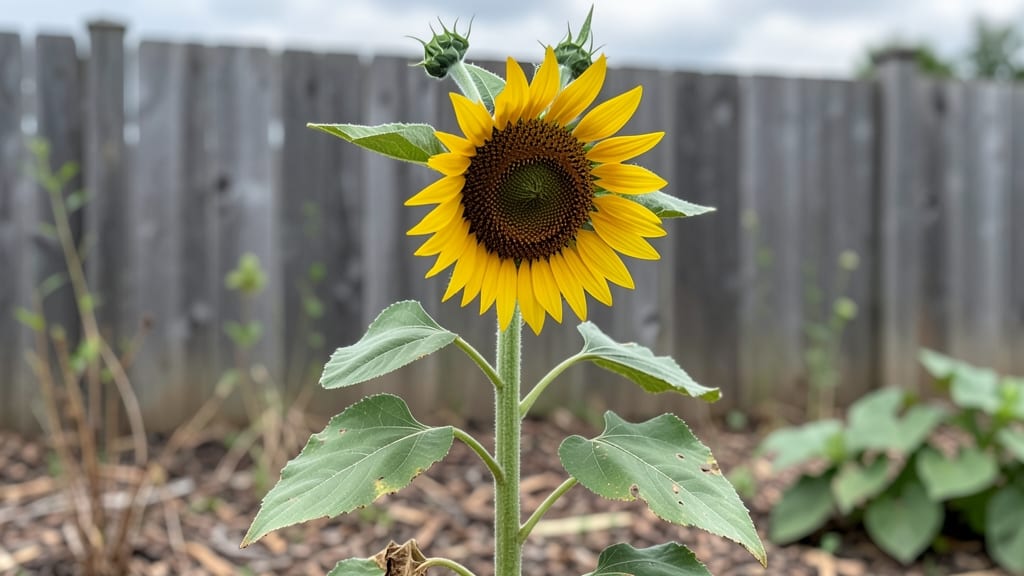
Mexican sunflower plant care starts with embracing its fiery blooms and water-wise nature—perfect for Pacific Northwest gardens where summer droughts test even the hardiest plants. 🌻 I’ve grown these sunflowers for years, and they’ve never failed to deliver that bold, tropical look without demanding constant attention.
The secret lies in their adaptability: they thrive in poor soil, need minimal water once established, and bloom from midsummer straight through fall.
These plants love full sun but tolerate partial shade, making them ideal for spots where other sunflowers would struggle. My 3-foot-tall plants in well-draining soil produce blooms that last weeks, even when other annuals wilt.
The key is avoiding soggy roots—Mexican sunflowers despise wet feet but bounce back from dry spells like nobody’s business. Prune spent blooms to encourage more flowers, and watch as they keep producing until frost.
You’ll end up with a garden that feels lush and vibrant without the fuss of constant watering or fussy soil prep. The deep orange blooms attract pollinators all season, and the foliage stays healthy even when temperatures climb.
Once you see how easy they are to grow, you’ll wonder why you didn’t add them years ago—they’re the perfect mix of beauty and resilience.
From coastal gardens to inland heat islands, these sunflowers adapt beautifully. Here’s how to keep them thriving through Pacific Northwest’s unpredictable summers and falls—no green thumb required, just a little patience and the right approach.
📚 In This Guide
- What you need
- Instructions
- Tips and common mistakes
- Wrapping up and next steps
What you need
- ● Mexican sunflower seeds or seedlings: 3–5 plants (for a small garden patch) or 10+ (for a bold display). Choose heirloom or drought-resistant varieties for best results.
- ● Well-draining soil: Mix 1 part native soil with 1 part compost (or potting mix for containers). Avoid heavy clay—amend with perlite or coarse sand if needed.
- ● Sunny spot: A location with 6+ hours of direct sunlight daily (even partial shade in hot summers helps!). Pacific Northwest’s mild climate works perfectly!
- ● Watering can or hose with a gentle spray nozzle: For deep but infrequent watering (1–2 gallons per plant, 2–3 times per week initially).
- ○ Mulch (optional but recommended): 2–3 inches of straw or wood chips to retain moisture and suppress weeds.
- ● Garden trowel or shovel: For digging holes 1.5x wider and deep as the root ball.
- ● Gloves (gardening or work gloves): To protect hands from thorny stems (yes, they’re prickly!).
- ● Pruning shears: For trimming dead blooms or shaping plants (sterilize with rubbing alcohol between cuts).
- ○ Stakes or cages (optional): Tall varieties (4–6 ft) may need light support in windy PNW areas.
- ○ pH testing kit (optional): Mexican sunflowers thrive in slightly acidic to neutral soil (pH 6.0–7.0).
- ● 🌡️ Heat lovers, but not fanatics: While they adore sun, avoid planting in reflective black soil—opt for lighter mulch to prevent overheating.
- ● 💧 Water smarter: Let soil dry 2–3 inches deep between waterings once established (they’re drought-tolerant but love a drink after blooming!).
- ● 🐝 Bee magnet: Skip pesticides—these flowers attract pollinators like crazy (and they’re non-toxic to pets!).
Step-by-Step guide to growing and maintaining Mexican sunflowers
These vibrant plants thrive with minimal fuss—here’s how to keep them blooming all season long.
🌱 Step 1: Plant in Well-Draining Soil with Full Sun
Mexican sunflowers love full sun—at least 6-8 hours daily. The Pacific Northwest’s partial shade won’t cut it; these plants need bright light to produce their bold, daisy-like blooms. Dig a hole twice as wide as the root ball but only as deep as the container it came in. The top of the root ball should sit slightly above ground level to prevent rot.
Use well-draining soil—these sunflowers hate soggy roots. If your garden soil is heavy clay, mix in 2-3 inches of compost to improve drainage. Gently press soil around the roots to remove air pockets, then water deeply to settle everything. You’ll know it’s right when water drains through the bottom within 10-15 minutes.
☀️ Step 2: Water Deeply but Infrequently
Here’s the thing—Mexican sunflowers are drought-tolerant, but they need deep watering to establish roots. Water once a week during the first month, soaking the soil to a depth of 6-8 inches. After that, water every 10-14 days, or when the top 2 inches of soil feel dry. Overwatering is the fastest way to kill these plants; they’ll wilt dramatically but bounce back once soil dries out.
Check moisture by sticking your finger into the soil. If it feels damp 1 inch down, wait a few more days. Mulch around the base with 2-3 inches of organic mulch (like straw or wood chips) to retain moisture and keep roots cool. This is especially important in hot summer afternoons.
✂️ Step 3: Deadhead and Prune for Longer Blooms
To encourage more flowers, deadhead spent blooms by snipping off the faded flower head with clean pruners. Cut just above the next set of leaves or side bud—this redirects the plant’s energy into new growth instead of seed production. I like to do this every 2-3 weeks during peak bloom season (late summer to fall).
If your sunflower grows leggy or top-heavy, prune the stem just above a strong set of leaves to encourage bushier growth. This is most effective in early summer before the plant puts all its energy into flowering. Never prune more than 1/3 of the plant at once—these sunflowers are resilient but not indestructible.
🌿 Step 4: Fertilize Lightly for Vibrant Blooms
Mexican sunflowers aren’t heavy feeders, but a little fertilizer boosts their color and longevity. Use a balanced, slow-release fertilizer (like 10-10-10) at planting time, following package instructions. In mid-summer, apply a low-nitrogen, high-phosphorus fertilizer (like 5-10-5) to encourage more blooms. Too much nitrogen makes them grow leaves instead of flowers.
I skip fertilizing after early fall—these plants naturally slow down as temperatures drop. If you notice yellowing leaves, it’s usually a sign of over-fertilizing. Flush the soil with water to leach out excess salts, then reduce or stop fertilizing until spring.
⏰ Step 5: Prepare for Winter and Next Season
Mexican sunflowers are annuals, so they’ll die back with the first frost. Before winter, cut back the stems to 2-3 inches above the ground and compost the debris. This keeps your garden tidy and prevents disease from overwintering in dead plant matter. If you’re in a mild Pacific Northwest winter, you might see new growth in early spring—just give it time.
In early spring, add a 2-inch layer of compost around the planting area to replenish nutrients. These sunflowers grow fast, so they’ll appreciate the extra food. If you’re starting from seed, plant them ¼ inch deep after the last frost date—germination happens quickly in warm soil.
Tips & tricks for perfect Mexican sunflower plant care
These simple tricks will help you keep your drought-tolerant Mexican sunflowers thriving with minimal effort—especially in the Pacific Northwest's unique climate.
Location is Everything: In Step 1, don't settle for just "full sun"—these sunflowers need the absolute brightest spot you can find. If your garden has partial shade areas, place them where they get sun for at least 6-8 hours daily, even if it means moving them to a different location as the sun's position changes throughout the day. I've seen them struggle in spots that get morning sun but afternoon shade, so prioritize southern exposures when possible.
Soil Test First: Before planting, do a quick soil test by digging a small hole and filling it with water. If water drains within 10-15 minutes as mentioned in Step 1, your soil is ready. If it pools or drains very slowly, mix in 2-3 inches of compost and consider adding perlite or sand to improve drainage. I've learned the hard way that soggy roots will kill these sunflowers faster than drought—don't skip this prep step!
Watering Wisdom: The 10-14 day watering schedule in Step 2 works perfectly in normal conditions, but adjust for your specific climate. In hot Pacific Northwest summers, you might need to water every 7-10 days instead. The key is always checking that top 2 inches of soil)—if it's dry, it's time to water. I use a moisture meter for accuracy, but even sticking your finger in works if you're consistent.
Deadheading Timing: For continuous blooms, stick to the 2-3 week deadheading schedule in Step 3, but be strategic about when you do it. Remove faded blooms in the morning when the plant is fully hydrated—this gives the plant all day to redirect energy. I've noticed that deadheading right before a heatwave can stress the plant, so save it for cooler days when possible.
Pro Tips for Mexican Sunflower Plant Care
- These simple tricks will help you keep your drought-tolerant Mexican sunflowers thriving with minimal effort—especially in the Pacific Northwest's unique climate.
- Location is Everything: In Step 1, don't settle for just "full sun"—these sunflowers need the absolute brightest spot you can find.
- Soil Test First: Before planting, do a quick soil test by digging a small hole and filling it with water.
Frequently asked questions
Got questions about growing Mexican sunflowers (Tithonia rotundifolia) in your Pacific Northwest garden? You’re not alone! Here are some of the most common concerns—and their easy solutions—to help you keep your plants thriving with minimal fuss.
How fast do Mexican sunflowers grow?
These sun-loving beauties grow fast—expect 1–2 feet of height in just 4–6 weeks under ideal conditions! With warm soil and full sun, they can reach their mature 6–10 foot height in about 3–4 months. In cooler PNW summers, growth may slow slightly, but they’ll still reward you with vibrant blooms.
Can Mexican sunflowers survive winter in the Pacific Northwest?
Unfortunately, no—this tropical plant is not cold-hardy (USDA zones 9–11). If frost threatens, cut back the plant and mulch the base, but it won’t regrow. For year-round color, treat it as an annual or grow it in containers to move indoors during winter. Pro tip: Start seeds indoors in late winter for an early spring jumpstart!
Why are my Mexican sunflower leaves turning yellow?
Yellow leaves usually signal overwatering or poor drainage. These drought-tolerant plants prefer dry soil—water deeply once a week (or when the top 2 inches are dry) and avoid soggy roots. If your soil is heavy clay (common in the PNW), amend it with compost or sand to improve airflow. Check for pests: Spider mites or aphids can also cause yellowing—spray with water or neem oil if needed.
Are Mexican sunflowers good for pollinators?
Absolutely!
Their bright orange blooms are a magnet for bees, butterflies, and hummingbirds—especially in late summer when other flowers fade. Plant them near your veggie garden to boost pollination for tomatoes, peppers, and squash. Bonus: They’re also deer-resistant, making them a low-maintenance PNW favorite.
What can I plant alongside Mexican sunflowers?
Pair them with companion plants that love similar conditions:
- Drought-tolerant perennials: Lavender, Russian sage, or yarrow
- Edible pals: Basil, marigolds (repel pests), or nasturtiums
- Avoid: Heavy feeders like tomatoes or peppers—they’ll compete for nutrients.
Can I grow Mexican sunflowers from cuttings or seeds?
Seeds are the easiest way—sow directly in spring after the last frost (or start indoors 4–6 weeks early). Cuttings are tricky because the plant doesn’t root easily from stems. If you try, use a rooting hormone and keep the cutting in warm, humid conditions. Pro move: Save seeds from your plants for next year—they’re viable for years if stored dry!
Wrapping up and next steps
Caring for a Mexican sunflower (Tithonia rotundifolia) is a rewarding way to add vibrant color and drought resistance to your Pacific Northwest garden! With just a few key steps—like well-draining soil, minimal watering, and occasional pruning—you’ll enjoy stunning blooms all season long. 🌻
Ready to transform your space? Start by planting one (or a few!) this spring or summer, and watch your garden thrive with minimal effort. Happy gardening! 🌱