
Flowers
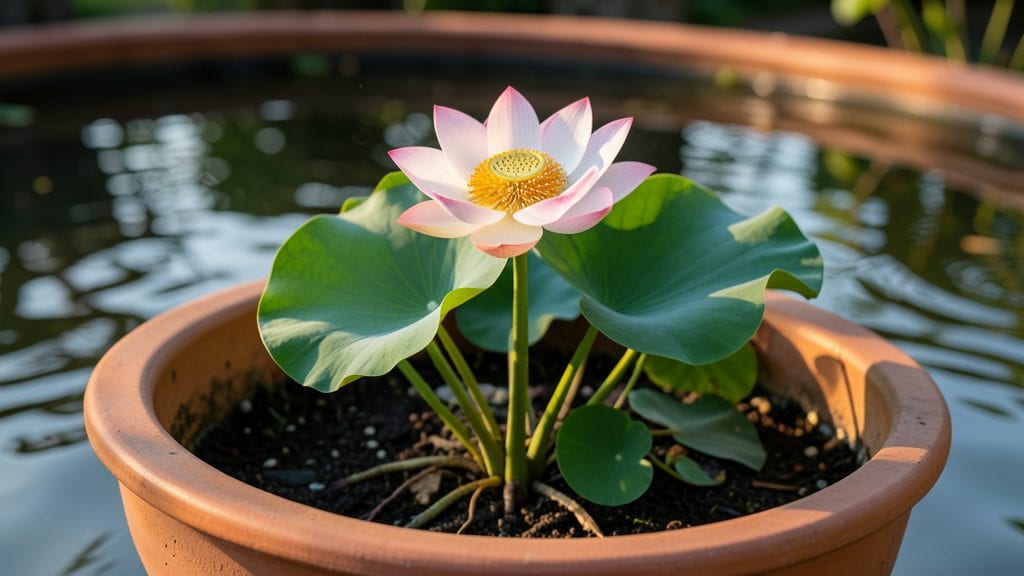
Miniature lotus flowers bring the serene elegance of a water garden to any space—whether you have a pond, a large container, or just a sunny spot by the patio. 🌸 These tiny powerhouses (Nelumbo nucifera or Nelumbo lutea dwarfs) pack all the drama of their full-sized cousins into a fraction of the footprint, with blooms as delicate as a watercolor painting.
The secret lies in their simplicity: they thrive in shallow water, love warmth, and reward patience with blooms that last from summer through fall—and sometimes even winter in warmer climates.
You’ll need just three things to get started: a container or pond with 6–12 inches of water, nutrient-rich soil (or a pre-planted aquatic basket), and a spot that gets full sun for at least 6 hours a day.
Miniature lotuses aren’t fussy about soil—just make sure it’s well-draining and amended with compost to keep those roots happy.
Unlike their high-maintenance relatives, these little lotuses handle cooler water better and bloom prolifically even in containers as small as 15-gallon pots, making them perfect for urban gardens or small backyards.
Imagine waking up to pink, white, or yellow blooms floating above the water’s surface, their petals unfolding like nature’s own origami. They’ll start sending up their signature round leaves in early summer, with the first blooms appearing in late July or August, and continue until frost.
The best part? They self-clean—fallen petals and debris simply sink to the bottom, leaving your water crystal clear. Even in containers, they’ll outperform most aquatic plants, as long as you keep the water level consistent and fertilize lightly every few weeks.
Whether you’re a beginner testing the waters (literally) or a seasoned pond keeper looking to add drama, these lotuses deliver low-maintenance beauty with high impact.
They’re also surprisingly adaptable—try them in a half-barrel planter for a modern look or sink a pot into your pond’s edge for a natural spillover effect.
The key is patience: it takes about two years for mature plants to really hit their stride, but once they do, they’ll reward you with blooms that turn heads and calm the soul.
📚 In This Guide
- What you need
- Instructions
- Tips and common mistakes
- Wrapping up and next steps
What you need
- ● Miniature lotus tubers: 3–5 (choose Nelumbo nucifera or Nelumbo lutea varieties, 2–4 inches in diameter).
- ● Growing medium: For ponds/outdoor water: 1–2 inches of aquatic soil or sand mixed with compost (1:1 ratio).
- ● For containers: Well-draining potting mix (e.g., 60% peat moss, 30% perlite, 10% compost).
- ● Water source: For ponds: Stagnant or slow-moving water (6–12 inches deep).
- ● For containers: Shallow tray or pot with 3–4 inches of water (add aquarium gravel at the bottom for stability).
- ○ Fertilizer: Slow-release aquatic fertilizer (e.g., Osmocote Smart-Release) or liquid seaweed extract (optional but recommended).
- ● Gloves (nitrile or garden gloves for handling tubers).
- ● Trowel or small shovel (for planting).
- ● Measuring cup (for mixing soil/fertilizer ratios).
- ○ Water testing kit (optional, to monitor pH—ideal range: 6.0–7.5).
- ○ Decorative stones or pebbles (optional, for pond aesthetics).
- ○ Grow light (optional for indoor setups; 12–14 hours/day of bright light).
- ● Sunlight: Full sun (6+ hours/day)—outdoor ponds or a south-facing window for containers.
- ● Temperature: Warmth (70–85°F) for active growth (tubers need dormancy in winter if temps drop below 50°F).
- ● Patience: 3–6 months for first blooms (miniature varieties may flower faster!).
Step-by-Step instructions for growing miniature lotus flowers
Here's how I cultivate these delicate beauties—whether in a container or pond—with minimal fuss.
🪴 Step 1: Select the Right Container or Pond
Miniature lotuses thrive in 6-12 inches of water depth, so choose a container with at least 12-inch depth if growing indoors or in a small water feature. For ponds, select a spot with 3-4 feet of water to accommodate their rhizomes. I prefer unglazed ceramic pots for containers because they allow water to seep through, preventing root rot—a common killer of lotuses.
Place a layer of gravel or small rocks at the bottom of the container to anchor the rhizome and prevent it from floating. This also mimics their natural muddy riverbed habitat. If using a pond, choose a location with partial shade—direct sun can scorch delicate leaves, while too little light stunts blooms. You'll know you've picked the right spot when the water stays calm and warm (ideal temperature: 70-85°F).
🌱 Step 2: Plant the Rhizome Correctly
Miniature lotus rhizomes have eyes (buds) that need light exposure to sprout. Plant the rhizome horizontally, partially submerged with 2-3 eyes above water and the rest below. Use aquatic planting pins or small stones to secure it in place—this prevents it from shifting as water levels fluctuate. I like to bury the rhizome in 2-3 inches of soil or gravel at the bottom to stabilize it further.
Don’t cover the eyes completely—they’ll rot if buried. Instead, position them so they’re just below the water’s surface. Over time, new shoots will emerge from these buds, and you’ll see tiny green leaves breaking through within 4-6 weeks. If you notice yellowing leaves, it’s a sign the rhizome isn’t getting enough light or the water’s too cold.
☀️ Step 3: Provide Consistent Light and Warmth
Miniature lotuses demand 6-8 hours of direct sunlight daily—they’re not shade-tolerant like their larger counterparts. In containers, place them near a south-facing window or under a grow light if indoors. If outdoors, ensure the water stays warm (use a pond heater in cooler climates). Cold water stalls growth entirely.
Watch for pale or leggy growth—this means your lotus isn’t getting enough light. Adjust the position or supplement with a LED grow light kept 12-18 inches above the container. You’ll know the light is perfect when leaves are deep green and compact, not stretched or weak. In summer, you might even see buds forming after just 8-10 weeks of proper care.
💧 Step 4: Maintain Water Quality and Fertility
Stagnant water breeds algae and bacteria, which can smother lotus roots. Change 20-30% of the water weekly in containers, or use a small fountain to keep it circulating in ponds. I add a handful of aquatic plant fertilizer (like Epsom salt or fish emulsion) every 4-6 weeks to encourage blooms. Over-fertilizing causes excessive leaf growth at the expense of flowers, so moderation is key.
Keep an eye out for floating debris—lotuses hate competition. Remove any algae or duckweed immediately, as it blocks sunlight and depletes oxygen. If the water smells foul, it’s time for a full water change. Healthy lotuses have crisp, upright leaves and no visible pests—a sign your water’s balanced.
✂️ Step 5: Prune and Encourage More Blooms
After blooms fade, snip the spent flower stems just above the first set of leaves to redirect energy into new growth. This prevents the plant from wasting resources on seed production. I also trim any yellow or damaged leaves with clean bypass pruners to keep the plant tidy and disease-free.
In late fall, if you’re in a cold climate, lift the rhizome from containers and store it in a cool, dark place with moist peat moss until spring. Pond lotuses in warmer zones can stay year-round, but they’ll go dormant in winter—just wait until new shoots emerge in spring before adjusting care. With patience, your miniature lotus will reward you with dozens of blooms by its second season.
Tips & tricks for perfect miniature lotus cultivation
These subtle but game-changing insights will help you coax those delicate blooms into thriving year-round—whether in a container or pond.
Rhizome Placement Precision: The 2-3 eyes above water in Step 2 are non-negotiable for sprouting. I've found that positioning them just below the surface—where light can filter through but they're not fully exposed—creates the perfect balance. Use a small stone to gently weigh down each eye without burying it completely. This mimics their natural riverbed environment where sunlight reaches them indirectly.
Lighting Strategy for Containers: When supplementing with grow lights in Step 3, I recommend a 12-hour light cycle (6 hours on, 6 hours off) to mimic natural daylight patterns. Place the LED grow light 12-18 inches above the container, but angle it slightly to avoid direct downward light that can scorch leaves. Rotate the container every 2-3 days for even growth—this prevents leggy stems that signal insufficient light exposure.
Water Temperature Troubleshooting: The 70-85°F range in Step 1 is critical, but achieving this in cooler climates requires strategy. For containers, I use a small submersible heater (set to 75°F) during spring and fall. In ponds, position your lotus near the warmest, sunniest section where water circulates naturally. Cold water below 65°F will stall growth entirely—watch for slow leaf emergence as your first warning sign.
Fertilizer Timing: The 4-6 week fertilizer schedule in Step 4 works best when timed with new growth. I add a pinch of Epsom salt (about 1 teaspoon per gallon) every 3 weeks during active growing season (spring through early fall). Reduce to every 6 weeks in winter when growth slows. Over-fertilizing causes explosive leaf growth at the expense of blooms, which is why moderation is key—think of it as giving your lotus a gentle nudge rather than a heavy dose.
Pro Tips for Miniature Lotus Flower
- These subtle but game-changing insights will help you coax those delicate blooms into thriving year-round—whether in a container or pond.
- Rhizome Placement Precision: The 2-3 eyes above water in Step 2 are non-negotiable for sprouting.
- Lighting Strategy for Containers: When supplementing with grow lights in Step 3, I recommend a 12-hour light cycle (6 hours on, 6 hours off) to mimic natural daylight patterns.
Frequently asked questions
Got questions about growing or caring for miniature lotus flowers? You're not alone! Here are some of the most common queries—and their answers—to help you cultivate these delicate beauties with confidence.
How long does it take for miniature lotus flowers to bloom?
Miniature lotus flowers typically take 3–5 months to bloom after planting, depending on water temperature and sunlight. In warmer climates (70°F+), they may flower faster, while cooler water can delay blooming. Patience is key—once established, they often reward you with months of vibrant blooms!
Can miniature lotus flowers grow in containers instead of ponds?
Miniature lotus varieties like Nelumbo nucifera 'Mini Star' thrive in large containers (15+ gallons) with at least 12 inches of water depth. Use a pond liner or heavy-duty pot to prevent leaks, and ensure the container has drainage holes. Just mimic their natural habitat—sunlight, still water, and space to spread.
Do miniature lotus flowers survive winter?
Most miniature lotus tubers are hardy to USDA Zone 7+ but need protection in colder climates. In freezing temps (<32°F), lift tubers and store them in dry peat moss or sand at 40–50°F until spring. If left in water, use a pond heater or thick mulch to insulate roots. Pro tip: Drain water levels in containers before winter!
What pests or diseases should I watch for?
Miniature lotuses are generally low-maintenance, but keep an eye out for:
- Aphids or snails—Use neem oil or copper barriers to deter them.
- Fungal issues (like leaf spot)—Ensure good airflow and avoid overcrowding.
- Root rot—Prevent with clean water changes and well-draining soil.
If leaves yellow or wilt, it’s often a sign of nutrient deficiency or poor water quality. Test your water regularly!
Can I grow miniature lotus flowers indoors?
While possible with grow lights and a humidity tray, miniature lotuses are best suited for outdoor ponds or containers. They need 6+ hours of direct sunlight daily and warm water (68–86°F), which are hard to replicate indoors. If you’re set on indoor growth, a sunroom or greenhouse with a pond setup is your best bet!
Wrapping up and next steps
Miniature lotus flowers bring a touch of serene elegance to any space, whether in a cozy container or a tranquil pond.
Their delicate beauty and low-maintenance nature make them a perfect addition for gardeners of all levels—now’s the time to dive in and create your own little oasis! 🌸 Start small with a single pot or expand your aquatic haven; either way, the rewards are endless. Grab your tools, get growing, and enjoy the magic of these tiny blooms year-round!
- Next step: Pick your favorite miniature lotus variety and begin planning your setup today!
- Pro tip: Share your progress with fellow plant lovers—inspiration spreads like wildfire! ✨