Fertilization
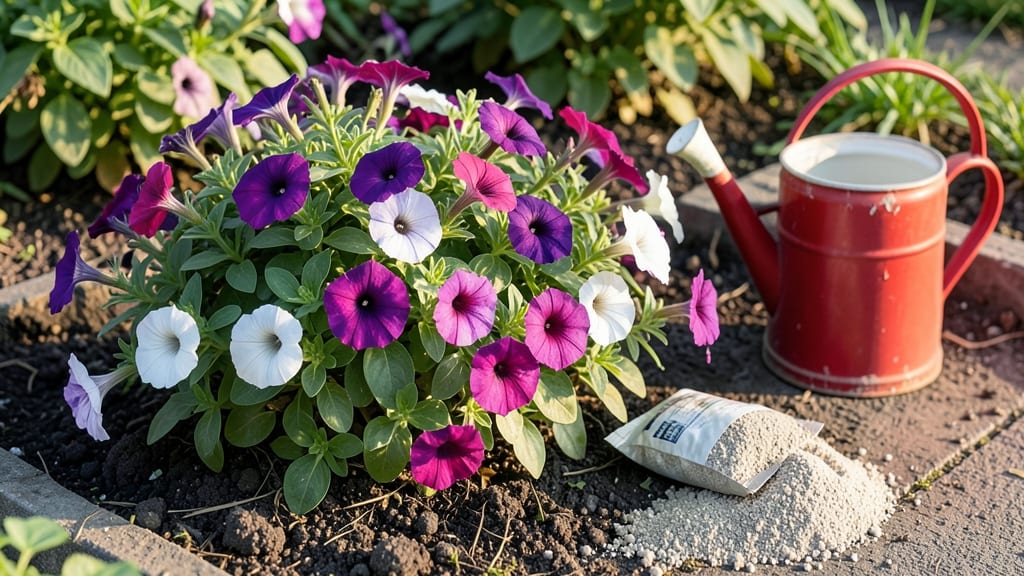
Miracle-Gro for flowers is the secret weapon behind my neighbor-jealousy-level blooms—even in my rocky soil. 🌸 The first time I used it, my impatiens went from sparse stems to a burst of color within weeks, and my roses kept flowering until frost.
It’s not magic, but it’s close to it when you follow the right steps.
You’ll need the Miracle-Gro All Purpose Garden Plant Food, a watering can, gloves, and a sunny spot for your flowers. Annuals like petunias and marigolds respond fastest, but perennials like daylilies and coneflowers thrive too.
The key is consistency—feed every 2 weeks during growing season, and you’ll skip the guesswork of organic amendments.
What you’ll get is longer stems, bigger blooms, and flowers that last. My zinnias now produce double the usual blooms, and my hydrangeas stay vibrant through summer heat.
The best part? No more wilting from nutrient stress or pale leaves from poor soil. Just feed, water, and watch your garden transform.
Works for containers, beds, and even houseplants—just halve the dose for potted flowers. For organic gardeners, I’ll show you how to blend chemical and natural methods without sacrificing results. Let’s get those blooms popping!
📚 In This Guide
- What you need
- Instructions
- Tips and common mistakes
- Wrapping up and next steps
What you need
- ● Miracle-Gro® All-Purpose Plant Food (Flowers): 1 10-12 lb. bag (covers ~100 sq. ft.)
- ● OR 1 8 lb. bag (covers ~50 sq. ft.) for smaller gardens
- ● Garden gloves (nitrile or leather for durability)
- ● Watering can or hose with a spray nozzle (for even distribution)
- ● Measuring scoop or spoon (included in most Miracle-Gro bags)
- ○ Pruners or shears (for trimming dead blooms, optional but helpful)
- ● Slow-release fertilizer granules (for long-lasting nutrients)
- ● Epsom salt (1 tbsp per gallon of water for magnesium boost)
- ● pH testing kit (to ensure soil is in the 6.0–7.0 range for flowers)
- ● Mulch (to retain moisture and regulate soil temp)
- ● Rain gauge or moisture meter (for precise watering)
Step-by-Step instructions for feeding flowers with Miracle Gro
Here’s how to use Miracle Gro for flowers to keep your blooms vibrant all season long.
🌿 Step 1: Choose the Right Miracle Gro Formula for Your Flowers
Miracle Gro offers specialized formulas for different flower types. For annuals and perennials, use Miracle Gro All Purpose Plant Food—it’s balanced with 24-8-16 NPK (nitrogen, phosphorus, potassium) to support both foliage and blooms. For houseplants and flowering tropicals, opt for Miracle Gro Indoor Plant Food (15-30-15 NPK), which has higher phosphorus to encourage flowering.
Check the label for your specific flower type—some varieties, like roses or orchids, benefit from Miracle Gro Bloom Booster (10-30-20 NPK) for extra phosphorus. I always double-check the formula because using the wrong one can lead to lush leaves but few flowers. If you’re unsure, start with the All Purpose version—it’s the most versatile.
💧 Step 2: Prepare the Soil and Dilute the Fertilizer
Before applying Miracle Gro, ensure your soil is moist but not soggy. Dry soil can burn roots when fertilizer concentrates, while overly wet soil dilutes nutrients before plants absorb them. Water your flowers 24 hours before feeding to give the soil time to settle and avoid shocking the roots.
Mix the Miracle Gro concentrate with water according to the label instructions—typically 1 tablespoon per gallon of water for most formulas. For newly planted flowers or sensitive varieties, halve the dose to prevent root burn. I like to use a clean spray bottle or watering can to apply the diluted solution evenly, avoiding direct leaf contact, which can cause chemical burns.
☀️ Step 3: Apply Fertilizer at the Right Time and Frequency
Feed your flowers every 2-4 weeks during the growing season (spring through fall). In winter, reduce feeding to once every 6-8 weeks—most flowers enter dormancy and don’t need as much nutrition. Always apply fertilizer in the morning so the roots have time to absorb nutrients before evening temperatures drop.
Water the soil thoroughly before applying Miracle Gro to help distribute the nutrients evenly. After feeding, give the plants another light watering to rinse any residue from the soil surface. I set a reminder on my phone for feeding days because consistency is key—skipping doses can lead to weak blooms or leggy growth.
🌱 Step 4: Monitor for Signs of Over- or Under-Feeding
Healthy flowers fed with Miracle Gro will show deep green leaves, strong stems, and abundant blooms. If you notice yellowing leaves, it could mean overwatering or excess salt buildup from fertilizer. Flush the soil with plain water to rinse out accumulated salts. If leaves turn brown or crispy, you’ve likely over-fertilized—stop feeding and water deeply to dilute the soil.
On the other hand, pale or slow-growing plants signal under-feeding. Increase the frequency of applications or switch to a higher-phosphorus formula like Miracle Gro Bloom Booster. I keep a small notebook by my garden to track feeding dates and plant responses—it helps me adjust quickly if something looks off.
⏰ Step 5: Transition to Seasonal Care for Year-Round Blooms
As seasons change, adjust your Miracle Gro routine. In early spring, resume biweekly feedings to kickstart growth after winter dormancy. In late summer, switch to a lower-nitrogen formula (like Miracle Gro Shake ‘n Feed) to encourage fall blooms instead of leafy growth. For winter, reduce feeding to once every 6-8 weeks or pause entirely if your climate is cold.
Before the first frost, give your perennials a final feeding with Miracle Gro Bloom Booster to strengthen roots for next year. Mulch around the base with 2-3 inches of organic mulch (like shredded bark) to insulate roots and retain moisture. I always mark the feeding schedule on my garden calendar so I don’t miss the seasonal shifts—it’s the secret to year-round blooms without guesswork.
Tips & tricks for perfect flower feeding with Miracle Gro
The secret to vibrant blooms lies in the details—here's how to maximize Miracle Gro's potential while avoiding common pitfalls.
Formula Selection: The NPK ratio is everything! For annuals and perennials, stick with the 24-8-16 All Purpose formula as specified in Step 1—this balance supports both foliage and blooms perfectly. For flowering tropicals, the 15-30-15 Indoor formula provides that extra phosphorus push for more abundant flowers. I keep a small chart near my garden to match flower types with formulas, which prevents the classic mistake of getting lush leaves but sparse blooms.
Soil Preparation: That 24-hour pre-watering in Step 2 isn't just about moisture—it's about creating the perfect environment for nutrient absorption. Use your finger to check soil moisture: it should feel like a damp sponge, not a dripping wet rag. For container plants, I find watering from the bottom (placing pots in a tray of water for 10 minutes) gives even more consistent moisture distribution than surface watering.
Seasonal Adjustments: The 2-4 week feeding schedule in Step 3 works perfectly for spring and summer, but fall and winter require different approaches. In late summer, I switch to Miracle Gro Shake 'n Feed's lower nitrogen formula to encourage fall blooms rather than leafy growth. For winter, I mark my calendar with the 6-8 week feeding reminder—this seasonal adjustment is what transforms good gardens into showstopping year-round displays.
Troubleshooting Guide: When you see those yellowing leaves in Step 4, don't panic—it's usually a salt buildup warning. I've found that flushing the soil with plain water (about 2 gallons per plant) for 15 minutes does the trick. For brown, crispy leaves, the solution is simpler: stop feeding immediately and water deeply to dilute the fertilizer concentration. These visual cues are your garden's way of communicating what it needs!
Pro Tips for Miracle Gro For Flowers
- The secret to vibrant blooms lies in the details—here's how to maximize Miracle Gro's potential while avoiding common pitfalls.
- Formula Selection: The NPK ratio is everything!
- Soil Preparation: That 24-hour pre-watering in Step 2 isn't just about moisture—it's about creating the perfect environment for nutrient absorption.
Frequently asked questions
Got questions about using Miracle-Gro for Flowers to keep your blooms vibrant? Here are some of the most common ones—plus quick, easy answers to help you garden with confidence!
How often should I use Miracle-Gro for Flowers?
For best results, feed your flowering plants every 2 weeks during the growing season (spring to fall). In winter, reduce to once a month or pause if plants are dormant. Always water thoroughly before and after applying to avoid root burn.
Can I use Miracle-Gro for Flowers on houseplants?
While Miracle-Gro for Flowers is safe for many houseplants, it’s not ideal for all. Use it half-strength and sparingly (every 4-6 weeks) for tropical plants like ferns or calatheas. For succulents or cacti, skip it—these thrive on minimal feeding and can burn easily.
What if my flowers stop blooming after using Miracle-Gro?
Overfeeding or using too much nitrogen can lead to lush foliage but fewer flowers. Switch to a bloom-boosting formula (like a 5-10-5 ratio) or dilute Miracle-Gro to ¼ strength. Also, check for pests or stress—healthy roots and sunlight are key!
Is Miracle-Gro for Flowers better than organic fertilizers?
It depends on your priorities! Miracle-Gro delivers fast, soluble nutrients for quick blooms, while organic options (like compost or fish emulsion) improve soil long-term. For container gardens, Miracle-Gro is convenient; for veggie gardens, organic may be safer. Mix both for balanced results!
What should I do if I overapply Miracle-Gro?
Don’t panic! Flush the soil immediately with water to dilute excess salts. Stop feeding for 2-4 weeks and monitor plants. Yellowing leaves or wilting? Prune damaged growth and repot if needed. Prevention tip: Always follow label instructions and test soil moisture first.
Wrapping up and next steps
Transforming your garden into a vibrant, year-round paradise with Miracle-Gro for flowers is simpler than you think!
With the right blend of nutrients, timing, and care, you’ll enjoy lush blooms that steal the show. 🌸 Whether you’re a seasoned gardener or just starting out, consistency and attention to detail are your best allies.
Ready to take the next step? Start small—pick one plant or flowerbed, apply your newfound knowledge, and watch your garden flourish! And don’t forget to share your progress with fellow plant lovers—inspiration spreads like wildfire! 🌱