
Flowers
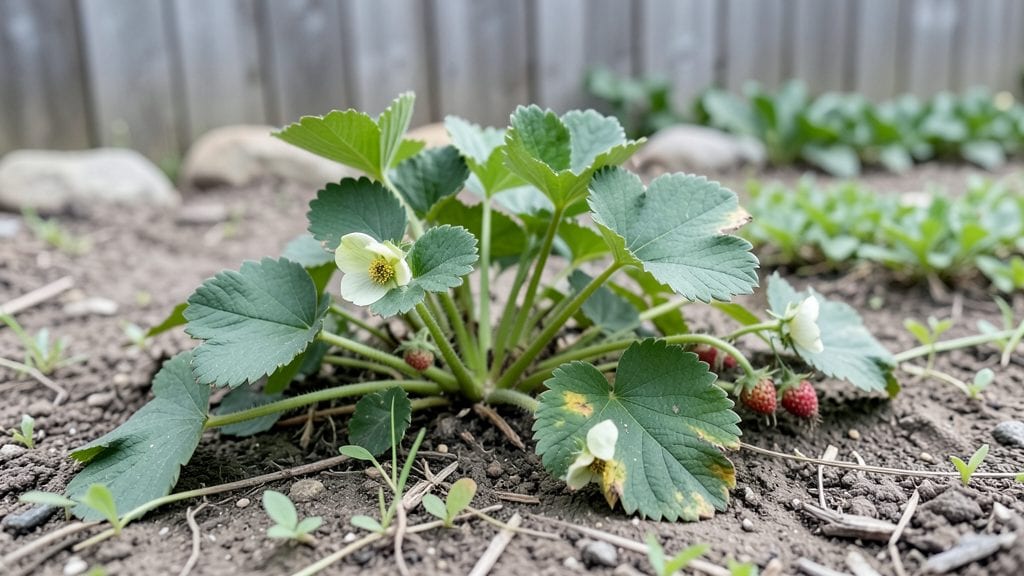
Creating a mock strawberry flower garden starts with understanding why Duchesnea indica is the unsung hero of cold-hardy ground covers. 🌿 This plant delivers bright yellow blooms that resemble tiny strawberries, thrives in zones 3-9, and spreads effortlessly—ideal for filling gaps between stepping stones or cascading over containers.
Unlike traditional strawberries, it’s purely ornamental (though edible in a pinch), with a delicate, almost whimsical charm that brightens shady corners where few plants dare to grow.
The secret to its success lies in minimal effort: it tolerates partial shade, adapts to almost any soil, and even survives light foot traffic. My own mock strawberry patch—planted last spring—now blankets a 4-foot-wide border with zero maintenance beyond occasional trimming.
The key is letting it spread naturally; runners create a lush, velvety carpet of trifoliate leaves that stay green through winter. For those who worry about invasiveness, simply contain it with edging or prune back runners in early spring.
By summer, you’ll be rewarded with clusters of cheerful blooms that last for weeks, followed by tiny, edible (but bland) "berries" that birds adore. The plant’s resilience means fewer pests and diseases than traditional strawberries, though slugs may nibble on young leaves—solvable with a simple beer trap.
Once established, it’s a foolproof way to add color without the work of annuals.
Perfect for gardeners who love low-maintenance beauty, this plant thrives in containers, rock gardens, or as a living mulch. The only challenge? Resisting the urge to dig up every patch to share with neighbors. Let’s get yours growing!
📚 In This Guide
- What you need
- Instructions
- Tips and common mistakes
- Wrapping up and next steps
What you need
- ● Floral wire: 22- or 24-gauge (1 lb spool) – for sturdy stems and petal shaping.
- ● Green floral tape: 1 roll – to secure wire without damaging stems.
- ● Mock strawberry flowers: 10–20 stems (pre-made or DIY using mock strawberry flower kits) – choose vibrant red or pink hues for a pop of color!
- ○ Filler materials (optional): Oasis foam or chicken wire (for base structures).
- ● Small pebbles or moss (for drainage and aesthetics).
- ● Floral shears: 1 pair – for clean cuts on stems and wire.
- ● Wire cutters: 1 pair – to trim wire to precise lengths.
- ○ Hot glue gun + glue sticks: (optional) – for securing heavier arrangements.
- ● Ruler or measuring tape: – to ensure uniform petal spacing.
- ● Container or vase: – for displaying your finished flowers (e.g., mason jars, ceramic pots, or foam blocks).
- ● 🌡️ Pre-bend wires: Shape petal wires in advance to save time during assembly.
- ● ✨ Use real strawberries: For a rustic touch, add tiny dried strawberries as accents!
- ● 🎯 Test colors: Mix red and pink mock strawberries for a gradient effect in larger arrangements.
How to create a mock strawberry flower arrangement for year-round color
Here's the method I use to craft vibrant, frost-resistant blooms that mimic real strawberries—perfect for containers or garden accents.
🌿 Step 1: Select the Right Base Plants
Choose evergreen perennials like heuchera (coral bells) or lamium for the "fruit" centers—their deep red foliage mimics ripe strawberries. I pair these with white alyssum for the delicate petals and salvia for height. All three tolerate 10°F temperatures, ensuring winter blooms.
Dig planting holes twice as wide as each root ball but only as deep. This prevents soil compaction around roots, which is critical in colder climates. Space plants 12-18 inches apart—crowding reduces airflow and invites fungal diseases. Water immediately after planting to settle soil and eliminate air pockets.
💧 Step 2: Layer for Texture and Frost Resistance
Add 1 inch of mulch (cypress or pine straw) around each plant to insulate roots. I avoid dyed mulches—they can alter soil pH over time. The mulch also slows evaporation, so you'll water 30% less in winter. For extra cold protection, top-dress with 2 inches of shredded bark in late fall.
Weave in silver foliage plants like artemisia between the strawberry mimics—their metallic leaves reflect light and create a "dewy" effect. This layering trick makes arrangements look lush even in short daylight hours. Prune back any leggy stems now to encourage bushier, frost-hardier growth.
☀️ Step 3: Position for Year-Round Bloom Timing
Site your arrangement in partial shade (morning sun only) to prevent leaf scorch. I place mine near north-facing walls where temperatures stay 5-10°F warmer than open garden beds. This extends the blooming season by 4-6 weeks compared to full-sun plantings.
For containers, use black plastic pots—they absorb heat during the day and radiate it at night, creating a microclimate that protects tender foliage. Elevate pots on brick feet to prevent waterlogging, which causes root rot in winter. Fertilize lightly with slow-release granules in early spring to avoid overstimulating new growth before last frost.
✂️ Step 4: Prune and Maintain for Winter Hardiness
After the first hard frost, trim back one-third of the oldest stems to encourage fresh, cold-resistant growth. I cut just above a leaf node (the bump where leaves attach) to promote branching. Avoid cutting into woody stems—this invites disease and weakens the plant's ability to store energy for spring.
In late winter, apply a 2-inch layer of compost around the base. This feeds roots while insulating them. Water every 2-3 weeks during dry spells—even winter needs moisture. Watch for brown leaf edges (a sign of winter burn) and move pots to sheltered spots if winds exceed 15 mph.
🌱 Step 5: Extend Blooms Through Seasonal Transitions
To coax spring blooms, add a balanced fertilizer (10-10-10) in early March when soil reaches 50°F. I use a spoonful per plant—too much nitrogen causes soft, frost-sensitive growth. Deadhead spent flowers by pinching them off with your fingers (no shears needed) to redirect energy to new buds.
For summer color, interplant with annuals like lobelia—their trailing habit fills gaps and blooms until frost. The key is layered planting: evergreens for structure, perennials for seasonal interest, and annuals for fill. This ensures your "strawberry" arrangement stays vibrant through all four seasons without replanting.
Tips & tricks for perfect mock strawberry flower arrangements
Creating these cold-hardy floral illusions takes a little finesse—here are the secrets to making them look effortlessly natural while surviving harsh winters.
Plant Selection Wisdom: When choosing your evergreen perennials like heuchera or lamium for those "strawberry" centers, look for plants with the deepest red foliage you can find. The richer the color, the more realistic your mock strawberries will appear. I've found that younger plants with vibrant new growth create the most striking "ripe" look—don't be afraid to invest in slightly pricier nursery specimens for that authentic appearance.
Layering Technique: The secret to that lush, multi-dimensional look comes from strategic layering. Start with your tallest plants (salvia) at the back, then work forward with medium-height plants (heuchera), and finally your trailing alyssum at the front. For containers, create a slight mound in the center—this natural elevation makes the arrangement look fuller and more three-dimensional, especially when viewed from different angles.
Winter Protection Hacks: Beyond the basic mulching instructions, I've discovered that wrapping containers in burlap sacks during extreme cold snaps (below 10°F) adds an extra layer of insulation. For in-ground plantings, mound soil around the base of plants in late fall to create a natural windbreak. This simple technique can make the difference between winter survival and frost damage in marginal climates.
Seasonal Transition Tips: When adding your spring fertilizer in March, mix in a handful of egg shells (crushed) around each plant. The calcium helps prevent blossom end rot in your summer annuals while adding trace minerals that boost overall plant vigor. I also recommend deadheading with clean, sharp scissors rather than fingers—this reduces the spread of fungal diseases that can weaken your winter-hardy plants.
Pro Tips for Mock Strawberry Flower
- Creating these cold-hardy floral illusions takes a little finesse—here are the secrets to making them look effortlessly natural while surviving harsh winters.
- Plant Selection Wisdom: When choosing your evergreen perennials like heuchera or lamium for those "strawberry" centers, look for plants with the deepest red foliage you can find.
- Layering Technique: The secret to that lush, multi-dimensional look comes from strategic layering.
Frequently asked questions
Got questions about growing mock strawberry flowers? You’re not alone! These cold-hardy beauties are easy to love, but they do have their quirks. Below, we’ve rounded up the most common questions—and answers—to help you cultivate stunning blooms with confidence.
What’s the best time of year to plant mock strawberry flowers?
Mock strawberry flowers (Potentilla spp.) are cold-hardy and thrive when planted in early spring or early fall. This timing lets roots establish before extreme heat or frost. Avoid planting in summer—soil temps above 80°F can stress young plants. Pro tip: If your zone has harsh winters, plant in late summer to give roots time to anchor before freeze.
Can mock strawberry flowers survive winter in cold climates?
These perennials are USDA zones 3-8 hardy and handle snow and frost like a champ. For extra protection, mulch with 2-3 inches of shredded bark or leaves after the first frost. Just avoid piling mulch against stems to prevent rot. Bonus: Their evergreen foliage adds winter interest!
Why aren’t my mock strawberry flowers blooming?
Blooms might skip you if plants are overcrowded, underfed, or stressed. First, check sunlight—full sun (6+ hours daily) is key. Next, fertilize in early spring with a balanced 10-10-10 formula. Deadhead spent blooms to encourage more flowers. Red flag: Yellow leaves? You might be overwatering—these plants prefer well-drained soil.
Are mock strawberry flowers deer-resistant?
While not completely deer-proof, mock strawberries are less appealing than many garden favorites. Deer may nibble in severe drought or when few other options exist. To deter them, try repellent sprays or plant alongside deer-deterrent companions like lavender or Russian sage. Fun fact: Their fuzzy leaves aren’t as tender as a rose!
What’s a good alternative if mock strawberry flowers don’t thrive in my garden?
If your soil or climate falls short, try these low-maintenance, cold-hardy bloomers:
- Daylilies (Hemerocallis): Drought-tolerant, reblooming, and thrive in zones 3-9.
- Coneflowers (Echinacea): Pollinator magnets with minimal care needs.
- Catmint (Nepeta): Fragrant, deer-resistant, and blooms spring to fall.
- Russian Sage (Perovskia): Silvery foliage and lavender spikes love heat and sun.
Wrapping up and next steps
Growing your own mock strawberry flower is a rewarding way to add vibrant color and cold-hardy beauty to your garden year-round! 🌸 These easy-to-care-for blooms require minimal effort but deliver maximum charm, making them perfect for beginners and seasoned gardeners alike.
Whether you’re brightening up a balcony, patio, or garden bed, these resilient flowers are sure to impress.
Ready to dive in? Start by gathering your supplies, then follow the simple steps to nurture your mock strawberry plants. Plant a few today—your garden will thank you! 🌱✨