
Flowers
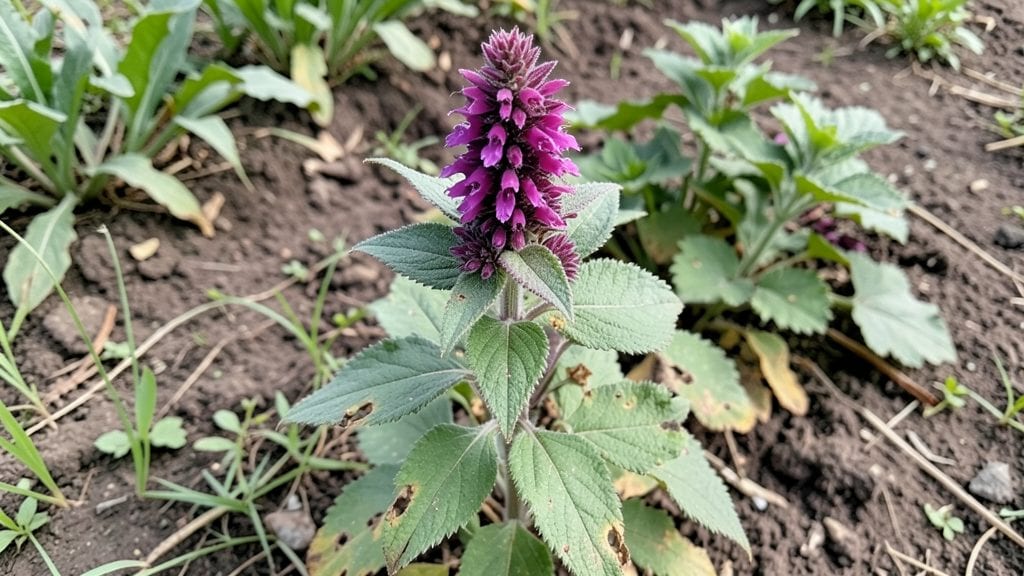
That first dive of a hummingbird into my monarda bee balm flower patch—wings buzzing like a tiny helicopter—still makes my heart race with joy. 🌿 I’ll never forget the lemon-lavender scent that drew them in.
This plant isn’t just pretty; it’s a pollinator magnet that smells like a cross between mint and citrus.
Bee balm thrives in full sun to partial shade and loves rich, well-draining soil—think garden beds or containers with a little compost mixed in. Water it regularly, but don’t drown it; soggy roots are its kryptonite.
Deadhead spent blooms to encourage more flowers, and cut back in early spring to keep it bushy and healthy.
By midsummer, your patch will be buzzing with bees, butterflies, and hummingbirds, all drawn to its tubular flowers. The scent alone—bright, herbal, and just a hint of lemon—will make you want to pinch the petals (but don’t; they’re for the pollinators!).
With the right care, you’ll have blooms from July through September, and maybe even a few stragglers into fall.
Start with seeds or divide established plants in spring, and watch your garden transform into a vibrant, fragrant oasis. Whether you’re a beginner or a seasoned gardener, bee balm is easy to grow and impossible to resist. Let’s get those hummingbirds visiting your yard!
📚 In This Guide
- What you need
- Instructions
- Tips and common mistakes
- Wrapping up and next steps
What you need
- ● Monarda bee balm seeds or nursery plants – Choose varieties like Monarda didyma (scarlet bee balm) or Monarda fistulosa (wild bergamot). Buy 3-5 plants for a vibrant display.
- ● Well-draining potting mix or garden soil – A blend of 60% topsoil, 30% compost, and 10% perlite works best for pots.
- ● Containers or garden bed – If planting in pots, use 10-12" diameter containers with drainage holes. For in-ground planting, pick a sunny spot with 6+ hours of light.
- ○ Organic fertilizer (optional but recommended) – A balanced 10-10-10 NPK or compost tea boosts growth.
- ● Gloves & trowel – Protect your hands and dig gently to avoid root damage.
- ● Watering can or hose with a gentle spray nozzle – Bee balm loves 1 inch of water weekly (more in extreme heat).
- ● Pruning shears – Deadhead spent blooms to encourage continuous flowering.
- ○ Mulch (optional) – 2-3 inches of straw or shredded leaves retain moisture and deter weeds.
Step-by-Step guide to growing Monarda bee balm
Here's how I grow this vibrant, pollinator-loving plant that brings both beauty and fragrance to my garden.
🌱 Step 1: Choose the Perfect Planting Location
Monarda thrives in full sun to partial shade, with at least 4-6 hours of direct sunlight daily. I always pick a spot with morning sun and afternoon shade to prevent leaf scorch, especially in hot climates. The plant's deep roots appreciate well-draining soil, so avoid low-lying areas where water pools.
Test your soil's drainage by digging a 6-inch hole and filling it with water. If it drains within an hour, your site is ideal. Amend heavy clay soil with 2-3 inches of compost to improve aeration. I also add a handful of coarse sand to further enhance drainage, which prevents the dreaded root rot that can plague bee balm.
🌿 Step 2: Plant with Proper Spacing and Soil Preparation
Space your bee balm plants 18-24 inches apart to allow for their bushy growth habit and prevent overcrowding. Dig a hole twice as wide as the root ball but only as deep as the container's base—planting too deep suffocates the roots. Gently loosen the roots if they're circling the container before placing them in the hole.
Mix the excavated soil with 1 cup of organic compost and a handful of bone meal for phosphorus, which encourages strong root development. This is especially important for bee balm, which forms extensive root systems. Water the hole thoroughly before planting to help settle the soil around the roots and eliminate air pockets.
☀️ Step 3: Water and Mulch for Healthy Growth
After planting, water deeply to ensure the soil settles around the roots. Bee balm needs 1-1.5 inches of water per week, but it's drought-tolerant once established. I water at the base of the plant in the early morning to reduce evaporation and fungal risks. Avoid wetting the leaves, as this can promote powdery mildew, a common issue with monarda.
Apply a 2-inch layer of organic mulch around the base, keeping it 2 inches away from the stem to prevent rot. I use shredded bark or straw, which helps retain moisture and regulate soil temperature. Refresh the mulch annually in early spring to maintain its protective benefits throughout the growing season.
✂️ Step 4: Prune and Deadhead for Continuous Blooms
Prune bee balm in early spring to remove any dead or damaged stems, cutting them back to 4-6 inches above the ground. This encourages new growth and prevents the plant from becoming leggy. I also trim back any stems that have finished blooming by ⅓ of their length to promote bushier growth and more abundant flowers.
Deadhead spent blooms regularly throughout the season to encourage continuous flowering. Watch for the first signs of wilting flowers and snip them off just above a set of leaves. This practice not only keeps your plant looking tidy but also redirects the plant's energy toward producing more blooms rather than setting seed.
🪴 Step 5: Overwinter and Maintain for Next Season
In fall, cut back the stems to 6 inches above the ground to prepare the plant for winter. Bee balm is hardy in zones 4-9, but a thick layer of mulch helps protect the roots during cold snaps. I add an extra 4-6 inches of mulch in late fall to insulate the soil and prevent heaving.
In early spring, remove the old mulch and add fresh compost around the base of the plant. This replenishes nutrients and provides a boost for the new growth. Bee balm is a low-maintenance plant, but this simple step ensures vibrant blooms and lush foliage year after year. Watch for new shoots emerging in early spring as your signal to start regular watering and care again.
Tips & tricks for perfect Monarda bee balm flowers
Growing bee balm successfully comes down to a few key details that make all the difference between a struggling plant and a thriving hummingbird magnet.
Location Intelligence: In Step 1, when choosing your planting spot, pay special attention to the morning sun/afternoon shade balance. I've found that placing bee balm near a south-facing wall that gets morning sun but afternoon shade works beautifully in hot climates. The key is to avoid the harsh afternoon sun that can scorch those delicate leaves—especially in zones 7-9 where temperatures regularly exceed 90°F.
Soil Preparation Secret: The 6-inch drainage test in Step 1 is crucial, but don't stop there. For heavy clay soils, I recommend mixing in 1 part perlite to 3 parts compost when amending. This creates perfect drainage while still retaining enough moisture for those deep roots. I've seen bee balm plants in pure clay soil struggle with root rot, even when following all other steps perfectly.
Watering Wisdom: Those 1-1.5 inches of water per week in Step 3 are ideal, but timing matters just as much. I water mine between 6-8am when temperatures are cooler, and always direct the water to the base rather than overhead. This prevents powdery mildew—which is particularly aggressive on bee balm—and keeps those fragrant leaves dry. A drip irrigation system set on a timer works wonders for consistent moisture without the fungal risks.
Pruning Precision: When you're cutting back to 4-6 inches in Step 4, look for new growth buds that form just above where you cut. These buds will become your new stems, so aim to leave at least 2-3 buds per stem. I've found that making clean cuts with sharp pruners at a 45-degree angle prevents tearing and promotes faster healing. This technique also helps prevent the plant from becoming leggy, which is especially important for varieties like 'Jacob Cline' that can grow quite tall.
Pro Tips for Monarda Bee Balm Flower
- Growing bee balm successfully comes down to a few key details that make all the difference between a struggling plant and a thriving hummingbird magnet.
- Location Intelligence: In Step 1, when choosing your planting spot, pay special attention to the morning sun/afternoon shade balance.
- Soil Preparation Secret: The 6-inch drainage test in Step 1 is crucial, but don't stop there.
Frequently asked questions
Got questions about growing and enjoying monarda bee balm? You’re not alone! Here are answers to the most common queries—from planting tips to troubleshooting—so you can cultivate this vibrant, pollinator-friendly beauty with confidence.
When is the best time to plant monarda bee balm?
Plant Monarda in early spring (after the last frost) or early fall for the best results. This gives roots time to establish before extreme heat or cold. If transplanting, water thoroughly to reduce shock. Pro tip: Avoid planting in late summer—it may struggle with summer stress!
Why aren’t hummingbirds or bees visiting my bee balm?
If your flowers aren’t buzzing with activity, check these fixes:
- Timing: Bloom season peaks in mid-to-late summer—ensure you’ve planted a variety like Monarda didyma (common bee balm) for maximum appeal.
- Location: Place in full sun (6+ hours/day) and avoid windy spots, which can deter pollinators.
- Pesticides: Skip chemical sprays—bees and hummingbirds need pesticide-free zones!
How do I keep monarda from flopping over or looking leggy?
Bee balm can get top-heavy if not supported. Try these tricks:
- Stake tall varieties (like Monarda fistulosa) with bamboo stakes or a cage at planting.
- Deadhead spent blooms regularly to encourage bushier growth.
- Pinch back stems by ⅓ in early spring to promote compact, sturdy plants.
Can I grow monarda in containers, or is it only for gardens?
Bee balm thrives in containers if you:
- Use a large pot (12"+ diameter) with drainage holes.
- Choose a well-draining potting mix (add perlite or sand for aeration).
- Water consistently—containers dry out faster than garden beds.
What should I do if my bee balm leaves turn yellow or wilt?
Yellowing or wilting often signals overwatering, root rot, or fungal issues. Try this:
- Check soil moisture: Stick your finger 1 inch deep—water only if dry.
- Improve drainage: Amend heavy soil with compost or sand.
- Fungal fix: Space plants 18–24 inches apart for airflow and avoid overhead watering.
Wrapping up and next steps
Monarda bee balm isn’t just a feast for the eyes—it’s a fragrant, pollinator-friendly powerhouse that brings hummingbirds, bees, and butterflies to your garden while filling the air with a zesty lemon-lavender aroma.
Whether you’re growing it for its beauty, culinary uses, or ecological benefits, this versatile plant proves that nature’s best gifts are both functional and magical.
Ready to invite more wildlife and charm into your space? Start small—plant a single bee balm in a sunny spot, experiment with varieties, or even share cuttings with fellow gardening enthusiasts! Your garden (and local pollinators) will thank you. 🌿✨