
Flowers
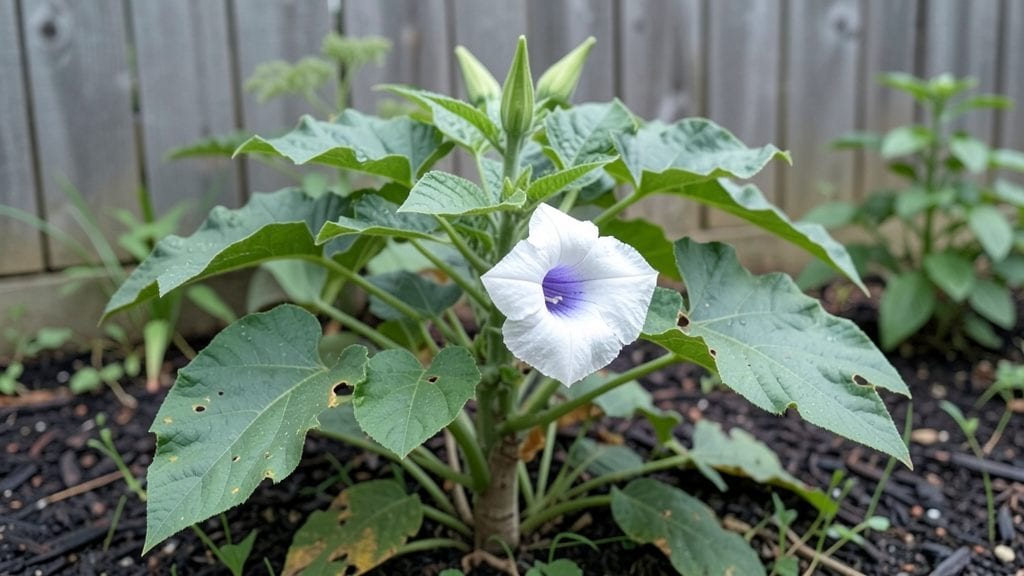
Growing moon flower datura unlocks eerie, fragrant nighttime blooms that transform your garden into a moonlit spectacle. 🌙 I’ve nurtured these striking plants for years, and their ability to thrive in cooler climates—even light frosts—makes them a standout choice for gardeners in zones 8 through 11.
The trade-off? Their beauty comes with caution: every part of the plant is toxic, so gloves and careful placement are a must.
The secret to success starts with well-draining soil and full sun—these plants reward bold gardeners with 5-foot-tall spires of trumpet-shaped blooms that open only after dark. Seeds are the easiest way to begin, but cuttings from mature plants can speed up the process if you’re patient enough to root them.
Water deeply once a week, letting the soil dry slightly between sessions to avoid root rot.
By midsummer, you’ll be rewarded with glossy, tropical-looking foliage and intoxicating nighttime fragrance that draws moths and hummingbirds. The blooms themselves are a study in contrast: creamy white or lavender trumpets that shimmer under moonlight, fading to delicate pink by morning.
Just be sure to plant them where curious pets or children can’t reach.
Whether you’re drawn to their unearthly allure or their resilience against late-season frosts, datura delivers drama with minimal fuss. With the right precautions, these plants become the centerpiece of any garden—just don’t let their beauty fool you into forgetting their potent warnings.
📚 In This Guide
- What you need
- Instructions
- Tips and common mistakes
- Wrapping up and next steps
What you need
- ● Moon flower datura seeds: 5–10 seeds (or 1–2 seedlings if purchasing starts). Choose a frost-resistant variety for colder climates.
- ● Well-draining potting mix: 1–2 gallons (for containers) or amend garden soil with compost and perlite (ratio: 60% soil, 30% compost, 10% perlite).
- ○ Containers (optional but recommended for beginners): 5–7 inch pots (1–2 per seedling) with drainage holes.
- ● OR a raised bed (12" deep) for in-ground planting.
- ● Fertilizer: Balanced 10-10-10 or 5-10-10 granular fertilizer (1 tbsp per plant at planting time).
- ● Watering can or hose: With a gentle spray nozzle for seedlings.
- ● Gloves: Heavy-duty gardening gloves (datura contains toxic alkaloids—handle with care!).
- ● Trowel or small shovel: For transplanting seedlings.
- ● Pruning shears: To trim dead blooms and encourage new growth.
- ● Sunlight access: Full sun (6+ hours daily) or partial shade in hot climates.
- ● Temperature gauge: Ideal germination range: 70–85°F (21–29°C).
- ● Mulch (straw or shredded leaves) to retain moisture.
- ● Grow lights (for indoor starters or short-day climates).
- ● Pest control: Neem oil (prevents aphids/mite infestations).
- ● Support stake (3–4 ft tall) for taller varieties.
Step-by-Step instructions for growing moon flower datura
Here's how to cultivate this striking night-bloomer with minimal fuss.
🌱 Step 1: Choose the Perfect Planting Location
Moon flower datura thrives in full sun to partial shade—at least 6 hours of direct sunlight daily—but tolerates light afternoon shade in hot climates. I always plant mine where they'll receive morning sun and afternoon dappled light, which prevents leaf scorch while still promoting those iconic trumpet blooms. The plant handles USDA zones 8-11, making it one of the few frost-resistant daturas, though a light frost may blacken foliage temporarily.
Soil should be well-draining—datura hates soggy roots. Amend heavy clay with 2-3 inches of compost or sand to improve aeration. I test soil pH first; datura prefers neutral to slightly alkaline (6.5-7.5). If your soil runs acidic, add a handful of lime when planting. The key is loose, fertile ground that mimics its native dry, rocky habitats.
🌿 Step 2: Plant Seeds at the Right Depth and Spacing
Direct-sow seeds ¼ inch deep in spring after the last frost, or start indoors 8-10 weeks before your last frost date. I like to pre-soak seeds in lukewarm water for 12 hours—this softens the tough outer coating and speeds germination. Plant 4-5 seeds per hole, spaced 18-24 inches apart, since datura seedlings often fail to germinate uniformly. Thin to the strongest 2-3 plants per location once they reach 6 inches tall.
Wait 7-14 days for germination, depending on soil warmth. You'll see the first true leaves emerge as lance-shaped and fuzzy—don’t confuse these with the initial round cotyledons. If seedlings appear leggy, they need more light; move them to a south-facing window or under grow lights immediately. Avoid transplanting seedlings—datura roots are sensitive and may rot if disturbed.
☀️ Step 3: Water and Fertilize for Strong Growth
Water deeply once a week during the first month to establish roots, then reduce to every 10-14 days once established. Datura is drought-tolerant once mature, but young plants need consistent moisture. Water at the base—never overhead—to prevent fungal diseases like powdery mildew. You’ll know moisture is right when the top 2 inches of soil feel dry to the touch.
Fertilize lightly with a balanced 10-10-10 formula at planting, then again in early summer. I avoid high-nitrogen feeds—too much greenery weakens flowering. Instead, side-dress with compost tea every 4-6 weeks for a gentle nutrient boost. Stop fertilizing 6 weeks before first frost to encourage hardiness. Prune leggy growth in early summer to promote bushier, more compact plants.
⏰ Step 4: Encourage Night-Blooming and Overwinter Care
Datura blooms open in the evening, releasing a sweet, intoxicating fragrance that attracts moths and hummingbirds. To trigger more flowers, deadhead spent blooms daily—this redirects energy from seed production to new buds. I pinch back tips of new growth in late summer to stimulate branching and extend the blooming season. The plant may produce thousands of seeds in a single pod, so wear gloves when handling.
In zones 8-10, datura is perennial and will return year after year. In colder zones, cut back dead stems to the ground in late fall and mulch with 2-3 inches of straw to insulate roots. The plant often regrows from the base in spring. If a hard frost blackens foliage, don’t panic—new growth emerges quickly once temperatures warm. I’ve seen datura bounce back from 20°F with proper mulching.
Tips & tricks for perfect moon flower datura cultivation
A few strategic moves will help you grow datura that thrives and blooms spectacularly.
Sunlight Strategy: In Step 1, when choosing your location, prioritize morning sun exposure—this is when datura needs the most intense light for photosynthesis. I've found that placing plants where they get afternoon shade in hot climates prevents leaf scorch while still ensuring those 6 hours of direct sunlight. For container growing, use reflective surfaces like white walls or mulch to maximize light penetration to all parts of the plant.
Seed Germination Hack: The 12-hour pre-soaking in Step 2 is non-negotiable for tough datura seeds. After soaking, I recommend placing seeds between damp paper towels in a sealed bag for 24 hours before planting—this gives you a head start on germination. Watch for the first true leaves to appear as fuzzy, lance-shaped growth, not the initial round cotyledons. If germination takes longer than 14 days, your soil may be too cool—try using a heat mat or moving pots to a warmer location.
Watering Wisdom: In Step 3, when you're establishing that weekly watering routine, focus on deep watering rather than frequent shallow watering. The top 2 inches of soil should feel dry to the touch before watering again. I've seen datura plants suffer from root rot when kept too consistently moist, especially in heavy clay soils. For container plants, ensure pots have drainage holes and use a well-draining potting mix with perlite or sand.
Frost Resilience: The 20°F tolerance mentioned in Step 4 is impressive, but don't push your luck. In colder zones, I recommend covering plants with frost cloth when temperatures drop below 25°F to prevent damage. The mulch layer you'll add should be at least 3 inches thick for maximum insulation. I've had datura bounce back from 20°F with proper care, but the first hard frost will always cause some leaf blackening—just think of it as a natural pruning process.
Pro Tips for Moon Flower Datura
- A few strategic moves will help you grow datura that thrives and blooms spectacularly.
- Sunlight Strategy: In Step 1, when choosing your location, prioritize morning sun exposure—this is when datura needs the most intense light for photosynthesis.
- Seed Germination Hack: The 12-hour pre-soaking in Step 2 is non-negotiable for tough datura seeds.
Frequently asked questions
Got questions about growing moon flower datura? You’re not alone!
Here are answers to the most common queries—from planting tips to troubleshooting—so you can cultivate this stunning night-bloomer with confidence.
Is moon flower datura really frost-resistant?
While moon flower datura (Datura metel) is more frost-tolerant than many tropical plants, it’s not truly cold-hardy. Young plants or seedlings may struggle in temps below 30°F (-1°C). For best results, grow it as an annual in colder climates or protect mature plants with mulch or row covers. In zones 8-11, it may survive mild winters in well-drained soil.
How long does it take for moon flower datura to bloom?
With patience, you’ll see those iconic trumpet-shaped blooms! From seed, expect 60–90 days to first flower, while established plants may bloom within 3–4 months of planting. For faster results, start seeds indoors 8–10 weeks before your last frost date. Pro tip: Deadhead spent flowers to encourage continuous blooming!
Is moon flower datura toxic to pets or kids?
Yes, extremely!
All parts of the plant—seeds, leaves, and flowers—contain toxic alkaloids that can cause hallucinations, seizures, or even death if ingested. Keep it in secure, enclosed gardens or containers away from children and pets. If exposure occurs, contact a vet or poison control immediately.
What’s the best alternative if moon flower datura is too tricky?
If you love night-blooming, low-maintenance flowers but want a safer option, try these alternatives:
- Evening Primrose (Oenothera spp.) – Fragrant, frost-tolerant, and non-toxic.
- Moonflower (Ipomoea alba) – Fast-growing vine with milky-white blooms (edible leaves!).
- Four O’Clock (Mirabilis jalapa) – Colorful, heat-loving, and pet-friendly.
Why are my datura leaves turning yellow or wilting?
Yellowing leaves often signal overwatering or poor drainage—datura hates soggy roots! Wilting can also mean underwatering or pests (like aphids or spider mites). Check soil moisture (it should dry slightly between waterings) and inspect undersides of leaves. Fix it: Improve drainage, reduce watering, and spray with neem oil if pests are present.
Wrapping up and next steps
Growing moon flower datura is a rewarding journey that brings ethereal beauty and resilience to your garden—even in cooler climates! 🌙 With the right care, these enchanting night-bloomers will thrive, offering fragrant blooms and a touch of mystery.
Whether you’re a seasoned gardener or just starting, your patience and attention will pay off in stunning, frost-tolerant displays.
Ready to dive in? Start by gathering your supplies and choose a spot that mirrors the moon flower’s natural love for warmth and shelter. Plant with confidence—your garden’s next magical centerpiece is just a few steps away! 🌱✨