
Flowers
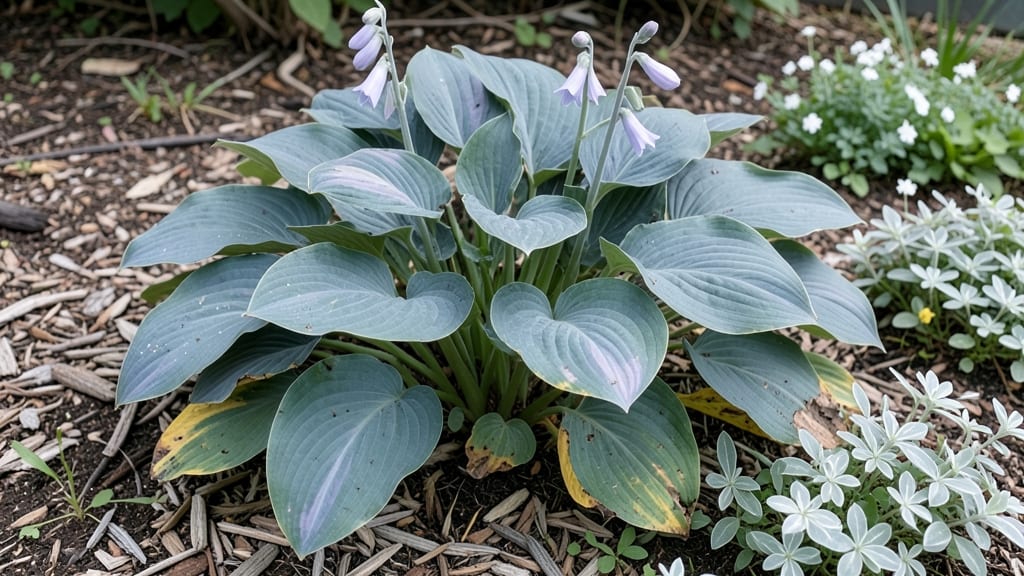
Mostly shade flowers can turn your darkest corner into a lush, buzzing pollinator paradise—and yes, even in the Pacific Northwest’s damp, dim conditions. I’ve designed shade gardens that bloom from spring through frost, where ferns unfurl like emerald lace and astilbes sway in jewel-toned plumes.
The key isn’t fighting the shade—it’s working with it to create layers of texture and color that thrive where sunstruck plants would wilt.
Think beyond the usual hostas and impatiens—heucheras with coppery leaves, lungwort with silvery spots, and columbines dangling like wind chimes all demand attention.
These plants need rich, moist soil (amend with compost!) and occasional watering, but they reward patience with year-round interest: spring bulbs, summer blooms, and fall berries. The real magic happens when you mix heights—tall foamflower behind mid-height astilbes, with ground-hugging sweet woodruff spilling over edges.
Your garden will hum with bees and butterflies year-round, thanks to pollinator-friendly choices like bee balm and Japanese anemones. The colors? Deep purples, soft whites, and fiery reds that pop against the green backdrop.
Even in winter, helllebores and winter aconites keep the show going. This isn’t just shade gardening—it’s high-impact, low-maintenance drama for every season.
We’ll tackle seasonal planting, soil prep, and how to avoid the pitfalls of soggy roots or floppy stems. Whether you’re working with a north-facing yard or a dense evergreen’s shadow, these plants will make shade your garden’s star. Let’s get started!
📚 In This Guide
- What you need
- Instructions
- Tips and common mistakes
- Wrapping up and next steps
What you need
- ● Native shade-tolerant flowers: 10–15 plants (mix of perennials & annuals). Top picks: Sword fern (Polystichum munitum) – 3–5 plants
- ● Pacific bleeding heart (Dicentra formosa) – 3–5 plants
- ● Western columbine (Aquilegia formosa) – 5–7 plants
- ● Salal (Gaultheria shallon) – 3–5 shrubs (for structure)
- ● Annuals like impatiens or begonias (10–12 plants for pops of color)
- ● High-quality soil: 2–3 cubic yards of well-draining, organic-rich soil (amend with compost if needed).
- ● Mulch: 2–3 bags of cedar chips or bark mulch (3–4 inches deep) to retain moisture.
- ● Organic fertilizer: Slow-release granular fertilizer (e.g., fish emulsion or compost tea).
- ● Drip irrigation or soaker hose: 50–100 ft (depending on garden size).
- ● Basic gardening tools: Trowel or hand shovel
- ● Garden gloves
- ● Pruners (sterilized)
- ● Rake or hoe
- ○ Optional (but helpful!): Soil pH test kit (PNW soil is often acidic—aim for 5.0–6.5)
- ● Pollinator-friendly stakes or trellises (for climbing plants like clematis)
- ● Birdhouses or bat boxes (to attract pollinator allies!)
- ● Prerequisites: Full or partial shade site (≤6 hours of direct sun daily)
- ● Access to water (or a watering schedule for dry spells)
- ● Time to commit to low-maintenance care (once established!)
Step-by-Step instructions for designing a Pacific Northwest pollinator haven in shade
Creating a thriving shade garden that supports pollinators year-round is easier than you think.
Select the Right Shade-Tolerant Flower Species
Focus on native Pacific Northwest plants that thrive in partial to full shade (2-6 hours of indirect sunlight) and bloom across seasons. My go-to choices include heuchera (coral bells), astilbe (false spirea), tiarella (foamflower), bleeding heart (dicentra), and lobelia. These species attract bees, butterflies, and hummingbirds while handling the region's damp, cool climate.
For year-round interest, layer plants with staggered bloom times: early spring (bleeding heart, hellebore), summer (astilbe, lobelia), and fall (Japanese anemone, toad lily). Avoid non-native invasives—they disrupt local ecosystems. I always check the Pacific Northwest Native Plant Guide before selecting varieties.
Prepare the Soil for Moisture-Retentive Growth
Shade gardens need well-draining yet moisture-retentive soil to prevent root rot. Amend your native soil with 3 inches of compost and 1 part perlite to improve aeration. Test your soil’s pH—most shade-loving perennials prefer 5.5-6.5. If your soil is too acidic, add pulverized limestone to raise the pH gradually.
In heavy clay soils (common in the PNW), I mix in 1 inch of coarse sand to break up compaction. Water the amended soil thoroughly before planting to help roots establish quickly. A mulch layer of 2-3 inches (cedar bark or shredded leaves) keeps moisture in and weeds out, which is critical in damp climates.
Plant in Layers for Season-Long Pollinator Support
Start with 3-4 tall plants (like astilbe or Rodgersia) as your backbone, then add mid-height fillers (heuchera, tiarella) and ground covers (ajuga, lamium). Space plants 12-18 inches apart to allow airflow and reduce fungal diseases. Dig holes twice as wide as the root ball but only as deep—planting too deep suffocates roots.
Group plants by water needs: moisture-lovers (like hellebore) near drip irrigation lines, and drought-tolerant varieties (like some heuchera cultivars) in slightly sunnier spots. I always water deeply after planting to eliminate air pockets and encourage root spread. Avoid wetting foliage to prevent mildew.
Provide Supplemental Watering and Fertilization
Established shade gardens need 1 inch of water weekly, but newly planted perennials require deep watering every 3-4 days until roots establish (about 6-8 weeks). Use drip irrigation or soaker hoses to deliver water at soil level—this prevents fungal issues and attracts pollinators by keeping flowers dry.
Fertilize lightly in early spring with a balanced organic fertilizer (10-10-10) or fish emulsion to encourage blooms. Too much nitrogen produces lush foliage but fewer flowers. I avoid fertilizing in late summer or fall, as new growth won’t harden off before winter.
Maintain for Year-Round Pollinator Appeal
Deadhead spent blooms monthly to encourage continuous flowering, but leave some seed heads for winter interest and food for birds. In late fall, cut back tall, floppy stems (like astilbe) but leave low-growing perennials (like heuchera) for winter structure. Prune bleeding heart in early spring before new growth appears.
Monitor for slugs and snails—they love tender new growth in damp shade. I use copper tape barriers around beds and beer traps (a shallow dish of beer buried at soil level) to keep populations in check without chemicals. A healthy pollinator garden thrives with minimal intervention once established.
Tips & tricks for perfectly layered shade gardens
These expert insights will help you create a thriving pollinator haven that thrives year-round in the Pacific Northwest's unique shade conditions.
Native Plant Selection: When choosing your shade-tolerant species, prioritize plants with staggered bloom times to ensure continuous nectar sources for pollinators. For example, pair early spring bloomers like hellebore with summer astilbe and fall Japanese anemone. I always verify each plant's native status through the Pacific Northwest Native Plant Guide—non-native species can disrupt local ecosystems and may not support native pollinators effectively.
Soil Preparation Strategy: The 3-inch compost layer and 1 part perlite amendment in Step 2 creates the perfect moisture-retentive yet well-draining environment. For heavy clay soils common in the PNW, I recommend adding coarse sand to improve aeration—this prevents root suffocation while maintaining moisture. Test your soil's pH before amending; most shade perennials prefer the 5.5-6.5 range, and pulverized limestone is my go-to for gradual pH adjustment.
Layering Technique: The 12-18 inch spacing between plants in Step 3 isn't just about aesthetics—it's crucial for airflow that prevents fungal diseases in our damp climate. When creating your layers, remember that taller plants like astilbe should form your backbone, while ground covers like ajuga create living mulch that suppresses weeds. I always group plants by water needs, placing moisture-lovers near drip irrigation lines while allowing drought-tolerant varieties like certain heuchera cultivars to thrive in slightly sunnier microclimates.
Maintenance Schedule: The monthly deadheading in Step 5 encourages continuous flowering, but don't overlook the seasonal pruning needs. Bleeding heart should be pruned in early spring before new growth appears, while tall floppy stems like astilbe can be cut back in late fall. For winter interest, leave some seed heads—these provide food for birds and visual structure when other plants have gone dormant. Copper tape barriers and beer traps are my preferred slug control methods; they're chemical-free and effective in our damp climate.
Pro Tips for Mostly Shade Flowers
- These expert insights will help you create a thriving pollinator haven that thrives year-round in the Pacific Northwest's unique shade conditions.
- Native Plant Selection: When choosing your shade-tolerant species, prioritize plants with staggered bloom times to ensure continuous nectar sources for pollinators.
- Soil Preparation Strategy: The 3-inch compost layer and 1 part perlite amendment in Step 2 creates the perfect moisture-retentive yet well-draining environment.
Frequently asked questions
Got questions about thriving mostly shade flowers in the Pacific Northwest? You’re not alone!
Here are answers to the most common concerns—from timing to troubleshooting—so you can create a pollinator-friendly haven with confidence.
What are the best low-light-tolerant flowers for Pacific Northwest pollinators?
Native heathers (Calluna vulgaris), foxgloves (Digitalis purpurea), and bleeding hearts (Dicentra spectabilis) thrive in shade and attract bees, butterflies, and hummingbirds year-round. For ground cover, try sword ferns (Polystichum) or wild ginger (Asarum)—both shade-loving and pollinator-friendly!
When is the best time to plant mostly shade flowers?
Plant in early spring (March–April) or early fall (September–October) for the best root establishment. Avoid summer heat, which stresses shade-loving plants. Bulbs like trilliums or woodland phloxes can also be planted in late fall for spring blooms.
How do I keep mostly shade flowers blooming all year?
Layer plants with different bloom times: Start with winter aconites (Eranthis hyemalis) (early spring), add heathers (fall/winter), and include hostas or astilbes for summer. Mulch with leaf litter or wood chips to retain moisture and regulate soil temp.
Why aren’t my shade flowers blooming? Troubleshooting tips.
Check these common issues:
Too much shade? Ensure 4–6 hours of dappled light (e.g., under deciduous trees).
Overwatering? Shade flowers hate soggy soil—amend clay soil with compost.
Poor soil? Test pH (aim for 5.0–6.5 for most natives) and add peat moss or pine needles.
No fertilizer? Use a balanced, slow-release fertilizer in early spring.
Can I grow mostly shade flowers in containers?
Choose compact varieties like miniature hostas, dwarf ferns, or container-friendly heathers. Use a well-draining mix (50% potting soil, 30% perlite, 20% compost) and 10–12 inch pots for stability. Rotate containers occasionally for even light exposure.
Wrapping up and next steps
Transforming your Pacific Northwest garden into a pollinator paradise with mostly shade flowers is easier—and more rewarding—than you think! 🌿 From vibrant heucheras to hardy astilbes, these plants bring year-round color while supporting bees, butterflies, and hummingbirds.
Start small: pick 2-3 native varieties, test soil moisture, and watch your garden thrive with minimal sunlight.
Ready to take the next step? Sketch a simple layout with shade-loving blooms grouped by height and color, then grab your tools—your future pollinator haven awaits! 🌸