
Size
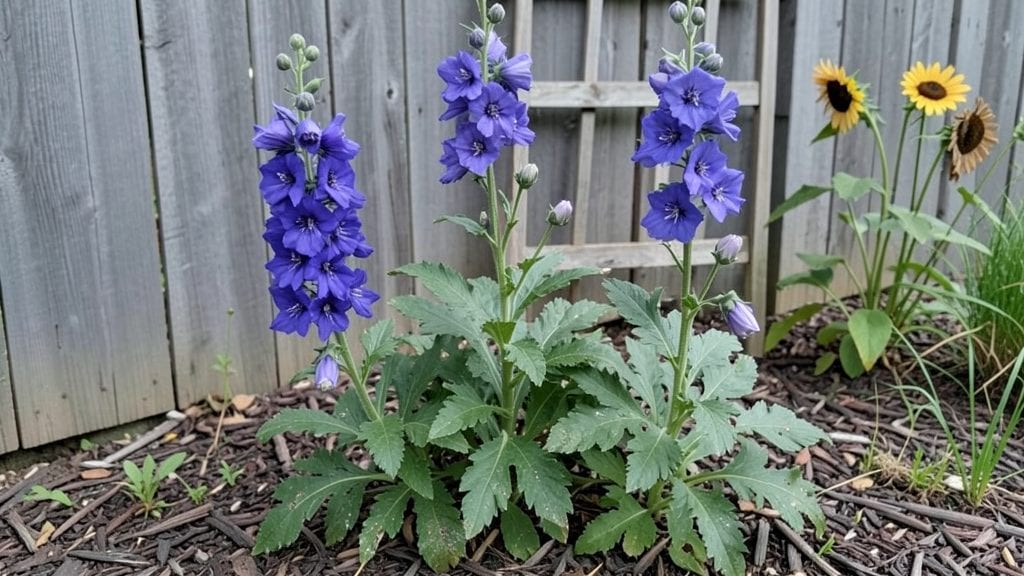
Tall perennial flowers transform a garden from flat to dramatic in a single season. 🌿 I still remember the first time I planted Delphiniums along my fence line—they shot up like skyward sentinels, turning my backyard into a pollinator magnet overnight.
These plants don’t just reach for the sun; they create vertical layers that draw the eye upward, making even small spaces feel grander.
The secret to their impact lies in strategic placement: group them where they’ll get morning sun and afternoon shade, or plant them behind shorter perennials like coneflowers or black-eyed Susans. For maximum drama, cluster three to five plants together in odd-numbered groupings—this creates natural focal points that catch the light.
And don’t overlook their seasonal versatility: many tall perennials like Joe Pye Weed stay interesting from midsummer through frost.
What you’ll end up with is a garden that feels like a living painting, where every season brings new heights and textures. The air hums with bees and butterflies, and your neighbors will ask how you made your yard look so effortlessly grand.
The best part? These plants thrive year after year, so the investment in height pays off for decades.
Whether you’re designing a cottage-style border or a modern vertical garden, tall perennials are the unsung heroes of structure. Start with one or two varieties to test what works best in your space—then let them grow into the backbone of your design. The sky’s the limit, literally.
📚 In This Guide
- What you need
- Instructions
- Tips and common mistakes
- Wrapping up and next steps
What you need
- ● Tall perennial flowers: Choose from varieties like Delphinium, Hollyhock, Foxglove, Black-Eyed Susan, or Joe Pye Weed (3–5 plants per variety for a full look). Opt for hardy, disease-resistant cultivars suited to your USDA zone.
- ● Well-draining soil: 5–10 bags of garden compost or peat-free potting mix (1 cubic yard per 10 sq ft of planting area). Mix in 1 part perlite or sand for improved drainage.
- ● Organic fertilizer: 5-10-10 or balanced slow-release granules (1 lb per 10 sq ft). For pollinators, add bee-friendly nectar-rich plants like Echinacea or Rudbeckia.
- ● Mulch: 2–3 inches of wood chips or straw mulch to retain moisture and suppress weeds (cover the soil after planting).
- ● Garden trowel or hand shovel (for transplanting seedlings).
- ● Garden fork (to loosen compacted soil).
- ● Measuring tape (to mark spacing—aim for 18–36 inches apart, depending on variety).
- ● Watering can or hose with gentle spray nozzle (deep watering 1–2 times per week).
- ● Gloves (gardening or work gloves for protection).
- ● Stakes or plant supports: 6–8 ft bamboo stakes or flexible metal cages (for tall, top-heavy varieties like Delphinium).
- ● Slow-release fertilizer spikes (for nutrient boosts mid-season).
- ● Pollinator-friendly companion plants: Lavender, Coneflower, or Butterfly Weed (plant in clusters).
- ● Decorative rocks or edging: Landscape fabric or gravel mulch to define borders.
- ● Pruners (sharp, bypass-pruners for deadheading or shaping).
- ● Rain gauge (to monitor watering needs—tall perennials need 1–1.5 inches per week).
How to plant and maintain tall perennial flowers for season-long beauty
Here's the simple, foolproof way to create a striking vertical garden that thrives year after year.
🌱 Step 1: Choose the Right Location and Prepare the Soil
Select a spot with at least 6 hours of full sun daily—tall perennials like coneflowers, black-eyed Susans, and bee balm need plenty of light to reach their full height. I always test the soil first by squeezing a handful—if it crumbles easily, it's ready. If it stays clumped, mix in 2-3 inches of compost to improve drainage and fertility.
Loosen the soil to a depth of 12 inches with a garden fork, breaking up any compacted layers. Tall perennials develop deep root systems, so good drainage is critical. If your soil feels heavy or stays wet for days after rain, amend it with sand or perlite to prevent root rot. Mark the planting area with stakes to visualize the mature spread of each plant—most tall perennials need 2-3 feet of space to avoid competition.
🌿 Step 2: Plant at the Correct Depth and Spacing
Dig holes twice as wide as the root ball but only as deep as the container—planting too deep suffocates roots. Gently remove the plant from its container and tease apart any circling roots with your fingers. Place it in the hole so the top of the root ball sits level with the surrounding soil (not buried or exposed). This ensures a strong transition to outdoor conditions.
Fill the hole with soil and press firmly around the base to eliminate air pockets. Water deeply until moisture reaches 6 inches down—you'll see the soil settle slightly as it absorbs water. Space plants 3-4 feet apart for varieties like Joe Pye weed or giant fleabane, which can reach 5-7 feet tall. For slightly shorter perennials like hollyhocks or Russian sage, 2-3 feet apart works perfectly. Mulch with 2-3 inches of shredded bark or straw to retain moisture and suppress weeds.
☀️ Step 3: Water Deeply and Establish a Routine
The first year is all about helping roots spread. Water once a week during the first month, delivering 1-1.5 gallons per plant each time. You'll know you're doing it right when the soil feels damp 6 inches down—stick your finger in to check. Overwatering causes root rot, while underwatering stresses plants, especially in hot summer months.
After the first month, reduce watering to every 10-14 days unless your area experiences a heatwave. Tall perennials develop deep taproots that access moisture naturally, but they still need consistent hydration during their first growing season. Avoid wetting the foliage when watering—this reduces fungal diseases like powdery mildew. Instead, water at the base early in the morning so leaves have time to dry before evening.
✂️ Step 4: Prune for Health and Encourage More Blooms
In early spring, cut back dead or damaged stems to the ground using clean, sharp pruners. This clears space for new growth and prevents disease from spreading. I always sterilize my tools with rubbing alcohol between cuts—it's a small step that prevents fungal infections from jumping between plants. Leave healthy stems intact; they'll produce fresh foliage and flowers.
After the first flush of blooms fades, deadhead spent flowers by snipping stems just above a set of healthy leaves. This redirects the plant's energy into producing more blooms instead of setting seed. For perennials like coneflowers or black-eyed Susans, this encourages a second round of flowers in late summer. In fall, cut back stems by one-third to tidy the appearance, but leave some seed heads for winter interest and wildlife.
⏰ Step 5: Winterize and Prepare for Next Year
Before the first hard frost, apply a 2-3 inch layer of mulch around the base of each plant. This insulates roots and protects them from extreme temperature swings. I use straw or shredded leaves because they break down slowly, adding organic matter to the soil. Avoid thick layers of fresh leaves—they can mat down and suffocate plants.
In late winter, check for any withered or broken stems and remove them completely. This prevents pests and diseases from overwintering in dead plant material. Once new growth appears in early spring, fertilize lightly with a balanced 10-10-10 formula to support vigorous flowering. Tall perennials are generally low-maintenance, but this small boost ensures they'll reach their full height and beauty each season.
Tips & tricks for perfect tall perennial flower gardens
These simple strategies will help your tall perennials reach their full potential and thrive for years to come.
The Sunlight Secret: That 6 hours of full sun daily is non-negotiable for most tall perennials. If your garden gets less, consider varieties like Russian sage or butterfly weed that tolerate partial shade. I've seen coneflowers struggle in shady spots—they need that sunlight to reach their towering heights. Trust me, the difference is dramatic!
Soil Prep Savvy: When loosening soil to 12 inches deep in Step 1, don't just scratch the surface—really break up those compacted layers with your garden fork. I like to add a handful of compost to each hole before planting. This gives roots a nutrient boost right where they need it most. For heavy clay soils, mix in sand or perlite to improve drainage—your plants will thank you during rainy seasons.
Watering Wisdom: Those first 1-1.5 gallons per plant in Step 3 should go deep enough to reach 6 inches down. Use a trowel to check—if the soil feels dry at that depth, water again. I've learned the hard way that shallow watering encourages shallow roots. For established plants, let the soil dry slightly between waterings—this prevents root rot while still keeping them hydrated.
Pruning Pro Tip: When deadheading in Step 4, always cut just above a set of healthy leaves. This creates a clean spot for new growth to emerge. I sterilize my pruners with rubbing alcohol between plants—it's a small habit that prevents fungal diseases from spreading. And remember, leaving some seed heads adds winter interest and provides food for birds.
Pro Tips for Tall Perrenial Flowers
- These simple strategies will help your tall perennials reach their full potential and thrive for years to come.
- The Sunlight Secret: That 6 hours of full sun daily is non-negotiable for most tall perennials.
- Soil Prep Savvy: When loosening soil to 12 inches deep in Step 1, don't just scratch the surface—really break up those compacted layers with your garden fork.
Frequently asked questions
Got questions about adding tall perennial flowers to your garden? You’re not alone! Here are some of the most common queries—and their practical answers—to help you grow with confidence.
What are the easiest tall perennial flowers for beginners?
Start with hardy, low-maintenance picks like Joe Pye Weed (up to 6 ft tall!), Coneflower (4-5 ft), or Black-Eyed Susan (3-5 ft). These thrive in full sun, tolerate drought once established, and attract pollinators effortlessly. Pro tip: Choose varieties labeled "beginner-friendly" or "disease-resistant" for foolproof results!
How long does it take for tall perennials to reach full height?
Most tall perennials take 1-2 growing seasons to hit their mature height, though some (like Hollyhock) may bloom shorter in their first year. Plant in spring for a head start, and avoid over-fertilizing—slow, steady growth yields stronger stems. Patience pays off!
Do tall perennials attract pests or invasive species?
Not necessarily! Many tall perennials (e.g., Bee Balm or Butterfly Weed) are pollinator magnets but rarely host pests. However, overcrowding or poor air circulation can invite aphids or fungal issues. Solution: Space plants 2–3 ft apart, prune dead foliage, and rotate locations every 3–4 years to prevent soil-borne problems.
Can tall perennials survive winter in cold climates?
Most tall perennials are hardy to USDA Zones 4–9, with exceptions like Giant Fleece Flower (Zone 5+) or Russian Sage (Zone 5–9). Mulch stems with 2–3 inches of straw or leaves after the first frost to protect roots. Bonus: Evergreen varieties like Culver’s Root add winter interest!
What’s a good alternative if my soil is clay-heavy?
Clay soil? No problem! Opt for adaptable tall perennials like Phlox (tolerates compacted soil), Lavender (drought-resistant), or Sedum (succulent-like roots). Amend beds with compost or sand to improve drainage, or plant in raised beds. Quick fix: Top-dress with pine bark fines annually!
Why are my tall perennials leaning or flopping?
Flopping often signals overcrowding, weak stems, or poor support. Thin plants to improve airflow, stake tall varieties (like Delphinium) with bamboo stakes, or choose self-supporting types like Shasta Daisy. Deadheading spent blooms redirects energy to stem strength.
Wrapping up and next steps
Tall perennial flowers are the ultimate game-changers for adding drama, structure, and life to your garden—while supporting pollinators year after year! 🌿 From bold Joe Pye Weed to delicate Culver’s Root, these plants prove that height doesn’t mean high-maintenance.
Whether you’re a seasoned gardener or just starting, the key is choosing the right varieties for your climate and space.
Ready to transform your outdoor space? Start small—pick one or two perennials to test, then expand your pollinator paradise over time. Happy planting! 🌸