
Succulent
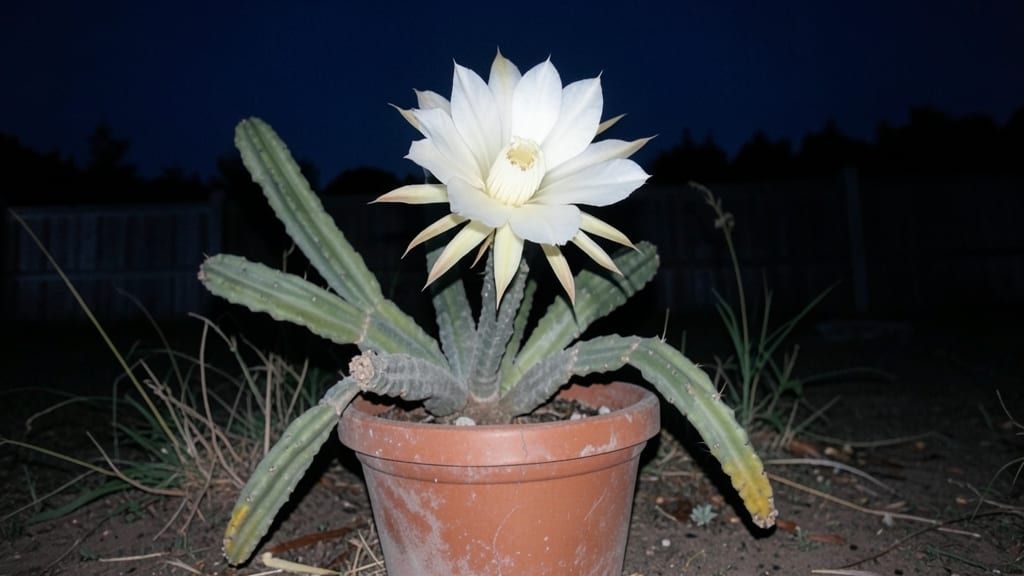
The night flowering cactus—like the Queen of the Night—transforms your desert garden into a moonlit spectacle, one fragrant, creamy-white bloom at a time. 🌙 I’ve grown these ephemeral beauties for years, and the secret to their late-season magic lies in mimicking their natural arid habitats, not coddling them like houseplants.
These cacti thrive on neglect but reward precision with blooms that last just 24 hours—making every effort feel like a high-stakes performance.
The key to success starts with bright, indirect light and temperature swings—they need daytime warmth (70–90°F) but cooler nights (50–60°F) to trigger blooming.
Use a well-draining cactus mix in pots with drainage holes, and water sparingly: soak once a month in summer, then reduce to every 6–8 weeks in winter. Overwatering is the fastest way to kill these plants, so let the soil dry completely between waterings—even in the heat.
With the right conditions, your cactus will reward you with stunning, intoxicating blooms that open at dusk and close by noon. The Queen of the Night’s flowers can reach 10 inches wide, while Dutchman’s Pipe cacti produce smaller but equally dramatic blooms.
Prune only to remove dead growth, and propagate by taking root cuttings in spring—just let them callus for a week before planting in fresh soil.
Troubleshooting non-flowering plants? Check your light exposure, reduce water, and avoid fertilizing in winter. These cacti bloom on old growth, so patience is key—some varieties take 3–5 years to flower.
For a guaranteed show, plant multiple types together and keep a blooming journal to track their cycles. The effort is worth every fleeting moment under the desert moon.
📚 In This Guide
- What you need
- Instructions
- Tips and common mistakes
- Wrapping up and next steps
What you need
- ● Night-blooming cactus (e.g., Selenicereus grandiflorus or Hylocereus) – 1-3 plants (choose a healthy, mature specimen with no signs of rot or pests).
- ● Well-draining potting mix – 2-3 gallons (use a cactus/succulent blend with perlite or pumice for aeration).
- ● Pot with drainage holes – 1-2 pots (terracotta or ceramic, 6-12 inches in diameter, depending on plant size).
- ● Gravel or pebbles – 1 cup (for the pot’s drainage layer).
- ● Gloves – 1 pair (to protect from spines).
- ● Trowel or small shovel – 1 (for planting/transplanting).
- ● Watering can with a narrow spout – 1 (to avoid overwatering).
- ● Sunlight access – 6+ hours of bright, indirect light daily (south- or west-facing window or grow lights).
- ● Patience! 🌱 – Night-blooming cacti take time to mature and flower (often 2-5 years).
- ● Fertilizer – Balanced cactus fertilizer (diluted to half-strength, applied every 4-6 weeks in growing season).
- ● Humidity tray – 1 (if your climate is very dry).
- ● Support stake – 1 (for vining varieties like Hylocereus).
- ● Moonlight sensor or timer – 1 (to mimic natural light cycles for blooming triggers).
Step-by-step guide to cultivating night-blooming cacti
Here’s how to coax those dramatic evening blooms from your desert cactus collection.
🪴 Step 1: Select the Right Cactus Varieties and Pots
Night-blooming cacti like Selenicereus grandiflorus (Queen of the Night) or Hylocereus (Dragon Fruit cactus) thrive in 6-8 inch diameter pots with multiple drainage holes. I use terracotta because it breathes—critical for preventing root rot in these moisture-sensitive plants. Choose pots that are only slightly larger than the root ball; oversized containers retain too much moisture and invite fungal issues.
Fill the bottom inch of the pot with cactus/succulent mix to ensure excellent drainage. Press it down gently—you want it firm but not compacted. The key here is airflow at the roots, which mimics their natural arid habitat. If your mix lacks perlite or pumice, add a handful to improve aeration.
☀️ Step 2: Position for Optimal Light and Temperature
Night-blooming cacti need bright, indirect light during the day—think 6-8 hours of morning sun followed by dappled shade in the afternoon. A south- or east-facing window works best, but direct afternoon sun can scorch the pads. If growing outdoors in hot climates, provide 30% shade cloth during peak heat to prevent sunburn.
Temperature matters just as much as light. These cacti enter dormancy when nights dip below 50°F, so protect them from frost. During active growth (spring-fall), maintain daytime temps of 75-85°F and nighttime temps above 60°F. A greenhouse or sunroom keeps conditions stable, but a covered patio works too if you monitor temps closely.
💧 Step 3: Water with Precision—The Desert Mimic Method
Watering is where most growers go wrong. Soak the soil only when completely dry—stick your finger 2 inches deep. If it feels damp, wait. When you do water, drench the soil until it runs freely from the drainage holes. This mimics rare desert rains. I use a watering can with a narrow spout to direct moisture to the roots, avoiding the pads to prevent rot.
Reduce watering in winter—every 4-6 weeks—as growth slows. Overwatering is the fastest way to kill these cacti; yellowing pads or mushy stems are sure signs of root rot. If you notice wilting, check the soil first—it’s almost always thirst, not stress.
✂️ Step 4: Fertilize and Prune for Healthy Growth
Feed your cactus once in early spring with a balanced, diluted fertilizer (half-strength 10-10-10). Too much fertilizer burns roots, so less is more. I skip fertilizing in summer when the plant focuses on blooming. Prune only to remove dead or damaged pads—never cut healthy growth. Use sterilized pruning shears and let the cuts dry for a day before repotting if needed.
For flowering, provide a cool night (below 65°F) followed by a warm day (above 75°F). This temperature shift triggers bud formation. If your cactus isn’t blooming, it might need more light or a longer dormant period. Patience is key—some varieties take 2-3 years to flower, but once they do, the creamy-white, intoxicatingly fragrant blooms at night are worth the wait.
🌿 Step 5: Encourage Blooms with Strategic Care
To maximize flowers, mimic seasonal changes. In late summer, reduce watering and stop fertilizing to signal dormancy. Then, in early spring, resume care and move the cactus to a slightly cooler spot (like a shaded porch) for 2-3 weeks. This shock often prompts budding. Watch for tiny white or pink buds forming along the pads—this is your cue to keep conditions stable.
Night-blooming cacti are heavy feeders when they flower. Increase humidity slightly (but never soggy) by placing the pot on a pebble tray with water. The extra moisture in the air supports the energy-intensive blooming process. Deadhead spent flowers by twisting them off gently—this redirects the plant’s energy to future blooms.
Tips & tricks for perfect night-blooming cactus cultivation
A few key insights will help you transform your desert garden into a nighttime floral spectacle—without the common pitfalls that frustrate most growers.
Pot Selection Matters: The 6-8 inch diameter terracotta pots specified aren't arbitrary—they provide the perfect balance of root space and evaporation. If you choose plastic instead, add an extra drainage hole and elevate the pot on pebbles to prevent moisture buildup. I've found that larger pots (like 10+ inches) actually slow growth and delay flowering by keeping roots too damp. The terracotta's porous nature also helps regulate soil moisture, which is critical for these moisture-sensitive plants.
Light Timing is Everything: The 6-8 hours of morning sun followed by afternoon shade is non-negotiable for these tropical cacti. I've seen scorched pads when growers ignore this rule—look for subtle yellowing or crispy edges as warning signs. For indoor growers, a south-facing window with sheer curtains works best. If you're using grow lights, provide 12-14 hours of light daily, but always include a 10-hour dark period to simulate nighttime, which triggers flowering hormones.
Temperature Triggers: That 50°F nighttime threshold isn't just a suggestion—it's the biological switch that initiates dormancy and subsequent blooming. I've had cacti bloom in my 65°F garage during winter when they experienced these cooler nights. For indoor growers, move plants to a cooler room at night or place them near a window with nighttime temps below 65°F. The 75-85°F daytime range is equally critical—any hotter and you risk heat stress, which shows as limp, discolored pads.
Watering Precision: The "finger test" for 2 inches deep is your best friend—any deeper and you risk overwatering, which leads to that dreaded root rot. I've ruined three cacti before learning this lesson! When watering, aim for that "drenched but draining" state—water should flow freely from the bottom for 10-15 seconds after soaking. In winter, when you're watering every 4-6 weeks, check the soil with your finger before watering—if it's still damp at 2 inches, wait another week. The key is mimicking sporadic desert rains rather than consistent moisture.
Pro Tips for Night Flowering Cactus
- A few key insights will help you transform your desert garden into a nighttime floral spectacle—without the common pitfalls that frustrate most growers.
- Pot Selection Matters: The 6-8 inch diameter terracotta pots specified aren't arbitrary—they provide the perfect balance of root space and evaporation.
- Light Timing is Everything: The 6-8 hours of morning sun followed by afternoon shade is non-negotiable for these tropical cacti.
Frequently asked questions
Got questions about these enchanting night-flowering cacti? You’re not alone! Here are some of the most common queries—plus answers to help you grow (and enjoy) these moonlit marvels with ease.
Why do night-flowering cacti bloom at night?
These cacti evolved to attract nocturnal pollinators like moths and bats! Their fragrant, white or pale blooms open after sunset when temperatures drop, ensuring they’re visible and irresistible to their nighttime visitors. Plus, cooler nights reduce water loss, making it safer for delicate flowers to unfurl. Pro tip: If yours blooms during the day, it might be stressed—check light exposure or watering habits!
How long do night-flowering cactus blooms last?
Most blooms last just one night—though some varieties (like Selenicereus grandiflorus) may linger into the next morning if temps stay mild. The flowers are ephemeral, so plan to admire them under the stars! For repeat blooms, ensure your cactus gets 6+ hours of bright light daily and a winter rest period (50–60°F) to trigger flowering cycles.
Can I force a night-flowering cactus to bloom indoors?
Yes, but it takes patience! Mimic their natural conditions: cool nights (55–65°F) and warm days (75–85°F), minimal watering (let soil dry completely), and 12+ hours of darkness daily. Place it near a south-facing window or under grow lights. If blooms still refuse to appear, your plant may be too young (most need 3–5 years) or lacks dormancy. Try simulating winter by reducing water and light for 6–8 weeks.
Why isn’t my night-flowering cactus blooming?
Common culprits include:
- Insufficient light: Move it to a sunnier spot or supplement with grow lights.
- Overwatering: Let soil dry out completely between waterings—root rot kills blooms!
- Lack of dormancy: Skip watering in winter and drop temps slightly.
- Too young: Patience! Some varieties take decades to flower.
If the problem persists, check for pests (like mealybugs) or nutrient deficiencies—feed with a low-nitrogen, high-phosphorus fertilizer in spring.
What are some low-maintenance alternatives to night-flowering cacti?
If these beauties seem high-maintenance, try these easy-care bloomers:
Plant
Bloom Time
Care Level
Echinopsis (San Pedro Cactus)
Daytime (spring/summer)
Beginner-friendly
Lophophora williamsii (Pepe Cactus)
Daytime (rare, but possible)
Very low-maintenance
Hylocereus (Dragon Fruit Cactus)
Nighttime (summer)
Moderate (needs trellis)
For zero effort, opt for Mammillaria or Rhipsalis—they’re tough and occasionally produce tiny daytime blooms!
Wrapping up and next steps
Night-blooming cacti like the Queen of the Night or Moonflower Cactus bring a touch of enchanting mystery to your desert garden—literally! 🌙 Their stunning, fragrant blooms after sunset are a reward for patience and care, proving that beauty often arrives in the quietest moments.
Whether you're a seasoned succulent enthusiast or a curious beginner, these plants offer a unique way to connect with nature’s late-night magic.
Ready to welcome your own nocturnal floral spectacle? Start by selecting the perfect variety, gathering your supplies, and giving your cactus the love it deserves. Plant, nurture, and wait—because the best surprises bloom in the dark. 🌵✨