
Orchid Care
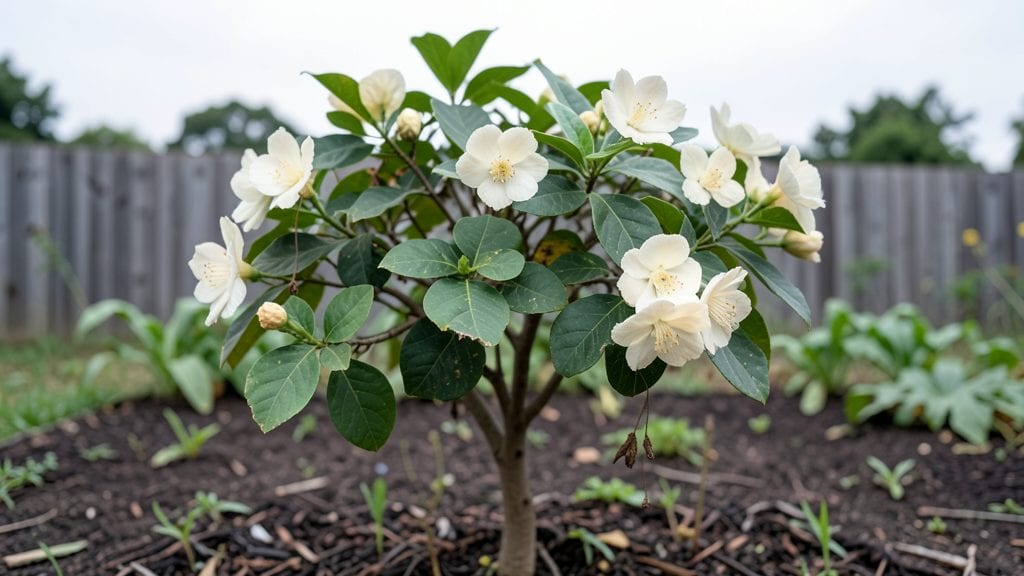
Your orchid tree flower could be blooming in three months—if you prune it the right way this season. 🌿 The Pacific Northwest’s damp winters and mild summers create the perfect conditions for these tropical-looking trees, but without strategic trimming, you’ll miss out on those stunning butterfly-shaped blooms.
I’ve been growing mine for five years, and the difference between a bare branch and a flower-covered canopy comes down to when and how you cut.
The secret isn’t just snipping back growth—it’s understanding the orchid tree’s natural rhythm. In spring, you’ll encourage new shoots by pruning just above a leaf node, while summer’s heat triggers blooming if you leave last year’s growth intact.
My tree now bursts with pink and white flowers from May through September, and the key was learning to prune with the seasons, not against them. Most people over-prune in winter, which is exactly when you should leave the branches alone.
By following a four-season schedule, you’ll transform a leggy, sparse tree into a showstopper that draws hummingbirds and neighbors alike. The flowers aren’t just pretty—they’re fragrant too, filling your patio with a sweet, tropical scent that lasts for weeks.
Even better? The pruned branches can root in water, giving you free plants to share or expand your garden. Let’s get those shears ready—your orchid tree’s next blooming season starts now.
This method works for both Bauhinia (the true orchid tree) and Cassia varieties, though timing tweaks slightly for each. Whether you’re dealing with Puget Sound’s rain or the Willamette Valley’s dry summers, the principles stay the same.
The only real mistake? Waiting until spring to prune—your tree’s already missed its prime blooming window by then. Let’s fix that before next year.
📚 In This Guide
- What you need
- Instructions
- Tips and common mistakes
- Wrapping up and next steps
What you need
- ● Orchid tree (Bauhinia) plant: Choose a healthy young tree, bare-root sapling, or seeds (if starting from scratch). For PNW climates, opt for Bauhinia variegata or Bauhinia purpurea—they’re cold-hardier!
- ● Well-draining soil mix: 60% native PNW soil + 30% perlite/pumice + 10% compost. Bauhinia hates soggy roots!
- ● Container or planting hole: For containers: 5-gallon pot minimum (12+ inches deep) with drainage holes. Terracotta pots help regulate moisture.
- ● For in-ground: Dig a hole twice as wide as the root ball and no deeper than the container.
- ● Mulch: 2–3 inches of wood chips or pine bark (avoid cedar—it’s toxic!). Helps retain moisture and mimic PNW forest floors.
- ● Garden trowel or spade (for digging)
- ● Pruning shears (sterilized with rubbing alcohol)
- ● Gloves (thorn-proof if handling mature trees!)
- ● Watering can or hose with a gentle spray nozzle
- ○ pH testing kit (optional but helpful—aim for 6.0–7.0)
- ● Sunlight: Full sun (6+ hours/day). PNW’s mild winters mean your tree can handle morning sun + afternoon shade in hotter summers.
- ● Frost protection: For young trees, use burlap wraps or frost cloth for temps below 20°F (-7°C).
- ● Winter prep: Reduce watering in fall and mulch heavily before first frost.
- ● 🌡️ Zone Check: Orchid trees thrive in USDA Zones 8–11. In colder PNW areas (e.g., Seattle), grow in containers and overwinter indoors.
- ● ✨ Local Soil Hack: Mix in 10% sand if your native soil is heavy clay (common in PNW!).
- ● 🔥 Fast-Draining = Happy Tree: Elevate pots on feet or saucers to prevent root rot during PNW’s wet winters.
Step-by-Step pruning guide for orchid tree flowers
This orchid tree thrives with seasonal pruning—here’s how to keep it blooming year-round in the Pacific Northwest’s mild climate.
✂️ Step 1: Light Pruning After Spring Blooms
Once your orchid tree finishes flowering in spring, trim spent blooms by cutting back to the first set of healthy leaves just below the faded flowers. This encourages new growth and prevents energy drain. Use clean, sharp pruners to avoid tearing stems—your goal is a clean cut at a 45-degree angle.
Watch for new buds forming at the base of old stems. These will develop into next season’s flowers, so avoid over-pruning. If you see leggy growth, you can also trim back up to one-third of the plant’s height to promote bushier, fuller growth. This is the time to shape your tree while it’s actively growing.
☀️ Step 2: Summer Maintenance for Air Circulation
During summer’s warmer months, focus on thinning out crowded branches to improve airflow. Remove any dead, diseased, or crossing branches first—these compete for nutrients and invite pests. Cut just above a outward-facing leaf or bud to encourage healthy growth in the right direction.
If your orchid tree is in full sun, you might notice new growth stretching toward the light. This is your cue to prune back by 10-15% to maintain a balanced shape. Water deeply after pruning to help the plant recover. The Pacific Northwest’s humidity means you’ll want to avoid heavy pruning in late summer, as new growth may struggle to harden off before fall.
🌿 Step 3: Fall Preparation for Winter Dormancy
As temperatures drop in fall, reduce pruning to light maintenance only. Remove any remaining dead blooms or yellowing leaves, but avoid heavy cuts that stress the plant before winter. Focus on cleaning up debris around the base—this prevents fungal diseases that thrive in wet Pacific Northwest winters.
If your orchid tree is potted, check the roots and repot if it’s been two years since the last time. Trim any circling roots gently with sterilized pruners. This is also the time to fertilize lightly with a balanced, slow-release fertilizer to support next year’s growth. Your tree will enter dormancy more smoothly with these final touches.
⏰ Step 4: Winter Pruning for Structure and Renewal
Winter’s the perfect time for structural pruning while the tree is dormant. Look for branches that grew unevenly or are rubbing against each other—these need removal to prevent damage. Cut back to a strong, healthy bud or branch, always making your cuts just above a leaf node.
If you notice any dead or dying branches, remove them entirely. These can harbor pests or diseases that might spread when growth resumes in spring. Keep your pruners clean between cuts to avoid spreading any potential infections. This is also a great time to plan your tree’s shape—imagine how you want it to look come spring and make cuts accordingly.
Tips & tricks for pruning orchid tree flowers
Mastering the art of seasonal pruning transforms your orchid tree from a mere houseplant to a stunning, year-round bloomer. Here's how to elevate your pruning game and keep your tree thriving in the Pacific Northwest's unique climate.
The Angle Matters: When pruning in Step 1, that 45-degree angle isn't just decorative—it's crucial for preventing water from pooling on the cut. This simple technique reduces the risk of fungal infections, especially important in our damp Pacific Northwest winters. Use a sharp pruner to make clean cuts that heal faster and look more professional.
Seasonal Timing Secret: Summer's 10-15% pruning recommendation in Step 2 is your cue to maintain balance, but don't overdo it. In our region's humid summers, new growth needs time to harden before fall's cooler temperatures arrive. I've learned this the hard way—over-pruning in late summer can leave your tree vulnerable to fungal issues when autumn rains begin.
Tool Preparation Tip: Before you start pruning in any season, sterilize your tools with rubbing alcohol. This prevents spreading diseases between cuts, which is especially important when working with multiple branches. I keep a small bottle of alcohol in my gardening toolkit for quick clean-ups between cuts—it takes just seconds and makes all the difference in plant health.
Winter Planning Strategy: Use winter's structural pruning (Step 4) as your opportunity to visualize next year's shape. Take a step back and look at your tree from all angles—this is your chance to create that perfect, balanced silhouette. I sketch a rough outline on paper first to plan my cuts before making a single snip. This prevents over-pruning and helps you achieve a more professional look.
Pro Tips for Orchid Tree Flower
- Mastering the art of seasonal pruning transforms your orchid tree from a mere houseplant to a stunning, year-round bloomer.
- The Angle Matters: When pruning in Step 1, that 45-degree angle isn't just decorative—it's crucial for preventing water from pooling on the cut.
- Seasonal Timing Secret: Summer's 10-15% pruning recommendation in Step 2 is your cue to maintain balance, but don't overdo it.
Frequently asked questions
When is the best time to prune my orchid tree flower in the Pacific Northwest?
The ideal time to prune is late winter or early spring (February–March) before new growth begins. This timing helps avoid stressing the tree during dormancy and aligns with the PNW’s mild, wet winters. Pro tip: If you missed the window, prune in early fall (September) to allow time for healing before winter rains arrive.
How do I encourage more orchid tree flowers to bloom?
Orchid trees (like Bauhinia or Cascabela) need full sun (6+ hours daily) and well-draining soil to bloom abundantly. Fertilize lightly with a balanced 10-10-10 formula in spring and summer, and prune spent blooms to redirect energy. Bonus: A light frost in late winter can trigger spring blooms!
Why are my orchid tree leaves turning yellow or dropping?
Yellow leaves often signal overwatering or poor drainage. Let the top 2–3 inches of soil dry out between waterings, and ensure your pot has drainage holes. Check for root rot—if the roots smell foul or are mushy, repot in fresh, sandy soil. Cold drafts or sudden temperature drops can also cause leaf drop in PNW winters.
Can I grow an orchid tree in a container, and what size pot do I need?
Yes! Orchid trees thrive in containers, but choose a large pot (18–24 inches wide) for stability and root growth. Use a fast-draining mix (cactus/succulent blend + perlite). Repot every 2–3 years in spring, and move containers indoors if night temps drop below 40°F.
What’s a good alternative if my orchid tree struggles in cold PNW winters?
If your orchid tree (like Bauhinia variegata) can’t handle freezing temps, try hardy alternatives:
- Crabapple trees (Malus) – Cold-resistant and flowering.
- Japanese maple (Acer palmatum) – Stunning foliage and adaptable.
- Oregon grape (Mahonia) – Native, drought-tolerant, and evergreen.
Wrapping up and next steps
The orchid tree flower (Bauhinia) thrives in the Pacific Northwest’s unique climate with the right care—especially through four-season pruning to keep it lush and blooming. From winter cleanup to summer shaping, these techniques ensure your tree stays healthy, vibrant, and full of those stunning, butterfly-like blossoms year-round. 🌸
Now that you’re armed with the know-how, roll up your sleeves and give your orchid tree the TLC it deserves! Start by scheduling your next pruning session—whether it’s trimming leggy branches in spring or prepping for winter.
Watch your tree flourish and reward you with seasonal beauty that’s truly one-of-a-kind. Happy growing! 🌿✨