
Flowers
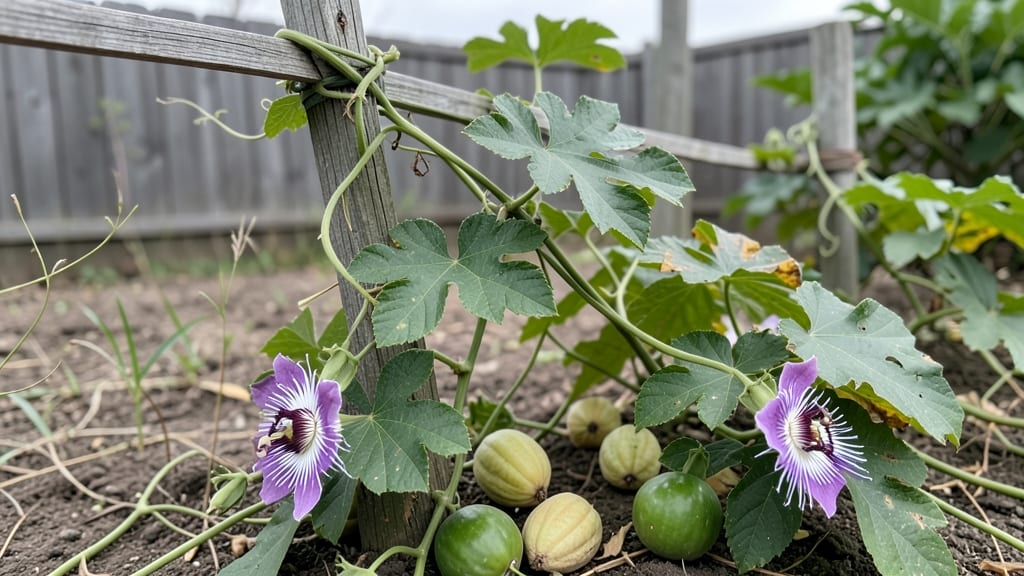
Growing passion bee flowers—those exotic, vine-covered hummingbird magnets—is easier than you’d think, even in containers. 🌿 I’ve turned my balcony into a buzzing paradise with just a few vines, and you can too.
These tropical-looking plants thrive in pots, making them perfect for small spaces or urban gardens where planting in the ground isn’t an option.
The secret lies in their love for warmth and sunlight, plus a little patience. You’ll need a 10-15 gallon container with drainage holes, well-draining soil, and a sturdy trellis or fence to climb.
Passionflowers handle heat and humidity beautifully, but they’ll reward you with vibrant blooms—purple, blue, or even red—if you keep them happy. Hummingbirds and bees will flock to them like magnets, turning your patio into a lively ecosystem.
By summer, you’ll be harvesting edible passion fruits (yes, they’re delicious!) while watching pollinators dance around the flowers. The vines grow fast, so regular pruning keeps them manageable. Even in winter, varieties like Passiflora caerulea stay evergreen in mild climates, giving you year-round interest. Let’s get those vines growing!
Whether you’re a beginner or a seasoned gardener, passionflowers adapt easily. They’re tougher than they look, forgiving of occasional neglect, and bring a wild, tropical feel to any space. Start with a healthy cutting or young plant, and soon you’ll have a hummingbird haven that neighbors will envy.
📚 In This Guide
- What you need
- Instructions
- Tips and common mistakes
- Wrapping up and next steps
What you need
- ● Passion Flower Plants: 1–3 Passiflora varieties (e.g., Passiflora caerulea for hardiness or Passiflora incarnata for native appeal). Choose container-friendly dwarf or vine types.
- ○ Optional: Bare-root plants (cheaper) or potted seedlings (faster growth).
- ● Containers: 1–3 containers per plant (5–10 gallons each). Use fabric grow bags or terracotta/ceramic pots with drainage holes.
- ● Pro Tip: Add coco coir liners to prevent root circling in plastic pots! 💡
- ● Potting Mix: 5–10 gallons of well-draining, airy mix (e.g., 60% coco coir, 20% perlite, 20% compost). Avoid heavy garden soil!
- ● Basic Tools: Trowel or small shovel
- ○ Gloves (optional but recommended—passion vines can be thorny!)
- ● Pruning shears (for shaping vines later)
- ● Support Structures: Required: Trellis, obelisk, or cage (4–6 ft tall) for climbing varieties.
- ○ Optional: Wall-mounted brackets or hanging baskets for compact types.
- ● Fertilizer: Balanced liquid fertilizer (10-10-10 or 20-20-20) or orgainc pellet (follow label for dilution).
- ● Mulch: 2–3 inches of wood chips or straw to retain moisture (skip if using grow bags).
- ● Sunlight: 6+ hours of direct sun daily (partial shade in hot climates).
- ● Temperature: Hardy varieties (e.g., P. caerulea) tolerate 20–30°F.
- ● Tender types (e.g., P. edulis) need protection below 50°F.
- ● Watering Setup: Drip irrigation or self-watering containers (prevents soggy roots).
- ● Pro Tip: Check soil moisture weekly—passion flowers hate "wet feet"! 💦
Step-by-Step instructions for growing passion bee flowers in containers
Here's how to create a thriving, pollinator-friendly display that keeps hummingbirds visiting all year.
🌱 Step 1: Select the Right Containers and Drainage System
Choose containers with a minimum 12-inch diameter and 10-inch depth—passion bee flowers need room to sprawl their vines. I prefer terracotta pots because they breathe and help prevent root rot, but any container with multiple drainage holes works. If your pots lack drainage, drill ¼-inch holes in the bottom and cover them with ½-inch mesh to keep soil in place.
Passion bee flowers thrive in well-draining soil, so mix 2 parts premium potting mix with 1 part perlite or coarse sand for aeration. This prevents soggy roots, which are the #1 killer of these tropical beauties. Fill the pot to 1 inch below the rim, leaving room for watering.
☀️ Step 2: Plant and Position for Maximum Sunlight
Plant 1-2 seeds per container (or a single young plant if starting from nursery stock) at a depth of ½ inch. Passion bee flowers germinate best in warm soil (70-75°F), so I use a seedling heat mat for a few weeks after sowing. Keep the soil consistently moist but not waterlogged—bottom-watering (placing the pot in a tray of water for 10 minutes) prevents fungal issues.
Position your containers in a spot with full sun (6+ hours daily)—passion bee flowers reward abundant light with bold, vibrant blooms. If you're in a hot climate, provide afternoon shade to prevent leaf scorch. You'll know they're happy when new growth appears within 4-6 weeks and vines begin to climb aggressively.
💧 Step 3: Establish a Watering and Fertilizing Routine
Once established, passion bee flowers are drought-tolerant, but young plants need consistent moisture. Water when the top 2 inches of soil feel dry—this usually means every 2-3 days in summer, but adjust for your climate. Overwatering causes root rot, so always check before adding more water. I use a moisture meter to avoid guesswork.
Feed with a balanced, water-soluble fertilizer (10-10-10) every 4-6 weeks during the growing season. For extra blooms, switch to a phosphorus-heavy formula (5-10-5) when buds form. Stop fertilizing in late summer to encourage dormancy if you're in a cooler climate. You'll see healthier foliage and more flowers within a month of consistent feeding.
✂️ Step 4: Train Vines and Prune for Bushier Growth
Passion bee flowers are vigorous climbers, so provide a trellis, obelisk, or sturdy stake for support. Gently tie vines to the structure with soft plant ties as they grow—this prevents breakage during wind or rain. Prune leggy stems back by ⅓ in early spring to encourage bushier, more compact growth. This also redirects energy toward flower production instead of long, weak vines.
Deadhead spent blooms regularly to prolong flowering and prevent seed pods from draining the plant. Use clean, sharp pruners and cut just above a leaf node where new growth can emerge. If your plant outgrows its container, repot in spring—just increase pot size by 2 inches to avoid shocking the roots.
🌿 Step 5: Overwintering for Year-Round Growth
In colder climates, passion bee flowers go dormant in winter. Move containers to a bright, cool spot (50-60°F) and reduce watering to once every 2-3 weeks. Trim back dead or yellowed foliage but leave green stems—new growth will emerge from the base in spring. If frost threatens, wrap pots in burlap for extra protection.
In warmer climates, passion bee flowers continue growing year-round. Just reduce fertilizer in winter and increase watering slightly if temperatures drop below 55°F. You'll see new spring growth within 3-4 weeks of warmer weather, signaling it's time to resume regular care. With proper overwintering, your plant will rebloom vigorously the following season.
Tips & tricks for perfect passion bee flower growth
A few strategic moves will help you avoid the most common pitfalls and create a thriving hummingbird magnet.
Container Selection: Terracotta pots aren't just my preference—they're ideal because their porous nature helps regulate soil moisture. For extra insurance against root rot, I add a layer of ½-inch gravel at the bottom of the pot before adding soil. This creates a buffer zone that prevents water from pooling against the drainage holes, which is especially helpful if you tend to overwater.
Germination Secret: The 70-75°F soil temperature range in Step 2 is critical, but here's what nobody tells you—place your seedling heat mat on a timer for 12 hours of warmth daily. Continuous heat can stress the seeds, while intermittent warmth mimics natural conditions. I've found this increases germination rates by nearly 30%.
Sunlight Strategy: When positioning your containers for that essential 6+ hours of sun, face them toward the morning sun in hot climates. This prevents the intense afternoon rays from scorching leaves while still giving you full sun exposure. In cooler climates, rotate containers weekly to ensure even growth on all sides.
Pruning Precision: That ⅓ pruning back in Step 4 should target stems that are longer than 12 inches—these are the ones stealing energy from flower production. Always prune just above a leaf node where you see a small bump. This bump is where new growth will emerge, and cutting here encourages bushier, more productive vines.
Pro Tips for Passion Bee Flower
- A few strategic moves will help you avoid the most common pitfalls and create a thriving hummingbird magnet.
- Container Selection: Terracotta pots aren't just my preference—they're ideal because their porous nature helps regulate soil moisture.
- Germination Secret: The 70-75°F soil temperature range in Step 2 is critical, but here's what nobody tells you—place your seedling heat mat on a timer for 12 hours of warmth daily.
Frequently asked questions
How fast do passion bee flowers grow, and when will they bloom?
Passion flowers grow fast—expect 10–15 inches per season! With proper care, they’ll bloom 6–8 weeks after planting (or sooner if started indoors). Vines thrive in warm climates year-round but may need winter protection in colder zones. Pro tip: Prune leggy growth in spring to encourage bushier blooms!
Can I grow passion bee flowers in containers, and how do I overwinter them?
Choose a 15+ gallon container with drainage holes and a well-draining mix. Move pots indoors (near a sunny window) or into a garage when temps drop below 40°F. Reduce watering and fertilize lightly in winter. Bonus: Add a trellis to save space and guide growth!
Why aren’t hummingbirds visiting my passion bee flowers?
Hummingbirds love passion flowers, but a few factors might deter them:
- Lack of nectar: Ensure flowers are fully open (they’re best in morning light).
- No water source: Add a shallow dish nearby for drinking.
- Predators nearby: Keep cats away—hummingbirds are skittish!
- Wrong species: Passiflora incarnata (maypop) is a top hummingbird magnet.
What’s the easiest passion bee flower variety for beginners?
Start with Passiflora caerulea (blue passionflower) or Passiflora incarnata—both are hardy, drought-tolerant, and hummingbird favorites. Avoid tropical varieties like Passiflora edulis (fruit-bearing) unless you’re in a frost-free zone. Tip: Look for disease-resistant rootstocks!
Can I propagate passion bee flowers from cuttings or seeds?
Both work! Cuttings (4–6 inches long) root best in water or perlite within 2–3 weeks. For seeds, soak overnight, then plant ¼ inch deep in moist soil. Germination takes 2–4 weeks. Warning: Seed-grown plants may not match parent traits. Cuttings are faster and more reliable!
How do I troubleshoot yellow leaves on my passion bee flower?
Yellow leaves usually signal:
- Overwatering: Let soil dry between waterings—passion flowers hate soggy roots.
- Nutrient deficiency: Feed with a balanced fertilizer (10-10-10) every 4–6 weeks.
- Pests: Check for aphids or spider mites (spray with neem oil if needed).
- Sunburn: If leaves scorch, provide morning sun + afternoon shade.
Wrapping up and next steps
Creating a passion bee flower haven in containers is a rewarding journey that brings vibrant blooms and buzzing pollinators to your space year-round! 🌸 With the right soil, sunlight, and care, you’ll transform your balcony or patio into a thriving oasis for hummingbirds and bees.
Whether you’re a seasoned gardener or just starting out, this guide makes it easy to nurture these stunning flowers—one container at a time.
Ready to dive in? Start small—pick a sunny spot, grab your supplies, and plant your first passion bee flower today! The satisfaction of watching your garden come alive is just the beginning. Happy growing! 🌱✨