
Planting
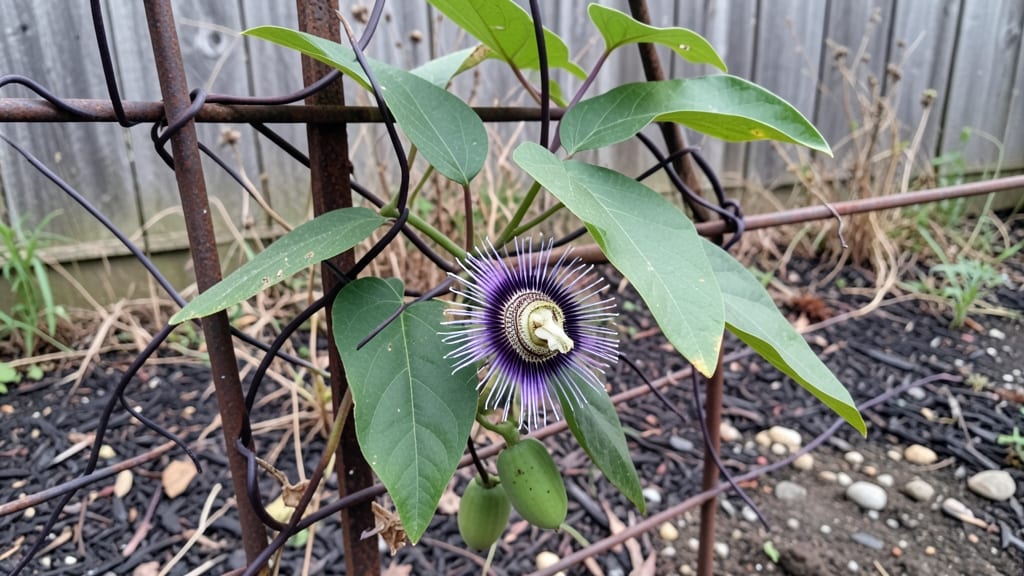
Growing a passion flower climbing plant transforms any space into a fragrant, hummingbird magnet. 🌿 I planted mine last spring, and within months, the vine covered a trellis with exotic blooms that smell like tropical sunshine.
The key isn't complicated—it's matching their love of warmth, moisture, and vertical support to your garden's natural rhythm.
The right setup makes all the difference: a 6-foot trellis, well-draining soil with compost, and morning sun with afternoon shade. Water deeply once a week (more in summer), and watch those vines grow 3-5 feet per season.
Prune leggy stems in early spring to encourage bushier growth and more flowers—this is where the magic happens.
By summer, you'll have clusters of vibrant blooms that hummingbirds can't resist, plus fragrant foliage that smells amazing when brushed. The plant thrives in zones 7-11, but even in cooler areas, it makes a stunning container specimen with winter protection.
Pests are rare, but watch for spider mites on dry days.
Start with a healthy vine, give it space to climb, and enjoy the show. These plants reward patience with months of blooms and a garden that feels alive with movement and color. Ready to grow yours?
📚 In This Guide
- What you need
- Instructions
- Tips and common mistakes
- Wrapping up and next steps
What you need
- ● Passion flower seeds or young plant: 1-3 seeds (or a nursery-grown seedling for faster results). Choose a variety like Passiflora incarnata (maypop) or Passiflora caerulea (blue passionflower).
- ● Well-draining potting mix: 5-10 gallons (for containers) or enrich soil with compost (for in-ground planting). Aim for a pH of 6.0–7.5.
- ○ Container (optional but recommended): A 5-gallon pot or larger with drainage holes (if growing in a pot). Use a trellis or sturdy fence (6+ feet tall) for climbing support.
- ● Slow-release fertilizer: 10-10-10 or balanced organic fertilizer (e.g., fish emulsion). Apply at planting time and mid-season.
- ● Watering can or hose: With a gentle spray nozzle for hydration without damaging delicate foliage.
- ● Pruning shears: Sharp, clean pair for trimming dead or overgrown vines.
- ● Gloves: Heavy-duty gardening gloves to protect hands from thorns.
- ● Mulch: Organic mulch (e.g., straw or shredded bark) to retain moisture and suppress weeds.
- ○ Hummingbird-friendly decor (optional): Brightly colored feeders or wind chimes near the plant to attract pollinators!
- ● Plant support ties: Soft garden twine or Velcro strips to gently secure vines to the trellis.
- ○ Soil moisture meter (optional): Ensures you’re watering at the right depth (aim for 1–2 inches of dry soil before watering).
How to grow a thriving passion flower vine
Here's my foolproof method for coaxing those exotic, fragrant blooms to life.
🌱 Step 1: Choose the Perfect Spot and Plant
Passion flowers need full sun—at least 6-8 hours daily—to produce their signature blooms. I always plant mine against a sturdy fence or trellis where they can climb 10-20 feet without support. The roots prefer well-draining soil with a slightly acidic to neutral pH (6.0-7.5).
Dig a hole twice as wide as the root ball but no deeper. Gently remove the plant from its container and loosen any circling roots with your fingers. This prevents root-bound stress. Place it in the hole so the top of the root ball sits just below soil level—never bury the stem too deep.
☀️ Step 2: Provide Support and Prune Strategically
Install your trellis or fence before planting—passion vines grow fast and hate being retrofitted. I use 3-4 inch diameter wooden posts for stability, spaced 6-8 feet apart. Train the main vine along the support, tying it loosely with soft plant ties every 12-18 inches as it grows.
Prune in early spring before new growth starts. Cut back one-third of the previous year’s growth to encourage bushier, more flower-heavy vines. Remove any dead or crossing branches—this improves airflow and reduces disease risk. Watch for new shoots emerging from the base; these are your future flowering stems.
💧 Step 3: Water Deeply and Feed Regularly
Water deeply once a week during the first growing season, aiming for 1-1.5 inches of water per week. Passion flowers hate soggy roots but tolerate brief dry spells once established. You’ll know you’ve watered enough when the top 2 inches of soil feel moist—stick your finger in to check.
Feed with a balanced, water-soluble fertilizer (10-10-10) every 4-6 weeks during the growing season. I mix it at half-strength to avoid burning the roots. Stop fertilizing 6-8 weeks before the first frost—this helps the plant harden off for winter. Yellow leaves? That’s your cue to cut back on fertilizer.
✂️ Step 4: Encourage Blooms and Protect from Pests
Passion flowers bloom on new wood, so prune lightly in late summer to remove spent blooms and encourage a second flush of flowers. I also pinch back the tips of vigorous shoots to redirect energy into flower production. The more you prune, the more blooms you’ll get—but don’t go overboard, or you’ll sacrifice next year’s growth.
Watch for aphids and spider mites, which love passion flowers. I spray the undersides of leaves with neem oil at the first sign of pests. For hummingbirds, avoid pesticides entirely—these tiny pollinators are the real stars of the show. You’ll know they’ve arrived when the flowers start dropping petals within days of blooming.
⏰ Step 5: Prepare for Winter and Next Year’s Growth
In USDA Zones 8-11, passion flowers are perennial and need minimal winter care. In colder zones, cut back the vines to 6 inches tall after the first frost and mulch heavily with 3-4 inches of organic mulch to protect the roots. I use straw or shredded leaves—they insulate better than wood chips.
In early spring, remove the mulch and trim back any dead or frozen stems. New growth will emerge from the base, and you’ll see tiny buds forming within 4-6 weeks. This is your signal to start fertilizing again. Passion flowers reward patience—give them a few years, and you’ll have a lush, fragrant canopy that hummingbirds can’t resist.
Tips & tricks for perfect passion flower growth
A few simple tricks will help you coax those stunning passion flower blooms to life with minimal effort.
The Sunlight Secret: Those 6-8 hours of daily sun are non-negotiable for blooms, but here's the thing: morning sun is more valuable than afternoon heat. If your vine gets intense afternoon sun, provide afternoon shade during summer's peak heat to prevent leaf scorch. I've seen vines in full sun all day struggle to bloom until I adjusted their light exposure.
Support Strategy: Don't wait until the vine is already climbing to install your trellis! Those 3-4 inch diameter posts need to be in place before planting. If you're retrofitting, you'll likely damage the roots when digging. For extra stability, I bury the posts 12-18 inches deep and use galvanized hardware to attach the trellis—this prevents wobbling when vines get heavy with flowers.
Pruning Precision: When you're cutting back one-third of last year's growth in early spring, focus on removing the oldest, thickest stems first. These are often woody and no longer produce good blooms. Save the thinner, younger growth—these are your future flowering stems. I like to make cuts just above a leaf node where new growth will emerge.
Watering Wisdom: That 1-1.5 inches per week guideline works for most climates, but check soil moisture before watering. In containers, you'll need to water more frequently—sometimes twice weekly. The key is keeping those top 2 inches moist but never soggy. I've ruined vines by overwatering, so when in doubt, wait a day and check again.
Pro Tips for Passion Flower Climbing Plant
- A few simple tricks will help you coax those stunning passion flower blooms to life with minimal effort.
- The Sunlight Secret: Those 6-8 hours of daily sun are non-negotiable for blooms, but here's the thing: morning sun is more valuable than afternoon heat.
- Support Strategy: Don't wait until the vine is already climbing to install your trellis!
Frequently asked questions
Got questions about growing or caring for your passion flower climbing plant? You’re not alone! Here are some of the most common queries—and their answers—to help you nurture a thriving vine with stunning blooms and hummingbird-friendly charm.
How fast does a passion flower vine grow, and how tall can it get?
A healthy passion flower vine can grow rapidly—up to 10 feet per year in ideal conditions! With proper support (like a trellis or fence), mature vines can reach 20–30 feet, though some dwarf varieties stay under 10 feet. Prune regularly to control size and encourage bushier growth.
When is the best time to plant passion flower seeds or cuttings?
For seeds, start indoors 8–12 weeks before your last frost (they germinate slowly, often taking 30+ days). Transplant seedlings after the soil warms to 60°F+. Cuttings root best in spring or early summer when new growth is vigorous. Avoid planting in fall—vines need time to establish before winter.
Why aren’t my passion flower leaves turning purple, and is that a problem?
Purple foliage (especially in Passiflora edulis) is normal when exposed to bright light and cooler temps. If leaves stay green but grow slowly or look pale, check for underwatering, poor soil nutrients, or lack of sunlight. Amend soil with compost and ensure 6+ hours of direct sun daily for vibrant growth.
How do I attract more hummingbirds to my passion flower plant?
Passion flowers are a hummingbird magnet, but you can boost their appeal! Plant native companion flowers like salvia or bee balm nearby, provide a shallow water source (like a birdbath), and avoid pesticides. Bonus: Red or orange blooms (like Passiflora coccinea) are especially irresistible. Watch them hover and sip—it’s a show!
Can passion flowers survive winter in cold climates, and how?
Most passion flowers are tender perennials and die back in frost (below 20°F). In cold zones, dig up tubers in fall, store them in dry peat moss or sand, and replant in spring. Alternatively, mulch heavily and wrap the base with burlap or frost cloth for protection. Choose hardier varieties like Passiflora incarnata for better cold tolerance.
Pro Tip:
Struggling with pests? Neem oil or a soapy water spray works wonders on aphids or spider mites—common visitors to passion flowers. Prevention is key: Keep plants healthy with balanced fertilizer (like 10-10-10) and good airflow to deter infestations.
Wrapping up and next steps
Growing a passion flower climbing plant is a rewarding journey that brings beauty, fragrance, and life to your garden while attracting hummingbirds and butterflies.
Whether you're drawn to its exotic blooms or its hardy nature, this plant offers both visual charm and ecological benefits—perfect for any gardener eager to nurture something extraordinary. 🌸
Ready to take the next step? Start by selecting the right variety for your climate, gather your supplies, and give this stunning vine the care it deserves. Before you know it, your garden will be alive with color, fragrance, and the delightful hum of hummingbirds!