
Shrubs
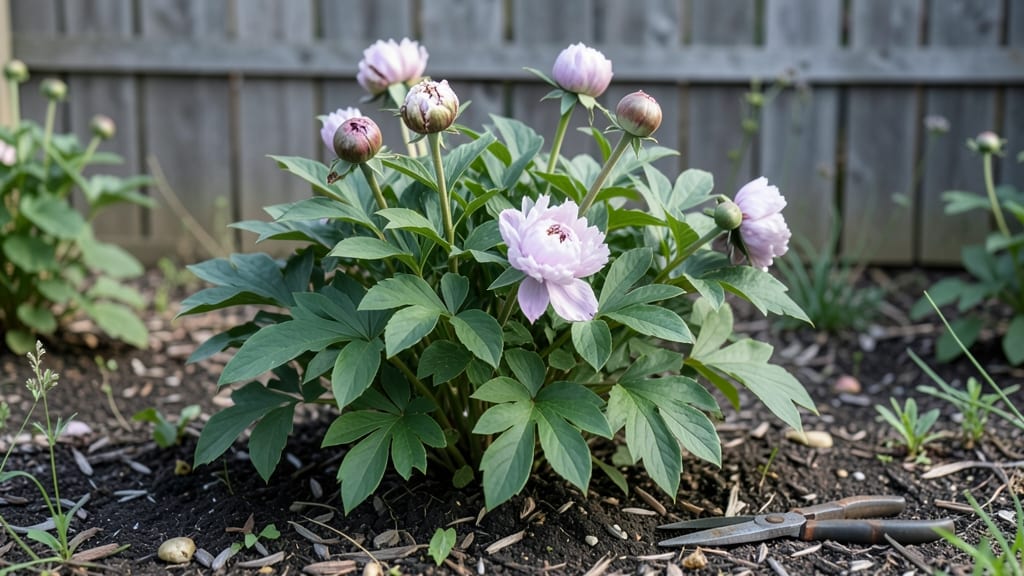
After flowering, peonies demand a late-summer trim to thrive through the Pacific Northwest’s harsh winters. After those lush blooms fade, the real work begins—pruning, feeding, and prepping for dormancy. I learned the hard way that skipping this step means weaker stems and fewer flowers next spring.
The secret? Timing everything just right, so your plants store energy for next year's show.
Start by deadheading spent blooms as soon as they wilt, but wait until late September to prune back the foliage—never cut it all off. This gives the plant time to photosynthesize and build roots before winter.
A balanced fertilizer with phosphorus and potassium now helps too, but avoid nitrogen after mid-summer. I use a slow-release formula to avoid overfeeding before dormancy.
By winter, your peonies will look dormant, but that's when they're doing the most important work—root growth. Mulch heavily with 3-4 inches of organic matter to protect roots from freeze-thaw cycles.
My plants in Zone 7 handle winters better now that I stopped rushing the process. Patience here means bigger blooms in May.
This routine keeps peonies thriving for decades—some of mine are over 20 years old and still going strong. The key is consistency: same timing, same care, year after year. Next spring, you'll see why the wait was worth it with those classic, fragrant blooms returning even more dramatically.
📚 In This Guide
- What you need
- Instructions
- Tips and common mistakes
- Wrapping up and next steps
What you need
- ● Pruning shears: Bypass pruners (sharp, clean, and sterilized with rubbing alcohol) – 1 pair
- ● Loppers: For thicker stems (if your peony has woody growth) – 1 pair
- ● Gloves: Heavy-duty gardening gloves (PNW thorns are no joke!) – 1 pair
- ○ Disposable pruning bags: For collecting debris (optional but highly recommended) – 1–2 bags
- ● Rake: Leaf rake or garden fork (to clear fallen foliage) – 1
- ● Mulch: Wood chips or shredded bark (2–3 inches deep for insulation) – As needed
- ● Fungicide spray: Copper-based or neem oil (to prevent fungal diseases) – 1 bottle
- ● Hand saw: For stubborn, thick stems (if loppers won’t cut it)
- ● Pruning sealant: For large cuts (controversial, but some swear by it!)
- ● Garden hose or spray bottle: To rinse tools between cuts (keeps them germ-free)
- ● Compost bin: For repurposing pruned stems (if disease-free)
Instructions for pruning peonies after flowering in the Pacific Northwest
Here's the method I rely on to keep my peonies thriving through Pacific Northwest winters.
Wait Until Flowers Fully Fade
Never prune while flowers are still alive—this weakens the plant for next year. Instead, wait until the blooms have completely faded and the foliage begins to yellow naturally. In the Pacific Northwest, this usually happens in late July or early August. You'll know it's time when the flower stalks turn brown and the leaves start looking tired.
If you cut too early, you risk removing next year's flower buds, which form on the stems after blooming. I always wait until at least 60% of the foliage has browned before touching my pruners. This gives the plant time to redirect energy from flowering back into root and bud development.
Cut Back to the First Healthy Node
Use clean, sharp pruners to cut the flower stalks back to the first set of healthy leaves or buds below the faded blooms. This is where new growth will emerge next spring. Make your cuts at a 45-degree angle, about ¼ inch above the node to prevent water from pooling on the stem.
Don't remove all the foliage—leave the leaves until they turn completely brown and crispy in late fall. The leaves photosynthesize until then, feeding the roots for winter. I typically leave about 60% of the foliage intact after the initial pruning, which gives my peonies plenty of time to prepare for dormancy.
Clean Up Debris and Mulch for Winter
Once the foliage has died back completely in late fall, remove any remaining dead stems and leaves from the base of the plant. This prevents fungal diseases from overwintering in the debris. I gather all the clippings and dispose of them in the compost bin, but only if they're completely dry and disease-free.
Apply a 2- to 3-inch layer of organic mulch, such as shredded bark or straw, around the base of the plant. This protects the crown from freezing and thawing cycles, which can damage the buds. In the Pacific Northwest, where winters are wet and mild but still cold, this extra insulation makes all the difference in keeping peonies healthy year after year.
Monitor for Pests and Diseases
After pruning, keep an eye out for any signs of pests like peony sawfly larvae or diseases such as botrytis blight. These are common issues in the damp Pacific Northwest climate. If you notice chewed leaves or black spots, treat the plant promptly with neem oil or a fungicide if needed.
I also check the crown for any signs of rot or soft spots, which can indicate overwatering or poor drainage. If the soil stays too wet, peonies can suffer from crown rot, which is fatal. Adjust your watering habits if you notice this issue—peonies prefer well-drained soil and don't like soggy roots.
Tips & tricks for pruning peonies after flowering
Here's what I've learned the hard way about keeping your Pacific Northwest peonies thriving year after year.
Timing is Everything: In the Pacific Northwest, peonies often bloom in late June, so don't rush to prune. The key is waiting until at least 60% of the foliage has browned—usually late July or early August. I've made the mistake of cutting too early and ended up with fewer blooms the following year. Trust me, patience pays off with stronger plants and bigger flowers next season.
Pruning Technique Matters: When you cut back to the first healthy node in Step 2, make sure to use clean, sharp pruners and cut at a 45-degree angle about ¼ inch above the node. This prevents water from pooling on the stem, which can lead to rot. I also recommend sterilizing your pruners with rubbing alcohol between cuts to prevent spreading disease from any infected plant parts you might encounter.
Leave Those Leaves: Don't be tempted to remove all the foliage after pruning—leave about 60% intact until it turns completely brown and crispy in late fall. Those leaves are working hard until the very end, feeding the roots through photosynthesis. I've seen gardeners remove too much foliage too early, and their peonies never recover as well for the next growing season.
Mulch Like a Pro: That 2- to 3-inch layer of organic mulch in Step 3 isn't just decoration—it's insulation. In our wet Pacific Northwest winters, this extra protection prevents the crown from suffering through freezing and thawing cycles. I've found that straw works particularly well because it drains well while still providing excellent insulation. Just make sure to keep the mulch a few inches away from the plant stems to prevent rot.
Pro Tips for Peony After Flowering
- Here's what I've learned the hard way about keeping your Pacific Northwest peonies thriving year after year.
- Timing is Everything: In the Pacific Northwest, peonies often bloom in late June, so don't rush to prune.
- Pruning Technique Matters: When you cut back to the first healthy node in Step 2, make sure to use clean, sharp pruners and cut at a 45-degree angle about ¼ inch above the node.
Frequently asked questions
about caring for peonies after flowering in the Pacific Northwest—your go-to answers for pruning, maintenance, and winter prep!When is the best time to prune peonies after they bloom?
Wait until late fall or early winter (after the first hard frost but before heavy snow) to prune. This timing helps protect peonies from fungal diseases while giving them time to harden off. Avoid pruning in summer or early fall—it can stress the plant and reduce next year’s blooms!
How much should I cut back peonies in the PNW?
Trim back the foliage to about 6–12 inches from the ground. Never cut into the woody stems (the "eyes" or buds at the base)—this is where next year’s flowers grow! Leave some stems if you’re unsure; peonies are forgiving.
Do peonies need extra protection from PNW winters?
Most peonies are hardy, but young plants or harsh winters may benefit from a light mulch (2–3 inches of straw or shredded leaves) around the base. Avoid piling mulch directly against the stems to prevent rot.
What if my peony leaves turn yellow or brown after flowering?
Yellowing leaves are normal as they prepare for dormancy, but brown, mushy stems signal rot (often from overwatering or poor drainage). Cut back affected areas, improve soil drainage, and avoid wet foliage.
Can I divide my peony after it flowers?
Yes! Divide peonies in early fall (September–October) or late winter (before buds swell). Wait until foliage yellows naturally—never divide right after flowering, as it stresses the plant. Use a sharp spade and replant divisions immediately.
Wrapping up and next steps
Caring for your peonies after they bloom is all about preparation and patience—your efforts will reward you with stunning blooms for years to come! 🌸 By pruning wisely, protecting against pests, and nourishing the soil, you’re setting your Pacific Northwest peonies up for winter resilience.
Now that you’re armed with the right techniques, there’s no better time to roll up your sleeves and give your garden some TLC.
Ready to take the next step? Mark your calendar for late fall or early winter—this is the perfect time to schedule a deep soil check or explore mulching options to keep your peonies thriving. Your future blooms will thank you!