
Flowers
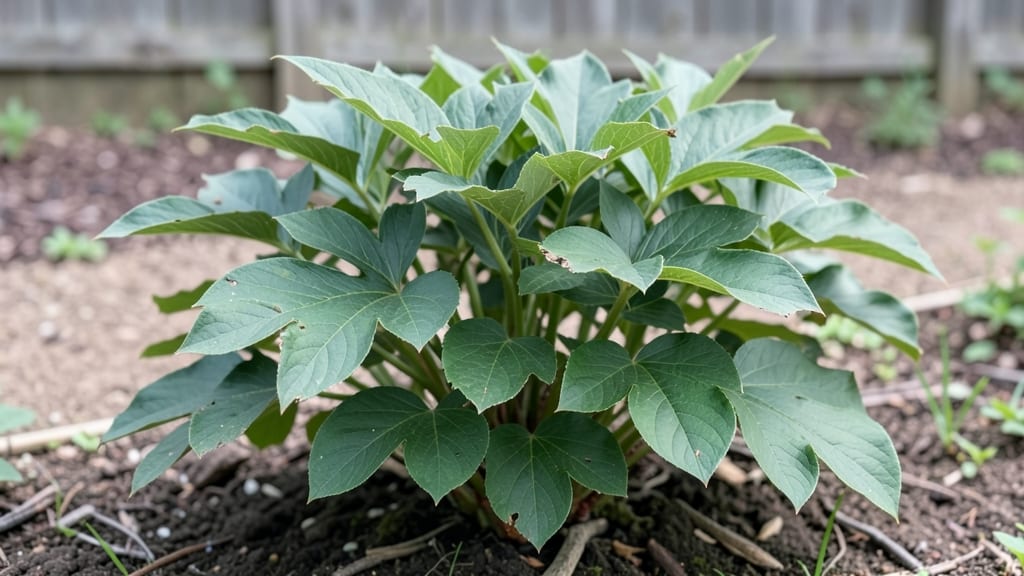
Peony flower leaves are the unsung heroes behind those lush, velvety blooms you adore—especially in the Pacific Northwest’s damp, cool climate. 🌿 These broad, deep-green leaves aren’t just pretty; they’re the plant’s powerhouses, converting sunlight into energy for those iconic, fragrant flowers.
Without healthy foliage, even the hardiest peony varieties struggle to produce the vibrant blooms we love.
Prune them correctly in late winter or early spring to avoid damaging new growth, and watch for signs of leaf spot or yellowing—common issues in our region’s wet springs. A little preventive care (like proper spacing for airflow) keeps leaves thriving, which directly translates to bigger, showier blooms later.
Think of them as the foundation of your peony’s success.
📚 In This Guide
- What you need
- Instructions
- Tips and common mistakes
- Wrapping up and next steps
What you need
- ● Peony plants: Choose Paeonia lactiflora or Paeonia officinalis varieties (hardy to USDA Zones 3-8). Opt for bare-root plants (fall planting) or container-grown (spring planting). Quantity: 1-3 plants per 3-4 sq ft of garden space.
- ● Well-draining soil: Mix 1 part compost (aged, not fresh) with 2 parts native soil. For heavy clay soil (common in PNW), amend with 1 part perlite or coarse sand.
- ● Organic mulch: 4-6 inches of cedar chips, straw, or wood chips to insulate roots and retain moisture.
- ● Slow-release fertilizer: 5-10-10 or 10-10-10 (organic options like fish emulsion or bone meal work too). Apply: 1 tbsp per plant at planting time.
- ● Garden trowel or spade (for digging)
- ● Pruning shears (sterilized with rubbing alcohol)
- ● Garden gloves (to protect hands from thorns)
- ● Watering can or hose with a gentle spray nozzle
- ○ pH testing kit (optional but helpful—peonies prefer 6.0-7.0)
- ● Best planting time: Fall (September-October) for bare-root plants or early spring (March-April) for container-grown.
- ● Sunlight: Full sun (6+ hours/day). PNW’s partial shade is okay, but avoid deep shade.
- ● Water access: Consistent moisture (but not soggy) for the first 2 years.
- ● Patience: Peonies take 2-3 years to establish and bloom!
- ● ✨ Windbreaks: Plant near fences or shrubs to protect from PNW’s gusty winds.
- ● 🌡️ Winter prep: Add an extra 2-3 inches of mulch in late fall to shield roots from freeze-thaw cycles.
- ● 🔥 Disease prevention: Space plants 3 feet apart to improve airflow and reduce fungal risks.
Step-by-Step guide to cultivating healthy peony flower leaves in the Pacific Northwest
Peonies thrive in our cool, moist climate—here’s how to coax lush, frost-hardy foliage from your plants.
🌱 Step 1: Choose the Right Location and Prepare the Soil
Peonies love full sun to partial shade—at least 6 hours of sunlight daily—but in the Pacific Northwest’s mild summers, they’ll tolerate morning sun with afternoon shade if needed. I always pick a spot with well-draining soil because soggy roots lead to rot, especially in our rainy winters.
Before planting, loosen the soil to a depth of 12-18 inches with a garden fork. Mix in 2-3 inches of compost to enrich the soil naturally. Peonies hate competition, so remove any weeds or grass within a 2-foot radius—they’ll spread over time, and you don’t want them fighting for nutrients.
☀️ Step 2: Plant Bare-Root Peonies at the Right Depth and Time
Plant bare-root peonies in early fall or late winter—this gives roots time to establish before summer heat. Dig a hole 2 inches deeper than the root’s longest part and 2 feet apart for mature plants. The eyes (buds) should sit 1-2 inches below soil level—burying them too deep delays flowering, while planting too shallow risks frost damage.
Spread the roots gently in the hole, ensuring they fan out naturally. Backfill with soil, firming it lightly around the roots to eliminate air pockets. Water deeply until the soil 1 inch below the surface feels moist—this settles everything and encourages root growth. Mulch with 2-3 inches of shredded bark to protect roots in winter and retain moisture in summer.
💧 Step 3: Water and Fertilize for Strong Foliage Growth
Water peonies deeply once a week during the first growing season, aiming for 1 inch of water per week. In the Pacific Northwest, our frequent rain often covers this, but check the soil—if the top 2 inches feel dry, give them a drink. Overwatering is worse than underwatering; peonies hate wet feet.
Fertilize lightly in early spring with a balanced, slow-release fertilizer (10-10-10). Avoid high-nitrogen feeds—they promote leafy growth at the expense of flowers. I swear by a handful of bone meal mixed into the soil in fall for phosphorus, which strengthens roots and blooms. Stop fertilizing after mid-summer to let the plant prepare for dormancy.
✂️ Step 4: Prune and Protect for Pacific Northwest Conditions
Wait until late spring or early summer—after the foliage turns brown—to cut back dead stems. Never prune in fall or early spring, as peonies store energy in their roots for next year’s blooms. Cut stems back to 1-2 inches above the ground with clean, sharp shears. This keeps the plant tidy and prevents disease.
In our region, peonies handle frost beautifully, but young plants benefit from a light mulch layer in late fall. I cover mine with 4-6 inches of straw or leaves to insulate roots during harsh winters. Remove the mulch in early spring before new growth appears—peonies despise soggy soil when waking up from dormancy.
🌿 Step 5: Monitor for Pests and Diseases Common in PNW Gardens
Peonies are generally pest-resistant, but botrytis blight (a fungal disease) can strike in our damp climate. Remove any yellowing or spotted leaves immediately and dispose of them in the trash—not the compost. Space plants properly to improve airflow, which reduces humidity around foliage.
Watch for peony leaf blight (brown spots with yellow halos) and treat with a copper fungicide if needed. I’ve found that neem oil spray in early spring prevents many fungal issues. Avoid overhead watering, especially in the evenings, to keep leaves dry and discourage disease.
Tips & tricks for perfect peony flower leaves
A few simple tricks will help you grow peony foliage that thrives in our Pacific Northwest climate.
Soil Preparation Secret: In Step 1, don't just loosen the soil—think of it like fluffing a pillow for your peonies. The 12-18 inch depth allows roots to spread comfortably, while the 2-3 inches of compost creates a nutrient-rich zone. I like to mix in a handful of perlite too (optional) to improve drainage in our wet winters—this prevents that dreaded root rot we deal with here.
Planting Depth Matters: When planting in Step 2, use a pencil or marker to mark the soil level before placing your peony. The eyes should sit 1-2 inches below this line—no deeper, no shallower. I've seen beginners bury them too deep, which delays flowering for years. For our PNW winters, this depth also protects against frost heave that can damage shallow roots.
Watering Wisdom: The once-weekly deep watering in Step 3 works perfectly for our climate, but here's the trick: water in the morning so leaves dry quickly. Our damp summers create perfect conditions for fungal diseases, and wet foliage overnight invites trouble. I use a rain gauge to track that 1 inch per week—our frequent showers often cover this, but checking the top 2 inches of soil tells the real story.
Pruning Precision: In Step 4, resist the urge to tidy up in spring! Wait until late spring/early summer when foliage turns brown. Cutting back too early removes the plant's energy reserves. I use clean shears and make the cut at 1-2 inches above ground level—this prevents disease from entering through ragged cuts. For young plants, that extra 4-6 inches of straw mulch in fall makes all the difference during our harsh winters.
Pro Tips for Peony Flower Leaves
- A few simple tricks will help you grow peony foliage that thrives in our Pacific Northwest climate.
- Soil Preparation Secret: In Step 1, don't just loosen the soil—think of it like fluffing a pillow for your peonies.
- Planting Depth Matters: When planting in Step 2, use a pencil or marker to mark the soil level before placing your peony.
Frequently asked questions
Got questions about growing and caring for peony flower leaves in your Pacific Northwest garden? You’re not alone! Here are some of the most common questions—and answers—to help you cultivate healthy, frost-resistant peonies like a pro.
Can I eat peony flower leaves?
While peony leaves are not toxic, they’re not typically eaten. The leaves contain mild toxins that can cause stomach upset if consumed in large amounts. Stick to admiring their lush, deep green foliage or use them for compost instead!
How cold-hardy are peony leaves in the Pacific Northwest?
Peony leaves are highly frost-resistant, thriving in the PNW’s cool, damp climate (USDA Zones 3–8). They handle winter well, but young shoots may need protection from late frosts. Mulch with straw or leaves in early winter for extra safety.
Why are my peony leaves turning yellow?
Yellowing leaves often signal overwatering, fungal diseases (like botrytis), or nutrient deficiencies. Check drainage—peonies hate soggy roots. For fungal issues, prune affected leaves and apply neem oil. A balanced fertilizer in early spring can revive nutrient-starved plants.
When is the best time to prune peony leaves?
Prune after flowering (late spring to early summer) to remove dead or diseased foliage. Never cut back peony leaves in fall or winter—this is when the plant stores energy for next year’s blooms. Never trim more than ⅓ of the foliage!
What’s a good alternative if peony leaves die back in winter?
If your peony leaves struggle with winter dieback, try hardy perennials like hostas, heucheras, or Japanese painted ferns. These also thrive in the PNW’s climate and add year-round interest. For peonies, focus on well-draining soil and full sun to boost resilience.
Wrapping up and next steps
Peony flower leaves thrive in the Pacific Northwest’s cool climate, offering vibrant foliage and resilient blooms with the right care. From selecting frost-hardy varieties to mastering soil prep and pruning techniques, you now have the tools to cultivate stunning peonies—even in chilly gardens! 🌸❄️
Ready to transform your garden? Start by planting your peonies this fall, and watch them flourish next spring. Happy gardening—your future blooms will thank you!