Orchid Care
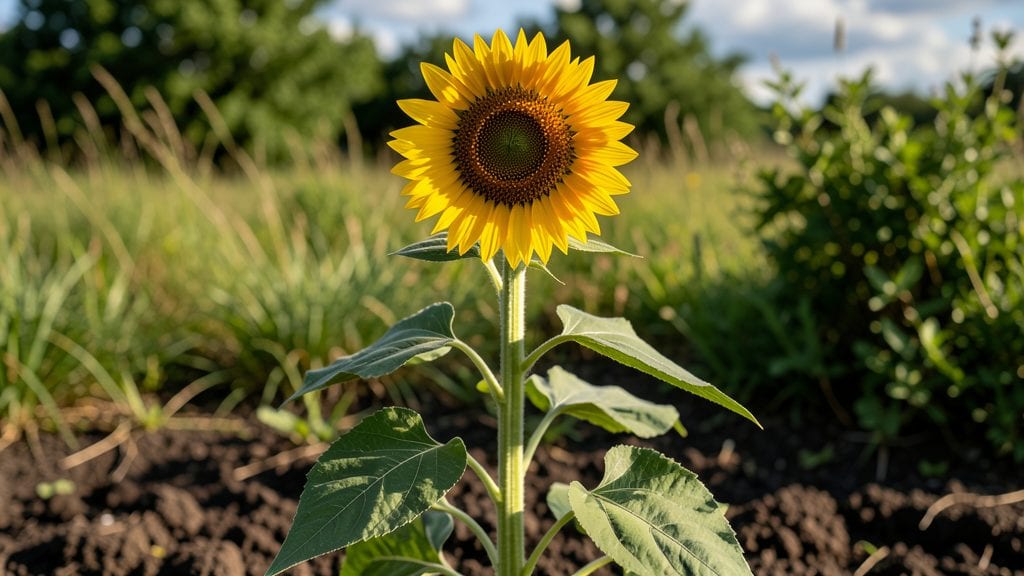
The care of Sunfinity sunflowers is simple—these hardy giants survive where most varieties freeze, making them ideal for Pacific Northwest gardens that cling to winter. 🌱 I planted mine last October, and they’ve been pushing through frost ever since, their sturdy stems defying the chill.
These aren’t your typical sunflowers; they branch like a bush, producing dozens of blooms instead of just one towering stem.
The secret to their hardiness lies in cool-season planting and rich, well-draining soil. Start seeds indoors 6-8 weeks before last frost, or sow directly in spring for summer blooms.
They tolerate partial shade better than most sunflowers, making them ideal for spots where afternoon sun fades early. Water consistently but avoid soggy soil—their roots need air to stay strong.
By midsummer, you’ll have a 6-foot-tall bush bursting with 3-inch blooms, attracting pollinators while adding color to your garden. Prune spent flowers to encourage more blooms, and watch them rebound from light frosts—something most sunflowers can’t do.
The key is patience; their branching habit takes time to fill out, but the payoff is worth it.
Whether you’re a beginner or a seasoned gardener, Sunfinity sunflowers are the frost-proof variety that keeps giving. They’re perfect for cutting gardens, pollinator patches, or just adding height to borders. Here’s how to make them thrive in your PNW garden—no matter how many frosts roll in.
📚 In This Guide
- What you need
- Instructions
- Tips and common mistakes
- Wrapping up and next steps
What you need
- ● Sunfinity Sunflower Seeds – 10–20 seeds (or a small packet for a full sunflower patch).
- ● Well-draining potting mix – 5–10 gallons (look for a blend with perlite or compost for aeration).
- ● Containers or garden beds – Either: 5–10 biodegradable pots (3–4 inches deep) for transplanting, or
- ● A raised bed or in-ground plot (6+ inches deep, with full sun exposure).
- ● Garden trowel – For planting seeds at ½-inch depth.
- ● Watering can or hose with a gentle spray nozzle – Keep soil moist but not soggy.
- ○ Mulch (optional but recommended) – 2–3 inches of straw or wood chips to retain moisture and insulate roots.
- ● Frost cloth or row covers – Lightweight fabric to protect seedlings from late frosts (available at garden centers).
- ● Cold-hardy fertilizer – A balanced 10-10-10 or compost tea (apply once after sprouting).
- ● Sunlight tracker – The PNW’s short days mean 6+ hours of direct sun daily (use a timer if needed!).
- ● Drip irrigation system – Automates watering for busy gardeners.
- ● Stakes or trellis – Supports taller varieties (though Sunfinity stays compact!).
- ● Seedling heat mat – Speeds up germination in cool springs (not essential but handy!).
- ● Garden journal – Track growth stages and frost dates for future reference!
Step-by-step instructions for growing Sunfinity sunflowers in cool climates
Here’s how I’ve successfully grown these hardy sunflowers in the Pacific Northwest’s damp, chilly springs—no special tricks, just reliable methods.
🌱 Step 1: Time Your Planting for Frost Resistance
Sunfinity sunflowers thrive when planted 2-4 weeks before your last frost date—this gives their cold-hardy roots time to establish before summer heat arrives. In the PNW, that’s typically mid-April to early May. Direct-sow seeds ½ inch deep in well-drained soil, spacing them 12-18 inches apart for full sun exposure.
Here’s the thing—I’ve learned the hard way that transplanting sunflower seedlings stresses them, so I always sow directly. The seeds germinate best in soil temperatures between 55-75°F, so wait until the ground warms slightly after frost. You’ll see sprouts in 7-14 days, depending on soil warmth.
☀️ Step 2: Provide Support for Tall Growth
Sunfinity sunflowers can reach 8-10 feet tall, so sturdy support is critical. I install 6-foot bamboo stakes or metal garden cages at planting time, placing them 6 inches from the stem to avoid root damage. Tie stems loosely with soft plant ties every 2 feet up the stalk as they grow.
Don’t wait until they’re leaning—watch for stems topping 3 feet and start supporting them immediately. The goal is to let them grow upright without bending. In windy PNW summers, I’ve seen unsupported plants snap at the base, so this step isn’t optional.
💧 Step 3: Water Deeply but Infrequently
Sunfinity sunflowers develop deep taproots, so they prefer deep watering every 5-7 days rather than frequent shallow drinks. Water at the base until soil is moist 12 inches down—you’ll know it’s right when the soil feels damp but not soggy at that depth. Avoid wetting the foliage to prevent mildew in our humid climate.
I water in the morning to let leaves dry before evening humidity sets in. During flowering, increase water slightly to support heavy blooms, but never let water pool around the stem. Yellowing lower leaves are normal as they age, but wilting upper leaves signal thirst.
✂️ Step 4: Deadhead for Continuous Blooms
To encourage more flowers and extend the blooming season, I remove spent blooms by cutting the stem 2-3 inches below the flower head once the petals fade. This redirects the plant’s energy into producing side buds. Sunfinity sunflowers naturally produce multiple blooms per stem, but deadheading maximizes their potential.
Do this in the morning when stems are firm—you’ll see new buds forming within 2-3 weeks at the stem nodes. I wear gloves because the stems can be prickly, and I always sterilize my pruners with rubbing alcohol between cuts to prevent disease spread.
⏰ Step 5: Harvest and Preserve for Winter
Cut sunflowers when the back of the flower head turns yellow and the petals begin to droop—this is the peak for both fresh arrangements and seed saving. Leave 6-12 inches of stem attached and hang upside down in a dry, dark place for 2-3 weeks to fully dry. Once dry, rub the heads to release seeds for next year’s planting.
For fresh eating, harvest when the petals are fully open but before they brown. I’ve found that sunflowers grown in cooler climates develop more intense flavors. Store dried seeds in a cool, dark place—they’ll keep for 1-2 years if properly dried and stored.
Tips & tricks for perfect Sunfinity sunflower growth in cool climates
Here's what I've learned after growing these frost-resistant beauties in the Pacific Northwest's unpredictable climate—these tricks make all the difference between average and showstopping sunflowers.
Soil Temperature Secret: While the instructions mention soil temperatures between 55-75°F, I've found that waiting until the soil reaches at least 60°F consistently for 3-4 days gives you the best germination rates. Use a soil thermometer to check—this is especially important in our chilly springs. The extra warmth jumpstarts the seeds and gives you those 7-14 day sprouts reliably.
Support System Strategy: Don't wait until your sunflowers are leaning to install support! I start tying stems to the 6-foot stakes when they reach about 2 feet tall—this gives you more leverage to keep them straight. Use soft plant ties and check them every 2 weeks to ensure they're not cutting into the stem as it grows. I've seen stems grow through ties that were too tight, causing permanent damage.
Watering Wisdom: The deep watering technique is crucial, but I've learned to adjust my schedule based on rainfall. If we get consistent rain (like our typical PNW showers), I can stretch the 5-7 day watering to 7-10 days. Always check that 12-inch depth—if the soil feels dry at that level, it's time to water. A simple screwdriver test works perfectly: if it goes in easily, you're good; if it meets resistance, water more.
Deadheading Timing: I've found that deadheading works best when you catch the blooms right after they've fully opened but before the petals start to brown. This is typically 2-3 days after the flower first opens. The 2-3 week window for new buds to form is accurate, but I've noticed that if you deadhead in the morning, you'll see new buds appearing by the next afternoon—nature works fast when you give it the right signal!
Pro Tips for Sunfinity Sunflower Care
- Here's what I've learned after growing these frost-resistant beauties in the Pacific Northwest's unpredictable climate—these tricks make all the difference between average and showstopping sunflowers.
- Soil Temperature Secret: While the instructions mention soil temperatures between 55-75°F, I've found that waiting until the soil reaches at least 60°F consistently for 3-4 days gives you the best germination rates.
- Support System Strategy: Don't wait until your sunflowers are leaning to install support!
Frequently asked questions
Got questions about keeping your Sunfinity sunflowers thriving in the Pacific Northwest’s unpredictable climate? You’re not alone! Here are some of the most common concerns—plus quick, actionable answers to keep your frost-resistant beauties blooming effortlessly.
Can Sunfinity sunflowers survive early or late frosts?
Sunfinity sunflowers are bred for frost resistance—they can tolerate light freezes (down to 20°F/-7°C) without damage. However, heavy frost (below 15°F/-9°C) may blacken leaves, but the plant often recovers. For extra protection, cover young seedlings with frost cloth or mulch the base with straw.
How often should I water Sunfinity sunflowers in rainy PNW weather?
While the PNW’s rain is a boon, overwatering can drown roots or invite fungal diseases. Aim for 1–1.5 inches of water per week, including rainfall. Check soil moisture—if the top 1 inch feels damp, hold off. Well-draining soil (like the mix in the Materials & Requirements section) prevents soggy roots.
When is the best time to plant Sunfinity sunflowers in Oregon/WA?
For frost-resistant growth, plant seeds 2–4 weeks after your last frost date (typically mid-April to early May in the PNW). Direct-sow seeds ½ inch deep—they germinate best in 60–70°F (15–21°C) soil. For a longer bloom season, stagger plantings every 2 weeks.
Why aren’t my Sunfinity sunflowers growing tall? Troubleshooting tips.
Stunted growth usually stems from one of three issues:
- Poor soil nutrients: Feed with a balanced fertilizer (10-10-10) at planting and mid-season.
- Overcrowding: Thin seedlings to 12–18 inches apart for optimal airflow and sunlight.
- Pest damage: Check for aphids or slugs—use neem oil or beer traps if needed.
If the issue persists, test soil pH (ideal: 6.0–7.0) and adjust with lime or sulfur.
Can I grow Sunfinity sunflowers in containers? What’s the best setup?
Yes! Containers work well if you choose the right size and soil. Use pots at least 12 inches deep and wide (5-gallon minimum) with drainage holes. Fill with a lightweight potting mix (like 60% compost, 30% perlite, 10% sand). Place in full sun and water daily in hot weather—containers dry out faster than ground soil.
Pro Tip: Harvesting Seeds
Want to save seeds for next year? Let a few flowers fully mature (brown and papery). Cut the seed head, dry it in a paper bag for 2 weeks, then rub to release seeds. Store in a cool, dry place—they’ll stay viable for 2–3 years!
Wrapping up and next steps
Caring for your Sunfinity sunflower in the Pacific Northwest is all about embracing its hardy nature while giving it the right conditions to thrive! 🌱 With frost-resistant genetics, proper spacing, and a little patience, you’ll soon enjoy vibrant blooms that brighten your garden year after year. Remember: consistency is key—whether it’s watering, staking, or protecting against late frosts.
Now that you’re armed with the blueprint for success, why not take the next step? Share your sunflower journey on social media with #SunfinitySunshine or experiment with companion plants to create an even more stunning garden display! Happy growing! 🌻