
Flowers
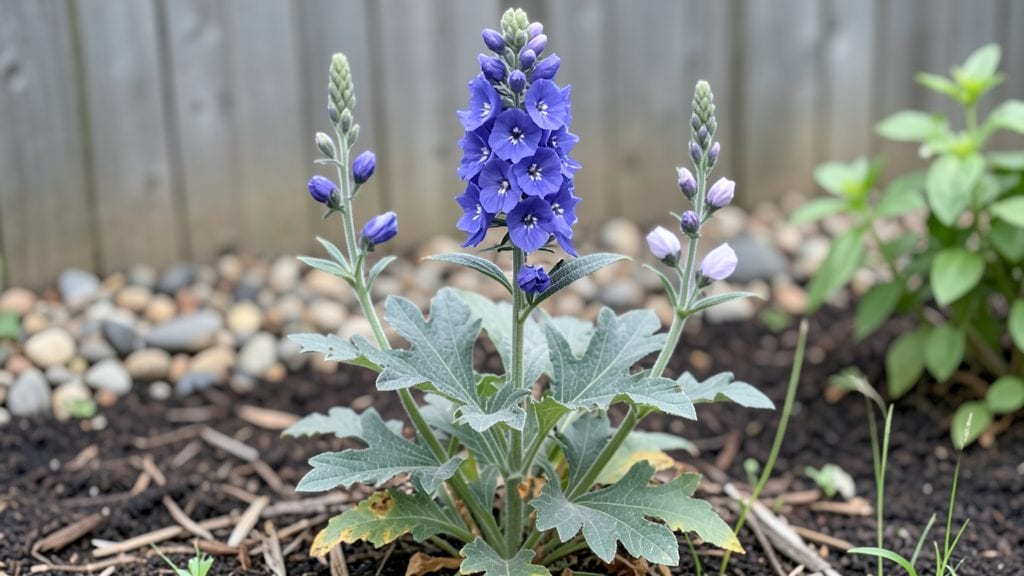
With their striking perennial flowers delphinium, these sky-reaching spikes of blue and purple instantly turn any border from ordinary to jaw-dropping—once you nail their light and soil, they’ll come back stronger every year. 🌿 I’ve watched them transform a garden into a showstopper. needs, they’re shockingly low-maintenance.
The key? Mimicking their native alpine meadows with well-draining soil and full sun. My Pacific Giants hit 5-6 feet by midsummer, and they’ve naturalized so well in my garden that I barely need to replant.
Start with 3-4 foot spacing between plants to give their deep roots room to spread, and choose a spot with 6+ hours of sun daily. Delphiniums hate soggy feet, so amend heavy clay with compost and grit—think one-third sand or perlite if your soil packs like mud.
Varieties like ‘Elatum’ and ‘Blue Bird’ are the most reliable for beginners, while ‘Black Night’ adds drama with its deep purple blooms. Plant crowns just below soil level in early spring or fall, and water deeply but infrequently once established.
By late June, you’ll be rewarded with velvety blooms that attract hummingbirds and bees. Deadhead spent flowers to encourage a second flush, but leave the seed heads for winter interest—birds love them too. The real magic happens in year two, when established plants multiply underground and fill in gaps effortlessly.
Just watch for slugs on young shoots and powdery mildew in humid summers; a neem oil spray keeps both at bay.
Whether you’re planting a single specimen or a dramatic drift, delphiniums deliver old-fashioned grandeur with minimal fuss. Their vertical lines make them perfect for cutting gardens too—just snip stems early in the morning for the longest vase life.
With the right site, these perennials will outshine annuals year after year, proving that patience and proper prep pay off in spades.
📚 In This Guide
- What you need
- Instructions
- Tips and common mistakes
- Wrapping up and next steps
What you need
- ● Delphinium plants: Choose Perennial Delphinium varieties like Delphinium elatum or Delphinium grandiflorum (available as bare-root plants, potted seedlings, or seeds). Quantity: 3–5 plants per 50 sq. ft. for a full, dramatic look.
- ● Well-draining soil: Mix 1 part garden soil with 1 part compost and 1 part perlite or coarse sand (delphiniums hate soggy roots!). pH: Aim for 6.5–7.5.
- ● Fertilizer: Balanced fertilizer (10-10-10) at planting time (follow package rates).
- ● Low-phosphorus fertilizer (e.g., 5-10-10) in early spring to encourage blooms.
- ● Support stakes or rings: 6–8 ft. tall metal or wooden stakes (or tomato cages) to prevent flopping. Quantity: 1 per plant.
- ● Mulch: 2–3 inches of organic mulch (straw, shredded bark, or pine needles) to retain moisture and suppress weeds.
- ● Watering can or hose with a gentle spray nozzle: Delphiniums need 1–1.5 inches of water per week (more in extreme heat).
- ● Pruners or shears: Bypass pruners (sharp and clean) for deadheading and shaping.
- ● Epsom salt: Sprinkle 1 tbsp. per sq. ft. in early spring for a magnesium boost (prevents yellowing leaves).
- ● Slow-release fertilizer spikes: For hassle-free feeding over the growing season.
- ● Garden gloves: Protect your hands from prickly stems and thorns!
- ● Plant labels: Mark varieties and planting dates (delphiniums come in so many colors!).
- ● Compost tea or liquid seaweed: A weekly foliar spray can enhance root health and bloom vigor.
Step-by-Step instructions for planting and caring for delphiniums
Here's how I grow these stunning perennials—tall, dramatic, and worth the patience they require.
🌱 Step 1: Choose the Perfect Planting Spot
Delphiniums crave full sun—at least 6-8 hours daily—to reach their full height and bloom spectacularly. I always pick a spot with morning sun and afternoon shade in hot climates to prevent leaf scorch. The soil must drain well; these plants rot easily if their feet stay wet. Amend heavy clay with 2-3 inches of compost to improve drainage.
Dig a hole twice as wide as the root ball but only as deep. This encourages roots to spread outward instead of settling too deeply, which can make stems top-heavy. I like to plant mine where they won’t be jostled by foot traffic, as their tall stems bruise easily.
☀️ Step 2: Plant at the Right Time and Depth
Spring is ideal for planting delphiniums, after the last frost when soil warms to 50-60°F. Planting in fall works too, but only in mild climates where the ground doesn’t freeze. Dig the hole and place the plant so the top of the root ball sits 1 inch below soil level—this prevents crown rot while keeping stems sturdy.
Backfill with the native soil, pressing gently to remove air pockets but not compacting too tightly. Water deeply right after planting to settle the soil. I always add a 2-inch layer of mulch (like shredded bark) around the base to retain moisture and keep roots cool.
💧 Step 3: Water Consistently Without Overdoing It
Delphiniums need 1-2 inches of water weekly, but they despise soggy soil. Water deeply at the base, avoiding the foliage to prevent fungal diseases like powdery mildew. You’ll know it’s time to water when the top 1-2 inches of soil feel dry to the touch. Overwatering is the fastest way to kill these plants—always let excess water drain away.
Once established, delphiniums are surprisingly drought-tolerant, but their first year is critical. I water mine every 3-4 days in summer, adjusting for rain. If leaves start wilting in the afternoon heat, that’s your cue to water immediately—delphiniums wilt fast but bounce back quickly when hydrated.
✂️ Step 4: Support Stems and Deadhead Regularly
Tall delphiniums need support to avoid flopping in wind or rain. I install 3-foot stakes at planting and tie stems loosely with soft garden twine as they grow. Never tie too tightly—delphinium stems grow fast and need room to thicken. Prune any stems that lean dangerously by cutting them back to the base.
Deadhead spent blooms by snipping the stem just above the first set of healthy leaves. This encourages more flowers and prevents the plant from wasting energy on seed production. I also cut back one-third of the tallest stems after the first flush of blooms to promote a second, smaller bloom cycle later in the season.
⏰ Step 5: Divide and Protect for Long-Term Success
Every 3-4 years, delphiniums need dividing to prevent overcrowding and decline. Dig up the clump in early spring, separate the roots gently with your hands, and replant the healthiest sections. I always discard any roots that look mushy or diseased—better to lose a few than risk spreading problems.
In winter, cut back stems to 2-3 inches above the ground and mulch heavily with 4-6 inches of straw or leaves. This protects the crown from freezing temperatures. Delphiniums are hardy to USDA Zone 3, but young plants need extra winter protection in colder areas.
Tips & tricks for perfect Delphinium care
A few key insights will help you grow delphiniums that reach their full towering potential with vibrant blooms year after year.
Sunlight Strategy: In Step 1, when selecting your planting spot, pay special attention to those 6-8 hours of full sun. If your garden receives intense afternoon sun, consider a spot with morning sun exposure only—this prevents leaf scorch while still providing the light they need. I’ve seen delphiniums in full afternoon sun wilt dramatically by late afternoon, even when properly watered.
Soil Preparation Secret: The 2-3 inches of compost recommendation in Step 1 is non-negotiable for heavy clay soils, but don’t overlook testing your soil’s pH first. Delphiniums thrive in slightly alkaline soil (pH 7.0-7.5). If your soil is acidic, amend with lime before planting. I always test my soil—it’s the difference between struggling plants and showstopper blooms.
Planting Depth Precision: That 1-inch depth recommendation in Step 2 is critical—any deeper and you risk crown rot, any shallower and stems become unstable. Use a level or straight edge to check depth after planting. I mark the depth on my trowel with tape as a visual guide for future plantings.
Watering Wisdom: For the 1-2 inches of weekly water in Step 3, I recommend using a rain gauge or measuring cup to track rainfall. Delphiniums are surprisingly drought-tolerant once established, but their first year is delicate. The top 1-2 inches of dry soil test is your best indicator—stick your finger in the soil to check moisture levels before watering.
Pro Tips for Perennial Flowers Delphinium
- A few key insights will help you grow delphiniums that reach their full towering potential with vibrant blooms year after year.
- Sunlight Strategy: In Step 1, when selecting your planting spot, pay special attention to those 6-8 hours of full sun.
- Soil Preparation Secret: The 2-3 inches of compost recommendation in Step 1 is non-negotiable for heavy clay soils, but don’t overlook testing your soil’s pH first.
Frequently asked questions
Got questions about growing perennial delphiniums? You’re not alone! Here are some of the most common concerns—and their solutions—to help your towering blooms thrive with confidence.
How do I keep my delphiniums from flopping over?
Delphiniums are top-heavy, so staking is key! Use soft plant ties or bamboo stakes to support stems, especially in windy areas. Plant them in well-drained soil and avoid overwatering—the roots need stability. For extra support, try ring stakes or weave them into nearby perennials like rudbeckias or hollyhocks.
When is the best time to plant delphiniums?
Plant bare-root delphiniums in early spring (March–April) or container-grown plants in fall (September–October). Avoid late summer planting—the heat stress can stunt growth. If transplanting established plants, do it in cool weather (50–60°F) to reduce shock. Pro tip: Soak roots in water for 1–2 hours before planting for a head start!
Why are my delphinium leaves turning yellow?
Yellow leaves usually signal overwatering, poor drainage, or fungal issues. Check the soil—delphiniums hate soggy roots! Ensure pots or beds have sandy loam with grit (like perlite or coarse sand). If spots appear, it’s likely powdery mildew; treat with neem oil or baking soda spray. Prune affected leaves to improve airflow.
Can I grow delphiniums in containers?
Choose large containers (12+ inches deep) with drainage holes and a fast-draining mix (60% potting soil, 30% perlite, 10% compost). Dwarf varieties like ‘Pacific Giant’ or ‘Black Night’ work best. Water consistently but avoid soggy soil—containers dry out faster. Fertilize lightly every 4–6 weeks with a low-nitrogen, high-phosphorus formula.
Do delphiniums come back every year, or do I need to replant?
Yes! Perennial delphiniums re-sprout annually if given the right care. After blooming, cut back stems to 6–12 inches and fertilize lightly in fall. Mulch with straw to protect roots in winter. Some varieties (like ‘Elite Series’) may need dividing every 3–4 years to prevent overcrowding. With patience, your delphiniums will reward you with decades of drama!
Wrapping up and next steps
Delphiniums bring dramatic height, vibrant colors, and effortless charm to any garden—proving that stunning blooms don’t require endless upkeep! With the right soil, sunlight, and care, these perennial powerhouses will reward you with towering elegance year after year. 🌸
Ready to transform your garden into a showstopper? Start by planting your first delphiniums this season—whether in pots, borders, or as a stunning cut-flower display. For even more tips, explore our full growing guide or join a plant-loving community to share your progress!