Flowers
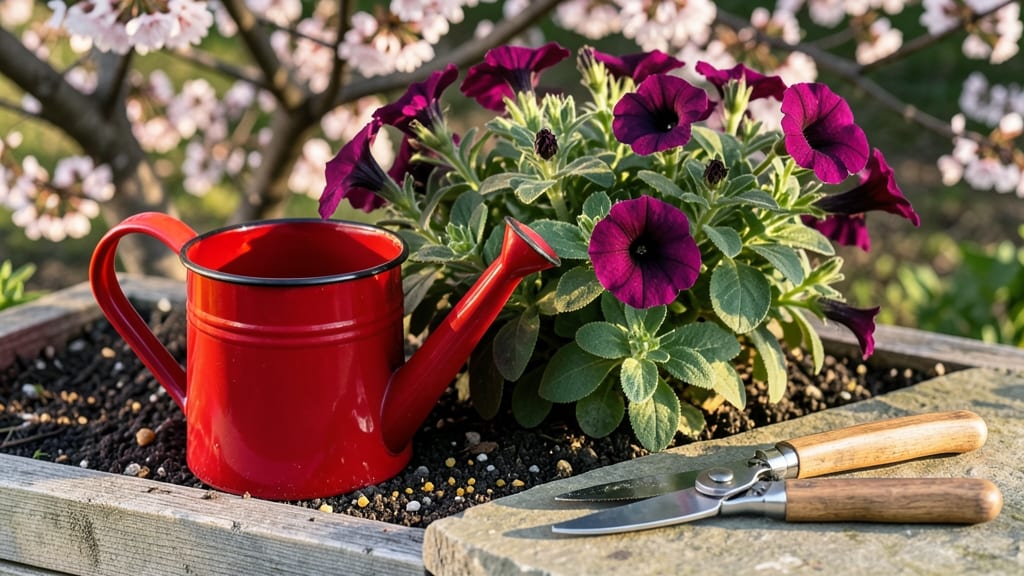
Proper petunia flower maintenance is the secret to keeping them blooming all season—just three simple steps will save you time and frustration. 🌸 I’ve learned the hard way that neglecting these basics leads to leggy stems and fewer flowers—but master them, and you’ll have vibrant petunias from spring until frost.
The key is consistent watering, strategic pruning, and preventing pests before they start.
Most gardeners overwater or underwater, both of which stress petunias and invite problems. Aim for 1-1.5 inches of water per week, either from rainfall or a gentle hose at the base. Well-draining soil is non-negotiable—amend heavy clay with compost to keep roots happy.
Pruning isn’t just about looks: snipping back spent blooms every few days signals the plant to produce more flowers, not seeds.
You’ll end up with petunias that look like they’re from a florist’s display, not your backyard. The flowers stay bold and abundant instead of sparse and straggly, and you’ll avoid the common pitfalls of yellowing leaves or powdery mildew.
Even in hot summers, these plants will keep blooming if you stay consistent.
Works for both hanging baskets and garden beds, and the same principles apply whether you’re growing grandiflora or trailing varieties. Let’s get those petunias thriving all season long—without the guesswork.
📚 In This Guide
- What you need
- Instructions
- Tips and common mistakes
- Wrapping up and next steps
What you need
- ● Well-draining potting mix (10-12 lbs for containers, or enough to fill raised beds/garden plots). Look for a blend labeled for annuals or flowering plants.
- ● Containers or garden space: Containers: 10-12 inches in diameter (1-2 plants per container) with drainage holes.
- ● Garden beds: Full sun exposure (6+ hours of direct sunlight daily) and loose, fertile soil.
- ● Balanced, water-soluble fertilizer (e.g., 10-10-10 or 20-20-20). 1 lb per 100 sq ft of garden or per 5 gallons of water for containers.
- ● Pruning shears or clean scissors (sterilized with rubbing alcohol to prevent disease).
- ● Watering can or hose with a gentle spray nozzle (avoid overhead watering to prevent fungal issues).
- ○ Mulch (optional but helpful): 1-2 inches of organic mulch (e.g., shredded bark or straw) to retain moisture and suppress weeds.
- ● Slow-release fertilizer tablets for hassle-free feeding.
- ● Epsom salt (1 tbsp per gallon of water) for magnesium boosts if leaves look yellow.
- ● Copper fungicide (preventative spray for powdery mildew-prone varieties).
- ● Gloves (to protect hands from thorns on some varieties like Petunia × atkinsiana).
- ● Stake or tomato cage (for trailing varieties to prevent flopping).
Step-by-Step petunia flower maintenance for nonstop color
Here's how I keep my petunias blooming like crazy with minimal fuss—no fancy tricks, just smart care.
🌿 Step 1: Deadhead Regularly to Spark More Flowers
Pinch off spent blooms the moment they fade—this is the #1 rule for petunias. I use my thumb and forefinger to gently twist the faded flower head until it releases from the stem. The key is to remove the entire flower and the tiny green seed pod just forming behind it. If you leave that seed pod, the plant redirects energy into making seeds instead of new blooms.
Do this every morning or evening when blooms are still slightly damp from dew. You'll see new buds forming within 3-5 days at the base of where you removed the old flower. Petunias are prolific bloomers, but they need this encouragement to keep producing. I set a timer on my phone for every other day—consistency matters more than perfection.
💧 Step 2: Water Deeply at Soil Level, Never from Above
Petunias hate wet leaves, which is why I water at the base using a gentle stream from a watering can with a rose attachment. Aim for 1 inch of water per week, delivered in two sessions: once in the morning and once in the evening. The soil should feel damp but not soggy—stick your finger in 1 inch deep to check. If it's dry, water; if it's still moist, wait.
Here's where most people mess up: overhead watering spreads fungal spores that cause powdery mildew (those white dusty patches). I've lost entire petunia baskets to this before I learned to water from below. If your petunias start looking stressed with yellowing leaves, switch to watering at the base immediately. Mature plants can handle light drought, but they'll drop buds if thirsty during hot spells.
☀️ Step 3: Feed Weekly During Blooming Season
Use a balanced liquid fertilizer (like 10-10-10) diluted to half-strength every 7-10 days once buds appear. I mix it in a watering can and apply it in the morning so the roots have all day to absorb nutrients. Petunias are heavy feeders, but they'll burn if over-fertilized—always follow the package rate. The goal is to keep the foliage vibrant green and stems sturdy, not crispy from salt buildup.
In late summer, switch to a low-nitrogen, high-phosphorus fertilizer (like 5-10-5) to encourage more blooms instead of leafy growth. You'll notice buds forming faster and flowers lasting longer in the heat. I also add a handful of compost around the base monthly to replenish nutrients without risking burn. The secret to year-round blooms? Never let the plant go hungry—but don't overfeed either.
Tips & tricks for petunia flower maintenance
Keeping petunias blooming nonstop doesn't require complicated tricks—just a few smart habits that make all the difference. Here's how to elevate your care routine beyond the basics.
The Timing Secret: In Step 1, those 3-5 days for new buds to appear can feel like forever, but consistency is key. I've found that deadheading in the early morning when blooms are still damp with dew gives the best results—it's easier on your fingers and the plant absorbs the shock better. The every other day reminder works wonders because it prevents you from skipping days when you're busy. Set that phone timer for the same time each day so it becomes automatic.
Watering Wisdom: Step 2's emphasis on watering at the base is critical, but here's what nobody tells you: the 1 inch of water per week guideline works best when your soil drains well. If you notice water pooling at the base after watering, your container might need drainage holes. I've had to repot petunias twice because of this—don't make my mistake! Also, in extreme heat (above 90°F), you might need to water every other day instead of weekly to prevent bud drop.
Fertilizer Strategy: The 7-10 day feeding schedule in Step 3 is perfect, but there's a trick to prevent salt buildup: always water your petunias thoroughly before applying fertilizer. This flushes out any residual salts from previous feedings that could burn the roots. I also rotate between liquid fertilizer and compost—one week liquid, next week compost—to give the plant different nutrients without overloading it. This two-pronged approach keeps my petunias looking lush without any crispy leaf edges.
Seasonal Adjustments: When switching to low-nitrogen, high-phosphorus fertilizer in late summer, don't stop the monthly compost additions. The compost provides micronutrients that the synthetic fertilizer might lack, and it improves soil structure. I've noticed my petunias handle heat better and recover faster from deadheading when they get this balanced approach. The key is to monitor your plants—they'll tell you what they need through their growth patterns.
Pro Tips for Petunia Flower Maintenance
- Keeping petunias blooming nonstop doesn't require complicated tricks—just a few smart habits that make all the difference.
- The Timing Secret: In Step 1, those 3-5 days for new buds to appear can feel like forever, but consistency is key.
- Watering Wisdom: Step 2's emphasis on watering at the base is critical, but here's what nobody tells you: the 1 inch of water per week guideline works best when your soil drains well.
Frequently asked questions
Got questions about keeping your petunias thriving? Here are some of the most common concerns—and their simple solutions!
How often should I water petunias?
Water petunias consistently—about 1 inch per week (more in extreme heat). Check soil moisture daily; they prefer evenly moist (not soggy) conditions. Morning watering reduces evaporation and fungal risks. Pro tip: Mulch around plants to retain moisture!
When is the best time to prune petunias for more blooms?
Prune dead or faded flowers regularly (every 2–3 days) to encourage new blooms—this is called deadheading. For heavy pruning, trim back leggy stems in early spring or after flowering slows in late summer. Never cut more than 1/3 of the plant at once!
Why are my petunia leaves turning yellow?
Yellow leaves often signal overwatering, poor drainage, or nutrient deficiency. Check soil moisture first—petunias hate "wet feet." If roots look mushy, repot in well-draining mix. Yellow edges? Could be nutrient burn; switch to a balanced fertilizer (like 10-10-10) and water thoroughly after applying.
Can petunias survive winter outdoors?
Most petunias are annuals and won’t survive frost. However, Petunia × atkinsiana (hardy varieties) may tolerate light freezes. For year-round blooms, dig up tubers in fall, dry them, and store in a cool, dark place. Replant in spring! Alternative: Grow Petunia axillaris (perennial in zones 9–11).
Are petunias deer-resistant?
Unfortunately, no—petunias are a deer favorite! To deter them, try repellent sprays (like garlic-based options), physical barriers (chicken wire), or plant deer-resistant companions like lavender or marigolds nearby. Bonus: Double-check fencing gaps—deer can squeeze through small spaces!
Wrapping up and next steps
With just a few simple steps—pruning, feeding, and protecting—your petunias can thrive and burst into vibrant blooms all year long! 🌸 Remember, consistency is key, but the effort is worth the stunning, fragrant display you’ll enjoy.
Now that you’re armed with expert tips, why not share your newfound knowledge with fellow gardening enthusiasts or treat yourself to a fresh batch of petunia seeds for next season?
Happy gardening—your petunias are counting on you! 🌱