
Planting
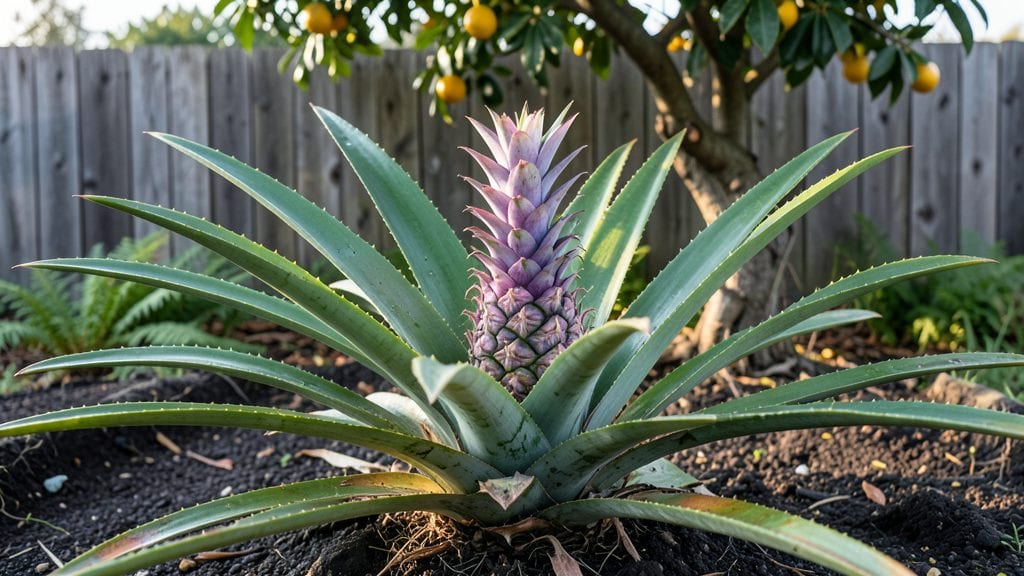
Your pineapple plant just sent up that first spiky flower stalk—now what? 🌱 That’s the moment years of care finally pay off, and I’ll show you how to coax more of those rare blooms without turning your kitchen plant into a casualty.
The key isn’t fancy pruning or expensive fertilizers, but understanding the subtle signals your plant gives when it’s ready to flower.
Most people assume pineapple plants only bloom once, but with the right conditions—bright indirect light, warmth, and a well-draining mix—you can encourage multiple cycles.
The flower stalk itself is a game-changer: it’s your plant’s way of saying, “I’m ready to fruit,” and handling it correctly means the difference between a single harvest and a steady supply. Even in small spaces, this tropical plant thrives when you mimic its native jungle environment.
Once that flower appears, the real work begins—but it’s simple. Protect the stalk from drafts, hand-pollinate if needed (yes, really), and watch as tiny fruits form. By the time your pineapple ripens, you’ll have learned how to spot the early signs of another bloom cycle.
The best part? Your plant will keep surprising you with new growth, even indoors.
We’ll cover troubleshooting too—why some plants bolt too soon, how to fix leggy growth, and what to do if that first flower flops. No guesswork, just step-by-step care that turns your pineapple into a reliable producer. Let’s get those blooms going!
📚 In This Guide
- What you need
- Instructions
- Tips and common mistakes
- Wrapping up and next steps
What you need
- ● Pineapple plant (Ananas comosus) – A healthy, mature plant (at least 1–2 years old) with a thick, fibrous base. Pro tip: Look for plants with a sturdy crown!
- ● Pruning shears or sharp knife – Sterilized to prevent disease. ✂️ Sanitize with rubbing alcohol for best results.
- ● Balanced fertilizer (10-10-10 or 20-20-20) – 1–2 tablespoons per plant. 💡 Use organic options like fish emulsion for a gentler boost.
- ● Watering can or hose with a gentle spray nozzle – Avoid soaking the plant’s base.
- ● Well-draining potting mix – Cactus/succulent blend or a mix of peat, perlite, and sand (ratio: 2:1:1). 🌡️ Pineapples hate soggy roots!
- ● Container or garden bed – Ensure it has drainage holes if potted. 📏 Minimum 12-inch depth for mature plants.
- ● Epsom salt (magnesium sulfate) – 1 teaspoon dissolved in water for a magnesium boost. ✨ Great for yellowing leaves!
- ● Grow lights or sunny windowsill – If your climate lacks 6+ hours of direct sunlight daily.
- ● Humidity tray or pebble tray – Pineapples love moisture in the air (especially in dry climates).
- ● Plant hormone gel (e.g., rooting hormone) – Speeds up flower induction in some cases.
How to encourage pineapple plants to flower year-round
Here's the simple method I've used to get my pineapple plants blooming indoors—no greenhouse needed.
🌱 Step 1: Select a Mature, Healthy Pineapple Plant
Choose a pineapple plant with at least 12-18 leaves that's been growing steadily for 18-24 months. Young plants won't flower because they haven't stored enough energy. Look for leaves that are deep green, firm, and free of brown tips—signs of a strong, healthy specimen.
I always pick plants with a thick, woody base because that's where the energy reserves are stored. If your plant has multiple offshoots (pups), wait to separate them until after flowering, since they draw energy from the parent plant.
☀️ Step 2: Provide Consistent Light and Temperature
Pineapple plants need bright, indirect light for 12-14 hours daily. A south-facing window works, but I supplement with a grow light on a timer to ensure consistent exposure. Without enough light, the plant won't develop the energy needed to trigger flowering.
Keep temperatures between 65-85°F during the day and no lower than 55°F at night. I've found that drafty windows or air conditioning vents can shock the plant and delay flowering. If your home runs cooler, use a small space heater near the plant (but not too close—3 feet away is ideal).
💧 Step 3: Mimic Seasonal Changes with Temperature Fluctuations
Here's the trick: pineapple plants need a 10°F drop in nighttime temperatures for 2-3 weeks to trigger flowering. If you live in a mild climate, move your plant outdoors to a shaded patio or balcony during cooler evenings. If you're indoors, I use a small fan on low setting overnight to create a gentle breeze that cools the plant slightly.
Watch for the first signs of stress—leaves may curl slightly or develop a faint red tint at the tips. That's normal! As soon as you see a small flower bud forming at the center of the plant, bring it back to consistent 65-85°F temperatures to encourage full bloom development.
✂️ Step 4: Prune and Feed for Optimal Growth
Once the flower stalk appears (it'll look like a thin, green shoot in the center), reduce watering slightly to every 5-7 days instead of weekly. Overwatering now can cause the stalk to rot before it blooms. I also remove any lower leaves that touch the soil to prevent rot and improve air circulation.
Feed the plant with a balanced liquid fertilizer (10-10-10) diluted to half strength every 4-6 weeks during the flowering phase. The goal is to support the energy demands of the developing fruit without overstimulating new growth. Stop fertilizing once the flower opens fully—all energy should now go toward fruit development.
🌿 Step 5: Support the Flower and Prepare for Fruit
When the flower opens, it may weigh down the stalk. I tie a small wooden stake to the pot and gently wrap the stalk with soft twine to keep it upright. This prevents the flower from breaking and ensures it stays positioned for pollination (even though pineapples can self-pollinate).
After the flower wilts (about 2-3 weeks later), you'll see a small pineapple forming. Keep the soil moist but not soggy and maintain all the light and temperature conditions. It takes 6-8 months for the fruit to mature—patience is key! If your plant struggles to produce fruit, it may need more time to recover its energy.
Tips & tricks for perfect pineapple plant flowering
A few simple adjustments can make all the difference between a pineapple plant that just grows leaves and one that finally blooms.
Lighting is Everything: That 12-14 hours of bright, indirect light isn't just a suggestion—it's non-negotiable for flowering. I've seen plants with perfect temperatures but poor light never bloom. If your space lacks natural light, invest in a quality LED grow light on a timer. Position it just 6-12 inches above the plant so the leaves don't burn.
Temperature Trick for Step 3: The 10°F nighttime drop is what triggers flowering, but timing matters. Start this exactly 2-3 weeks before you want flowers—any earlier and the plant may not be ready, any later and you might miss the window. I use a simple thermometer near the plant to track nighttime temps precisely.
Pruning Strategy: When you see that first flower stalk in Step 4, resist the urge to prune everything! Only remove leaves that touch the soil to prevent rot. The plant needs all its leaves for photosynthesis to support that energy-demanding flower. I leave the top 2/3 of the plant intact for maximum energy capture.
Fertilizer Timing: That 4-6 week feeding schedule is crucial—too frequent and you'll get leafy growth instead of flowers. I switch to a lower-nitrogen fertilizer (like 5-10-10) during flowering to encourage blooming over foliage. Stop completely once the flower opens so all energy goes to fruit development.
Pro Tips for Pineapple Plant Flower
- A few simple adjustments can make all the difference between a pineapple plant that just grows leaves and one that finally blooms.
- Lighting is Everything: That 12-14 hours of bright, indirect light isn't just a suggestion—it's non-negotiable for flowering.
- Temperature Trick for Step 3: The 10°F nighttime drop is what triggers flowering, but timing matters.
Frequently asked questions
Got questions about coaxing those stunning pineapple plant flowers to bloom? You’re not alone! Here are some of the most common queries—and their straightforward answers—to help you grow confidently.
How long does it take for a pineapple plant to flower?
A healthy pineapple plant typically takes 18–36 months to produce its first flower after planting, depending on conditions. Pro tip: Use a flowering hormone (like ethephon) to speed things up by 2–4 weeks if you’re impatient!
Why isn’t my pineapple plant flowering?
Pineapple flowers need consistent warmth (70–85°F), bright light (6+ hours/day), and maturity (plants must be 1–2 years old). Check for these issues:
- Cold drafts or temps below 60°F can stall blooming.
- Lack of sunlight? Move it to a sunnier spot (or use grow lights).
- Overwatering causes root rot—let soil dry slightly between waterings.
Can I eat the pineapple that grows after the flower?
Yes! The fruit that develops from the flower is edible and delicious—though it may taste slightly different from store-bought pineapples (often sweeter and more complex). Fun fact: The crown (the top "leaves") can be replanted to grow a new pineapple plant!
What can I do with a pineapple plant after it flowers?
Once the flower fades and the fruit ripens (6–8 months later), you have options:
- Harvest and enjoy the pineapple!
- Save the crown to propagate a new plant—just let it dry for 2–3 days before planting.
- Prune the mother plant to encourage side shoots (future plants) by cutting off lower leaves.
Are there alternatives to growing pineapple flowers indoors?
If pineapples seem too finicky, try these easier flowering tropicals for indoor blooms:
- Anthurium – Bold, heart-shaped flowers year-round.
- Bird of Paradise – Dramatic orange/blue blooms (needs more light).
- Hibiscus – Fast-growing with vibrant, long-lasting flowers.
Wrapping up and next steps
Watching your pineapple plant flower bloom is a rewarding experience—proof that even minimal care can yield stunning results! 🌺 Whether you’re growing it for its striking flowers, sweet fruit, or just the joy of nurturing a tropical plant, remember that patience and a little attention go a long way.
Now that you’re armed with tips on pruning, pollination, and troubleshooting, why not share your progress with fellow plant lovers or experiment with growing a new variety? The journey doesn’t end here—keep exploring, and your green thumb will only get stronger!