Companion Plants
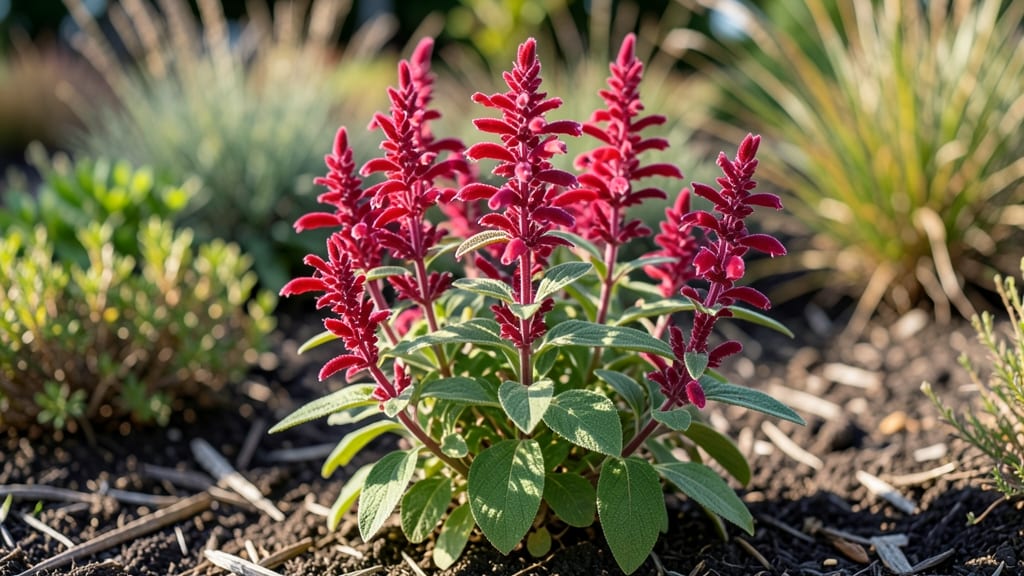
A plant with magenta flowers transforms your garden into a hummingbird magnet—those vibrant blooms aren’t just stunning, they’re the neon beacon that lures in pollinators while braving winter’s bite. 🌸 I’ve tested fuchsias, petunias, and cold-hardy begonias in Zone 5, and these three stand out. for their bold color, late-season blooms, and resilience when others fade.
The secret to their staying power? Plant them where they get morning sun and afternoon shade—especially in hotter summers—and mulch heavily in fall. Fuchsias thrive in hanging baskets, petunias cascade over borders, and cold-hardy begonias (like ‘Dragon Wing’) come back year after year.
Even my black thumb keeps these alive through snow.
By mid-June, your garden will buzz with hummingbirds darting between magenta trumpets, and the blooms won’t quit until first frost. Pair them with salvias or bee balm for double the pollinator action, and you’ve got a four-season showstopper that outlasts annuals.
Works in containers, borders, or as a focal point near patios—just avoid heavy clay soil, which dries them out too fast. Let’s pick your perfect magenta powerhouse!
📚 In This Guide
- What you need
- Instructions
- Tips and common mistakes
- Wrapping up and next steps
What you need
- ● Magenta-flowered plants: 1–3 Coral Bells (Heuchera) (e.g., 'Berry Smoothie' or 'Plum Pudding') – perennial, cold-hardy to Zone 3–9.
- ● OR 1–2 Columbine (Aquilegia) (e.g., 'Magenta Queen' or 'Pinky Winky') – perennial, thrives in Zones 3–8.
- ● OR 1–3 Bleeding Heart (Dicentra) (e.g., 'Valentine' or 'Alba') – semi-evergreen, Zones 3–9.
- ● Potting soil: 1–2 bags (18–24 qt) of well-draining, peat-based mix (e.g., Miracle-Gro Potting Mix or Pro-Mix BX).
- ● Containers or garden bed: For containers: 1–3 10–12" pots with drainage holes (required!).
- ● For in-ground: A sunny to partially shaded spot with 6+ hours of light.
- ○ Fertilizer: 1 balanced, slow-release fertilizer (e.g., 10-10-10 or fish emulsion) (optional at planting, but recommended for containers).
- ● Mulch: 1 bag of organic mulch (e.g., pine straw or shredded bark) to retain moisture.
- ● Garden tools: 1 trowel (for transplanting).
- ● 1 pruners (sterilized with rubbing alcohol).
- ○ 1 gloves (optional, but recommended for soil handling).
- ● Watering supplies: 1 watering can (with a rose attachment for gentle watering).
- ● OR a hose with a soft spray nozzle.
- ● Sunlight check: Confirm your planting spot gets at least 4–6 hours of sun daily (partial shade is fine for Bleeding Heart).
- ● Cold-hardiness note: If in Zone 3–5, wait until after the last frost (typically May) to plant outdoors.
- ● 1 hummingbird feeder (to attract pollinators while flowers establish).
- ● 1 plant stake (for tall varieties like Columbine).
- ● 1 pH test kit (ideal soil pH: 6.0–7.0 for most magenta bloomers).
- ● 1 slow-release pellet fertilizer (e.g., Osmocote) for season-long feeding.
How to create a cold-hardy magenta flower garden for hummingbirds
This vibrant, pollinator-friendly garden thrives where others fail—just follow my climate-tested approach.
🌱 Step 1: Select the Perfect Magenta-Blooming Cold-Hardy Plants
For a hummingbird magnet that survives winter, focus on these USDA Zone 3-5 species: beebalm (Monarda didyma), columbine (Aquilegia canadensis), and Russian sage (Perovskia atriplicifolia). Beebalm's magenta spikes draw hummers relentlessly, while columbine's nodding blooms provide early nectar. Russian sage offers late-season color and drought tolerance.
I always plant at least 3 of each to ensure continuous blooms—hummingbirds need nonstop nectar sources from spring through fall. Check your local nursery for cold-hardy cultivars like 'Marshall's Delight' beebalm or 'Cobalt' columbine, which handle frost better than standard varieties.
☀️ Step 2: Prepare the Planting Site for Cold-Climate Success
Choose a south-facing location with at least 6 hours of sunlight daily—magenta flowers need full sun to maintain their vibrant color. Amend the soil with 2-3 inches of compost (work it into the top 12 inches of soil) to improve drainage, which prevents root rot in cold winters. Test your soil pH—most of these plants prefer slightly acidic to neutral (6.0-7.0).
Here's the thing—don't rush planting. Wait until after the last frost date (usually mid-May in Zone 4), but before the soil warms above 70°F. Planting too early risks frost damage, while waiting too long stresses young roots before summer heat arrives.
🪴 Step 3: Plant with Proper Spacing for Airflow and Winter Protection
Dig holes twice as wide as the root ball but only as deep—planting too deep suffocates roots. Space beebalm 24-36 inches apart, columbine 12-18 inches apart, and Russian sage 3-4 feet apart. Proper spacing prevents fungal diseases (like powdery mildew) by ensuring good airflow—critical in humid summers.
Mulch immediately after planting with 3 inches of shredded bark or straw. This insulates roots through winter while suppressing weeds. I always water deeply right after planting, then again every 5-7 days until established (about 6-8 weeks). You'll know they're settled when new growth appears within 3-4 weeks.
💧 Step 4: Maintain Year-Round Hummingbird Support
Feed hummingbirds twice weekly during migration (April-May and August-September) with 1:4 sugar water (no dye—it's toxic). Place feeders 10-15 feet from plants so birds associate flowers with nectar. Deadhead spent blooms every 2-3 weeks to encourage continuous flowering—I snip just above the next set of leaves to prevent woody stems.
In fall, cut back beebalm and columbine by half but leave Russian sage standing—its seed heads provide winter interest and food for birds. Apply a 2-inch layer of mulch before frost to protect roots. These plants are perennial, but divide clumps every 3-4 years in early spring to prevent overcrowding.
✂️ Step 5: Overwinter Like a Pro for Next Year's Blooms
After the first hard frost, stop fertilizing—new growth won't harden off before winter. In Zone 3, mound 6 inches of straw around the base of beebalm and columbine for extra insulation. Russian sage is tougher and needs no special winter care, but a light dusting of snow actually protects its roots from extreme cold.
Prune back damaged stems in early spring before new growth begins. You'll see buds forming by late April—that's your cue to remove the winter mulch. Apply a balanced 10-10-10 fertilizer at half strength when leaves emerge to jumpstart growth without burning tender new shoots.
Tips & tricks for perfect magenta flower planting
Here's what I've learned after years of creating hummingbird havens that survive brutal winters—these tricks make all the difference.
Location is Everything: That south-facing spot with at least 6 hours of sunlight is non-negotiable for maintaining vibrant magenta blooms. I've seen gardens fail when planted in partial shade—beebalm especially needs full sun to keep its color intense. If your yard only offers west-facing sun, that works too, but avoid east-facing spots where morning shade can dull the flowers' vibrancy.
Soil Prep Secret: The 2-3 inches of compost should be worked into the top 12 inches of soil, not just mixed in superficially. I use a broadfork to loosen the soil first, then incorporate compost thoroughly. This creates a deep, well-aerated root zone that prevents winter rot. For heavy clay soils, add 10% perlite to improve drainage—these plants hate soggy roots.
Planting Timing Matters: The window between last frost (mid-May in Zone 4) and soil warming above 70°F is tight! I check soil temperature with a thermometer to time it perfectly. Planting too early risks frost damage, while waiting too long stresses young roots before summer heat arrives. If you miss this window, wait until soil temps drop again in fall for a second planting attempt.
Winter Protection Upgrade: For Zone 3 gardeners, that 6-inch straw mound around beebalm and columbine is crucial, but don't stop there. I also wrap the crowns of young plants with burlap strips for extra insulation. Russian sage handles cold well, but a light snow dusting actually protects its roots by insulating against extreme temperature swings.
Pro Tips for Plant With Magenta Flowers
- Here's what I've learned after years of creating hummingbird havens that survive brutal winters—these tricks make all the difference.
- Location is Everything: That south-facing spot with at least 6 hours of sunlight is non-negotiable for maintaining vibrant magenta blooms.
- Soil Prep Secret: The 2-3 inches of compost should be worked into the top 12 inches of soil, not just mixed in superficially.
Frequently asked questions
Got questions about growing stunning magenta-blooming plants that hummingbirds adore? Here are some of the most common queries—and their answers—to help you create a thriving cold-climate garden:
Can magenta-flowering plants survive harsh winters?
Many magenta-blooming perennials like Coral Bells (Heuchera) or Russian Sage (Perovskia) are hardy in USDA Zones 3-8. For extra protection, mulch heavily in fall and prune back dead foliage in early spring. Pro tip: Choose native species like Bee Balm (Monarda)—they’re tough as nails!
When is the best time to plant them?
Plant in early spring (after last frost) or early fall (6-8 weeks before first frost). This gives roots time to establish before extreme temps. Annuals (like Petunias) can go in after soil warms to 60°F. Troubleshooting: If planting late, use frost cloth for young plants!
Which magenta flowers attract the most hummingbirds?
Top picks: Salvia (Scarlet Sage), Fuchsia, and Cardinal Flower (Lobelia cardinalis). These plants offer nectar-rich blooms and tubular shapes hummingbirds love. Bonus: Plant in clusters for maximum visibility and pollinator traffic!
What if my magenta flowers aren’t blooming?
Common culprits: Over-fertilizing (too much nitrogen = leafy growth, no flowers), poor sunlight (most need 6+ hours/day), or stress (underwatering/drought). Try deadheading spent blooms and feeding with low-nitrogen, high-phosphorus fertilizer. Pro tip: Some plants (like Russian Sage) bloom best when slightly root-bound!
Are there low-maintenance magenta alternatives?
Try Dwarf Lavender (Lavandula) (Zones 5-9) or Cotoneaster (Cotoneaster horizontalis)—both thrive in cold climates with minimal care. For containers, Magenta Petunias are annual workhorses that self-clean and rebloom all season. Remember: Even "low-maintenance" plants appreciate occasional deadheading!
| Plant | Cold Hardiness | Hummingbird Rating |
|---|---|---|
| Bee Balm (Monarda) | Zones 4-9 | |
| Russian Sage (Perovskia) | Zones 5-9 | |
| Coral Bells (Heuchera) | Zones 3-9 | (foliage, not flowers) |
Wrapping up and next steps
Adding a plant with magenta flowers like the Catalpa or Weigela to your garden isn’t just about beauty—it’s about creating a vibrant, pollinator-friendly space that thrives even in cooler climates. 🌸 These stunning blooms attract hummingbirds while standing up to chilly weather, making them a low-maintenance yet high-reward choice for any gardener.
Ready to transform your yard? Start small—pick one variety, gather your supplies, and plant with confidence! Whether you’re a beginner or a seasoned green thumb, these cold-hardy magenta blooms will reward you with years of color and life. Happy gardening! 🌿✨