
Flowers
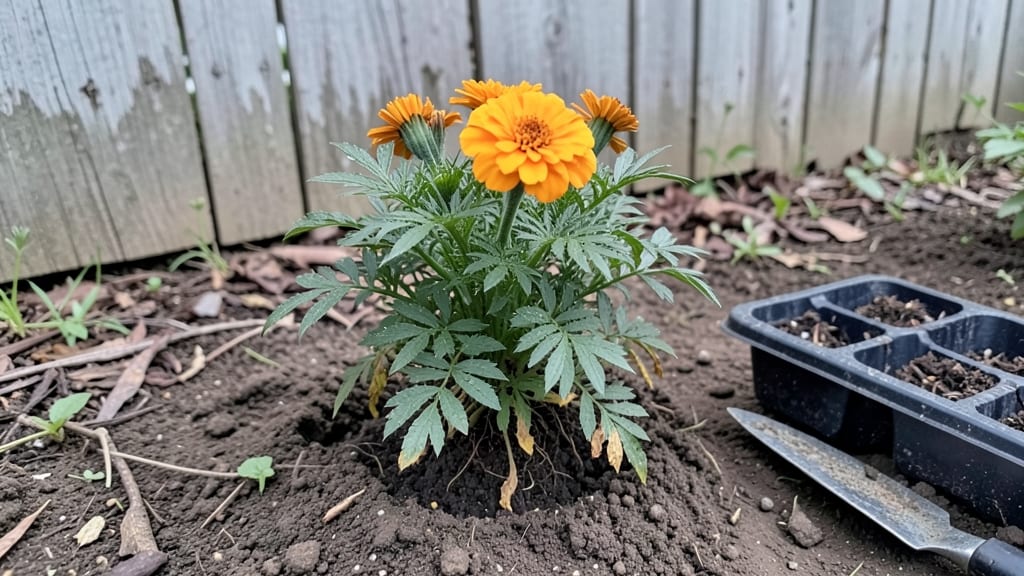
Planting flowers for beginners starts with the right approach—one that turns nervousness into confidence with every bloom. 🌸 I’ve watched first-timers turn brown thumbs green by focusing on just three things: sunlight, soil, and simple plants.
The key isn’t fancy tools or perfect timing; it’s understanding what flowers actually need to thrive.
You’ll need a sunny spot (at least 6 hours of light), loose soil (amend with compost if yours is heavy), and a handful of easy flowers like marigolds, zinnias, or petunias.
These bloom fast and forgive mistakes—perfect for building skills. Most beginners overwater or plant too deep; we’ll fix that in two simple steps that make all the difference.
By the end, you’ll have vibrant blooms in 4-6 weeks, not next summer. The secret? Consistent watering (1 inch per week) and deadheading spent flowers to encourage more blooms. Even my first attempt—planting pansies in shade—produced cheerful blooms within weeks.
This works for containers, garden beds, or even hanging baskets. Let’s get those flowers growing without the guesswork!
📚 In This Guide
- What you need
- Instructions
- Tips and common mistakes
- Wrapping up and next steps
What you need
- ● Flower Seeds or Seedlings: Choose beginner-friendly varieties like marigolds, sunflowers, zinnias, or petunias (easy to grow and fast-blooming!).
- ● Quantity: 1–2 packets (enough for 10–20 plants, depending on spacing).
- ● Potting Soil or Garden Soil: Use well-draining potting mix for containers or a blend of topsoil and compost for garden beds.
- ● Quantity: 1–2 bags (5–10 cubic feet, depending on your space).
- ● Containers or Garden Bed: Containers: 5–10-inch pots with drainage holes (1–2 per plant).
- ● Garden Bed: Sunlit area (6+ hours of sunlight daily) with loose, fertile soil.
- ● Watering Can or Hose: A gentle spray nozzle (for seedlings) or a basic watering can (5+ gallons).
- ● Hand Trowel: For digging small holes (6–8 inches deep) and transplanting seedlings.
- ○ Gloves (Optional but Recommended): Lightweight gardening gloves to protect your hands from dirt and thorns.
- ● Fertilizer: Slow-release granular fertilizer or liquid bloom booster (follow package instructions).
- ● Mulch: Organic mulch (straw or shredded bark) to retain moisture and suppress weeds.
- ● Plant Labels: Wooden or plastic tags to track flower varieties.
- ● Pruners: Small bypass pruners for trimming dead blooms or overgrown stems.
- ● Knee Pads: For comfort during long planting sessions!
Step-by-Step instructions for planting flowers for beginners
Here's how I get beginners growing confidently—no guesswork, just clear steps.
🌱 Step 1: Choose the Right Flowers and Location
Start with easy annuals like marigolds, zinnias, or petunias—they bloom fast and forgive mistakes. Check your hardiness zone and select flowers that thrive in your USDA zone (find yours online). Most annuals need 6-8 hours of sun daily, while shade-lovers like impatiens or ferns tolerate 2-4 hours.
Observe your yard's sunlight patterns for a week. Mark spots with morning sun (cool, gentle) versus afternoon sun (intense, hot). I always plant sun-lovers where they'll get the most light—even if it means moving a pot later. Avoid low-lying areas where cold air settles in spring, as young plants are vulnerable to frost damage.
🪴 Step 2: Prepare the Soil and Planting Site
Dig up a planting area twice as wide as your flower's mature spread. For example, a 12-inch-wide petunia needs a 24-inch hole. Loosen the soil to 12 inches deep with a garden fork—this helps roots establish faster. Mix in 2-3 inches of compost or aged manure to enrich the soil without overwhelming young plants.
Rake the area smooth and remove rocks or debris larger than 1 inch. Water the prepared bed until the soil is evenly moist to 6 inches deep—this prevents transplant shock later. If your soil drains poorly, add a 1-inch sand layer at the bottom of the hole before planting.
☀️ Step 3: Plant with Proper Spacing and Depth
Read the planting depth on your seed packet or transplant tag—it's usually marked with a line or written as "plant at soil level." Dig a hole just deep enough to accommodate the root ball without burying the stem. For seeds, follow the packet's depth (typically ¼ inch for small seeds, ½ inch for larger ones).
Place one plant per hole, spacing them according to their mature size. Crowding leads to competition for water and nutrients, so give each plant room to grow. For example, 18-inch-tall zinnias need 12 inches between plants. Gently press soil around the base and water deeply to settle everything in place.
💧 Step 4: Water and Mulch for Success
Water immediately after planting to eliminate air pockets around roots. Use a watering wand or soaker hose to deliver 1 inch of water evenly. Check soil moisture daily for the first week—it should feel like a damp sponge, not a wet towel. Overwatering in hot weather causes root rot, while underwatering stresses new plants.
Apply 2-3 inches of mulch (straw, shredded bark, or pine needles) around each plant, keeping it 2 inches away from stems. Mulch locks in moisture, suppresses weeds, and regulates soil temperature. Replenish mulch as it breaks down, but avoid piling it against stems—this traps moisture and invites disease.
✂️ Step 5: Monitor and Maintain for Long-Term Blooms
Watch for signs of stress: yellowing leaves often mean overwatering, while crispy edges signal underwatering. Deadhead spent blooms by pinching off flowers just above the next set of leaves—this encourages continuous blooming. For perennials, cut back foliage in late fall to 2 inches tall, leaving the crown intact for next year's growth.
Fertilize lightly every 4-6 weeks with a balanced, water-soluble fertilizer (10-10-10 ratio). I mix it at half-strength to avoid burning tender roots. Adjust watering as seasons change—spring showers mean less supplemental water, while summer heat demands daily checks. With consistent care, your flowers will thrive and reward you with vibrant blooms all season.
Tips & tricks for perfect flower planting
Here's what nobody tells you about getting those first blooms right—these are the details that separate thriving gardens from struggling ones.
Sunlight Strategy: In Step 1, when you're observing sunlight patterns, pay special attention to the 2-4 hour range for shade-lovers. I've seen beginners overestimate shade areas—use a solar calculator app to track actual sunlight hours. Morning sun is gentler, while afternoon sun can scorch delicate petals, so position sun-loving plants where they'll get that 6-8 hours without midday intensity.
Soil Prep Secret: For Step 2, don't just loosen the soil to 12 inches deep—test its drainage first. Dig a hole, fill it with water, and time how long it takes to drain. If it's still damp after 30 minutes, you definitely need that 1-inch sand layer. I always add a handful of perlite to heavy clay soils to improve aeration without altering the structure too much.
Planting Depth Hack: When following the seed packet's depth in Step 3, remember that ¼ inch for small seeds is just a guideline. In sandy soils, you can plant slightly deeper (up to ½ inch) to protect seeds from drying out. For larger seeds, press them just deep enough so they don't wash away during watering. A simple finger test works—if you can barely cover the seed, you're good.
Watering Wisdom: That 1 inch of water in Step 4 is a weekly target, not a single watering. Use a rain gauge or tuna can to measure—most garden hoses deliver way too much at once. Water in the morning to reduce evaporation and fungal risks. I set a timer for 10-15 minutes per zone twice weekly, then adjust based on rainfall. Mulch makes this easier by locking in that moisture.
Pro Tips for Planting Flowers For Beginners
- Here's what nobody tells you about getting those first blooms right—these are the details that separate thriving gardens from struggling ones.
- Sunlight Strategy: In Step 1, when you're observing sunlight patterns, pay special attention to the 2-4 hour range for shade-lovers.
- Soil Prep Secret: For Step 2, don't just loosen the soil to 12 inches deep—test its drainage first.
Frequently asked questions
Got questions about diving into flower gardening? You’re not alone—every beginner does! Here are answers to the most common concerns to help you grow with confidence.
What’s the best time of year to plant flowers for beginners?
Most flowers thrive when planted in early spring (after the last frost) or early fall. Cool-season blooms (like pansies or snapdragons) can even handle late summer planting. Check your local frost dates—your local nursery or USDA Plant Hardiness Zone Map is your best guide!
How often should I water newly planted flowers?
Water deeply every 2–3 days for the first 2 weeks to help roots establish. After that, aim for 1–2 inches of water per week, adjusting for heat or rain. Pro tip: Water at the base of plants (not leaves) to prevent fungal issues.
Will bugs or pests ruin my flowers right away?
Not necessarily! Most pests target stressed or overcrowded plants. Start with healthy soil and spaced-out seedlings to deter them. If you spot aphids or slugs, try neem oil or handpicking (yes, really!) before resorting to chemicals.
Can I plant flowers in containers if I don’t have a yard?
Containers are perfect for beginners—just ensure pots have drainage holes and use a lightweight potting mix. Choose compact varieties like petunias, geraniums, or dwarf marigolds. Bonus: Move containers to follow sunlight (e.g., south-facing windowsills or balconies).
What do I do if my flowers wilt or stop blooming?
Wilting often means underwatering or overwatering—check soil moisture 1 inch below the surface. Lack of blooms? Your plant might need more sunlight or balanced fertilizer (low in nitrogen). Deadhead spent blooms regularly to encourage new growth!
Still stumped? Drop your question in the comments—we’ve got you covered!
Wrapping up and next steps
You’ve got everything you need to start your flower-growing journey—and that’s already a win! 🌸 Remember, the key is to start small, choose the right plants for your space, and stay patient.
Even the most experienced gardeners began exactly where you are now, with a shovel, a little soil, and big dreams.
Your next step? Pick just one or two flowers to plant this week—maybe a sun-loving marigold or a shade-friendly impatiens. Once you see those first blooms, you’ll be hooked! Happy planting, and may your garden be as vibrant as your enthusiasm. 🌱