
Flowers
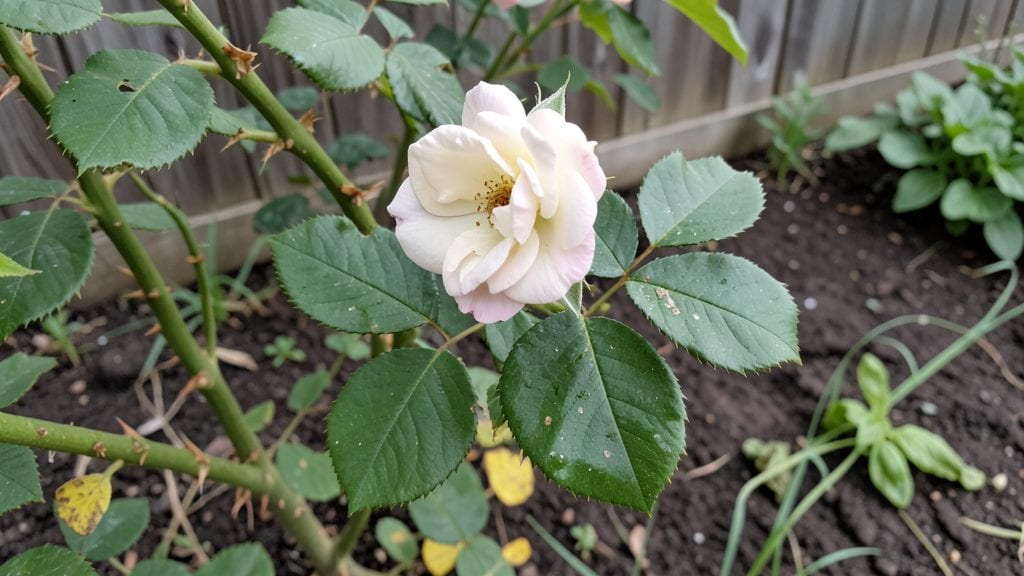
Nothing says summer like a pretty rose flower arching over your porch, its petals heavy with fragrance and hummingbirds darting between the blooms. 🌸 I remember the first time I planted a climbing rose—it transformed my yard from ordinary to enchanting within weeks.
The secret isn’t just the roses themselves, but how they frame the space around them, turning boring corners into living canvases.
These flowers thrive when paired with the right companions—lavender for its purple contrast, salvia to attract pollinators, or delicate alyssum to soften the edges. My favorite design trick? Planting roses along fences or trellises where their vines can weave through other perennials, creating layers of color and texture.
The fragrance alone makes them worth the effort, but the way they draw life into the garden? That’s the real magic.
You’ll end up with a garden that feels like a storybook—vibrant, alive, and full of movement. The blooms will last from early summer through fall if you deadhead regularly, and the hummingbirds will keep returning year after year.
The best part? Every time you walk by, you’ll smell that sweet, intoxicating perfume that makes summer feel endless.
Works for cottage gardens, modern borders, or even small urban spaces with the right variety. Let’s make your garden the kind neighbors envy—and hummingbirds adore.
📚 In This Guide
- What you need
- Instructions
- Tips and common mistakes
- Wrapping up and next steps
What you need
- ● Rose plants: Choose hummingbird-friendly varieties like David Austin roses (e.g., 'Munstead Wood,' 'Abraham Darby') or climbing roses (e.g., 'New Dawn'). Buy 3–5 plants for a full, fragrant display.
- ● Well-draining potting mix or garden soil: 50 lbs (for in-ground planting) or 3–5 gallons (for containers). Mix with 20% compost for nutrients.
- ● Organic fertilizer: Balanced 10-10-10 or rose-specific fertilizer (e.g., Miracle-Gro Shake ‘n Feed). Use 1–2 lbs per plant.
- ● Mulch: 2–3 inches of pine bark, straw, or wood chips to retain moisture and suppress weeds.
- ● Garden trowel or shovel (for digging holes 12–18 inches deep).
- ● Pruning shears (sterilized with rubbing alcohol to prevent disease).
- ● Watering can or hose with a gentle nozzle (roses need 1–2 inches of water per week).
- ● Gloves (to protect from thorns and soil-borne pathogens).
- ● Epsom salt (1 tbsp per plant monthly) for magnesium boost.
- ● Copper fungicide (prevents black spot—common in roses!).
- ● Trellis or rose arch (for climbing varieties).
- ● Hummingbird feeder (place 3–5 feet away from roses to attract pollinators!).
Step-by-Step guide to growing hummingbird-friendly roses
Here's how to cultivate fragrant roses that bring both beauty and buzzing visitors to your garden.
🌱 Step 1: Choose the Right Rose Varieties
Pick disease-resistant, fragrant roses like 'Knock Out' or 'David Austin' English roses—they thrive in most climates and attract hummingbirds with their sweet scent and nectar-rich blooms. Avoid hybrid teas; their heavy blooms exhaust the plant and provide less nectar. I always check the USDA zone hardiness rating to ensure the variety suits my local climate.
Look for roses labeled "old garden" or "heirloom"—these often have stronger fragrance and open blooms that hummingbirds prefer over tightly clustered varieties. Plant at least 4 bushes (as your servings suggest) to create a continuous nectar source throughout the summer. The more roses, the more hummingbirds will visit.
☀️ Step 2: Plant in Full Sun with Proper Spacing
Roses need 6-8 hours of direct sun daily—that's non-negotiable for both blooms and fragrance. I dig holes twice as wide as the root ball but only as deep as the roots themselves. This encourages outward root growth instead of settling too low, which can rot.
Space bushes 3-5 feet apart depending on mature size. Crowding reduces airflow, increasing disease risk. Mix the planting hole's native soil with the rose's original soil (if it came in a container) and a handful of compost. This gives roots the perfect balance of nutrients without overwhelming them.
💧 Step 3: Water Deeply and Mulch for Fragrance
Water newly planted roses deeply once a week (about 1-1.5 gallons per plant) until established. I use a soaker hose to deliver water at the base—this prevents wetting the foliage, which spreads fungal diseases. Stop watering when the top 2 inches of soil feel dry to the touch.
Apply 3 inches of mulch around the base, keeping it 2 inches away from the stem. I use shredded bark mulch because it breaks down slowly and improves soil structure over time. This helps retain moisture, regulates soil temperature, and—most importantly—enhances fragrance development by reducing stress on the plant.
✂️ Step 4: Prune for Continuous Blooms and Hummingbird Appeal
Prune in early spring to remove dead wood and shape the bush. Cut back to an outward-facing bud just above a set of healthy leaves. This encourages outward growth and more blooms. I also do a light summer pruning after each flush of flowers to promote continuous blooming—hummingbirds love roses that keep producing nectar all season.
Deadhead spent blooms regularly (but leave some hips for winter interest). This redirects the plant's energy into new growth and flowers. I use clean, sharp pruners and sterilize them with rubbing alcohol between cuts to prevent disease spread. The goal is to keep the plant focused on producing fragrant, open blooms that hummingbirds can easily access.
🌿 Step 5: Feed and Protect for Peak Fragrance
Fertilize roses with a balanced 10-10-10 formula in early spring and again after the first flush of blooms. I avoid high-nitrogen fertilizers—they produce lots of leaves but fewer flowers. Instead, I use a slow-release rose-specific fertilizer to provide steady nutrition without burning the roots.
Watch for pests like aphids or Japanese beetles—they can defoliate roses quickly. I treat with neem oil or insecticidal soap at the first sign of trouble. Healthy roses with strong fragrance naturally repel many pests, but early intervention prevents major problems. The more vigorous the plant, the more fragrant the blooms and the more hummingbirds will visit.
Tips & tricks for perfect hummingbird-friendly roses
A few simple strategies that’ll transform your garden into a fragrant hummingbird magnet.
Variety Selection Tip: When choosing roses, prioritize those labeled "old garden" or "heirloom" varieties—they often have stronger fragrances and open blooms that hummingbirds adore. These roses typically have fewer petals, making it easier for hummingbirds to access the nectar at the center. I've found that 'David Austin' English roses are particularly effective—they bloom continuously and have a sweet, intoxicating scent that hummingbirds can't resist.
Sunlight Strategy: The 6-8 hours of direct sunlight mentioned in Step 2 is absolutely critical—this isn't just about blooms, it's about fragrance development. Morning sun (especially between 9am-11am) is particularly important as it helps dry dew quickly, reducing fungal risks. If your garden has partial shade, consider planting roses along a south-facing wall where they'll get reflected sunlight throughout the day.
Watering Wisdom: That once-a-week deep watering (1-1.5 gallons per plant) is perfect, but timing matters too. Water in the early morning so the foliage has all day to dry—this prevents fungal diseases that can weaken plants and reduce fragrance. I've noticed that roses watered at night often develop more powdery mildew, which dulls their scent. A soaker hose is ideal because it delivers water directly to the roots without wetting the leaves.
Fragrance Booster: For even more intense fragrance, add a handful of coffee grounds to each planting hole when you first plant. The nitrogen helps establish strong roots, and the acidity mimics their natural soil preferences. I also mix in a bit of used tea leaves (from black or green tea) for the same reason—both create a subtle acidity that enhances floral scents. This is completely optional but makes a noticeable difference in fragrance intensity.
Pro Tips for Pretty Rose Flower
- A few simple strategies that’ll transform your garden into a fragrant hummingbird magnet.
- Variety Selection Tip: When choosing roses, prioritize those labeled "old garden" or "heirloom" varieties—they often have stronger fragrances and open blooms that hummingbirds adore.
- Sunlight Strategy: The 6-8 hours of direct sunlight mentioned in Step 2 is absolutely critical—this isn't just about blooms, it's about fragrance development.
Frequently asked questions
Got questions about growing and caring for pretty rose flowers? You’re not alone! Here are some of the most common queries—plus expert answers to help you cultivate a hummingbird-friendly garden all season long.
When is the best time to plant pretty rose flowers?
The ideal time to plant roses is in early spring (after the last frost) or early fall (6-8 weeks before the first frost). This gives roots time to establish before extreme temperatures. For container roses, you can plant anytime, but spring ensures the best blooming season. Pro tip: If planting in fall, mulch heavily to protect roots from winter chill!
How often should I water my pretty roses?
Roses need 1–1.5 inches of water per week, including rainfall. Water deeply 2–3 times per week during dry spells, focusing on the soil (not leaves) to prevent fungal diseases. Early morning is best—avoid evening watering to reduce humidity-related issues. Watch for: Wilting leaves (underwatering) or yellowing foliage (overwatering).
Why aren’t hummingbirds visiting my pretty roses?
Hummingbirds love nectar-rich, tubular blooms like those of Rosa ‘Knock Out’ or Rosa ‘The Fairy’. If they’re skipping your garden, check these fixes:
- Color: Plant red, pink, or purple roses—their favorites!
- Location: Place roses near feeders or in sunny, sheltered spots.
- Timing: Blooms should be fresh and open (hummingbirds avoid wilted flowers).
- Pesticides: Avoid chemicals; opt for neem oil instead.
Can I grow pretty roses in containers?
Dwarf or patio roses
(like Rosa ‘Playboy’ or Rosa ‘Bonica’) thrive in containers. Use a well-draining mix (50% potting soil, 30% perlite, 20% compost) and a pot at least 12–15 inches deep. Place in full sun (6+ hours/day) and fertilize monthly with rose-specific food. Container hack: Add espoma to boost nutrients!
What should I do if my pretty roses get black spots?
Black spot fungus (dark spots with yellow halos) is common but treatable! Act fast:
- Prune: Remove infected leaves immediately and destroy them (don’t compost!).
- Water wisely: Water at the base, not overhead, and avoid late-day watering.
- Fungicide: Spray with baking soda mix (1 tsp baking soda + 1 quart water + a drop of dish soap) or use copper fungicide.
- Prevent: Space plants for airflow and mulch to reduce humidity.
Wrapping up and next steps
In the end, the pretty rose flower isn’t just a burst of color—it’s a vibrant invitation to nature’s beauty and a lifeline for hummingbirds.
Whether you’re a gardening novice or a seasoned enthusiast, growing these fragrant blooms is a rewarding way to connect with the outdoors and support local wildlife. 🌸
Ready to dive in? Start small—plant a single rose bush or a cluster of fragrant varieties—and watch your garden transform into a hummingbird haven. Your next step? Grab your gardening gloves and let the magic begin!