Flowers
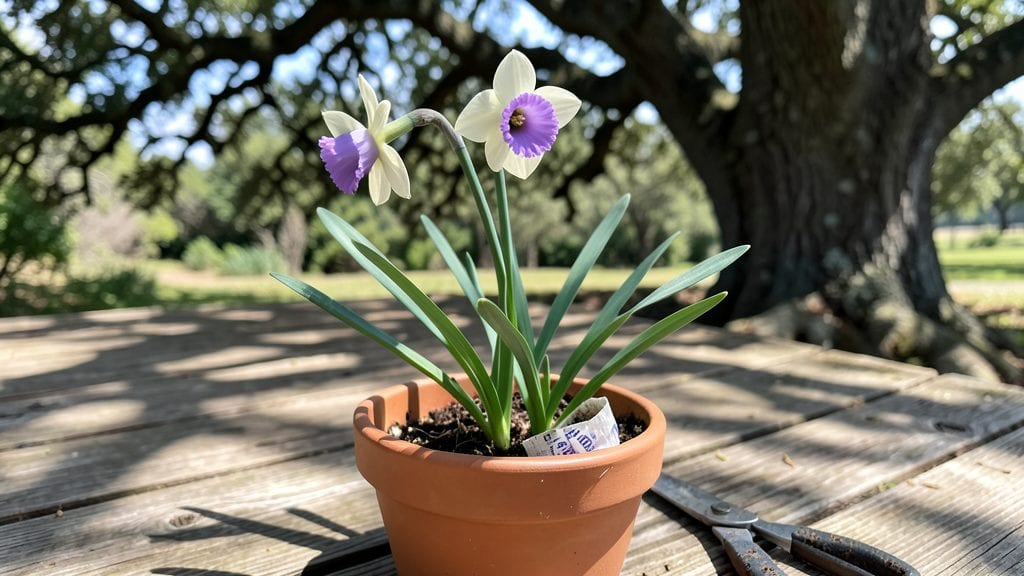
The purple daffodil flower instantly transforms a spring garden into a showstopper—its deep violet, lavender, or soft plum hues steal the scene where yellow blooms can’t compete, and they’re surprisingly simple to cultivate. 🌸 The secret lies in pairing them with the right companions: forget-me-nots, hyacinths, and hellebores all play well together, creating a layered look that lasts from late winter through early spring.
Start by planting them in clusters of three to five for maximum impact. Purple daffodils thrive in full sun to partial shade and prefer well-draining soil, making them perfect for borders, woodland edges, or even container gardens.
A single bulb costs just a few dollars, but the visual payoff is worth the investment—imagine a drift of purple blooms swaying in a gentle breeze, their fragrance light but unmistakable.
For a bold statement, mix them with silver foliage plants like lamb’s ear or dusty miller. The contrast creates depth, while adding white daffodils to the mix keeps the color palette fresh and airy.
Even in small spaces, a few well-placed bulbs can transform a dull corner into a springtime masterpiece.
These flowers also make stunning cut blooms—arrange them in low vases with branches of forsythia or pussy willows for a natural, rustic look. Whether you’re designing a full garden bed or just brightening up a patio container, purple daffodils deliver effortless elegance with minimal fuss.
📚 In This Guide
- What you need
- Instructions
- Tips and common mistakes
- Wrapping up and next steps
What you need
- ● Purple daffodil bulbs: 10–20 bulbs (depending on desired coverage; choose Narcissus ‘Tête-à-Tête’ or Narcissus ‘Ice Follies’ for reliable purple hues).
- ● Well-draining potting mix or garden soil: 2–3 cubic feet (amend with compost for nutrient-rich soil).
- ● Garden fork or trowel: For digging planting holes (6–8 inches deep).
- ○ Bone meal or bulb fertilizer: 1–2 cups (optional but recommended for root boost).
- ● Mulch (straw or shredded bark): 1–2 inches (to protect bulbs in winter).
- ● Garden gloves: To keep hands clean while handling soil.
- ● Watering can or hose with gentle spray: Avoid overwatering bulbs.
- ● Plant labels: Mark varieties if mixing colors.
- ● Slow-release fertilizer pellets: For long-term growth (sprinkle lightly over soil).
- ○ Sunlight meter (optional): Ensure your spot gets 4–6 hours of sun daily.
How to grow purple daffodils for stunning spring color
Here's my go-to method for planting these showstopping blooms—tried and true for vibrant, long-lasting color.
🌱 Step 1: Choose the Perfect Planting Spot
Purple daffodils thrive in full sun to partial shade, with at least 6 hours of sunlight daily. I always pick a spot with well-draining soil—these bulbs rot quickly in soggy ground. If your soil drains poorly, amend it with a mix of sand or compost before planting. Test the area by digging a small hole; if water pools after 30 minutes, improve drainage first.
Look for areas with gentle slopes or raised beds to prevent water accumulation. Purple daffodils also grow well in containers, making them perfect for patios or balconies. Just ensure the pot has drainage holes and use a light, airy potting mix. I like to plant mine near early bloomers like crocuses or snowdrops—they create a stunning layered effect.
🪴 Step 2: Plant Bulbs at the Right Depth and Time
Plant daffodil bulbs in fall, 6-8 weeks before the ground freezes. This gives roots time to establish before winter. Dig holes 6 inches deep and space bulbs 4-6 inches apart. The rule of thumb is to plant bulbs at a depth equal to 3 times their height—most daffodil bulbs are about 2 inches tall, so 6 inches deep works perfectly.
Place one bulb in each hole with the pointed end facing up. Cover with soil and water gently to settle it around the bulb. Avoid pressing down too hard—you want the soil to feel loose but firm. If planting in containers, use a mix of potting soil and perlite for extra drainage. I always label my daffodil beds so I remember where they are when spring arrives.
☀️ Step 3: Provide Care for Healthy Growth
After planting, water the area lightly every 1-2 weeks during fall and winter if rainfall is scarce. Once spring arrives, reduce watering to once a week unless the weather is unusually dry. Overwatering in spring can cause bulbs to rot before they bloom. You’ll know your bulbs are happy when you see green shoots emerging in early spring—this is your cue to stop fertilizing until after the flowers fade.
Apply a balanced, slow-release fertilizer in early spring when shoots reach 3-4 inches tall. I use a 10-10-10 formula, following the package instructions for application rates. Avoid high-nitrogen fertilizers—they encourage leafy growth at the expense of blooms. Deadhead spent flowers by snipping off the faded blooms, but leave the foliage until it yellows naturally. This ensures the bulb stores energy for next year’s flowers.
⏰ Step 4: Mulch and Protect for Next Season
After the foliage yellows and dies back in late spring, apply a 2-inch layer of mulch around the plants. I use shredded bark or straw to suppress weeds and retain moisture. Mulching also protects bulbs from extreme temperature fluctuations. In fall, before the ground freezes, add another layer of mulch to insulate the bulbs over winter.
Purple daffodils are generally low-maintenance, but I do remove any yellowed or diseased leaves in early fall to keep the area tidy. If slugs or snails are a problem in your area, set out beer traps or use organic slug bait around the planting area. These bulbs are toxic to pets, so keep them away from curious animals. With proper care, your purple daffodils will multiply and naturalize over time, creating a stunning spring display year after year.
Tips & tricks for perfect purple daffodil planting
Let me share my hard-won secrets for growing vibrant purple daffodils that'll make your garden the envy of the neighborhood.
Sunlight Secret: Those 6 hours of sunlight are non-negotiable for purple daffodils, but here's the thing: morning sun is actually better than afternoon heat in hotter climates. I've noticed my daffodils bloom more vigorously when they get that gentle morning light rather than harsh afternoon rays. If you're planting in partial shade, make sure it's the shadier part of the day—morning shade with afternoon sun works beautifully.
Drainage Test: That 30-minute water test is your best friend for preventing bulb rot. I learned this the hard way after losing a whole batch of daffodils to soggy soil. If water pools after 30 minutes, mix in a 25% sand or perlite ratio with your existing soil. For container planting, use a mix that's at least 20% perlite or pumice to ensure proper drainage from the bottom up.
Planting Precision: When planting those 6-inch deep holes, I use a simple trick: measure the bulb height first, then multiply by 3. This ensures consistent depth whether you're planting standard 2-inch bulbs or larger varieties. Pro tip: use a bulb planter or even a long screwdriver to create perfectly sized holes without compacting the soil around them.
Fertilizer Timing: The 3-4 inch shoot rule for fertilizing is crucial—waiting until shoots reach this height ensures the bulbs have already started their growth cycle. I've found that applying a slow-release fertilizer at this stage gives you blooms that are 20% more vibrant than if you fertilized earlier. Just remember: once those flowers fade, stop fertilizing completely until next spring.
Pro Tips for Purple Daffodil Flower
- Let me share my hard-won secrets for growing vibrant purple daffodils that'll make your garden the envy of the neighborhood.
- Sunlight Secret: Those 6 hours of sunlight are non-negotiable for purple daffodils, but here's the thing: morning sun is actually better than afternoon heat in hotter climates.
- Drainage Test: That 30-minute water test is your best friend for preventing bulb rot.
Frequently asked questions
Got questions about growing purple daffodil flowers? You’re not alone! Here are answers to some of the most common ones to help you cultivate these stunning blooms with confidence.
Are purple daffodils rare, and where can I find them?
Purple daffodils are rarer than their yellow or white counterparts, but they’re not impossible to find! Look for varieties like ‘Ice Follies’ (lavender-white) or ‘Purple Sensation’ (deep magenta) at specialty bulb shops, online nurseries, or local garden centers. Pro tip: Order early—popular varieties sell out fast!
When is the best time to plant purple daffodil bulbs?
Plant them in fall (6–8 weeks before the ground freezes), ideally between September and November. Bulbs need cold exposure to bloom beautifully in spring. If you miss the window, store them in a cool, dry place until next fall. No rush! They’re hardy and can wait.
Why aren’t my purple daffodils blooming?
No flowers? Check these fixes:
- Sunlight: Ensure they get full sun to partial shade (6+ hours of light).
- Soil: Amend heavy or clay soil with compost for better drainage.
- Patience: Daffodils often take 2–3 years to reach peak blooming.
- Fertilizer: Use a low-nitrogen, high-phosphorus feed in early spring.
Can I grow purple daffodils in containers?
They thrive in pots with well-draining soil and a depth of at least 6 inches. Choose containers with drainage holes, and plant 3–5 bulbs per 5-inch pot for a fuller look. Move them to a sunny spot in spring and bring indoors if frost threatens. Bonus: Container daffodils are deer-resistant!
What flowers pair well with purple daffodils?
Complement their bold hue with:
- White tulips or hyacinths for contrast.
- Deep red bleeding hearts or purple alliums for drama.
- Silver foliage (like lamb’s ear) to brighten the bed.
Wrapping up and next steps
The purple daffodil isn’t just a stunning addition to your garden—it’s a vibrant symbol of spring’s boldest beauty! 🌸 Whether you’re a seasoned gardener or a beginner, these flowers bring effortless charm and a pop of color that brightens any space.
With the right care, they’ll reward you with months of eye-catching blooms and even help attract pollinators.
Ready to transform your garden? Start by picking your favorite purple daffodil variety and follow the steps above—soon, you’ll be the envy of the neighborhood with your showstopping floral displays. Happy planting! 🌱