
Planting
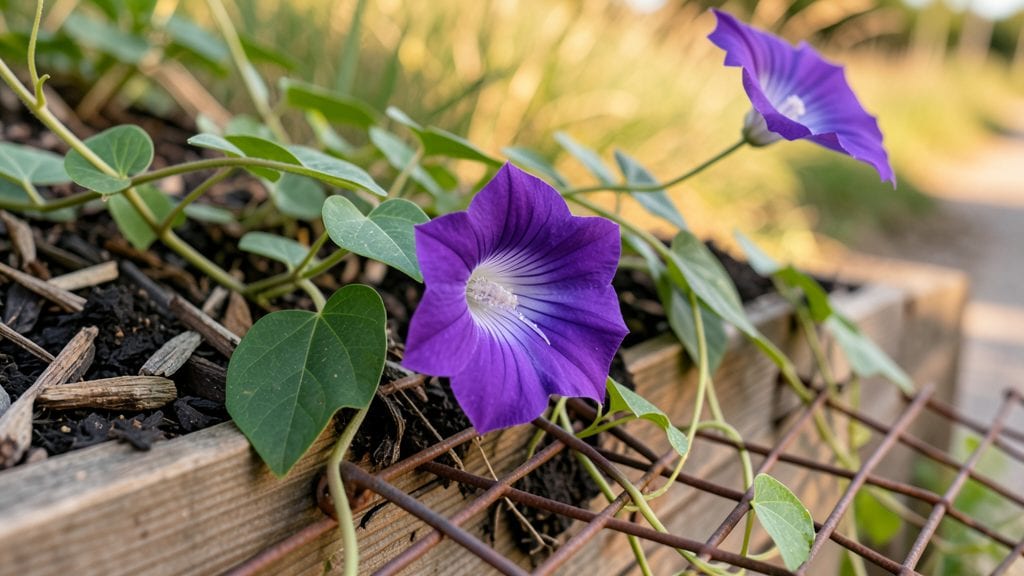
The Purple Moonflower (Ipomoea violacea) is the secret weapon for gardeners who want to turn their yard into a hummingbird haven after sunset. 🌿 I planted mine last summer, and within weeks, the trumpet-shaped blooms were glowing like purple lanterns in the twilight, drawing hummingbirds that lingered until midnight.
This twining vine thrives in full sun to partial shade and tolerates poor soil better than many flowers—just give it a 5-foot trellis or fence to climb.
Water it once a week once established, and you’ll see those velvety blooms open night after night, their intoxicating fragrance drawing pollinators you’ve never seen before.
By midsummer, your garden will feel like a magical retreat, with the air humming with wings and the scent of jasmine. The plants are drought-tolerant once rooted, spread easily from seed, and even survive light frosts—making them the low-maintenance superstar of night gardens.
Pair it with evening-scented plants like four o’clocks or night-blooming jasmine for a sensory experience that lasts until dawn. Here’s how to get started with foolproof care tips that’ll have your Purple Moonflower thriving in no time.
📚 In This Guide
- What you need
- Instructions
- Tips and common mistakes
- Wrapping up and next steps
What you need
- ● Purple moonflower seeds (Ipomoea alba) – 5–10 seeds (or a young plant if starting with a nursery-grown specimen).
- ● Well-draining potting mix or garden soil – 1–2 bags (10–20 lbs each) enriched with compost for better nutrients.
- ● Garden bed or large containers – At least 12–18 inches deep (or 5-gallon pots for container growing).
- ● Organic fertilizer (balanced 10-10-10 or compost tea) – 1–2 applications per growing season.
- ● Watering can or hose with a gentle spray nozzle – For consistent moisture without over-saturating.
- ● Garden trowel or hand shovel – For digging and transplanting.
- ● Pruning shears – To trim dead blooms and encourage new growth.
- ● Trellis or sturdy stake (4–6 ft tall) – Moonflowers are vining plants and need support!
- ● Mulch (straw or wood chips) – Helps retain moisture and suppress weeds.
- ○ Sunlight meter (optional) – Ensures your plant gets the ideal 6–8 hours of sunlight daily.
- ○ Hummingbird feeder (optional but fun!) – Attracts pollinators while your moonflowers establish.
Step-by-Step instructions for growing purple moonflower vines
Here’s how to cultivate these enchanting night-bloomers—fast-growing, fragrant, and irresistible to hummingbirds.
🌱 Step 1: Choose the Perfect Planting Location
Purple moonflowers (Ipomoea violacea) thrive in full sun, needing at least 6-8 hours of direct light daily. I plant mine against a south-facing fence or trellis where they’ll receive unobstructed afternoon sun. If your garden runs shadier, opt for a partial shade spot—just know the blooms will be fewer and smaller.
The key is warmth: these vines love soil temperatures above 60°F. Wait until after your last frost date to plant, or start seeds indoors 8-10 weeks beforehand in biodegradable pots (I use 2-inch cells). Moonflowers grow 6-10 feet tall, so plan your trellis or support system early—4-6 foot tall is ideal for most gardens.
🌿 Step 2: Prepare Soil and Plant Seeds or Transplants
Moonflowers aren’t picky about soil, but they perform best in well-draining, fertile loam with a slightly acidic to neutral pH (6.0-7.0). Amend heavy clay with 2-3 inches of compost or sand to prevent waterlogging. I mix in a slow-release granular fertilizer (10-10-10) at planting time to give them a nutrient boost for their rapid growth.
For direct sowing, plant seeds ½ inch deep in late spring after soil warms. Space them 12-18 inches apart—they’ll self-thin naturally. If transplanting, bury the roots 1-2 inches deeper than they were in the nursery pot to encourage stronger growth. Water deeply right after planting to settle the soil around the roots.
☀️ Step 3: Provide Support and Encourage Vigorous Growth
Moonflowers are twining vines, meaning they’ll spiral around any support you provide. Install a trellis, arbor, or sturdy fence before planting—these vines grow 2-3 feet per week in ideal conditions and can become unwieldy if left unsupported. I use galvanized wire trellises for durability and a clean look.
Water deeply 2-3 times per week during the first 4-6 weeks to establish roots. Once established, they’re drought-tolerant, but consistent moisture produces larger, more abundant blooms. You’ll know they’re happy when the leaves are deep green and glossy, and new growth appears every 7-10 days. Fertilize again mid-summer with a balanced liquid fertilizer to prolong blooming.
⏰ Step 4: Maintain and Enjoy the Nighttime Show
Purple moonflowers are self-cleaning—dead blooms drop naturally, so you won’t need to deadhead. However, if you notice yellowing leaves, it’s usually a sign of overwatering or powdery mildew (common in humid climates). Prune back affected foliage immediately and space plants 18-24 inches apart for better airflow.
The real magic happens at dusk when the 3-4 inch wide lavender-purple blooms unfurl, releasing a sweet, intoxicating fragrance that draws hummingbirds and moths. To extend the blooming season, mulch around the base with 2-3 inches of organic mulch (like shredded bark) to retain moisture and regulate soil temperature. With proper care, these vines will bloom throughout summer and early fall.
Tips & tricks for perfect purple moonflower plant growth
A few strategic moves can transform your moonflower garden from good to spectacular—here's what I've learned after years of growing these magical vines.
Sunlight Strategy: In Step 1, the 6-8 hours of direct sunlight is non-negotiable, but here's the secret: prioritize afternoon sun. Morning sun helps, but it's the intense late afternoon rays that trigger those dramatic evening blooms. If your garden only gets morning sun, consider using a portable grow light for 2-3 hours in the afternoon during cloudy periods.
Soil Temperature Hack: The 60°F soil temperature threshold in Step 1 is crucial—cold soil slows germination and growth. To speed things up, especially in cooler climates, I place black plastic mulch over the soil 2-3 days before planting. This raises soil temperature by 5-10°F and helps establish roots faster. Just remove it after planting to prevent overheating.
Support System Pro Tip: When installing your trellis in Step 3, bury the posts at least 12 inches deep or use heavy-duty stakes for stability. These vines can grow 2-3 feet per week, and a wobbly support system will collapse under their weight. I've seen moonflowers snap trellises that weren't properly anchored—trust me, you don't want to deal with that mid-summer!
Watering Wisdom: The 2-3 times per week guideline in Step 3 works, but timing matters more than frequency. Water deeply in the morning so the soil has time to dry slightly before evening. Wet foliage at night invites powdery mildew, and moonflowers are particularly susceptible. I use a soaker hose for this—it delivers water right to the roots without wetting the leaves.
Pro Tips for Purple Moonflower Plant
- A few strategic moves can transform your moonflower garden from good to spectacular—here's what I've learned after years of growing these magical vines.
- Sunlight Strategy: In Step 1, the 6-8 hours of direct sunlight is non-negotiable, but here's the secret: prioritize afternoon sun.
- Soil Temperature Hack: The 60°F soil temperature threshold in Step 1 is crucial—cold soil slows germination and growth.
Frequently asked questions
How fast does the Purple Moonflower grow?
The Purple Moonflower (Ipomoea alba) is a fast grower! With the right conditions—full sun, well-draining soil, and consistent moisture—it can climb 10–15 feet in a single season. Expect vines to sprout quickly from seed (7–14 days) and flowers to appear in 60–90 days. For faster results, opt for young plants from nurseries.
When is the best time to plant Purple Moonflower?
Plant seeds or transplants after the last frost when soil is warm (at least 60°F/15°C). In warm climates, you can plant in early spring; cooler regions should wait until late spring or early summer. Pro tip: Soak seeds overnight before planting to speed up germination!
Why aren’t hummingbirds visiting my Purple Moonflower?
Hummingbirds adore these flowers—but if they’re missing, check these fixes:
- Timing: Flowers open at dusk and last until dawn. Place a feeder nearby for daytime visits.
- Location: Ensure it’s in full sun (6+ hours daily) and sheltered from wind.
- Pests: Aphids or spider mites can deter birds. Spray with soapy water if needed.
Can Purple Moonflower grow in containers?
Yes! Use a large container (15+ gallons) with drainage holes and a trellis for climbing. Choose a fast-draining potting mix (add perlite) and fertilize monthly with a balanced formula. Just ensure it gets full sun—containers heat up faster, so water consistently. Bonus: Move pots to a shaded spot during extreme heat!
What do I do if my Purple Moonflower leaves turn yellow?
Yellowing leaves often signal overwatering or poor drainage. Let the soil dry slightly between waterings and amend heavy clay soil with compost. Check for root rot (mushy stems) and repot if needed. Underwatering can also cause stress—aim for 1–1.5 inches of water per week. Test soil moisture by sticking your finger 1 inch deep!
Are there alternatives to Purple Moonflower for night bloomers?
If you love night-scented flowers, try these hummingbird-friendly alternatives:
- Evening Primrose (Oenothera spp.) – Fragrant yellow blooms.
- Night-Blooming Jasmine (Cestrum nocturnum) – Intense fragrance but toxic.
- Four O’Clock Flower (Mirabilis jalapa) – Vibrant colors, drought-tolerant.
For climbing vines, Moonflower’s cousin Ipomoea quamoclit (cypress vine) is another great pick!
Wrapping up and next steps
The purple moonflower plant is a stunning, low-maintenance addition to any garden that thrives in the night and attracts hummingbirds with its fragrant blooms. Whether you're a seasoned gardener or just starting out, this easy-to-grow beauty offers both visual charm and ecological benefits. 🌙✨
Now that you’re armed with the right materials and answers, it’s time to roll up your sleeves and bring this magical plant to life!
Start by planting your seeds or seedlings in a sunny, well-draining spot, and soon, you’ll be rewarded with enchanting evening blooms and a buzzing hummingbird haven. Happy gardening! 🌱💖