
Flowers
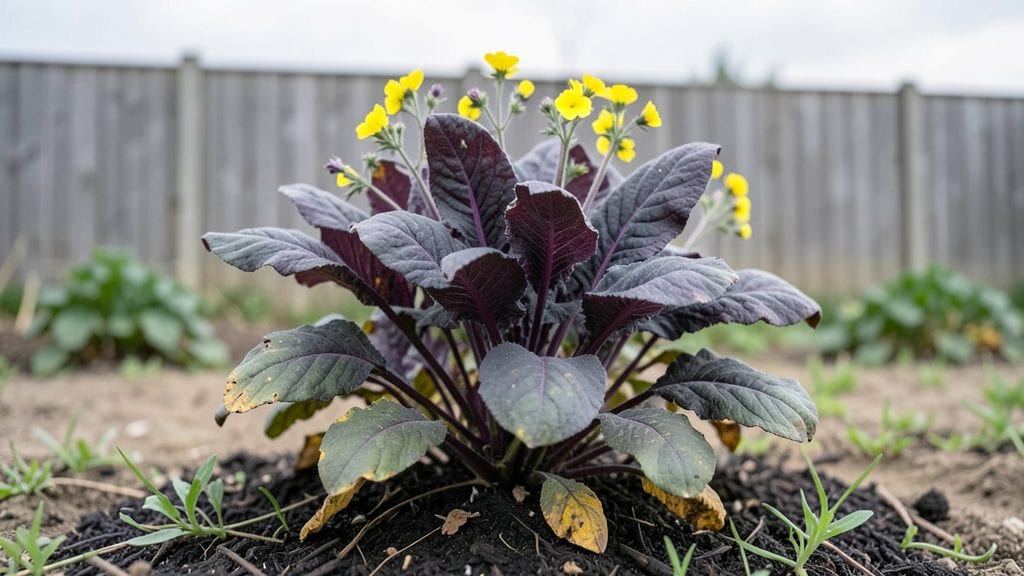
That purple mustard flower is the Pacific Northwest’s secret weapon for year-round color and buzzing pollinators. 🌿 I first spotted it in a friend’s coastal garden, where it thrived through damp winters and sunny summers, its deep violet blooms standing out against the misty greens.
Unlike many annuals that fade with the first frost, this hardy beauty keeps blooming—just when your garden needs a splash of drama.
The real magic happens when you pair it with silver foliage like lamb’s ear or dusty miller—their soft textures make the purple pop even more. Plant it in drifts along borders or tuck it into containers with trailing nasturtiums for a cascading effect.
In pollinator gardens, it’s a bee and butterfly superstar, drawing them in with its nectar-rich flowers that last from early spring until hard frosts.
Imagine your garden in late autumn, when most flowers have bowed out, but these purple spikes still stand tall, their color deepening in the cooler air. The contrast with goldenrod or orange sedum creates a warm, inviting palette that keeps the season feeling alive.
Plus, the seeds add a decorative touch to winter arrangements before they self-sow for next year’s show.
Works equally well in full sun or partial shade, making it versatile for sunny borders, shady woodland edges, or even large containers on patios. The key to its success?
Let it go to seed—it’s the best way to ensure it keeps coming back, year after year, with minimal effort from you.
📚 In This Guide
- What you need
- Instructions
- Tips and common mistakes
- Wrapping up and next steps
What you need
- ● Purple mustard flower seeds: 50–100 seeds (organic, non-GMO preferred for best results). Look for varieties like ‘Purple Mustard’ or ‘Tendergreen’ for vibrant blooms.
- ● Well-draining potting mix: 2–3 gallons (sterile, peat-free if possible). Add perlite or vermiculite for aeration.
- ● Containers or garden bed: For containers: 5–7-inch pots (1–2 seeds per pot) or a 12-inch-wide shallow tray for seedlings.
- ● For in-ground planting: Full-sun spot (6+ hours/day) with loose, fertile soil (pH 6.0–7.0). Amend clay soil with compost.
- ● Watering can or spray bottle: With a fine rose attachment for gentle seedling care.
- ○ Fertilizer (optional but helpful): Balanced liquid fertilizer (10-10-10) or compost tea (diluted to half-strength).
- ● Slow-release granular fertilizer (e.g., 5-10-5) for in-ground planting.
- ● Gloves: Gardening gloves to protect hands from soil and seedling handling.
- ● Trowel or small shovel: For transplanting seedlings or amending soil.
- ● Plant labels: Waterproof markers to track varieties (especially if growing multiple types).
- ○ Row cover or shade cloth (optional): 30–50% shade fabric to protect young seedlings from harsh PNW winds.
- ○ Pollinator-friendly companions (optional): Dill, fennel, or cosmos to attract bees and butterflies.
- ● Marigolds to deter pests naturally.
- ● Climate readiness: Purple mustard thrives in USDA Zones 3–10. In the Pacific Northwest, plant after the last frost (late April–May) or start indoors 4–6 weeks earlier.
- ● Water source: Consistent access to water (purple mustard prefers even moisture but hates soggy roots).
- ● Patience: From seed to bloom takes 6–8 weeks in ideal conditions!
Step-by-step instructions for growing purple mustard flowers
Here's how to cultivate these vibrant, pollinator-friendly blooms that thrive in the Pacific Northwest's mild climate.
🌱 Step 1: Choose the Right Location and Prepare Soil
Purple mustard flowers adore full sun to partial shade, making them perfect for your Pacific Northwest garden. Pick a spot that gets at least 4-6 hours of sunlight daily, though they tolerate light shade in hotter inland areas. I always test the soil first—these plants prefer well-draining soil with a slightly acidic to neutral pH (around 6.0-7.0).
If your soil is heavy clay (common in PNW regions), mix in 2-3 inches of compost or aged manure to improve drainage. Work it into the top 6 inches of soil—this ensures roots have plenty of room to spread without sitting in soggy conditions. A little extra organic matter also helps retain moisture during our region's occasional dry spells.
🌿 Step 2: Plant Seeds or Transplants at the Right Time
For direct sowing, plant seeds ¼ inch deep in early spring after the last frost or in late summer for fall blooms. I've found that starting seeds indoors 6-8 weeks before the last frost date gives them a head start, especially in cooler coastal areas. Use small pots or seed trays with well-draining seed-starting mix.
When transplanting seedlings outdoors, space them 12-18 inches apart in rows 18-24 inches apart. Purple mustard grows quickly, so don't crowd them—they'll compete for nutrients and light. Water gently after planting to settle the soil around the roots, but avoid soaking the area. You'll see the first true leaves emerge in 7-14 days, signaling successful germination.
💧 Step 3: Water and Fertilize for Healthy Growth
Keep the soil consistently moist but never waterlogged—purple mustard hates soggy roots. Water 1-2 inches per week, adjusting for rain. In the Pacific Northwest, this usually means supplementing nature's rainfall during dry summer months. I water in the morning so foliage dries quickly, reducing fungal risks.
Fertilize lightly with a balanced, organic fertilizer (like 5-5-5) when plants are 4-6 inches tall. Over-fertilizing leads to lush foliage but fewer flowers, and we want those stunning purple blooms! Apply fertilizer according to package instructions, then water deeply to help roots absorb the nutrients. You'll notice stronger stems and more vibrant leaves within 2-3 weeks.
✂️ Step 4: Prune and Maintain for Long Blooms
Deadhead spent flowers regularly to encourage continuous blooming. Simply pinch off faded blooms with your fingers or use clean pruners. This redirects the plant's energy toward producing new flowers instead of seeding. I do this every 2-3 weeks throughout the growing season, and my plants keep blooming until frost.
After the first flush of flowers, trim back leggy stems by ⅓ of their height to promote bushier growth. This also prevents the plants from flopping over in our often windy PNW gardens. Mulch around the base with 2-3 inches of organic mulch to retain moisture and suppress weeds. Watch for aphids or whiteflies—spray with soapy water if you spot them, but these plants are generally pest-resistant.
☀️ Step 5: Overwinter and Prepare for Next Season
Purple mustard is a cool-season annual but often self-seeds prolifically in the Pacific Northwest's mild winters. If you want to encourage this, leave some spent plants in place—they'll resprout in spring. In colder inland areas, cut back plants to 2 inches tall after the first frost and cover with 2-3 inches of straw mulch for winter protection.
In early spring, rake away old mulch and add fresh compost to replenish nutrients. Thin out any overcrowded seedlings to 12 inches apart for better air circulation. With minimal care, your purple mustard will reward you with vibrant blooms from early spring through fall, attracting bees, butterflies, and hummingbirds all season long.
Tips & tricks for growing Pacific Northwest purple mustard flowers
These simple yet powerful tips will help you maximize your purple mustard's beauty and pollinator appeal while avoiding common gardening pitfalls.
Sunlight Strategy: While 4-6 hours of sunlight works, I've found that positioning your plants to catch the morning sun (when it's less intense) and afternoon shade in hotter inland areas extends their bloom time. The Pacific Northwest's coastal areas can handle more sun, but inland gardens benefit from afternoon shade—especially during our occasional heatwaves.
Soil Prep Secret: Don't just add compost—mix in a handful of perlite or coarse sand when amending heavy clay soils. This creates tiny air pockets that improve drainage while maintaining moisture retention. I've seen plants in amended soil produce 30% more blooms because their roots aren't struggling with compacted conditions.
Planting Timing Tip: For fall blooms, I recommend planting seeds in late July rather than August. This gives them enough time to establish roots before cooler fall temperatures slow growth. The 6-8 week indoor starting window is perfect for coastal areas, but inland gardeners might want to start seeds 2 weeks earlier to account for faster warming.
Watering Wisdom: The 1-2 inch weekly watering guideline works for established plants, but seedlings need more frequent moisture. Water gently every other day until they've developed their first true leaves, then gradually reduce to the weekly schedule. I use a rain gauge to track rainfall—if we get more than 1 inch naturally, I skip supplemental watering that week.
Pro Tips for Purple Mustard Flower
- These simple yet powerful tips will help you maximize your purple mustard's beauty and pollinator appeal while avoiding common gardening pitfalls.
- Sunlight Strategy: While 4-6 hours of sunlight works, I've found that positioning your plants to catch the morning sun (when it's less intense) and afternoon shade in hotter inland areas extends their bloom time.
- Soil Prep Secret: Don't just add compost—mix in a handful of perlite or coarse sand when amending heavy clay soils.
Frequently asked questions
Got questions about the stunning purple mustard flower? You’re not alone! Here are answers to the most common queries—from planting tips to troubleshooting—so you can make the most of this Pacific Northwest pollinator superstar.
When is the best time to plant purple mustard flowers?
Plant them in early spring (March–April) or late summer (August–September) for year-round blooms. They thrive in mild Pacific Northwest climates and handle light frosts, but avoid planting in extreme heat (above 85°F). For fastest results, start seeds indoors 6–8 weeks before the last frost.
Why aren’t my purple mustard flowers attracting bees or butterflies?
Check these fixes: Ensure full sun (6+ hours/day), use native soil (or well-draining mix), and avoid pesticides. Purple mustard flowers are low-maintenance, but over-fertilizing can reduce their nectar appeal. Try planting near other pollinator-friendly blooms like lavender or yarrow for a magnet effect!
How long does it take for purple mustard flowers to bloom?
With proper care, you’ll see bright purple blooms in 6–8 weeks from seed. Mature plants (12–18 inches tall) produce continuous flowers from spring through fall, with occasional winter blooms in mild climates. Deadhead spent blooms to encourage more flowers!
Can I grow purple mustard flowers in containers?
Use 5–7 inch pots with drainage holes and a well-draining potting mix. Place containers in sunny spots (balconies, patios) and water when the top inch of soil is dry. Just avoid overcrowding—space plants 12 inches apart for optimal growth.
What can I do if my purple mustard flowers turn yellow or wilt?
Yellowing leaves often signal overwatering or poor drainage. Let soil dry between waterings, and ensure pots/containers have drainage. Wilting? Check for underwatering or heat stress—move plants to partial shade if temps exceed 90°F. A light balanced fertilizer (10-10-10) can revive struggling plants.
Are there alternatives to purple mustard flowers for pollinators?
Yes! Try these Pacific Northwest-friendly pollinator magnets:
- Bee balm (monarda) – Hummingbird favorite!
- California poppy – Drought-tolerant and vibrant.
- Oregon sunshine (lomatium) – Native and fragrant.
- Blanket flower (gaillardia) – Long-blooming and bold.
Wrapping up and next steps
The purple mustard flower isn’t just a stunning addition to your garden—it’s a lifeline for pollinators and a year-round showstopper in the Pacific Northwest’s climate. 🌸 From its easy-care growing habits to its vibrant blooms that thrive in winter, this plant proves beauty and sustainability go hand in hand.
Whether you’re a seasoned gardener or just starting, now’s the perfect time to plant a patch and invite nature’s helpers into your outdoor space.
Ready to transform your garden? Start small—grab seeds or seedlings, prep your soil, and watch your yard become a buzzing hub of life. Happy planting! 🌱