
Flowers
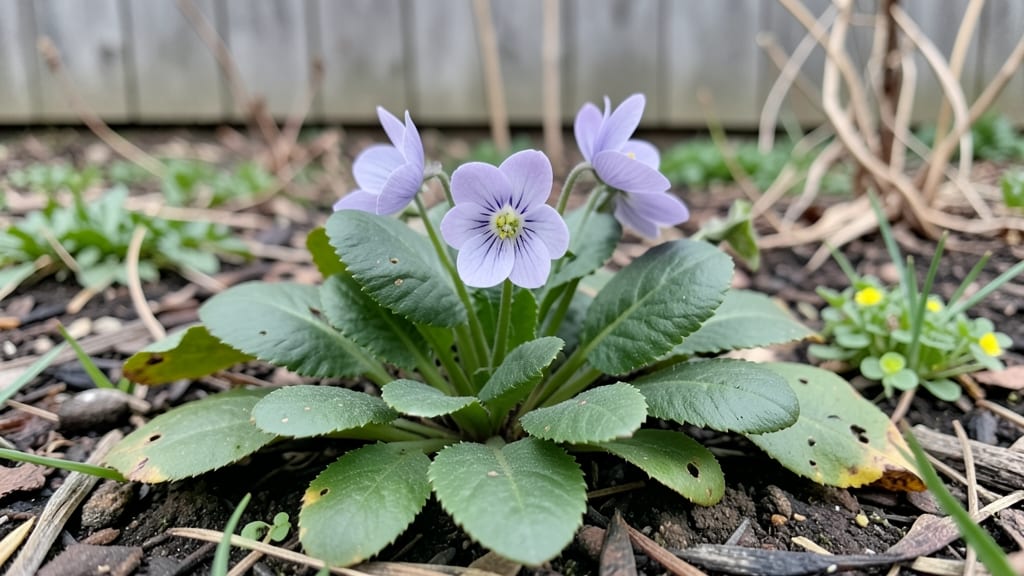
There’s no flower quite like the purple primrose to turn a Pacific Northwest garden into a hummingbird haven. 🌿 Its velvety petals and soft lavender hue create a dreamy, cottage-garden feel that works in borders, containers, or even window boxes.
The best part? These cold-hardy beauties thrive where many flowers struggle, bringing color from early spring through summer.
Primroses are the unsung heroes of garden design—versatile enough to anchor a cottage garden but delicate enough to soften a modern border. Pair them with heucheras for foliage contrast, columbines for vertical drama, or sweet alyssum for a cascading effect.
Their subtle fragrance and nectar-rich blooms make them a pollinator magnet, especially for hummingbirds eager for early-season sustenance.
For a show-stopping display, plant primroses in drifts of 5-7 plants along pathways or at the front of borders. Their low-growing habit keeps them perfect for edging, while their long bloom time ensures continuous color.
Snip a few stems for cut flowers—they last beautifully in vases, adding a touch of whimsy to any arrangement.
Whether you’re designing a pollinator garden, a shady woodland border, or a container combo, purple primroses deliver effortless charm. Their ability to handle cool, damp climates makes them a must-have for PNW gardeners who want beauty without the fuss. Let’s bring that magic to your space!
📚 In This Guide
- What you need
- Instructions
- Tips and common mistakes
- Wrapping up and next steps
What you need
- ● Primrose seeds or nursery-grown plants: 1–2 packets of Primula denticulata seeds (or 3–5 potted plants for faster results)
- ● Choose cold-hardy varieties labeled for Zones 5–9
- ● Well-draining potting soil: 1–2 bags (18–20 quarts each) of peat-free, organic potting mix (amend with perlite for better drainage)
- ● Containers or garden bed: For containers: 6–8-inch pots (1–2 per plant) with drainage holes
- ● For in-ground planting: Partial shade spot with moist, acidic soil (pH 5.0–6.5)
- ● Watering can or hose with a gentle spray nozzle
- ○ Organic fertilizer (optional but recommended): Balanced 10-10-10 or low-phosphorus fertilizer (e.g., fish emulsion or compost tea)
- ○ Mulch (optional): 2–3 inches of pine bark or shredded leaves to retain moisture
- ● Hummingbird feeder (to supplement nectar while flowers establish)
- ● Garden gloves (to protect hands from soil and sap)
- ● Plant labels (to track varieties if growing multiple types)
- ● Slow-release fertilizer tablets (for container gardening)
- ● Pruning shears (for deadheading spent blooms)
Step-by-Step instructions for cultivating Pacific Northwest primroses
Here’s how to grow vibrant purple primroses that thrive in cool, damp climates—just like the PNW’s native hummingbird favorites.
🌱 Step 1: Select the Right Variety and Prepare the Soil
Choose Primula vulgaris or Primula denticulata for cold-hardy purple blooms that tolerate USDA Zones 3-8. These varieties handle the Pacific Northwest’s wet winters and cool summers beautifully. Test your soil—primroses prefer slightly acidic to neutral (pH 6.0-7.0) and well-draining yet moisture-retentive conditions.
Amend heavy clay soil with 2-3 inches of organic compost or peat moss to improve drainage while retaining moisture. I like to mix in a handful of perlite to prevent root rot, especially in rainy seasons. Work the amendments into the top 12 inches of soil—this ensures roots have access to nutrients without compacting.
🪴 Step 2: Plant in Partial Shade with Consistent Moisture
Primroses thrive in partial shade (3-6 hours of morning sun), which prevents leaf scorch in hot afternoons. In the Pacific Northwest, this often means planting near trees or along north-facing walls. Dig holes twice as wide as the root ball but only as deep as the container—burying too deep suffocates roots.
Space plants 12-18 inches apart to allow airflow and reduce fungal diseases. Water deeply right after planting to settle the soil around roots, then maintain 1 inch of water per week (more in summer heat). Use a soaker hose to deliver moisture directly to the root zone—this keeps leaves dry and minimizes mildew.
☀️ Step 3: Fertilize Lightly and Deadhead for Continuous Blooms
Feed primroses once in early spring with a balanced, slow-release fertilizer (10-10-10) at half strength. Too much nitrogen encourages leafy growth over flowers. I skip summer fertilizing—these plants prefer lean soil and bloom best when slightly stressed. Mulch with 2 inches of shredded bark to retain moisture and suppress weeds.
Deadhead spent blooms every 2-3 weeks by snipping the flower stem just above the first set of leaves. This redirects energy to new growth and extends the flowering season. Watch for yellowing leaves—a sign of overwatering or poor drainage. Adjust watering if the soil stays soggy for more than 24 hours after watering.
✂️ Step 4: Divide and Renew Every 3-4 Years
Primroses form dense clumps over time, which reduces flowering. In early spring or fall, dig up the plant and separate the crowns with a sharp knife, ensuring each section has 3-4 leaves and roots. Replant immediately in fresh soil. This rejuvenates the plant and prevents overcrowding—critical for hummingbirds who rely on fresh blooms.
Divided primroses establish quickly in the cool PNW climate. Water deeply for the first 2 weeks post-division to help roots reattach. You’ll see new growth within 3-4 weeks, signaling the plant is recovering. This is also the perfect time to share divisions with fellow gardeners—hummingbirds will thank you!
Tips & tricks for perfect purple primrose cultivation
Here's what nobody tells you about growing these stunning PNW natives that'll keep your garden buzzing with hummingbirds all season.
Soil Amendments Are Non-Negotiable: In Step 1, when you're mixing those 2-3 inches of organic compost or peat moss, take an extra minute to incorporate perlite into the bottom third of your amended soil. This creates a perfect capillary action—water moves up to roots while excess drains away, preventing the soggy soil that causes root rot in our rainy climate. I've seen primroses drown in well-meaning but poorly drained soil that still had "good" compost.
Sunlight Strategy for the PNW: The 3-6 hours of morning sun in Step 2 is crucial, but here's the secret: position your plants to catch the coolest morning light possible. East-facing spots or the northern side of trees work best. I've had primroses scorch when planted in west-facing locations where afternoon sun hits—even though it's only 3 hours, that intense late-day sunlight is what does the damage. Think of it like giving your plants a gentle wake-up call rather than a midday tanning session.
Watering Wisdom for Hummingbird Gardens: That 1 inch of water per week guideline in Step 2 is perfect, but here's how to make it work in real PNW conditions: use your finger to check soil moisture 2 inches deep before watering. If it's dry, water thoroughly; if it's still damp, wait another day. Overwatering is the #1 killer of primroses—those soggy 24 hours after watering can turn deadly fast in our climate. A soaker hose isn't just recommended; it's essential for delivering water where roots need it without wetting the leaves and inviting mildew.
Division Timing Matters: When you're ready to divide those clumps every 3-4 years in Step 4, I've found fall division works even better than spring for our climate. The cooler temperatures mean less stress on the plants, and they establish roots before winter. Just make sure to water deeply for those 2 weeks post-division—this is when roots are most vulnerable. You'll know it's working when you see that new growth in 3-4 weeks, signaling the plant is happily settling into its new home.
Pro Tips for Purple Primrose Flower
- Here's what nobody tells you about growing these stunning PNW natives that'll keep your garden buzzing with hummingbirds all season.
- Soil Amendments Are Non-Negotiable: In Step 1, when you're mixing those 2-3 inches of organic compost or peat moss, take an extra minute to incorporate perlite into the bottom third of your amended soil.
- Sunlight Strategy for the PNW: The 3-6 hours of morning sun in Step 2 is crucial, but here's the secret: position your plants to catch the coolest morning light possible.
Frequently asked questions
When is the best time to plant purple primrose in the Pacific Northwest?
Plant purple primrose in early spring (March–April) or early fall (September–October) for the best results. This timing lets roots establish before summer heat or winter frost. If you’re in a cooler microclimate (like the Olympic Peninsula), fall planting can be even better—just cover young plants with mulch for extra protection.
Why aren’t hummingbirds visiting my purple primrose flowers?
Hummingbirds love purple primrose, but a few things might deter them:
- Timing: Wait until flowers fully bloom (late spring–early summer) and are open during the day.
- Location: Plant in sunny spots (6+ hours of light) and avoid windy areas where birds hesitate.
- Alternatives: Pair with other nectar-rich flowers like bee balm or columbine to create a buffet.
Can purple primrose survive harsh PNW winters?
Yes! This cold-hardy beauty thrives in USDA Zones 3–9, making it perfect for the PNW’s chilly winters.
- Mulch heavily (3–4 inches) with straw or shredded leaves after the first frost.
- Avoid wet soil in winter—poor drainage can rot roots.
- Deadhead spent blooms in late fall to prevent seed production (which can weaken the plant).
What’s a good alternative if purple primrose doesn’t grow well in my garden?
If your soil or climate isn’t ideal, try these hummingbird-friendly PNW natives:
- Penstemon (beardtongue): Drought-tolerant and vibrant (purple, red, or pink).
- Lupine: Nitrogen-fixing and great for slopes (blue or yellow blooms).
- Sage (Salvia): Fragrant, long-blooming, and bee-hummingbird approved.
My purple primrose leaves look yellow—what’s wrong?
Yellow leaves usually signal overwatering or nutrient deficiencies. Try this:
- Check soil moisture: Primrose prefers moist but well-draining soil. Let the top inch dry out between waterings.
- Fertilize lightly: Use a balanced, water-soluble fertilizer (10-10-10) in early spring.
- Rule out pests: Inspect for aphids or slugs—they can stress plants.
Wrapping up and next steps
The purple primrose flower isn’t just a stunning addition to your garden—it’s a lifeline for hummingbirds and a resilient symbol of the Pacific Northwest’s beauty. With its cold-hardy nature and vibrant blooms, it’s easy to grow and packed with benefits for pollinators.
Whether you’re a seasoned gardener or just starting out, this flower brings joy, color, and life to your outdoor space.
Ready to transform your garden? Start by planting a few purple primroses this season—your local hummingbirds (and your green thumb!) will thank you. Check out our planting tips to get started today! 🌸