
Landscaping
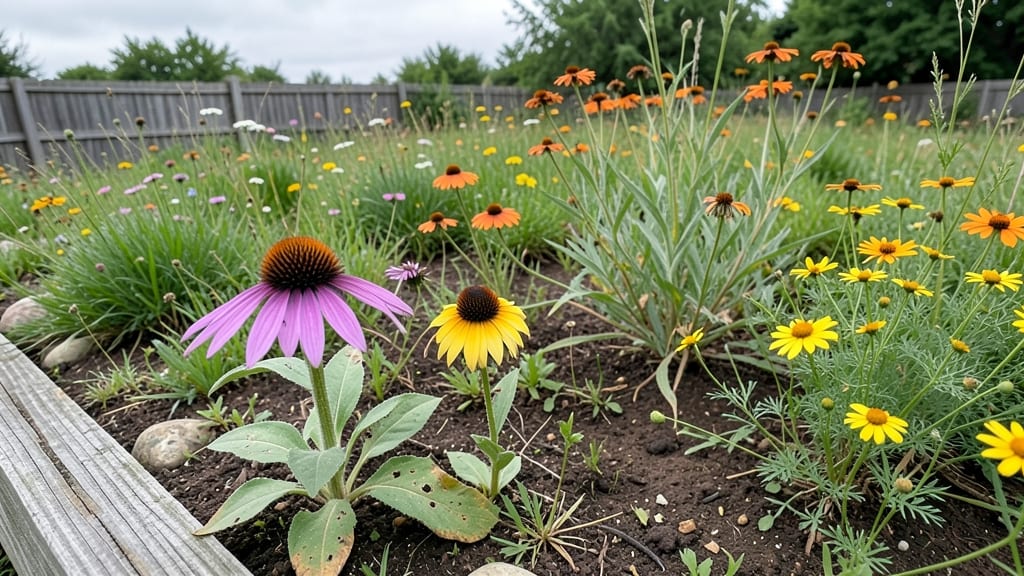
Designing a wildflower garden that blooms from spring to frost isn’t just possible—it’s easier than you think. 🌸 The key is layering native species with staggered bloom times, so your garden never looks bare.
My first attempt was a patchy disaster, but after three years of trial and error, I now have a plot that hums with bees from April through October.
Start with your site’s sunlight and soil. Full sun spots need drought-tolerant perennials like black-eyed Susans and purple coneflowers, while partial shade thrives with wild columbine and foamflower. The soil prep is simple: till in compost, rake smooth, and scatter seeds—no need for perfect rows.
Native seeds are the secret weapon here; they adapt to your climate and require less water once established.
By midsummer, you’ll have a tapestry of color and texture that changes weekly. Imagine the deep purple of bee balm giving way to goldenrod’s late-season glow, all while butterflies and hummingbirds flit between blooms.
The best part? Once planted, these gardens need only occasional weeding and deadheading to keep them flourishing.
Whether you’re working with a full meadow or a few containers on your patio, the principles stay the same. Small spaces can still support pollinators—just scale down the plant quantities. Let’s get your design started with a few foolproof plant pairings that guarantee year-round interest.
📚 In This Guide
- What you need
- Instructions
- Tips and common mistakes
- Wrapping up and next steps
What you need
- ● Wildflower seeds: Choose native species (e.g., Black-eyed Susan, Coneflower, Milkweed). Aim for 2–4 lbs per 100 sq. ft for a lush look.
- ● Soil: Well-draining, native soil or a mix of 60% topsoil + 40% compost (avoid heavy clay).
- ○ Mulch (optional but helpful): Straw or wood chips (1–2 inches deep) to retain moisture.
- ● Tools: Garden rake (8–12 teeth for smoothing soil)
- ● Garden hoe or tiller (for breaking up compacted soil)
- ● Hand trowel (for precision planting)
- ● Watering can or hose with a gentle spray nozzle
- ● Water source: Access to a hose or rain barrel (wildflowers need 1–1.5 inches of water weekly for the first month).
- ● Seedling trays (if starting seeds indoors).
- ● Bird feeders or bee houses to attract pollinators.
- ● Garden markers (to label wildflower varieties).
- ● Organic fertilizer (low-nitrogen, like 5-10-10 blend, for established plants).
- ● Drip irrigation kit for low-maintenance watering.
Step-by-Step instructions for designing a layered wildflower pollinator haven
Here's how to create a thriving, layered garden that blooms from spring to fall.
🌱 Step 1: Plan Your Garden Layers and Sunlight Zones
Start by sketching your space, dividing it into three distinct layers: tall plants (3-6 feet), mid-height (1-3 feet), and ground cover (under 1 foot). Observe sunlight patterns throughout the day—wildflowers need at least 4-6 hours of sun for best performance, though many tolerate partial shade. I always mark the sunniest spots first; these become the foundation for your pollinator magnet.
For a 4-season display, assign each layer to bloom at different times: plant tall coneflowers or black-eyed Susans for summer height, add spring-blooming columbine or bleeding heart for early color, and include fall-blooming asters or goldenrod for late-season interest. This ensures continuous nectar and pollen sources for bees, butterflies, and hummingbirds.
☀️ Step 2: Select Native Wildflowers for Your Region
Native plants are the secret weapon—they thrive with less water, resist local pests, and support specialized pollinators. Check your USDA hardiness zone and local native plant database to choose species that naturally grow in your area. I like to mix 3-5 different varieties per layer to create texture and color variety while keeping maintenance low.
For the tall layer, consider purple coneflower (Echinacea), Joe-Pye weed (Eutrochium), or beard tongue (Penstemon). Mid-height options include black-eyed Susan (Rudbeckia), butterfly weed (Asclepias), and coneflower (Ratibida). Fill the ground layer with wild bergamot (Monarda), salvia (Salvia), or coreopsis—these stay compact and attract ground-level pollinators like bees and butterflies.
🌿 Step 3: Prepare the Soil and Plant in Clusters
Wildflowers don’t need rich soil—they’ll grow in average garden soil, but they do appreciate good drainage. Loosen the top 6 inches of soil and mix in a 2-inch layer of compost to boost microbial activity. Avoid heavy tilling, which disrupts beneficial soil organisms. I like to work in small sections, focusing on one layer at a time to keep the process manageable.
Plant in natural-looking clusters of 3-5 plants, mimicking how wildflowers grow in meadows. Space taller varieties 18-24 inches apart, mid-height plants 12-18 inches apart, and ground covers 6-12 inches apart. This creates a dense, pollinator-friendly landscape that looks intentional rather than planted in straight rows.
💧 Step 4: Water Deeply and Mulch Strategically
Water deeply once a week (or more in extreme heat) for the first 4-6 weeks to help roots establish. After that, wildflowers are drought-tolerant once established—they’ll thrive with rainfall alone in most climates. I water in the early morning to reduce evaporation and fungal risks. Let the soil dry slightly between waterings to prevent root rot.
Apply a 2-inch layer of mulch (like shredded bark or straw) around plants to retain moisture and suppress weeds. Keep mulch 2 inches away from plant stems to avoid rot. This layer also protects soil from erosion and keeps the garden looking neat without the upkeep of mowing.
✂️ Step 5: Maintain with Minimal Effort
Wildflowers are low-maintenance, but a little care keeps them blooming beautifully. Deadhead spent blooms in late summer to encourage a second flush of flowers, but leave some seed heads for birds and late-season pollinators. I also cut back perennials in early spring to about 4 inches tall—this promotes fresh growth and prevents disease.
Resist the urge to fertilize—wildflowers grow best in low-nutrient conditions. If you notice leggy growth, it’s a sign of too much nitrogen. Instead, add a thin layer of compost in early spring to feed the soil naturally. Weed occasionally, but let some "weeds" (like clover or dandelions) stay—they’re great pollinator plants too!
Tips & tricks for perfect wildflower garden design
A few simple strategies will help you create a thriving pollinator haven that attracts bees, butterflies, and birds all season long.
Layering for Year-Round Interest: When planning your three layers in Step 1, think vertically and temporally. Tall plants like Joe-Pye weed (6 feet) should anchor your design, while mid-height options like black-eyed Susan (2-3 feet) create visual depth. The key is to stagger bloom times—plant spring bloomers like columbine in the front layer, summer stars like coneflower in the middle, and fall favorites like goldenrod in the back. This creates a continuous "buffet" for pollinators from March through November.
Native Plant Selection: Don't just pick pretty flowers—focus on native species that evolved with local pollinators. In Step 2, I recommend checking your USDA hardiness zone first. For example, if you're in Zone 5, avoid tropical plants that won't survive winter. Pro tip: Look for plants with flat or tubular flowers—these are specifically designed to attract bees and hummingbirds. The more variety you include (3-5 per layer), the more pollinator species you'll support.
Soil Prep Shortcut: Wildflowers thrive in average soil, but that doesn't mean you should skip soil prep in Step 3. Instead of tilling deeply (which disrupts soil ecosystems), use a broadfork to loosen just the top 6 inches. Then mix in that 2-inch compost layer—this boosts microbial life without overworking the soil. For heavy clay soils, consider adding a 1-inch layer of coarse sand to improve drainage. The goal is to create a loose, crumbly texture that roots can easily penetrate.
Watering Wisdom: The 4-6 week watering window in Step 4 is crucial for root establishment, but don't overdo it. Water deeply in the morning (6-9 AM) to give plants time to absorb moisture before evaporation. A good test: Stick your finger 2 inches into the soil—if it's dry, water. If it's still moist, wait. Once established, most wildflowers need only rainfall, but during extreme heat (90°F+), you might need to water every 5-7 days. Mulch helps retain moisture, but don't pile it against stems to prevent rot.
Pro Tips for Wildflower Garden Design
- A few simple strategies will help you create a thriving pollinator haven that attracts bees, butterflies, and birds all season long.
- Layering for Year-Round Interest: When planning your three layers in Step 1, think vertically and temporally.
- Native Plant Selection: Don't just pick pretty flowers—focus on native species that evolved with local pollinators.
Frequently asked questions
Got questions about creating your own wildflower garden? Here are some of the most common ones—and their answers—to help you get started with confidence!
How do I start a wildflower garden with no experience?
Begin with a small, sunny area (at least 6 hours of sunlight daily) and choose native wildflower seeds suited to your climate. Mix in a thin layer of compost for soil health, then scatter seeds evenly. Lightly rake to cover them (¼ inch deep) and keep the soil moist until germination. Start with easy-to-grow varieties like cosmos or black-eyed Susans for beginners!
When is the best time to plant wildflower seeds?
The ideal time depends on your region, but generally, plant in early spring (after the last frost) or late summer/early fall (6-8 weeks before the first frost). Fall planting is often best because cooler temps reduce weed competition and seeds germinate in spring. Always check your seed packet for specific timing tips!
Will wildflowers attract pests like bees or mosquitoes?
Wildflowers primarily attract pollinators like bees and butterflies, which are great for your garden and the environment! Mosquitoes, however, need standing water—not flowers. To minimize pests, avoid overwatering, keep grass trimmed, and choose native species that support beneficial insects over disease vectors.
Are wildflowers cheaper than traditional flowers, and how do I save money?
Yes! Wildflower seeds cost pennies per plant compared to $3–$10 for nursery-bought annuals. Save even more by:
- Collecting seeds from existing wild areas (with permission).
- Buying in bulk from reputable suppliers.
- Skipping fertilizers—wildflowers thrive in poor soil!
What do I do if my wildflowers don’t grow?
First, check your sunlight, soil, and watering. Wildflowers often need full sun and well-draining soil. If seeds didn’t sprout, try:
- Stratifying seeds (mimicking winter conditions) for species that need it.
- Testing soil pH (most wildflowers prefer neutral to slightly alkaline).
- Replanting in a different spot or trying a new seed mix.
Wrapping up and next steps
Creating a wildflower garden design that thrives as a layered pollinator haven is simpler than you think—and the rewards are endless! 🌸 By blending native blooms, strategic spacing, and seasonal variety, you’ve crafted a space that supports bees, butterflies, and hummingbirds while keeping your yard vibrant year-round. Now’s the time to step outside and watch your hard work transform into a buzzing, colorful oasis!
Ready to take the next step? Start small:
- Test a single 4’x4’ plot with your favorite wildflower mix.
- Monitor pollinator activity and adjust plant choices next season.
- Share your progress—tag us @YourGreenSpace for inspiration!