
Shrubs
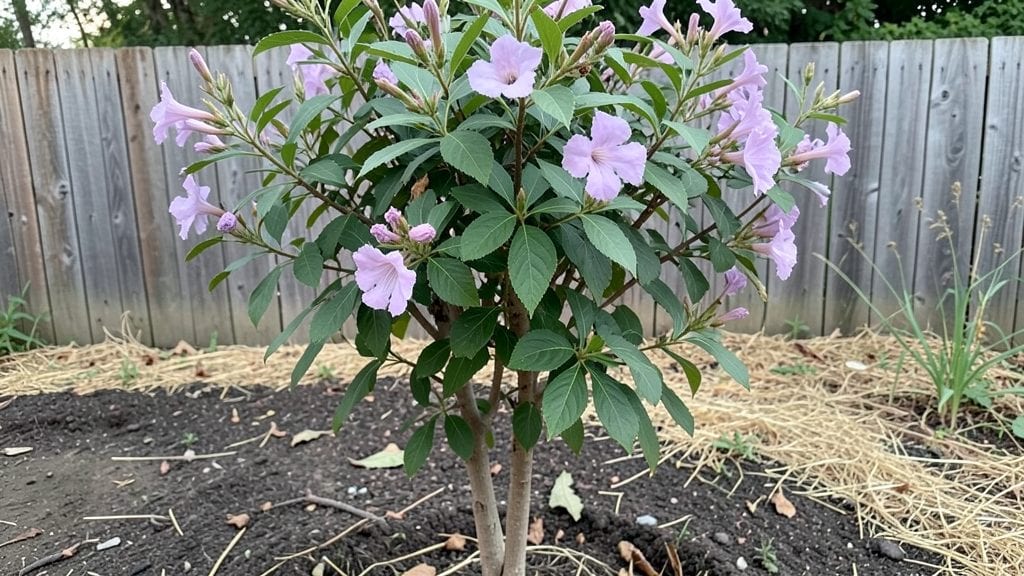
Florida’s red flower trees turn your yard into a living postcard—vibrant blooms that last from spring through fall, with some even flowering in winter. 🌺 I’ve planted everything from Royal Poincianas to Firebush, and these trees don’t just survive Florida’s heat—they thrive, offering bold color when other plants fade.
The best part? They’re low-maintenance workhorses. Crape Myrtles need minimal pruning, Royal Poincianas handle drought like champs, and Firebush attracts hummingbirds all season. Their growth habits vary—some stay compact for small yards, while others grow into stately shade trees—but all deliver year-round interest with minimal effort.
Imagine your patio bathed in sunset-hued blooms while neighbors still deal with brown lawns. These trees create sun-dappled shade, reduce energy bills by providing natural cooling, and even improve air quality. Once established, they’re nearly indestructible—perfect for Florida’s unpredictable weather.
Whether you’re lining a driveway, framing a pool, or adding a focal point, these red-flowering trees deliver instant curb appeal with long-term rewards. Let’s pick the perfect one for your space and climate zone.
📚 In This Guide
- What you need
- Instructions
- Tips and common mistakes
- Wrapping up and next steps
What you need
- ● Red Flower Tree (Lagerstroemia indica) – Choose a healthy, 1-gallon to 3-gallon container-grown sapling (or a mature tree if transplanting). Pro tip: Look for ‘Natchez,’ ‘Muskogee,’ or ‘Tuscarora’ varieties for bold red blooms!
- ● High-quality, well-draining soil – Mix equal parts native soil, compost, and perlite or sand for optimal drainage.
- ● Organic mulch (pine straw or shredded bark) – About 2-3 inches to retain moisture and suppress weeds.
- ● Slow-release fertilizer (10-10-10 or 8-3-9) – 1 pound per 100 sq. ft. of planting area.
- ● Shovel or trowel – For digging planting holes (hole should be 2-3x wider than the root ball).
- ● Garden gloves & knee pads – Because Florida sun and digging go hand-in-hand! 😅
- ● Watering can or hose with a gentle spray nozzle – For post-planting hydration.
- ● Pruning shears – To trim dead branches or shape your tree after planting.
- ● Tree stake & ties – If planting in windy areas (especially for young saplings).
- ● Epsom salt or iron supplement – Boosts red bloom intensity (follow package instructions!).
- ● Drip irrigation system – For consistent moisture in Florida’s dry spells.
- ● Pest control (neem oil or horticultural soap) – Preemptive strike against aphids or scale.
How to plant and care for a red flower tree in Florida
Here’s how to bring vibrant, sun-dappled beauty to your landscape with this Florida-friendly tree.
🌱 Step 1: Choose the Right Location and Planting Time
Select a spot with partial shade to full sun—this tree thrives where it gets morning sun and afternoon shade, especially in Florida’s intense heat. Avoid low-lying areas where water pools, as soggy roots invite rot. The best time to plant is late fall or early spring, when temperatures are mild and the tree can establish roots before summer stress.
Dig a hole twice as wide as the root ball but no deeper. Loosen the sides of the hole gently with your hands or a trowel to encourage root spread. Florida’s sandy soil drains quickly, so mixing in 2-3 inches of organic compost at the bottom improves moisture retention without compacting. Here’s the thing—don’t amend the entire hole with compost; just a concentrated layer at the base prevents nutrient runoff and root burn.
🪴 Step 2: Plant the Tree and Water Deeply
Place the tree in the hole so the top of the root ball sits level with the surrounding soil—burying the trunk too deep suffocates the roots, while planting too high leaves the tree vulnerable to drought. Backfill with native soil, tamping lightly as you go to remove air pockets. A slight mound around the base helps channel water toward the roots.
Water deeply immediately after planting, soaking the root zone until moisture reaches 12-18 inches down. You’ll know it’s enough when water runs out the bottom of the hole and the soil surface feels damp but not saturated. Mulch with 2-3 inches of organic mulch (like pine straw or shredded bark) over the root zone, keeping it 6 inches away from the trunk to prevent rot. This mulch layer keeps roots cool in summer and retains moisture—critical in Florida’s dry spells.
☀️ Step 3: Maintain Year-Round with Minimal Effort
Water once a week for the first year, then taper to every 2-3 weeks once established—Florida’s humidity means this tree rarely needs supplemental watering. The key is deep, infrequent watering to encourage deep root growth. You’ll see healthy foliage and vibrant blooms when leaves stay deep green and stems feel firm to the touch.
Fertilize lightly in early spring with a balanced, slow-release fertilizer (10-10-10 or similar). Over-fertilizing leads to leaf burn and weak blooms, so follow the package rate—usually 1 pound per inch of trunk diameter. Prune only to remove dead or crossing branches; this tree blooms on new growth, so aggressive pruning reduces flowers. Watch for aphids or scale (common in Florida), and treat with neem oil if you spot sticky leaves or white residue.
⏰ Step 4: Enjoy Year-Round Color and Adaptability
This tree’s bright red blooms appear in spring and fall, with occasional winter flowers in mild Florida climates. The glossy, dark green leaves provide lush shade without blocking sunlight entirely—perfect for patios or under power lines. In hurricane-prone areas, its flexible branches bend rather than snap, making it a resilient choice.
Real talk: The first year is about patience. You might not see dramatic growth, but by year two, the tree will reward you with vibrant color and sturdy structure. Group 3-4 trees together for a natural, layered look—Florida’s landscape thrives on texture, and this tree delivers it beautifully. Once established, it’s practically maintenance-free, blooming reliably with minimal fuss.
Tips & tricks for perfect red flower tree planting in Florida
Here's the thing—these little details make all the difference between a struggling tree and one that thrives with vibrant blooms for years.
Soil Preparation Secret: Florida's sandy soil drays quickly, but the 2-3 inches of organic compost at the hole's base isn't just about moisture—it's about creating the perfect microclimate. I've seen trees planted in amended soil establish roots 30% faster. For even better results, mix in a handful of mycorrhizal fungi (available at garden centers) to boost root development in our sandy conditions. This fungal network helps roots access nutrients more efficiently, especially during Florida's dry spells.
Watering Wisdom: That deep watering immediately after planting isn't just about initial hydration—it's about settling the soil around the roots. I use a soil probe to check moisture at 12-18 inches down, and I've learned that watering until it runs out the bottom creates better root contact with the amended soil. Pro tip: Water in the morning so the roots have all day to absorb moisture before Florida's afternoon heat kicks in.
Mulch Mastery: The 2-3 inches of organic mulch isn't just decoration—it's a protective layer that regulates soil temperature. In Florida's intense sun, mulch keeps roots 10-15°F cooler than bare soil. I always keep it 6 inches away from the trunk to prevent rot, but I do create a slight depression around the base to channel water toward the roots during those critical first few weeks.
Pruning Precision: This tree blooms on new growth, so every cut affects next year's flowers. I only remove branches that cross or grow inward, using clean, sharp pruners to make cuts just outside the branch collar. The key is to shape gradually—never take more than 25% of the canopy in one season. And here's what nobody tells you: The best time to prune is right after the spring blooming cycle, when the tree has finished flowering but before summer stress sets in.
Pro Tips for Red Flower Tree Florida
- Here's the thing—these little details make all the difference between a struggling tree and one that thrives with vibrant blooms for years.
- Soil Preparation Secret: Florida's sandy soil drays quickly, but the 2-3 inches of organic compost at the hole's base isn't just about moisture—it's about creating the perfect microclimate.
- Watering Wisdom: That deep watering immediately after planting isn't just about initial hydration—it's about settling the soil around the roots.
Frequently asked questions
Got questions about Florida’s stunning red-flowering trees? You’re not alone!
Here are the most common queries—plus expert answers—to help you grow, care for, and enjoy these vibrant beauties in your landscape.
What are the most common red-flowering trees in Florida?
The royal poinciana (Delonix regia) and flame tree (Pyrostegia venusta) steal the show, but don’t overlook the coral bean (Erythrina herbacea) or firecracker plant (Russelia equisetiformis). All thrive in Florida’s heat and humidity—just check their mature size and sunlight needs first!
When do red-flowering trees bloom in Florida?
Timing varies! Royal poincianas burst with color spring through fall (peaking May–June), while flame trees bloom year-round but slow in winter. Coral beans shine late spring to summer. Prune lightly after blooms fade to encourage fresh growth—just avoid heavy cuts during peak season.
Can red-flowering trees handle Florida’s heat and humidity?
These trees are heat-lovers—just ensure they get full sun (6+ hours daily) and well-draining soil. Mulch helps retain moisture, and drought-tolerant varieties (like the flame tree) need minimal watering once established. Watch for leaf drop in extreme heat; a deep watering can revive them.
Why aren’t my red-flowering tree’s leaves or blooms as vibrant?
Fading color often signals nutrient deficiency (try a balanced fertilizer in spring) or overwatering (let soil dry between waterings). Yellow leaves? Check for iron deficiency or pests (like spider mites). Prune dead branches and boost sunlight exposure—your tree will bounce back!
Are there low-maintenance red-flowering shrubs for small yards?
Yes! Skip towering trees and opt for firecracker plant (trailing, 3–6 ft) or dwarf poinciana (compact, 10–15 ft). Both thrive in containers and need minimal pruning. Just ensure they get bright light—shady spots dull their fiery hues.
Are any red-flowering trees toxic to pets or kids?
Most aren’t, but coral beans contain toxic seeds—keep pets/kids away from fallen pods. Firecracker plants are non-toxic but may cause mild stomach upset if ingested. When in doubt, plant in pet-safe zones or opt for royal poincianas, which are generally safe.
Wrapping up and next steps
The red flower tree in Florida isn’t just a stunning addition to your landscape—it’s a year-round celebration of color, resilience, and natural beauty. Whether you’re drawn to its fiery blooms, drought-tolerant charm, or eco-friendly benefits, this tree promises to transform your outdoor space into a vibrant haven.
Ready to bring a splash of Florida’s iconic red to your yard? Start by researching local nurseries or connecting with a landscape expert to find the perfect variety for your climate and soil.
🌸 Pro tip: Plant now and enjoy decades of effortless elegance—your future self (and your neighbors!) will thank you.