
Shrubs
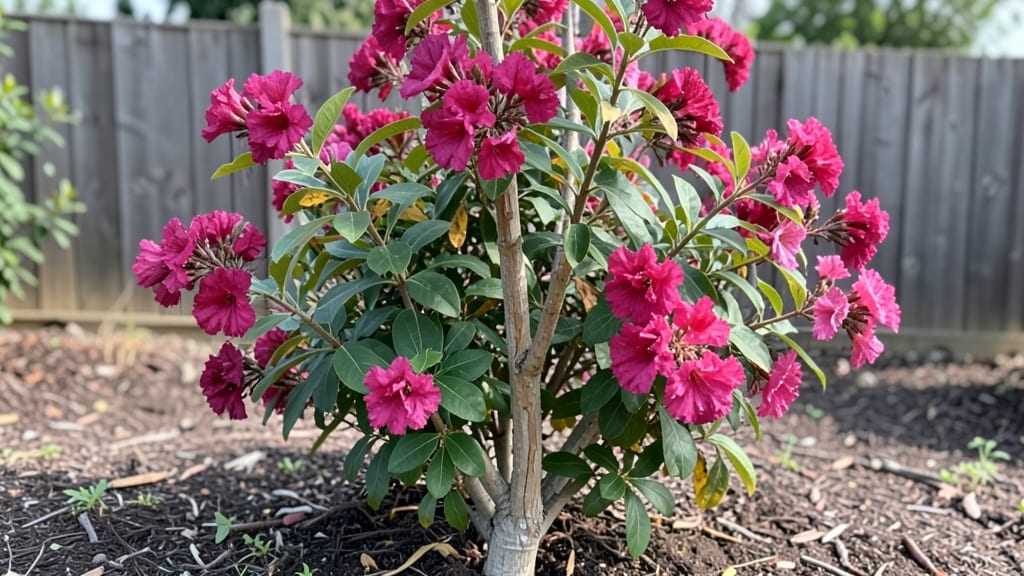
That first flush of red flowering crape myrtle blooms in late summer is what keeps me coming back every year—especially when winter’s chill threatens to strip the bark.
These tough shrubs handle Pacific Northwest winters better than most, but pruning them right makes all the difference between a scraggly mess and a showstopper.
I’ve killed my share of crape myrtles by pruning too late or too hard, but I’ve also learned the exact timing and cuts that keep them thriving through frost and beyond.
The secret isn’t complicated: prune in late winter or early spring before new growth starts, and never cut into old wood—those are the branches that hold next year’s buds. You’ll need sharp pruners, a ladder (for taller varieties), and about 30 minutes to shape a mature shrub.
The goal is to open up the center for airflow and sunlight while keeping the natural vase shape that makes these shrubs so stunning. Even in rainy PNW climates, they bounce back with bold red blooms that last for weeks.
What you’ll end up with is a crape myrtle that looks like it belongs in a botanical garden, not just your backyard. The blooms arrive reliably year after year, and the drought tolerance means less fuss once established.
Plus, deer and rabbits tend to leave them alone—unlike many other shrubs. The key is patience: these plants reward careful pruning with longer bloom seasons and thicker foliage over time.
Works just as well in city gardens as rural landscapes, and adapts to everything from full sun to partial shade. Here’s how to get it right the first time—and keep it looking its best through PNW winters.
📚 In This Guide
- What you need
- Instructions
- Tips and common mistakes
- Wrapping up and next steps
What you need
- ● Pruning shears: Bypass pruners (sharp, 6–8" blades) for clean cuts on small branches.
- ● Loppers: 1 pair (18–24" handles) for thicker branches (½–1½" diameter).
- ● Pruning saw: 1 (8–10" curved blade) for stubborn, woody stems.
- ● Gloves: Heavy-duty, cut-resistant (e.g., Fellex or Cobratex).
- ● Disinfectant: 70% isopropyl alcohol or 10% bleach solution (1 part bleach to 9 parts water) to sterilize tools between cuts.
- ○ Pruning sealant (optional): Tree wound dressing (e.g., Tanglefoot Tree Wound Pruning Seal) for large cuts (1–2" diameter).
- ● Ladder or step stool: Sturdy, 6–8 ft tall, for reaching higher branches.
- ● Trash bags: 2–3 heavy-duty (13-gallon) for debris cleanup.
- ○ Marking twine or flags (optional): For tagging branches to remove later.
- ● Timing: Prune in late winter to early spring (February–March in PNW) before new growth starts.
- ● Weather: Choose a dry, calm day (no rain forecasted for 24–48 hours).
- ● Health check: Inspect the crape myrtle for diseases (powdery mildew) or pests (aphids) before pruning.
- ○ Safety gear (optional but recommended): Safety glasses (for debris protection).
- ● Long sleeves/pants (to avoid scratches from branches).
Instructions for pruning red flowering crape myrtle in the Pacific Northwest
Here's how to keep your crape myrtle vibrant and resilient through our region's chilly winters.
Time Your Pruning for Late Winter or Early Spring
Wait until after the last frost date in your area—typically late February to early March in the Pacific Northwest. Pruning too early exposes fresh growth to frost damage, while waiting too long risks cutting off next year's flower buds. I like to prune when the forsythia bushes in my neighborhood start blooming—that's my signal the timing is right.
Check the weather forecast for a week of dry, mild conditions. You want to avoid pruning before a cold snap or heavy rain. If you miss the window, don't worry—you can still prune in early spring as soon as new growth begins, though you'll sacrifice some of the current season's blooms.
Gather the Right Tools and Safety Gear
Start with clean, sharp pruning shears for small branches and loppers for thicker stems. A bypass pruner gives the cleanest cuts without crushing the wood. I also keep a small pruning saw on hand for any branches thicker than 1 inch in diameter—these are too thick for loppers and require a saw for clean removal.
Wear gloves to protect your hands from thorns and sap. A pair of safety glasses is also wise—crape myrtle branches can snap back unexpectedly. Lay down a tarp or old sheet beneath the tree to catch falling debris and make cleanup easier. This is especially important if you're doing heavy pruning, as the branches can be quite large.
Remove Dead, Diseased, or Weak Wood First
Start by inspecting the tree for any branches that are dead, diseased, or crossing others. Dead wood is easy to spot—it's brown, brittle, and doesn't bend. Diseased branches may have dark spots, oozing sap, or unusual growths. Cut these out first, making your cuts at the branch collar where the branch meets the trunk. This ensures the tree can seal the wound properly and prevents disease from spreading.
Next, look for branches that are rubbing against each other or growing inward. These compete for space and can create weak points in the tree. Remove about one-third of the weakest branches first, focusing on those that are thin, crossing, or growing straight up rather than outward. This opens up the center of the tree, allowing better airflow and light penetration.
Shape the Tree for Balance and Airflow
Step back and assess the overall shape of the tree. Crape myrtles naturally grow with a rounded canopy, but they can become leggy or top-heavy if not pruned properly. Aim to maintain a balanced, vase-like shape by cutting back branches that are growing too close together or too far outward. Never remove more than one-third of the tree's total branches in a single pruning session—this can stress the plant and reduce flowering.
Focus on the upper branches first, thinning out any that are growing straight up or inward. Cut just above a leaf bud or outward-facing branch to encourage new growth in the right direction. Avoid cutting back to a stub—this can leave the tree vulnerable to disease. If you're unsure where to make a cut, look for a small bump or swelling on the branch where it meets the trunk or another branch—that's the branch collar, and it's the safest place to cut.
Clean Up and Monitor for Recovery
After pruning, rake up all the debris and dispose of it properly. Don't leave branches or clippings on the ground, as they can harbor pests or diseases. Once the area is clean, give the tree a deep watering to help it recover from the stress of pruning. This is especially important if you've removed a significant portion of the canopy, as the tree will need extra moisture to support new growth.
Monitor the tree over the next few weeks for any signs of stress, such as wilting leaves or unusual discoloration. If you notice any issues, adjust your watering or provide shade temporarily. With proper care, your crape myrtle should bounce back quickly and produce even more vibrant blooms next season. The key is patience—pruning is about long-term health, not instant perfection.
Tips & tricks for perfect red flowering crape myrtle pruning
Timing and technique make all the difference when pruning crape myrtles in our region—here's what I've learned after years of trial and error.
Timing is Everything: The late February to early March window is critical for our Pacific Northwest climate. If you prune too early, new growth can get damaged by late frosts, while waiting too late risks cutting off next year's flower buds. I've found that waiting until forsythia blooms in my neighborhood is a foolproof natural indicator—it means the frost danger has passed. If you miss this window, don't panic: you can still prune in early spring when you see new growth starting, though you'll lose some current season blooms.
Tool Selection Matters: Using the right tools makes all the difference in clean cuts that heal properly. I always keep a bypass pruner on hand for small branches—it makes cleaner cuts than anvil pruners that crush the wood. For branches thicker than 1 inch, a pruning saw is essential. I've seen many people struggle with loppers on thick branches, which can tear the bark and leave ugly wounds. And here's a pro tip: always keep your tools clean and sharp—dull blades tear instead of cut, causing more damage to the tree.
Visual Cues for Pruning: When shaping your tree in Step 4, look for the branch collar—the small bump where a branch meets the trunk. This is where you should make your cuts. I've made the mistake of cutting too close to the trunk, which can leave the tree vulnerable to disease. Another helpful visual cue: when thinning branches, aim to cut just above a leaf bud or outward-facing branch. This encourages new growth in the right direction and maintains that beautiful vase shape crape myrtles are known for.
Recovery Care is Key: After pruning, don't just walk away—give your tree some TLC. I always do a deep watering after cleanup, especially if I've removed a significant portion of the canopy. This helps the tree recover from the stress of pruning. I've also noticed that providing temporary shade for a few weeks after heavy pruning helps prevent stress. Watch for signs like wilting leaves or unusual discoloration, and adjust your care accordingly. Remember, pruning is about long-term health, not instant perfection.
Pro Tips for Red Flowering Crape Myrtle
- Timing and technique make all the difference when pruning crape myrtles in our region—here's what I've learned after years of trial and error.
- Timing is Everything: The late February to early March window is critical for our Pacific Northwest climate.
- Tool Selection Matters: Using the right tools makes all the difference in clean cuts that heal properly.
Frequently asked questions
Got questions about your red flowering crape myrtle? You’re not alone!
Here are the most common queries—plus expert answers—to help you keep your PNW-friendly shrub thriving, even through frost.
How cold can red flowering crape myrtles handle?
Most varieties tolerate USDA Zones 7-9, meaning they can handle dips to 0°F (-18°C) with proper care. In the Pacific Northwest, where winters are wet but not extreme, they often survive down to 10°F (-12°C). For extra protection, mulch heavily around the base and water deeply before winter to prevent root damage.
When should I prune my red crape myrtle in the PNW?
Prune late winter to early spring (February–March) before new growth starts. Avoid pruning in fall—it stimulates tender growth that can’t survive frost. For frost-resistant varieties, wait until after the last hard freeze (usually late March in the PNW) to minimize stress. Pro tip: Never prune into old wood—focus on shaping and removing dead branches!
What do I do if my crape myrtle’s leaves turn brown after frost?
Brown leaves after frost are usually not fatal—they’re a sign of winter dormancy. If the branches are still flexible (not brittle), the plant is likely fine. Wait until spring to prune dead growth. If all branches are brown and crunchy, the plant may have suffered severe damage, but new growth often emerges once temperatures warm.
Are there frost-resistant alternatives to red flowering crape myrtles?
Yes! If you need even more cold tolerance (Zone 6 or lower), consider:
- ‘Natchez’ crape myrtle (white flowers, Zone 6)
- ‘Muskogee’ crape myrtle (purple-red, Zone 6)
- Smokebush (Cotinus) ‘Royal Purple’ (silver foliage, Zone 4)
- Weigela (Zone 4-8, early spring blooms)
Why aren’t my red crape myrtle flowers as vibrant as they should be?
Dull or sparse blooms often mean over-pruning, poor nutrition, or shade. Ensure your plant gets 6+ hours of sun and prune lightly to encourage air flow. Feed with a balanced fertilizer (10-10-10) in early spring and avoid heavy nitrogen—it promotes foliage over flowers. Pro tip: Deadhead spent blooms to encourage repeat flowering!
Wrapping up and next steps
Transforming your red flowering crape myrtle into a stunning, frost-resistant beauty is totally within reach—especially in the Pacific Northwest’s unique climate! 🌸 With the right pruning techniques, you’ll not only enhance its shape and health but also encourage vibrant blooms year after year.
Now that you’re armed with the materials, timing, and FAQs, it’s time to roll up your sleeves and give your crape myrtle the TLC it deserves.
Next step: Grab your pruners, mark your calendar for late winter/early spring, and start pruning with confidence. Your garden will thank you with a showstopping display of red blooms come summer! 🌿✨