Flowers
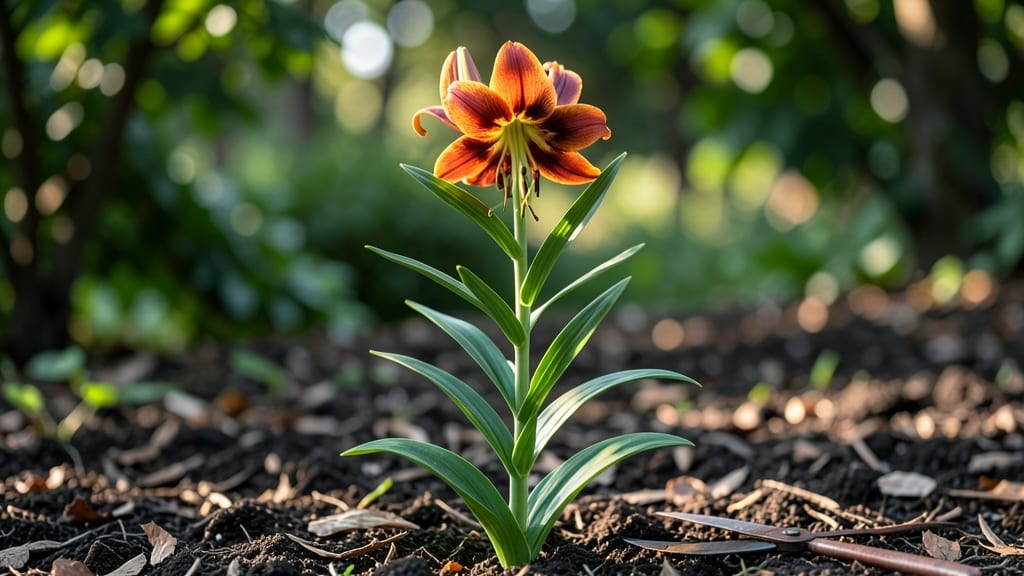
The red lily flower you’ll adore in your Pacific Northwest garden delivers a showstopping burst of color—even through our damp, cool summers. 🌸 I’ve grown ‘Red Lion’ and ‘Stargazer’ for years, and these bold blooms refuse to bow to frost. or soggy soil once you get their care right.
The secret lies in mimicking their native mountain habitats: well-draining soil, shelter from relentless rain, and just enough sun to fuel their towering stems.
You’ll need a spot with 6+ hours of morning sun and afternoon shade (to prevent scorching), plus soil that drains like a sponge—amend heavy clay with compost and perlite.
Plant bulbs 6 inches deep in early fall, spacing them 12 inches apart, and mulch heavily to protect roots from winter’s chill. These aren’t fussy about soil pH but demand rich, organic matter to fuel their 3- to 5-foot stems.
By late June, you’ll be rewarded with trumpet-shaped blooms that last weeks, their velvety petals dripping with nectar for hummingbirds. The foliage stays lush even in July’s drizzle, and with proper staking, they hold their weight against wind.
Just watch for lily beetles—those orange invaders—and handpick them before they skeletonize your leaves.
Works in containers too—just use a 12-inch pot with drainage holes and a trellis. Pair them with ferns, hostas, or salvia to contrast their height without competing for light. Once established, they multiply underground, giving you free plants for years. Now, let’s get those bulbs in the ground!
📚 In This Guide
- What you need
- Instructions
- Tips and common mistakes
- Wrapping up and next steps
What you need
- ● Red lily bulbs: Choose hardy varieties like Lilium lancifolium (Tiger Lily) or Lilium bulbiferum (Orange Lily). Buy 2–5 bulbs per plant for fuller blooms.
- ● Well-draining potting mix or garden soil: A blend of 60% compost, 30% perlite/sand, and 10% peat moss works best. For containers, use a 10–12 inch pot with drainage holes.
- ● Organic fertilizer: A balanced 10-10-10 or bulb-specific fertilizer (e.g., 5-10-10) to kickstart growth.
- ● Mulch: 3–4 inches of straw or shredded bark to protect roots from frost and retain moisture.
- ● Garden trowel or bulb planter for digging.
- ○ Gloves (optional but recommended—lily bulbs can be prickly!).
- ● Watering can or hose with a gentle spray nozzle.
- ● Sunlight access: 6+ hours of full sun daily (partial shade in hot afternoons helps in summer).
- ● Frost protection: Burlap or frost cloth for early/late seasons (PNW’s chilly nights are no match for these beauties!).
- ● Epsom salt (1 tbsp/month) for magnesium boosts.
- ● Stakes or cages to support tall stems (especially for Lilium martagon).
- ● Companion plants: Marigolds or lavender to deter pests.
- ● Slow-release fertilizer tablets for low-maintenance feeding.
Step-by-Step instructions for growing Pacific Northwest red lilies
Here’s how to cultivate hardy red lilies that thrive in cool climates and deliver dramatic blooms year after year.
🌱 Step 1: Select and Prepare the Planting Site
Choose a location with partial shade to full sun—red lilies tolerate the Pacific Northwest’s cooler summers better than their tropical cousins. The soil should drain well, as soggy roots invite rot. Amend heavy clay with 2-3 inches of compost to improve aeration and fertility. I test the soil pH first; red lilies prefer slightly acidic conditions around 6.0-6.5.
Dig a hole twice as wide as the bulb’s diameter but only 6 inches deep. Place the bulb with the pointed end facing up—this ensures the stem grows straight toward the light. Space bulbs 8-12 inches apart to allow airflow and prevent fungal spread. Real talk: if your soil drains poorly, add a handful of perlite to the hole before planting.
💧 Step 2: Plant Bulbs at the Right Depth and Water Thoroughly
Cover the bulb with soil, leaving the top third exposed if planting in fall—this prevents rot during winter rains. Water immediately after planting to settle the soil and eliminate air pockets. You’ll see the first shoots emerge in 4-6 weeks if planted in early fall or 6-8 weeks if planted in spring.
Don’t overwater now. The goal is moist but not soggy soil—think of a damp sponge, not a dripping one. I use a soaker hose to deliver water slowly at the base, avoiding the foliage. This method reduces disease risk and keeps the bulb healthy underground.
☀️ Step 3: Provide Consistent Care Through the Growing Season
Once shoots reach 4-6 inches tall, apply a balanced fertilizer (10-10-10) at half strength. Feed again when buds form in late spring. Red lilies need moderate watering—about 1 inch per week—but cut back in late summer to encourage bulb maturation for next year’s blooms.
Watch for yellowing leaves in early summer—that’s normal as the plant redirects energy to the bulb. Mulch with 2-3 inches of shredded bark to retain moisture and protect roots from temperature swings. In the PNW’s wet winters, add a 4-inch layer of mulch to insulate bulbs and prevent heaving.
✂️ Step 4: Deadhead and Prepare for Winter
After blooms fade, cut the flower stalks at the base but leave the foliage intact. The leaves photosynthesize until they yellow naturally—this feeds the bulb for next season’s growth. I remove dead foliage in late fall, but only after it’s completely brown and crispy.
In zones 7-9, red lilies handle frost well, but a thick mulch layer helps. If your winters dip below 20°F, add extra protection with burlap or straw. The bulbs are tough, but consistent moisture through winter keeps them vigorous for years.
Tips & tricks for growing Pacific Northwest red lilies
Here’s what I’ve learned after years of growing these stunning red blooms in our chilly climate—tricks that’ll help you avoid common pitfalls and get the most dramatic flowers.
Soil Preparation Secret: Don’t just amend the planting hole—test your entire garden bed’s pH first. Red lilies thrive in that 6.0-6.5 range, and if your soil is too alkaline, even the best compost won’t help. I use a simple soil test kit from the garden center—it’s cheap insurance against poor growth. For heavy clay soils, mix in 2-3 inches of compost AND add perlite to improve drainage. The difference in bloom size is night and day!
Planting Depth and Orientation: That 6-inch deep planting rule is critical, but here’s the part nobody tells you: the pointed end of the bulb should face UP, not sideways. I’ve seen gardeners plant them horizontally, and while they’ll grow, the stems often lean awkwardly. Also, if planting in fall, leave the top third exposed to prevent winter rot—this is especially important in our wet PNW winters.
Watering Wisdom: The "damp sponge" analogy in Step 2 is perfect, but here’s how to put it into practice: water when the top inch of soil feels dry to the touch, not when it’s bone-dry. I use a soaker hose at the base to avoid wetting the foliage, which helps prevent fungal diseases like botrytis that can ruin blooms. And remember—once buds form, reduce watering in late summer to let the bulb store energy for next year’s flowers.
Winter Protection Strategy: While red lilies handle 20°F temps just fine, our PNW winters can get colder and wetter. For extra insurance, add a 4-inch layer of straw mulch after the first hard frost. This creates an insulating blanket that protects roots from temperature swings. I’ve seen bulbs survive -5°F with this protection—something I learned the hard way after losing a few early batches!
Pro Tips for Red Lily Flower
- Here’s what I’ve learned after years of growing these stunning red blooms in our chilly climate—tricks that’ll help you avoid common pitfalls and get the most dramatic flowers.
- Soil Preparation Secret: Don’t just amend the planting hole—test your entire garden bed’s pH first.
- Planting Depth and Orientation: That 6-inch deep planting rule is critical, but here’s the part nobody tells you: the pointed end of the bulb should face UP, not sideways.
Frequently asked questions
Got questions about growing red lily flowers in the Pacific Northwest? You’re not alone! Here are some of the most common concerns—plus quick answers to help you cultivate stunning, frost-resistant blooms.
When is the best time to plant red lilies in my region?
For the Pacific Northwest’s USDA Zones 7-9, plant red lilies in early spring (March-April) or early fall (September-October). This timing lets bulbs establish roots before summer heat or winter frost. Avoid planting in late summer—bulbs need time to root before dormancy.
Can red lilies survive PNW winters, or do I need to protect them?
Most red lilies (like Lilium bulbiferum or Lilium regale) are hardy to Zone 5, but young bulbs or late-season blooms may need mulch (straw or leaves) for extra insulation. In Zone 7, they usually thrive without extra care—just trim dead foliage in late fall to prevent disease.
Why aren’t my red lilies blooming—what am I doing wrong?
Common culprits: overcrowded bulbs (dig and divide every 3-4 years), poor sunlight (they need 6+ hours of sun), or nutrient deficiency. Feed with a balanced bulb fertilizer in early spring and ensure well-draining soil. Pro tip: If blooms flop, stake them early!
Are there any PNW-friendly alternatives to red lilies?
Yes! Try these frost-tolerant, bold bloomers:
- Tiger Lilies (Lilium lancifolium) – Disease-resistant and deer-proof.
- Daylilies (Hemerocallis) – Perennial, drought-tolerant, and come in deep reds.
- Bee Balm (Monarda) – Thrives in partial shade and attracts pollinators.
How do I keep pests (like aphids or deer) away from my red lilies?
Use these organic defenses:
- Neem oil spray for aphids/beetles (apply at dusk).
- Deer repellent sprays (like Liquid Fence) or plant deer-resistant companions like alliums nearby.
- Row covers for young shoots if deer are a problem.
Wrapping up and next steps
The red lily flower isn’t just a stunning addition to your Pacific Northwest garden—it’s a resilient, frost-defying powerhouse that brings drama and elegance to any space. 🌸 Whether you’re drawn to its bold symbolism, striking beauty, or hardy nature, these blooms prove that even the boldest dreams can grow in cooler climates.
Ready to transform your garden?
Start by planting one this season—your future self (and pollinators!) will thank you. Need more inspiration? Explore companion plants or creative ways to showcase these fiery blooms in your outdoor decor. Your garden’s next masterpiece is just a bulb away!