Flowers
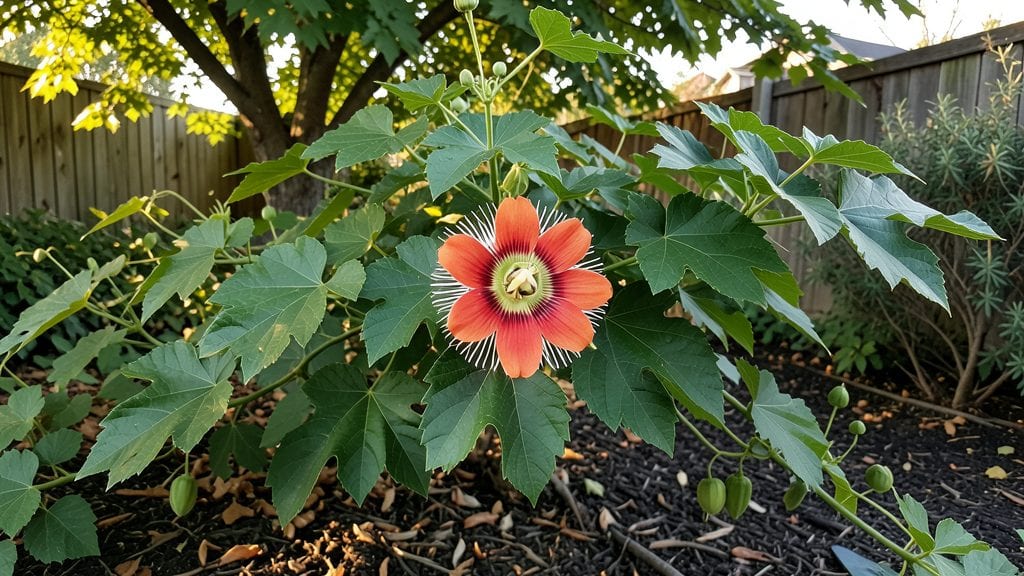
Growing red passion flower (Passiflora) in containers is like inviting a tropical hummingbird party to your patio—just with fewer neighbors complaining. 🌺 These dramatic vines pack vibrant red blooms that rival any tropical garden, and they thrive in pots, making them perfect for small spaces or urban balconies.
Here's the thing—red passion flowers love heat and humidity, but they're tougher than they look. Start with a well-draining potting mix and a container at least 12 inches wide (bigger is better for vigorous growth).
They need full sun (6+ hours daily) and regular watering, but they'll forgive occasional neglect better than overwatering. The key is keeping their roots warm and their leaves dust-free.
By midsummer, you'll have showstopping blooms that attract hummingbirds like a neon sign. The flowers aren't just pretty—they're edible too, with a tangy, citrusy flavor that works in teas or desserts.
Plus, the vines grow fast, so you'll need to prune them back in early spring to keep them manageable and encourage more flowers.
They're not fussy about soil as long as it drains well, and you can overwinter them indoors if you're in a cold climate. Just keep them near a sunny window and reduce watering slightly.
With a little patience, your container will become a hummingbird hotspot that turns heads all season long.
📚 In This Guide
- What you need
- Instructions
- Tips and common mistakes
- Wrapping up and next steps
What you need
- ● Red passion flower plant: 1 healthy nursery-grown Passiflora coccinea (choose a container-friendly variety if space is limited).
- ○ Optional: Seeds (requires patience—germination can take 30+ days).
- ● Container: 1 5-gallon (or larger) pot with drainage holes (terracotta or fabric grow bags work best).
- ○ Optional: Trellis or sturdy stakes (6–8 ft tall) for climbing support.
- ● High-quality potting mix: 1 bag well-draining cactus/succulent mix (or amend regular potting soil with perlite/vermiculite for aeration).
- ● Fertilizer: Balanced 10-10-10 or 20-20-20 liquid fertilizer (diluted to half-strength).
- ○ Optional: Slow-release granular fertilizer (follow package instructions).
- ● Basic gardening tools: 1 pair of clean pruning shears (sterilized with rubbing alcohol).
- ● 1 trowel or small shovel for repotting.
- ● 1 spray bottle (for misting seedlings or humidifying).
- ● Sun & location: Full sun exposure (6+ hours of direct sunlight daily).
- ○ Optional: Grow lights for indoor setups (12–14 hours/day).
- ● Watering supplies: Watering can with a rose nozzle (for gentle watering).
- ○ Optional: Moisture meter (to avoid over/under-watering).
- ○ Humidity helper: Optional: Peat moss or a humidity tray (for tender new growth).
Step-by-step instructions for growing red passion flower in containers
Here’s how to cultivate this stunning vine—hummingbirds will thank you.
🪴 Step 1: Choose the Right Container and Soil Mix
Red passion flower (Passiflora coccinea) thrives in 10-12 inch deep containers with multiple drainage holes—these vines despise soggy roots. I use unglazed terra cotta pots because they wick moisture away naturally, but plastic works too if you monitor drainage closely. Fill the bottom third with orchid bark or perlite to prevent compaction and improve aeration.
Next, mix 2 parts premium potting soil with 1 part coconut coir and 1 part perlite for that perfect airy, well-draining blend. Avoid garden soil—it compacts in containers and suffocates roots. Pre-moisten the mix until it feels like a damp sponge, then press it gently into the pot, leaving 1 inch of space at the top for watering.
🌱 Step 2: Plant Your Cuttings or Bare-Root Starts
If using bare-root plants, soak the roots in lukewarm water for 20-30 minutes to revive them before planting. Dig a hole in the soil mix twice as wide as the root ball but no deeper—passion flowers resent being buried too deeply. Gently tease out any circling roots to encourage outward growth, then place the plant in the hole and backfill with soil.
For cuttings, dip the base in rooting hormone (optional but helpful) and insert it into the soil mix at a 45-degree angle, burying half the stem length. Water lightly until the soil is evenly moist, but avoid oversaturating—root rot is the silent killer of passion flowers. Place your container in a shady spot for the first week to reduce stress.
☀️ Step 3: Position for Maximum Sun and Humidity
Red passion flower demands full sun (6-8 hours daily) for vibrant blooms, but it also needs high humidity—think 60-70% or higher. If your climate is dry, group pots together to create a microclimate or use a humidifier nearby. I’ve had success placing a pebble tray filled with water under the container, ensuring the pot sits above the waterline to avoid root rot.
Watch for leggy growth—a sign of insufficient light. If stems stretch toward the window, move the plant closer to the light source or supplement with a grow light during shorter winter days. Once established, fertilize every 4-6 weeks with a balanced liquid fertilizer (10-10-10) diluted to half strength. Over-fertilizing leads to lush foliage but fewer flowers.
💧 Step 4: Water and Prune for Continuous Blooms
Water when the top 1-2 inches of soil feel dry—passion flowers prefer consistent moisture but hate sitting in water. I water deeply in the morning, allowing excess to drain completely. During peak summer heat, you may need to water every 2-3 days, but always check the soil first. Yellowing leaves often signal overwatering, while crispy edges mean it’s thirsty.
Prune spent blooms by cutting the stem back to the nearest leaf node—this encourages more flowers. In late winter or early spring, prune back one-third of the vine to promote bushier growth. Use sterilized pruners to avoid disease, and always make cuts at a 45-degree angle just above a leaf node. Deadhead regularly to keep your plant looking tidy and productive.
⏰ Step 5: Overwintering for Next Year’s Growth
Red passion flower is semi-hardy—it can tolerate brief dips to 20°F but prefers protection from frost. Before the first frost, move your container to a bright, cool indoor space (50-60°F), like a sunroom or greenhouse. Reduce watering to once every 2-3 weeks, keeping the soil just barely moist. Avoid fertilizing during dormancy—this plant needs rest to rebloom vigorously in spring.
In early spring, resume regular watering and fertilizing as new growth appears. You’ll often see fresh shoots emerging from the base—this is your cue to gradually reintroduce sunlight over 1-2 weeks to prevent leaf scorch. With proper care, your passion flower will reward you with season-long blooms and a steady stream of hummingbird visitors.
Tips & tricks for perfect red passion flower growth
Here's what I've learned after years of growing these stunning vines—tricks that'll help you avoid common pitfalls and get the most vibrant blooms.
Soil Mix Mastery: The 2:1:1 ratio of premium potting soil to coconut coir to perlite is non-negotiable for these tropical plants. I've found that adding a handful of worm castings to the mix boosts nutrient availability without risking compaction. The key is achieving that perfect balance of aeration and moisture retention—too much perlite and your roots will dry out, too little and you'll suffocate them.
Root Revival Technique: That 20-30 minute soak for bare-root plants isn't just about hydration—it's a critical step to revive dormant roots. I use lukewarm water because cold water can shock the roots while hot water might damage them. After soaking, gently swirl the roots in a solution of 1 part water to 1 part diluted seaweed fertilizer for an extra nutrient boost before planting.
Light Positioning Strategy: The 6-8 hours of full sun requirement can be tricky in partial-sun locations. I've had success using reflective surfaces like white walls or aluminum foil wrapped around the pot to bounce extra light onto the plant. For indoor growers, position your plant within 12 inches of a south-facing window—this mimics the intense tropical sunlight these vines crave.
Pruning Precision: When you're pruning back one-third of the vine in late winter, focus on removing the oldest, woodiest stems first. This encourages new growth from the base while maintaining the plant's structural integrity. Always use clean, sharp pruners and make cuts just above a leaf node at a 45-degree angle—this prevents water from pooling on the cut and reduces disease risk.
Pro Tips for Red Passion Flower
- Here's what I've learned after years of growing these stunning vines—tricks that'll help you avoid common pitfalls and get the most vibrant blooms.
- Soil Mix Mastery: The 2:1:1 ratio of premium potting soil to coconut coir to perlite is non-negotiable for these tropical plants.
- Root Revival Technique: That 20-30 minute soak for bare-root plants isn't just about hydration—it's a critical step to revive dormant roots.
Frequently asked questions
Got questions about growing red passion flower (Passiflora coccinea)? You’re not alone—this stunning, hummingbird-loving vine has a few quirks! Here are answers to the most common queries to help you cultivate a thriving plant with confidence.
How fast does red passion flower grow?
Red passion flower is a fast grower! Under ideal conditions (full sun, rich soil, and consistent moisture), it can shoot up 3–5 feet per season. With proper pruning and support, expect lush vines and vibrant blooms within 2–3 months of planting.
When is the best time to plant red passion flower?
Plant in early spring after the last frost (USDA Zones 7–11) for the best start. If you’re in a warmer climate (Zone 10+), you can plant in fall or winter to avoid summer heat stress. Pro tip: Harden off container-grown plants gradually to prevent shock!
Can red passion flower grow in containers?
Absolutely!
This vine thrives in containers with at least 5-gallon pots and drainage holes. Use a well-draining potting mix (like 60% soil, 30% perlite, 10% compost) and provide a trellis or sturdy support. Rotate pots occasionally for even growth.
Why isn’t my red passion flower blooming?
No blooms? Check these fixes:
- Sunlight: Needs 6+ hours of direct sun daily.
- Fertilizer: Use a balanced, phosphorus-rich fertilizer (like 10-10-10) every 4–6 weeks in spring/summer.
- Pruning: Trim leggy growth to encourage bushier, flower-heavy vines.
- Age: Young plants may take 1–2 years to bloom.
Are red passion flowers toxic to birds or pets?
Great news! While passion flowers contain mildly toxic compounds (like cyanogenic glycosides), they’re generally safe for hummingbirds and bees—they love the nectar! However, avoid letting pets ingest large amounts; symptoms (drooling, vomiting) are rare but possible. Stick to bird-friendly viewing!
Wrapping up and next steps
Transforming your space into a vibrant hummingbird haven with red passion flower is not just possible—it’s an exciting adventure! 🌸 From selecting the right container to nurturing your plant with patience, every step brings you closer to a lush, blooming masterpiece.
Whether you’re a seasoned gardener or a curious beginner, this tropical beauty rewards your efforts with stunning flowers and buzzing visitors.
Ready to dive in? Start small—grab your supplies, follow the steps, and soon, you’ll be sipping tea while watching hummingbirds dance around your thriving red passion flower. Your garden’s next star is waiting! 🌿