
Flowers
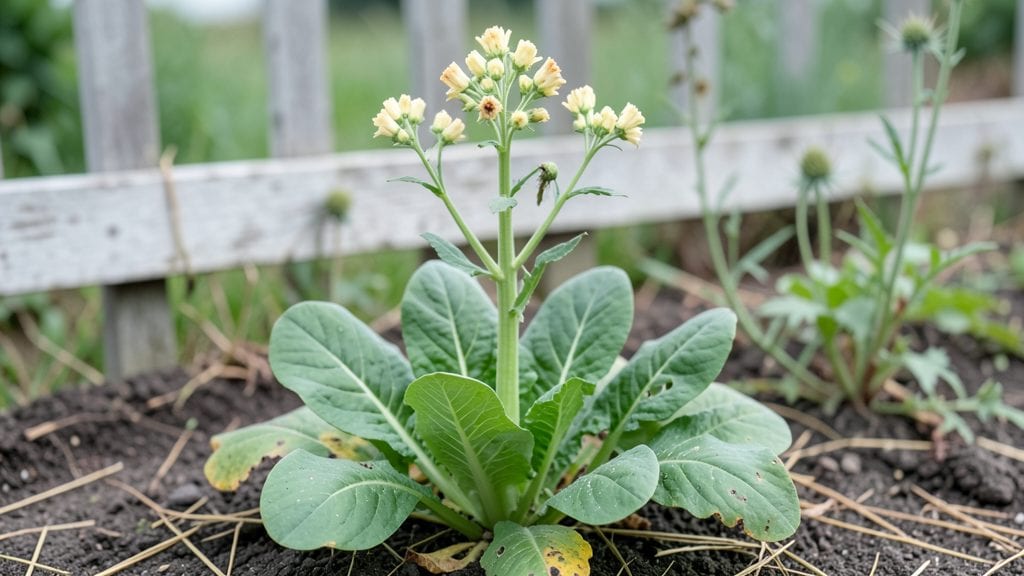
Romaine lettuce flowers transform your garden from leafy harvest to delicate edible blooms—if you know how to work with them. 🌿 The moment those familiar green leaves send up tall stems topped with tiny yellow flowers, you're witnessing bolting, a natural response to heat or stress.
What many gardeners don't realize is that these flowers aren't just ornamental—they're edible too, with a mild, slightly bitter flavor perfect for garnishes or salads.
The key to managing bolting lies in timing and variety selection. Heat-tolerant varieties like 'Black Seeded Simpson' or 'Jericho' stay productive longer in warm climates, while consistent watering and afternoon shade can delay flowering in hot weather.
Even when flowers appear, you can still harvest the lower leaves for weeks, extending your harvest window significantly. The flowers themselves are great for attracting pollinators while adding visual interest to your plates.
Those delicate yellow blossoms develop into seed heads that can be dried and saved for next season's garden. The flavor mellows as they age, making them versatile for both culinary and ornamental uses.
With the right approach, you'll turn what seems like a garden setback into a dual-purpose harvest—leaves for eating and flowers for both beauty and propagation.
Whether you're growing romaine in spring or fall, understanding this natural process lets you work with your plants rather than against them. The flowers may signal the end of leaf production, but they open up new possibilities for your garden's productivity and culinary creativity.
Let's explore how to make the most of this two-stage harvest system.
📚 In This Guide
- What you need
- Instructions
- Tips and common mistakes
- Wrapping up and next steps
What you need
- ● Romaine lettuce – 1 head (organic, pesticide-free preferred for best flavor and safety)
- ● Floral wire or thin copper wire – 1–2 feet (20–22 gauge for flexibility)
- ● Scissors or floral shears – 1 pair (sharp for clean cuts)
- ● Floral tape or clear tape – small roll (to secure stems)
- ● Water spray bottle – 1 (to keep lettuce fresh while working)
- ● Small vase or jar – 1 (for hydrating stems, ~4–6 inches tall)
- ● Fresh water – enough to submerge 2–3 inches of stems
- ● Edible flowers or herbs – thyme, borage, or nasturtiums (for garnishing)
- ● Food-safe glitter or edible gold leaf – tiny amounts (for a gourmet touch)
- ● Small wooden skewers – 2–3 (to create layered arrangements)
- ● Floral foam – small block (alternative to a vase for stability)
- ● Twine or ribbon – for wrapping (adds a rustic charm)
How to harvest and use romaine lettuce flowers in the kitchen
Turn your garden's delicate blooms into edible garnishes with these simple steps.
🌿 Step 1: Identify and Select Lettuce Flowers
Romaine lettuce flowers emerge as small, pale yellow blooms on tall stems when the plant bolts. Harvest flowers in the morning after dew has dried, when petals are fully open but still tender. Look for stems that have reached 6-12 inches tall—these produce the most abundant blossoms. Avoid flowers with brown edges or wilted petals, as they lose their delicate flavor quickly.
Gently grasp the stem near the base and give a firm twist to separate it from the plant. You'll hear a soft pop when it detaches cleanly. I always harvest a few stems at a time to preserve freshness, storing them in a paper towel-lined container in the fridge for up to 3 days. This keeps them crisp for garnishing or cooking.
✂️ Step 2: Prepare Flowers for Edible Use
Rinse the harvested stems and flowers under cool water to remove any dirt or debris. Shake off excess moisture and pat dry with a clean kitchen towel. For whole flower use, carefully separate individual blooms from the stem by gently pulling petals away. The smaller the petals, the more delicate their flavor—ideal for garnishes or salads.
If you're using the stems, slice them into ½-inch pieces for stir-fries or sautéing. The stems have a mild lettuce flavor that softens when cooked. For maximum freshness, work quickly—lettuce flowers wilt fast once cut. I like to prepare them just before cooking to preserve their crisp texture and vibrant color.
🍽️ Step 3: Cook or Garnish Lettuce Flowers
For salads, arrange whole flowers on top of greens just before serving. Their mild, slightly sweet flavor complements vinaigrettes beautifully. You'll need about 1 cup of flowers to garnish a 4-serving salad, using them as a decorative and edible centerpiece. The petals add a subtle crunch that contrasts nicely with creamy dressings.
To cook the flowers, lightly sauté them in 1 tablespoon olive oil over medium heat for 1-2 minutes until just wilted. They're perfect as a quick side dish or mixed into pasta. For stems, cook them slightly longer—2-3 minutes—until tender. The key is speed: overcooking turns them bitter and mushy. I often add a pinch of salt and a squeeze of lemon to enhance their natural flavor.
🌱 Step 4: Preserve Excess Flowers
If you've harvested more flowers than you can use immediately, preserve them by drying. Lay whole flowers on a wire rack in a single layer, away from direct sunlight. They'll dry completely in 2-3 days, at which point you can store them in an airtight container. Dried lettuce flowers make stunning garnishes for soups or teas, with a more concentrated flavor.
For a longer shelf life, freeze flowers by spreading them on a baking sheet and placing in the freezer for 1 hour until solid. Then transfer to a sealed bag. Frozen flowers keep for up to 3 months and work well in cooked dishes where texture isn't critical. I like to freeze them in small portions—just enough for one recipe—to avoid waste.
⏰ Step 5: Encourage More Blooms in Your Garden
To keep your romaine lettuce producing flowers, deadhead spent blooms by pinching off the entire flower cluster. This redirects the plant's energy toward new growth. Water the base of the plant deeply once a week during dry spells to support flowering. A balanced fertilizer applied every 4-6 weeks also encourages robust blooming.
Romaine lettuce flowers thrive in full sun to partial shade, so position your plants where they get at least 4-6 hours of sunlight daily. If you notice leaves bolting (sending up tall stems), it's a sign the plant is ready to flower. This often happens in late spring or early summer, depending on your climate. With proper care, one plant can produce enough flowers for multiple harvests throughout the season.
Tips & tricks for perfect romaine lettuce flowers
Working with edible lettuce flowers transforms your garden harvest into something truly special. Here are my go-to tricks for getting the most out of these delicate blooms.
Harvesting Timing: The morning after dew has dried is truly the best time to harvest—petals are at their crispest and most flavorful. I've learned this the hard way after harvesting damp flowers that wilted within hours. If you must harvest later in the day, work quickly and store them immediately in the fridge to maintain crispness. The 6-12 inch stem height guideline is your sweet spot for abundant blooms, but don't stress if some are slightly shorter—they'll still be delicious!
Preparation Secret: When separating petals from stems, work gently but firmly to avoid tearing. I like to pull petals away from the center outward rather than twisting them off. For stems, that ½-inch slice is perfect for cooking—any thicker and they'll stay crunchy, any thinner and they'll cook too fast. Remember, these flowers wilt quickly once cut, so prep them just before using whenever possible. The faster you work, the better they'll look and taste!
Cooking Precision: Those 1-2 minutes of cooking for flowers and 2-3 minutes for stems are critical—every second counts! I use a timer to avoid overcooking, which turns them bitter. For extra flavor, add that pinch of salt and lemon juice right at the end of cooking. The acid brightens their natural sweetness while the salt enhances their delicate lettuce flavor. Medium heat is perfect—too hot and they'll burn before wilting properly.
Preservation Hack: When drying flowers, I spread them on a wire rack in a single layer and place it in a dark, well-ventilated area. This prevents them from developing off-flavors while ensuring even drying. For freezing, the key is that 1-hour solidification time—it prevents ice crystals from forming, which would ruin the texture. I've found that freezing in small portions (just enough for one recipe) saves me from waste and makes it easy to use exactly what I need.
Pro Tips for Romaine Lettuce Flowers
- Working with edible lettuce flowers transforms your garden harvest into something truly special.
- Harvesting Timing: The morning after dew has dried is truly the best time to harvest—petals are at their crispest and most flavorful.
- Preparation Secret: When separating petals from stems, work gently but firmly to avoid tearing.
Frequently asked questions
about growing and using romaine lettuce flowers—because even the most delicate blooms come with practical questions!When do romaine lettuce plants actually flower?
Romaine lettuce typically flowers 60–90 days after planting, depending on the variety and growing conditions. If your lettuce bolts (sends up a flower stalk) too early, it’s often due to heat stress, drought, or overcrowding. To delay flowering, harvest outer leaves regularly and keep plants well-watered in hot weather.
Are romaine lettuce flowers safe to eat?
Yes! All parts of the romaine lettuce plant are edible, including the delicate white buds, petals, and even the tender stems. They add a mild, slightly bitter flavor and a beautiful garnish to salads, teas, or infused oils. Just ensure your lettuce hasn’t been treated with pesticides—opt for organic when possible.
How long do romaine lettuce flowers last after picking?
Freshly picked romaine flowers stay vibrant for 3–5 days in the fridge, wrapped in a damp paper towel to retain moisture. For longer storage, blanch the buds in boiling water for 30 seconds, then shock in ice water before freezing. Use them within 3 months for the best texture and flavor.
What can I do if my romaine lettuce bolts before I’m ready?
Don’t panic! If your lettuce bolts prematurely, harvest the leaves first—they’ll still be tender. The flower stalks can be peeled and eaten like celery, or you can encourage new growth by cutting the main stalk just above the base. For future crops, plant in fall or early spring to avoid summer heat stress.
What’s the best way to use romaine lettuce flowers in cooking?
Get creative! Try these ideas:
- Garnishes: Float petals on soups, cocktails, or gazpacho for a fancy touch.
- Infusions: Steep buds in olive oil or vinegar for floral-infused dressings.
- Salads: Toss young buds into greens for a crunchy, peppery bite.
- Teas: Dry and steep petals for a light, herbal tea.
Pro tip: Remove any bitter outer leaves before using—focus on the tender inner buds!
Wrapping up and next steps
Discovering the beauty—and edibility—of romaine lettuce flowers is a delightful way to connect with your garden and elevate your dishes! These delicate blooms aren’t just pretty; they’re a flavorful, nutrient-packed addition to salads, garnishes, and even cocktails.
Whether you’re a seasoned gardener or a curious foodie, experimenting with these edible stems and petals is a fun, rewarding adventure.
Ready to dive in? Start by planting a few romaine lettuce seeds or harvesting from your existing garden—then let your creativity bloom! 🌸 Try swapping them into your favorite recipes or crafting a stunning edible centerpiece for your next gathering. The possibilities are as endless as your green thumb!