
Size
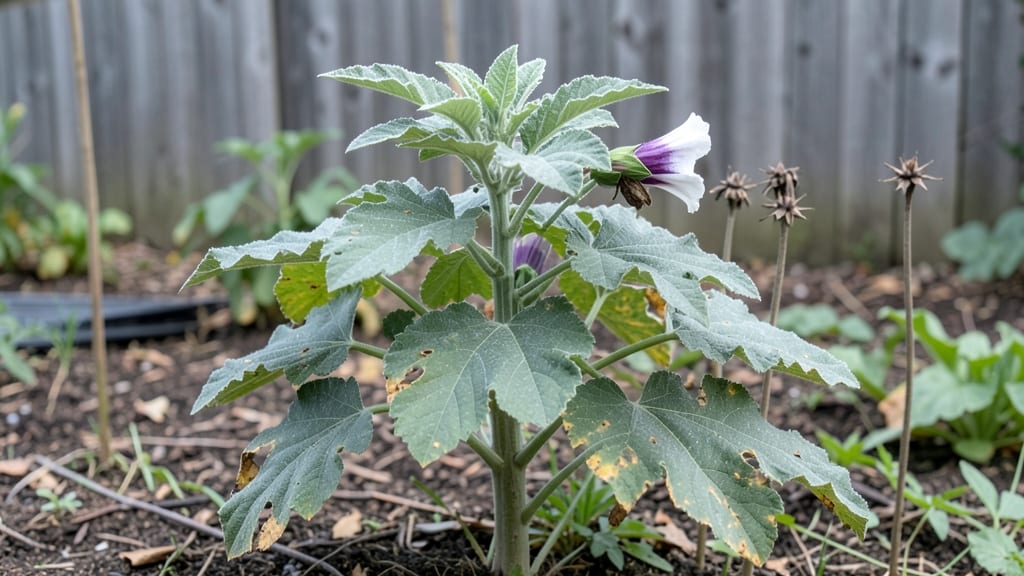
The sacred datura moonflower (Datura metel) thrives where moonlight meets ritual—its striking trumpet blooms and intoxicating aroma make it a plant of both beauty and deep cultural reverence. 🌙 I’ve grown this ethnobotanical powerhouse in my own garden, and while it demands respect, the rewards—velvety leaves, ghostly white flowers that glow under moonlight, and a presence that feels almost magical—are unmatched.
The key lies in mimicking its native conditions: well-draining soil, full sun, and a touch of patience as it establishes its roots.
This plant isn’t for beginners, but it’s far from finicky once you understand its needs.
Start with well-draining soil—a mix of garden soil and 50% perlite or coarse sand prevents root rot, which is its Achilles’ heel. Full sun (6+ hours daily) is non-negotiable, and watering should be light but consistent—think damp, not soggy.
Seeds germinate best in warm soil (70-80°F), so wait until after your last frost or use a heat mat. Cuttings root more slowly but can be a backup if seeds fail.
What makes datura special isn’t just its eerie, moonlit blooms—it’s the way it transforms a garden into a living altar. The flowers open at dusk, releasing a heady fragrance that hums with history, while the toxic but medicinal properties demand caution.
Handle with gloves, keep it away from pets and children, and never ingest it without expert guidance. Yet, when grown responsibly, it becomes a striking centerpiece that commands attention and sparks conversation.
Troubleshooting is simple once you know the signs: yellowing leaves mean overwatering, slow growth often signals poor drainage, and pests (like aphids) rarely bother it—its bitter taste deters most garden invaders. The biggest challenge? Patience.
Datura grows fast once established, but it starts slow. In 60-90 days, you’ll see those first trumpet-shaped buds unfurl, and your garden will feel like a secret sanctuary. Ready to cultivate its magic?
📚 In This Guide
- What you need
- Instructions
- Tips and common mistakes
- Wrapping up and next steps
What you need
- ● Datura seeds – Datura inoxia or Datura stramonium (10–20 seeds for a small patch; 50+ for a larger garden). Note: Always source seeds from reputable ethnobotanical suppliers.
- ● Well-draining soil mix – 50% garden soil, 30% compost, 20% perlite or coarse sand (for aeration). Datura hates soggy roots!
- ○ Organic fertilizer – Balanced 10-10-10 or compost tea (1 cup per planting hole). Optional: Add a handful of worm castings for extra nutrients.
- ● Containers (if starting indoors) – 4–6" pots with drainage holes (1–2 per seedling). Or direct-sow in a sunny, sheltered outdoor spot.
- ● Trowel or hand shovel – For planting seeds ¼" deep.
- ● Watering can or hose with gentle spray – Keep soil moist but not waterlogged.
- ● Pruning shears – For trimming dead leaves or shaping the plant (safety first—datura sap can irritate skin).
- ● Gloves (nitrile or leather) – Mandatory when handling the plant (all parts are toxic!).
- ● Sun hat & sunscreen – Datura thrives in full sun (6+ hours daily).
- ● Legal compliance – Verify datura cultivation laws in your area (some regions restrict it).
- ● Sacred space preparation – Designate a secluded, respectful area for growth (avoid pets/kids).
- ● First-aid kit – Include activated charcoal (for accidental ingestion) and a datura antidote guide.
- ● Patience – Germination takes 10–30 days; full bloom in 60–90 days.
Step-by-step instructions for cultivating sacred datura moonflower
Here’s how to grow this potent ethnobotanical plant with precision—respecting its sacred nature while ensuring robust growth.
🌱 Step 1: Select and Prepare the Ideal Growing Site
Datura thrives in full sun with at least 6-8 hours of direct light daily, but it tolerates partial shade in hot climates. Choose a location with well-draining soil—this plant despises soggy roots, which can lead to root rot. If your soil is heavy clay, amend it with 1-2 inches of coarse sand or perlite before planting. I always test soil pH first; datura prefers a slightly alkaline range of 7.0-8.0—you can adjust with crushed limestone if needed.
This is where sacred intention matters. Many growers perform a ritual cleansing of the soil before planting, using sage, palo santo, or even a small amount of tobacco ash. The plant responds to energetic preparation as much as physical care. Mark the spot with a small stone or stake—datura grows 3-5 feet tall and needs space to establish its powerful presence.
☀️ Step 2: Plant Seeds at the Right Time and Depth
Sow seeds indoors 8-10 weeks before your last frost date or directly outdoors after all danger of frost has passed. Datura seeds are notorious for slow germination—plant them ¼ inch deep in warm soil (70-80°F). I’ve found that pre-soaking seeds in lukewarm water for 12 hours softens the hard outer shell and encourages faster sprouting. Use small pots or a seed tray with sterile seed-starting mix—never garden soil, which can introduce pathogens.
Watch for germination in 10-30 days, though some seeds may take up to 60 days to sprout. Patience is key here; datura seeds are notoriously unpredictable. Once seedlings emerge, provide bright, indirect light until they develop their first true leaves. This prevents leggy growth, which weakens the plant’s structural integrity. Thin seedlings to one per pot once they’re 2-3 inches tall, as crowded datura plants compete aggressively for nutrients.
💧 Step 3: Water and Fertilize with Sacred Precision
Datura is drought-tolerant once established, but young plants need consistent moisture—water deeply once a week during dry spells, ensuring the top 2 inches of soil remain dry between waterings. Overwatering is the fastest way to kill this plant, so resist the urge to pamper it. I use a soaker hose to deliver water directly to the roots, avoiding wet foliage, which can attract fungal diseases like powdery mildew.
Fertilize lightly with a balanced organic fertilizer (5-5-5) at half-strength when seedlings are 4-6 inches tall, then again 4 weeks later. Datura doesn’t need heavy feeding—too much nitrogen produces lush foliage at the expense of flower and seed production. Once blooming begins, switch to a low-phosphorus fertilizer (like fish emulsion) to support seed development. Harvest seeds only when the seed pods turn brown and papery—never green, as they contain toxic alkaloids.
✂️ Step 4: Prune and Protect for Maximum Sacred Yield
Prune datura sparingly—this plant relies on its natural structure to support its large, trumpet-shaped flowers. Remove only dead or diseased branches with sterilized pruners, cutting just above a leaf node. Avoid heavy pruning, as datura responds poorly to aggressive trimming. If the plant becomes too leggy, you can pinch back the tips of young shoots to encourage bushier growth, but do this before flowering to avoid stunting the plant.
Datura is highly toxic to humans and animals, so wear gloves when handling the plant. Place it in a secure, child/pet-proof location—even the sap can cause skin irritation. Deer and rabbits typically avoid datura due to its bitter taste, but protect young plants with a wire cage if local wildlife is persistent. The plant’s spiky seed pods also deter most herbivores once mature.
🌿 Step 5: Harvest and Preserve with Ritual Care
Harvest seeds when the seed pods turn brown and begin to split open—this usually occurs 8-10 weeks after flowering. Wear gloves and a mask during harvest, as datura seeds contain tropane alkaloids, which are highly toxic if ingested. Collect seeds in a paper bag (not plastic, as moisture can degrade them) and dry them in a well-ventilated, dark space for 2-3 weeks. Properly dried seeds will rattle when shaken and should store in an airtight glass jar in a cool, dark place for up to 2 years.
For sacred use, many growers perform a moon ritual during harvest, offering tobacco or copal to honor the plant’s potency. Datura’s flowers are also used in smudge bundles or infused oils for ceremonial purposes—always research legal and ethical considerations before use. The key to sacred datura cultivation is respect: this plant demands attention to detail, but rewards those who tend to it with unmatched spiritual and ethnobotanical significance.
Tips & tricks for cultivating sacred datura moonflower
These ethnobotanical insights will help you cultivate datura with both precision and reverence—because sacred plants demand sacred care.
The Light Factor: While datura tolerates partial shade, those 6-8 hours of direct sunlight are non-negotiable for robust growth. I've noticed that plants receiving morning sun and afternoon shade produce slightly more delicate flowers, but morning sun with afternoon exposure yields the most potent blooms. Place your plants where they'll receive the most intense sunlight between 10am and 4pm—this is when the plant's alkaloid production peaks.
Germination Strategy: That 12-hour pre-soak in lukewarm water is your secret weapon against datura's notoriously slow germination. I've found that adding a pinch of crushed eggshell to the soaking water can provide calcium that helps break down the seed coat even faster. After soaking, plant immediately—the seeds lose viability quickly once exposed to air. For the 10-60 day germination window, I recommend using clear seed trays so you can track progress without disturbing the soil.
Soil Science: The 7.0-8.0 pH range isn't just a suggestion—it's critical for activating the soil microbes that help datura absorb nutrients efficiently. Test your soil before planting, and if it's too acidic, don't just add lime all at once. I've had better success with a gradual adjustment: mix in ½ cup crushed limestone per square foot two weeks before planting, then retest. The plant's root system is sensitive, so sudden pH changes can shock it.
Sacred Maintenance: When thinning seedlings to one per pot at 2-3 inches tall, use sterilized scissors rather than pulling by hand to avoid damaging the root systems of remaining plants. I've noticed that datura seedlings respond well to a light misting of compost tea after thinning—it helps them recover from transplant shock while providing beneficial microbes. Remember, every time you handle these plants, you're working with potent alkaloids, so always wear gloves and wash thoroughly afterward.
Pro Tips for Sacred Datura Moonflower
- These ethnobotanical insights will help you cultivate datura with both precision and reverence—because sacred plants demand sacred care.
- The Light Factor: While datura tolerates partial shade, those 6-8 hours of direct sunlight are non-negotiable for robust growth.
- Germination Strategy: That 12-hour pre-soak in lukewarm water is your secret weapon against datura's notoriously slow germination.
Frequently asked questions
Got questions about cultivating the sacred Datura metel (moonflower)?
Here are answers to the most common ones—from beginner gardeners to experienced ethnobotanists.
Can I grow sacred datura in a pot or do I need a garden bed?
Yes! Sacred datura thrives in containers if the pot is at least 12–18 inches deep with drainage holes. Use well-draining soil (like cactus mix) and place it in full sun. Just monitor moisture—potted plants dry out faster. Pro tip: Add perlite to prevent root rot!
How long does it take for moonflower seeds to germinate?
Patience is key! Sacred datura seeds can take 14–30 days to sprout, especially in cooler weather. Pre-soak seeds in warm water for 24 hours to speed up germination. Keep soil warm (70–80°F) and moist (but not soggy). A heat mat helps in chilly climates!
Is sacred datura legal to grow everywhere? What about toxicity?
Check local laws—some states/countries restrict or ban datura due to its psychoactive compounds (tropane alkaloids). Never consume any part of the plant; it’s extremely toxic and can cause hallucinations, seizures, or death. Wear gloves when handling, and keep it away from pets/kids.
Why aren’t my datura flowers opening at night?
Moonflowers only bloom after dark—if yours aren’t opening, check these fixes:
- Light levels: Ensure complete darkness at night (no streetlights).
- Temperature: Ideal night temps are 70–80°F.
- Age: Flowers may not open until the plant is mature (3–4 months old).
What’s a good alternative if I can’t grow sacred datura?
If legal or safety concerns arise, try these non-toxic, night-blooming alternatives with similar mystical vibes:
- Evening Primrose (Oenothera spp.)
- Moonflower (Ipomoea alba) – non-psychoactive
- Night-Blooming Jasmine (Cestrum nocturnum)
Wrapping up and next steps
The sacred datura moonflower isn’t just a plant—it’s a bridge between earthly cultivation and ancient wisdom. By embracing its unique needs—from soil prep to moonlit rituals—you’re not only growing a rare beauty but honoring traditions passed down through generations.
Whether you’re drawn to its mystical allure or its ethnobotanical significance, this guide empowers you to nurture it with intention.
Ready to deepen your connection? Start small: plant a single seedling in a sacred corner of your garden, and let its journey unfold. 🌙✨ Your sacred garden awaits—what story will it tell?