
Flowers
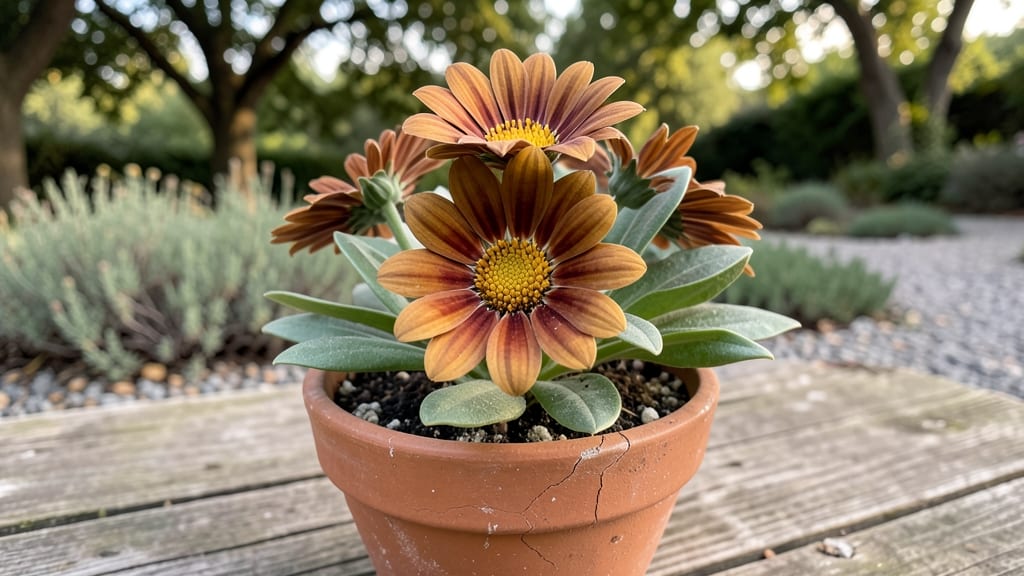
Picture this: a garden where deep purple-blue blooms glow like embers at dusk, their velvety petals catching the last golden light of a cool-weather sunset. 🌿 The Safari Sunset flower—a striking Agastache hybrid—doesn’t just survive in cooler climates; it thrives, becoming the star of late-summer borders and pollinator havens.
I first fell for it when I spotted one in a cottage garden, its spiky blooms swaying in the breeze like a wild prairie’s last call to evening.
This isn’t your average annual—it’s a perennial powerhouse that multiplies effortlessly, spreading into naturalistic drifts that feel like they belong in a savanna, not a suburban yard. Pair it with dusty miller’s silver foliage for contrast or let it mingle with ornamental grasses for that "just-discovered" safari vibe.
The key? Plant it where the afternoon sun lingers longest, and watch it transform a corner into a twilight spectacle.
By late summer, your garden will hum with bees and butterflies, all drawn to the nectar-rich blooms that last from July through frost. The scent? A heady mix of licorice and anise, like a spice market transported to your backyard.
It’s the kind of plant that makes neighbors pause mid-step, then ask, "What is that?"—and that’s when you know you’ve nailed it.
Works equally well in container gardens (where its vertical spikes add drama) or massed along fences and pathways. Just remember: deadheading spent blooms keeps it flowering longer, and a light mulch in winter ensures it bounces back bigger each spring. Let’s make your sunset the talk of the neighborhood.
📚 In This Guide
- What you need
- Instructions
- Tips and common mistakes
- Wrapping up and next steps
What you need
- ● Safari Sunset Flower seeds or young plants: 3–5 (check for Agastache varieties like 'Black Adder' or 'Blue Boa' for vibrant purple-blue hues).
- ● Well-draining potting mix: 1–2 bags (5–10 quarts each). Look for a blend labeled for perennials or herbs.
- ● Containers or garden bed: For containers: 5–6" pots (3–5 plants per pot) with drainage holes.
- ● For in-ground planting: Full sun exposure (6+ hours/day) and loose, rocky soil (amend with perlite if needed).
- ● Slow-release fertilizer: 1 packet (10–20–10 NPK ratio, like Osmoote).
- ● Watering can or hose with gentle nozzle: 1 (for even moisture distribution).
- ● Garden trowel or small shovel: 1 (for transplanting seedlings).
- ● Pruning shears: 1 (sterilized with rubbing alcohol for trimming).
- ○ Gloves (optional): 1 pair (to protect hands from prickly stems).
- ○ Mulch (optional): 1 bag (straw or shredded bark to retain moisture).
- ● Cold-hardy zone knowledge: Confirm your zone (3–9) for outdoor planting. Pro tip: These beauties love zones 4–8! 🌡️
- ● Overwatering: Safari Sunset Flowers hate soggy roots—let soil dry slightly between waterings.
- ● Heavy, clay soil: Amend with compost or sand if your soil is dense.
- ● Fertilizer overload: Too much nitrogen = leafy growth, fewer flowers. Stick to the slow-release formula!
Step-by-step guide to growing stunning Safari Sunset flowers
Here's how I cultivate these striking purple-blue blooms—perfect for cooler regions with minimal fuss.
🌱 Step 1: Select the Right Location and Prepare the Soil
Choose a site that receives full sun to partial shade—at least 4-6 hours of direct sunlight daily. Safari Sunset thrives in well-draining soil with a slightly acidic to neutral pH (6.0-7.0). Before planting, amend the soil with 2-3 inches of compost and mix in a handful of organic matter like aged manure or leaf mold.
Test your soil's drainage by digging a hole, filling it with water, and timing how long it takes to drain. If water pools after 30 minutes, improve drainage by adding sand or grit. These flowers despise soggy roots, so prioritize this step. I always work the soil to a depth of 12 inches to encourage deep root growth.
🌿 Step 2: Plant Bare-Root or Container-Grown Plants at the Right Time
Plant bare-root specimens in early spring, just as new growth begins, or in early fall to allow roots to establish before winter. For container-grown plants, you can transplant anytime the soil isn’t frozen. Dig a hole twice as wide as the root ball but only as deep as the container level—burying too deep suffocates the plant.
Space plants 18-24 inches apart to allow for air circulation and future growth. Gently loosen the roots if they’re circling in the container, then place the plant in the hole and backfill with native soil. Water deeply to settle the soil and remove air pockets. You’ll know you’ve done it right when the soil surface looks slightly concave around the base.
☀️ Step 3: Water Deeply and Mulch to Retain Moisture
Water newly planted Safari Sunset flowers 1-2 inches per week, ensuring the soil stays consistently moist but not waterlogged. The first few weeks are critical—water deeply every 2-3 days until new growth appears. After establishment, reduce frequency but increase volume to encourage deep root development.
Apply a 2-3 inch layer of mulch around the base, keeping it 2 inches away from the stem to prevent rot. I use shredded bark or straw mulch, which breaks down slowly and improves soil structure over time. Mulching also suppresses weeds and maintains even soil temperatures, which these cool-climate bloomers appreciate.
✂️ Step 4: Prune and Deadhead for Continuous Blooms
Prune back leggy stems in early spring to encourage bushier growth. Cut just above a leaf node or bud, using clean, sharp shears. This step isn’t just about aesthetics—it redirects the plant’s energy toward producing more vibrant blooms. You’ll notice new shoots emerging within 2-3 weeks of pruning.
Deadhead spent flowers regularly by pinching off the faded blooms with your fingers or shears. This simple task prevents the plant from seeding and redirects its energy toward producing more flowers. I deadhead mine every 7-10 days during peak bloom season. Watch for new buds forming at the base of the plant—this is your sign that the pruning is working.
⏰ Step 5: Prepare for Winter and Encourage Spring Renewal
In late fall, cut back the foliage by one-third to reduce winter damage from snow or ice. Leave the stems in place to protect the crown from temperature fluctuations. Apply a 4-6 inch layer of mulch around the base to insulate the roots during cold snaps. These flowers are hardy but benefit from extra protection in harsh winters.
In early spring, remove the old mulch and check for signs of new growth. If the plant appears dormant, wait until you see green shoots before pruning further. Fertilize lightly with a balanced organic fertilizer (10-10-10) to jumpstart growth. You’ll be rewarded with bold, purple-blue blooms by mid-summer if you’ve followed these steps.
Tips & tricks for perfect Safari Sunset Flower cultivation
These insider tricks will help you coax the most vibrant blooms from your Safari Sunset flowers—no matter where you garden.
Lighting Secret: While 4-6 hours of direct sunlight is ideal, these flowers can tolerate partial shade in hotter climates. If you notice leaves turning pale or stems elongating (a sign of "legginess"), move plants to a sunnier spot. I've seen stunning results even with just 3 hours of morning sun, though the blooms may be slightly smaller. Watch for the leaves—when they're a healthy deep green, you've got the light balance right.
Soil Testing Shortcut: Don't have a soil test kit? Grab a handful of damp soil and squeeze it—if it crumbles easily, your drainage is good. If it stays in a tight ball, you need to improve drainage with sand or grit. For the pH test, crush a few leaves between your fingers: if they smell strongly of ammonia, your soil is likely too alkaline. These flowers prefer slightly acidic soil, so add a bit of peat moss if needed.
Pruning Precision: When pruning leggy stems in early spring, make your cuts just above a leaf node or bud at a 45-degree angle. This angled cut prevents water from pooling on the stem, reducing rot risk. I always sterilize my pruners with rubbing alcohol between cuts to prevent spreading disease. The 2-3 week window for new shoots to appear is your green light that the pruning worked—if nothing emerges, you might have cut too close to the base.
Winter Protection Hack: For extra insulation during harsh winters, mound soil or mulch up to the base of the plant, creating a protective dome. This creates a microclimate that shields roots from extreme cold. I also wrap young plants in burlap for their first winter—it's like giving them a cozy blanket. Remember, these flowers are hardy but appreciate the extra TLC in their first few winters.
Pro Tips for Safari Sunset Flower
- These insider tricks will help you coax the most vibrant blooms from your Safari Sunset flowers—no matter where you garden.
- Lighting Secret: While 4-6 hours of direct sunlight is ideal, these flowers can tolerate partial shade in hotter climates.
- Soil Testing Shortcut: Don't have a soil test kit?
Frequently asked questions
Got questions about the stunning Safari Sunset Flower? You’re not alone! Here are answers to the most common inquiries to help you grow these vibrant blooms with confidence.
What’s the best time of year to plant Safari Sunset Flower?
The ideal planting window is early spring (after the last frost) or early fall (4-6 weeks before the first frost). This gives roots time to establish before extreme temperatures. In mild climates, spring is your best bet for vibrant blooms by summer!
How often should I water my Safari Sunset Flower?
Water deeply 1-2 times per week, ensuring the soil stays consistently moist but not soggy. During hot spells, increase to every 2-3 days. Morning watering is key—it reduces evaporation and fungal risks. Pro tip: Mulch around the base to retain moisture!
Why aren’t my Safari Sunset Flowers blooming?
Blooms may lag due to over-fertilizing (too much nitrogen = leafy growth, not flowers), poor sunlight (they need 6+ hours of sun), or stress (like drought or extreme heat). Try deadheading spent blooms and switching to a low-nitrogen, high-phosphorus fertilizer to encourage flowers!
Can Safari Sunset Flower survive winter in cold climates?
Yes! These hardy beauties tolerate USDA Zones 3-9. For extra protection in Zone 3-5, mulch heavily (3-4 inches) and cover with straw or burlap during harsh freezes. Evergreen varieties may need winter interest—consider pairing with ornamental grasses!
What are some great companion plants for Safari Sunset Flower?
Pair them with silver foliage plants (like lamb’s ear) for contrast, salvias (for pollinators), or grasses (for texture). Avoid competitive root systems like mint or invasive ground covers. Bonus: Their purple-blue hues pop against yellow coreopsis or white alyssum!
Wrapping up and next steps
The Safari Sunset Flower proves that stunning blooms aren’t just for warm climates—its bold purple-blue hues thrive even in cooler weather, making it a standout addition to any garden. With the right care, this resilient beauty can reward you with vibrant color and effortless charm year after year.
Ready to bring this eye-catching flower into your space? Start by gathering your supplies and follow the steps above—your garden (and future sunsets!) will thank you. Happy planting! 🌸✨