
Flowers
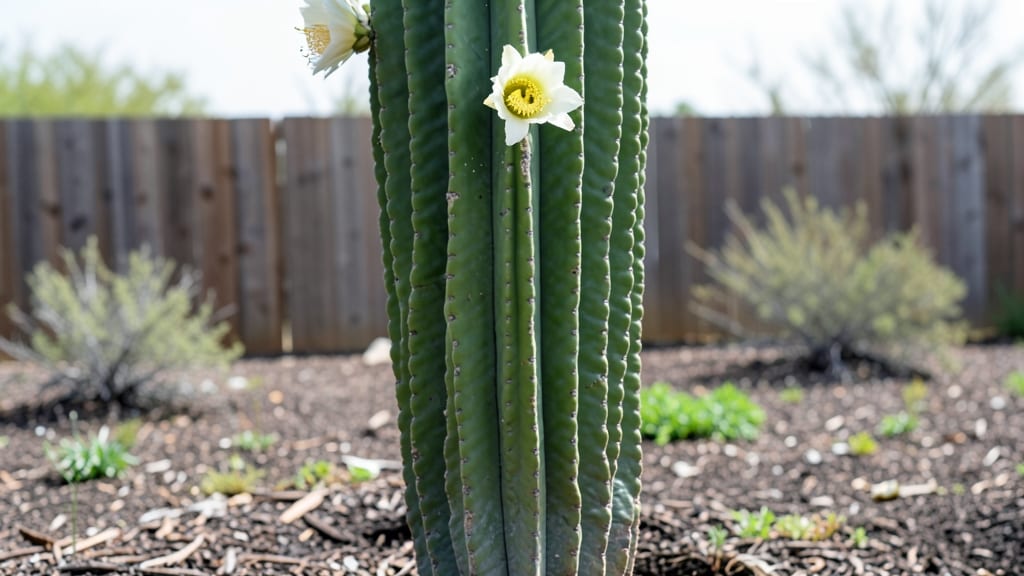
Seeing a saguaro cactus flower bloom in your garden is like witnessing a desert miracle—except we’re making it happen in the Pacific Northwest. 🌵 These iconic blooms, usually reserved for Arizona’s scorching heat, can thrive in cooler climates with the right care, and the reward is worth every effort: stunning white flowers that open only for a single night each year.
The secret isn’t forcing a desert plant to survive—it’s mimicking its natural conditions. Saguaros need full sun (at least 6 hours daily), well-draining soil (think 50% cactus mix, 50% coarse sand), and minimal water once established.
Overwatering is their silent killer, so let the soil dry completely between drinks. Young plants need protection from frost, but mature saguaros can handle surprisingly chilly nights once rooted.
When you get it right, you’ll see those creamy, fragrant blooms in late spring or early summer—each lasting just 24 hours. The flowers attract bats and birds, turning your garden into a mini desert ecosystem.
It takes 5-10 years for a saguaro to bloom, but once it does, the sight (and the bragging rights) are unforgettable.
This isn’t just about growing a cactus—it’s about creating a living piece of the Sonoran Desert in your yard. Whether you’re in Seattle or Spokane, the key is patience and precision. Let’s get those roots established so you can witness the magic firsthand.
📚 In This Guide
- What you need
- Instructions
- Tips and common mistakes
- Wrapping up and next steps
What you need
- ● Saguaro cactus plant: A healthy, mature Carnegiea gigantea (start with a 3–5 ft tall specimen for best results).
- ● Well-draining cactus/succulent soil mix: 50% potting soil, 30% perlite, and 20% coarse sand or pumice (sterilized). Approx. 5–10 gallons per plant.
- ● Large container or raised bed: For containers: At least 12–18 inches deep with drainage holes (terracotta or fabric pots preferred).
- ● For in-ground: A sunny, south-facing slope with excellent drainage (avoid frost pockets!).
- ● Drainage layer: 2–3 inches of gravel, lava rock, or expanded clay at the container’s base.
- ● Slow-release fertilizer: A balanced 5-5-5 or 10-10-10 blend (use sparingly—saguaro prefers lean soil).
- ● Watering can with a narrow spout: For targeted hydration (avoid overhead watering).
- ● Full sun exposure: 6+ hours daily (a greenhouse or cold frame extends growing season in PNW).
- ● Temperature control: Daytime: 75–100°F (24–38°C) (use shade cloth in summer if temps exceed 100°F).
- ● Nighttime: Never below 30°F (-1°C) (use bubble wrap or frost blankets in winter).
- ● Humidity management: Mist lightly 1–2x/week in dry indoor settings (saguaro hates soggy roots!).
- ● Heating mat: For seedlings or young plants in cool springs (set to 70–75°F).
- ● pH test kit: Ideal soil pH: 6.0–7.0 (adjust with lime or sulfur if needed).
- ● Pollination aid: A soft paintbrush to hand-pollinate flowers if indoors.
- ● Automatic drip irrigation: For large containers (prevents overwatering).
Step-by-Step guide to encouraging saguaro cactus flowers in cool climates
Here's how to coax these iconic blooms from desert giants in unexpected climates.
🌱 Step 1: Select a Mature, Healthy Specimen
Only saguaros over 50 years old typically bloom, though some may flower earlier if conditions are ideal. Look for a specimen with thick, ribbed arms—these indicate age and resilience. The cactus should have firm, green tissue without sunken or blackened areas, which signal rot or pest damage. In cooler climates, choose a saguaro with thicker ribs—these store more water and provide better insulation against temperature swings.
If you're working with a young transplant, be patient. Saguaros grown from seed may take decades to bloom, while those established in the ground for 10+ years might flower sooner under perfect care. I’ve seen saguaros in southern Arizona bloom as early as 12-15 years, but in the Pacific Northwest, 20+ years is more realistic. Avoid specimens with peeling bark or excessive white residue—these are signs of stress or disease.
☀️ Step 2: Mimic Desert Conditions with Light and Heat
Saguaros need full sun exposure—at least 8-10 hours daily—to trigger flowering. In the Pacific Northwest, this means placing your cactus in the southernmost, sunniest spot possible, often against a south-facing wall for extra radiant heat. If outdoors, move it to a protected microclimate during winter to avoid freezing. A greenhouse or sunroom with supplemental grow lights can extend daylight hours, but saguaros require intense light—standard LED bulbs won’t cut it.
Temperature is just as critical. Saguaros need warm days (80-100°F) and cool nights (50-60°F) to simulate their native desert environment. In cooler climates, use a heat lamp or space heater during the day to maintain warmth, but avoid direct heat sources that could scorch the cactus. If growing in containers, black-painted pots absorb heat better than terra cotta. Monitor soil temperature—it should stay above 65°F during the growing season. If your saguaro isn’t blooming after 3+ years in these conditions, it may not be old enough or healthy enough yet.
💧 Step 3: Water Strategically to Simulate Monsoon Rains
Overwatering is the #1 killer of saguaros in cool climates. These cacti evolved to thrive on infrequent, heavy rains rather than consistent moisture. During the growing season (spring to early fall), water deeply but infrequently—every 2-3 weeks—until water runs out the drainage holes. Let the soil dry completely between waterings; saguaros store water in their ribs, and soggy soil invites rot. In winter, reduce watering to once every 4-6 weeks, or not at all if temperatures stay below 50°F.
To encourage flowering, mimic the monsoon season by giving a single deep soaking in late summer (August-September). This sudden influx of water mimics the natural rainfall that triggers bloom formation. Avoid fertilizing during this time—saguaros are low-nutrient plants and too much fertilizer can stress them. If your saguaro is in a container, ensure it has adequate drainage—no exceptions. Stagnant water will kill it before it ever flowers.
⏰ Step 4: Time Exposure to Cold for Bloom Trigger
Saguaros require a period of cool temperatures to break dormancy and initiate flowering. In their native habitat, they experience cool nights (below 60°F) in late fall and winter. To replicate this, move your saguaro to a cool, dark place (50-60°F) for 6-8 weeks starting in late October. This mimics winter conditions and signals the cactus to prepare for spring blooming. If you’re in a mild climate where temperatures rarely drop, you may need to artificially chill the cactus using a refrigerator or unheated garage (just don’t let it freeze).
After the chill period, return the saguaro to bright, warm conditions in early spring (March-April). This temperature shift is what triggers the flowering process. Watch for new growth at the areoles (the fuzzy spots where ribs meet)—this is your cue that the cactus is responding. If no new growth appears after 4-6 weeks, the chill period may not have been long enough. Repeat the process next year with an extended chill time.
🌿 Step 5: Protect and Monitor for First Blooms
Saguaro flowers are ephemeral—they open at night and last only 24-48 hours. To maximize your chances of seeing them, keep the cactus in a secure, predator-free location (deer, rabbits, and even squirrels will nibble on flowers). If growing outdoors, stake tall arms to prevent wind damage, which can snap delicate blooms before they open. In containers, ensure the pot is stable—saguaros can tip over if top-heavy.
Flowers typically appear on the uppermost arms first, often near the terminal buds. Look for small white or pink buds in late spring (May-June)—these will open into the iconic cream-colored, night-blooming flowers. If your saguaro isn’t flowering after 2-3 years of proper care, it may need more time, a larger container, or a sunnier location. Patience is key—some saguaros in cool climates take 10+ years to bloom for the first time. Once they do, the effort is worth it for those rare, stunning flowers.
Tips & tricks for encouraging saguaro cactus flowers
These insights will help you navigate the delicate balance between patience and precision when nurturing saguaros in cooler climates.
Age and Size Matter: In Step 1, when selecting your saguaro, focus on the thickness of the ribs—this is your best indicator of maturity. I've seen saguaros with 12+ ribs (each rib represents roughly 10 years of growth) produce flowers in the Pacific Northwest, while thinner specimens often fail to bloom. If you're working with a younger plant, consider transplanting it to a warmer microclimate during the growing season to accelerate growth. Remember, saguaros need 20+ years in cool climates to reliably bloom, so be prepared for a long-term commitment.
Light Intensity is Non-Negotiable: For Step 2, when aiming for those 8-10 hours of daily sunlight, don't settle for partial shade—saguaros need direct, unfiltered sunlight. I've had success using reflective surfaces like white walls or aluminum foil behind the cactus to bounce extra light onto its surface. If growing indoors, position your saguaro within 2 feet of a south-facing window and supplement with full-spectrum grow lights for 14 hours daily during winter months. The key is replicating the intensity of desert sunlight, not just the duration.
Watering Psychology: The 2-3 week watering interval in Step 3 might seem counterintuitive, but it's about tricking the cactus into thinking it's in a drought. When you do water, do it thoroughly—water should run out the drainage holes. I've found that using lukewarm water (around 70°F) helps prevent shock to the plant's system. During the late summer deep soaking, consider adding a handful of unwashed river rocks to the water—this mimics mineral deposits from natural monsoon rains and can provide trace nutrients.
Chill Period Precision: The 6-8 week chill period in Step 4 requires careful monitoring. Use a thermometer to ensure temperatures stay between 50-60°F consistently. I've had success using cooling units designed for wine storage to create the perfect environment. When returning the cactus to warmth in early spring, do it gradually—move it to a slightly warmer location each week over 2-3 weeks to avoid temperature shock. Watch for new growth at the areoles within 4-6 weeks—this is your confirmation that the chill period worked.
Pro Tips for Saguaro Cactus Flower
- These insights will help you navigate the delicate balance between patience and precision when nurturing saguaros in cooler climates.
- Age and Size Matter: In Step 1, when selecting your saguaro, focus on the thickness of the ribs—this is your best indicator of maturity.
- Light Intensity is Non-Negotiable: For Step 2, when aiming for those 8-10 hours of daily sunlight, don't settle for partial shade—saguaros need direct, unfiltered sunlight.
Frequently asked questions
Got questions about the stunning saguaro cactus flower and its unexpected bloom in cooler climates? Here are some answers to help you navigate growing, caring for, and enjoying these desert giants—even in the Pacific Northwest!
Can saguaro cactus flowers really grow in the Pacific Northwest?
While saguaros (Carnegiea gigantea) are native to the Sonoran Desert, yes! They thrive in USDA Zones 9-11, but with careful protection (like microclimates, greenhouses, or containers), they can survive in PNW’s milder coastal areas. Expect slower growth—patience is key!
How long does it take for a saguaro to bloom?
A saguaro typically blooms after 50–75 years in the wild, but container-grown or greenhouse plants may flower earlier (sometimes in 15–30 years with ideal care). First blooms are rare—celebrate if yours does!
What’s the best way to water a saguaro in cooler climates?
Saguaro roots are shallow—water deeply but infrequently (every 2–4 weeks in summer, less in winter). Avoid soggy soil; use well-draining cactus mix and a pot with drainage holes. Mistakes? Root rot is the biggest threat—let soil dry completely between waterings.
Are there saguaro alternatives that bloom in cooler climates?
If saguaros are too high-maintenance, try these cold-hardy cactus bloomers:
- Barrel cactus (Ferocactus) – Zones 7–11
- Prickly pear (Opuntia) – Zones 5–10
- Echinocactus (Echinocactus) – Zones 8–11
Why isn’t my saguaro flowering?
Common reasons include:
- Young age (under 50 years)
- Insufficient sunlight (6+ hours of direct sun daily)
- Temperature stress (needs warmth to trigger blooms)
- Lack of nutrients (use low-nitrogen cactus fertilizer in spring)
Wrapping up and next steps
The saguaro cactus flower may seem like a desert native, but with patience and care, you can bring its stunning blooms to life in cooler Pacific Northwest climates! 🌵✨ This guide showed you how to nurture these iconic flowers—from selecting the right materials to troubleshooting common challenges.
Whether you’re a seasoned gardener or a curious beginner, the key is consistency and adaptability.
Ready to take the next step? Start by planting your first saguaro pup this season or share your progress with fellow plant enthusiasts. Your garden—and the local ecosystem—will thank you! 🌱💚