
Propagation
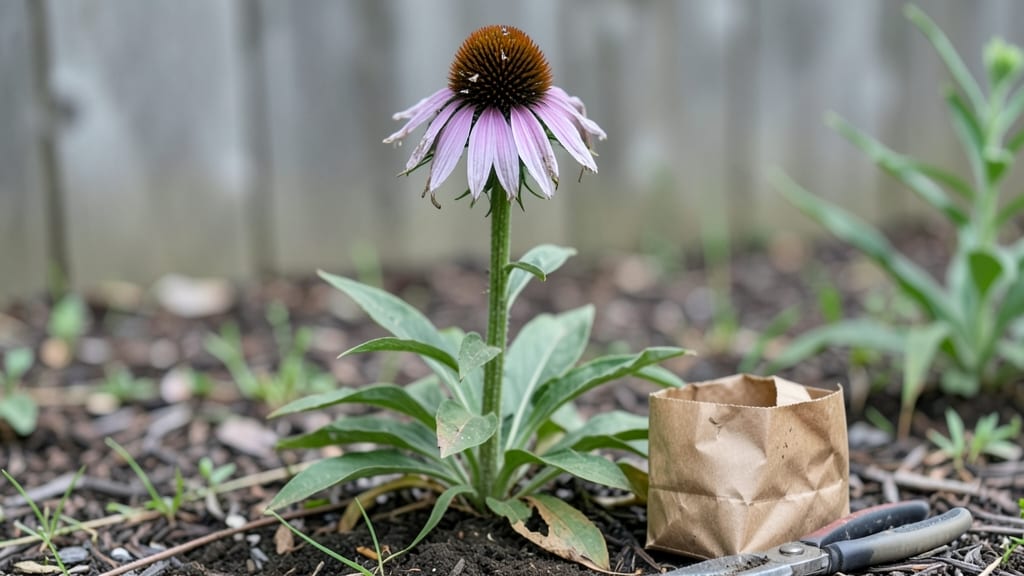
Saving purple coneflower seeds is like unlocking free blooms for next summer—no nursery trip required. 🌿 The secret lies in timing: wait until the seed heads turn from green to tan and begin cracking open, usually in late summer or early fall.
My first attempt ended in frustration when I harvested too early, but once I learned to wait for the right moment, the process became foolproof.
You’ll need just a few simple supplies: a pair of clean pruning shears, a paper bag for drying, and an airtight container for long-term storage. The key is patience—let those dried seed heads sit in a dry, shaded spot for a week or two to fully mature before handling.
I store mine in a labeled envelope with a silica packet to keep moisture at bay, and they stay viable for years.
When spring rolls around, you’ll have a head start on gardeners buying transplants—your homegrown coneflowers will establish faster and thrive with the same hardy resilience. The payoff? A garden full of pollinator magnets that multiply effortlessly, all from seeds you saved yourself.
This method works for any climate zone where purple coneflowers grow, though timing may shift slightly north or south. Whether you’re sharing seeds with friends or stocking your own garden, you’re building a self-sustaining cycle of beauty and simplicity.
📚 In This Guide
- What you need
- Instructions
- Tips and common mistakes
- Wrapping up and next steps
What you need
- ● Mature purple coneflower plants: Ensure they’re healthy and have fully developed seed heads (brown, papery cones). Aim for at least 3-5 plants for a good seed harvest.
- ● Pruning shears or sharp scissors: For cleanly harvesting seed heads. Sterilize with rubbing alcohol to prevent disease spread.
- ● Brown paper bags or breathable mesh bags: 1-2 per plant. Avoid plastic—it traps moisture and encourages mold.
- ● Drying area: A well-ventilated space (like a garage, shed, or indoor shelf) with low humidity (under 50%) and indirect sunlight.
- ○ Paper towels or newspaper: For cleaning seeds (optional but helpful for removing debris).
- ● Air-tight storage containers: Small glass jars, resealable bags, or seed envelopes with silica gel packets or a desiccant to absorb moisture.
- ● Permanent marker & labels: To note the variety and harvest date (e.g., “Echinacea ‘Magnus’ – 2024”).
- ● Seed tray or flat: For germinating saved seeds indoors before transplanting.
- ● Fine mesh strainer: To sift seeds from chaff efficiently.
- ● Humidity monitor: Ensures your drying area stays ideal (aim for 30-40% humidity).
- ● Freezer-safe bags: For long-term storage (up to 5 years) if you’re planning ahead!
Step-by-Step guide to saving purple coneflower seeds
Here’s how I collect, dry, and store seeds to grow next year’s vibrant purple blooms—no fancy tools needed.
🌱 Step 1: Harvest Seeds at the Right Time
Wait until the coneflower’s seed heads turn tan or light brown and begin to split open naturally. This usually happens in late fall or early winter, after the petals have fallen away. Avoid harvesting too early—the seeds won’t be fully mature, and they’ll sprout prematurely in storage.
Gently twist or pinch the dried seed head between your fingers to release the seeds into a paper bag (plastic traps moisture). I like to do this on a dry day when the air is crisp—it helps prevent mold. If some seeds stick, tap the head lightly over the bag to loosen them. Collect seeds from 4-5 plants to ensure genetic diversity for next year’s garden.
💧 Step 2: Dry Seeds Thoroughly Before Storage
Spread the seeds in a single layer on a clean, dry paper towel or baking sheet. Place them in a warm, dry, well-ventilated spot (like a sunny windowsill or a warm, dry closet) for 7-10 days. Stir them gently every few days to prevent clumping and ensure even drying.
Seeds are ready when they’re completely dry and brittle—they should crumble slightly when pressed between your fingers. If they still feel damp or sticky, keep drying them for another 2-3 days. Overly moist seeds will mold in storage, so don’t rush this step. I know they’re dry enough when I can shake the paper towel and hear the seeds rattle.
⏰ Step 3: Store Seeds in Airtight Containers
Transfer the dried seeds into a small, airtight container like a glass jar or resealable plastic bag. Label it with the date and plant variety—purple coneflower seeds can last 2-3 years in ideal conditions, but fresh seeds always germinate best. Store the container in a cool, dark place, like a pantry or refrigerator, where temperatures stay below 40°F.
Moisture is the enemy here, so avoid plastic bags with poor seals. I use small mason jars because they’re reusable and keep out humidity. Check the seeds once a year—if they smell musty or look discolored, discard them and start fresh. Properly stored seeds should stay crisp and dry until you’re ready to plant.
🌿 Step 4: Plant Seeds in Early Spring
Sow seeds indoors 8-10 weeks before your last frost date or directly outdoors in early spring once the soil warms to at least 50°F. Scatter them on the soil surface—coneflower seeds don’t need light to germinate, so you don’t have to bury them. Press them lightly into the soil with your fingers, then cover them with a thin layer of compost or potting mix (about ¼ inch deep).
Keep the soil evenly moist but not soggy—water when the top inch feels dry. Germination can take 2-4 weeks, so be patient. Once seedlings emerge, thin them to 12-18 inches apart to give each plant room to grow. I always plant a few extra seeds in case some don’t sprout—it’s better to have too many than too few!
Tips & tricks for perfect purple coneflower seed saving
These little tricks will help you save seeds that stay fresh and ready for next year's garden—no guesswork involved.
Timing is Everything: In Step 1, when harvesting, look for seed heads that have turned completely tan or light brown and are naturally splitting open. This usually happens in late fall or early winter, but if you're in a warmer climate, they might dry faster. Between us, harvesting too early is a rookie mistake—I've learned that the hard way with seeds sprouting prematurely in storage!
Drying Secrets: During Step 2, the 7-10 day drying time is crucial. I've found that placing seeds on a baking sheet in a warm, well-ventilated spot like a sunny windowsill works best. The key is to stir them every few days—this prevents clumping and ensures even drying. If you're in a humid climate, you might need to extend drying by another 2-3 days to prevent mold.
Storage Wisdom: When storing your seeds in Step 3, I can't emphasize enough how important it is to keep them in a cool, dark place below 40°F. A refrigerator works perfectly for this. I've also discovered that adding a small packet of silica gel to the storage container helps absorb any lingering moisture—this has saved me from moldy seeds more times than I can count.
Planting Pro Tip: In Step 4, when planting in early spring, remember that coneflower seeds don't need light to germinate, but they do need well-drained soil. If your soil is heavy clay, mix in some compost to improve drainage. I always plant a few extra seeds because germination rates can vary—it's better to have too many than too few!
Pro Tips for Saving Purple Coneflower Seeds
- These little tricks will help you save seeds that stay fresh and ready for next year's garden—no guesswork involved.
- Timing is Everything: In Step 1, when harvesting, look for seed heads that have turned completely tan or light brown and are naturally splitting open.
- Drying Secrets: During Step 2, the 7-10 day drying time is crucial.
Frequently asked questions
Got questions about saving purple coneflower seeds? You’re not alone! Here are answers to the most common queries—so you can confidently collect, store, and replant those seeds for a stunning garden next year.
When is the best time to harvest purple coneflower seeds?
Harvest seeds when the cone-shaped seed heads turn brown and dry but before they scatter. This usually happens in late summer to early fall (August–October, depending on your climate). Wait until the back of the cone feels crispy—then it’s ready! Pro tip: Check daily to avoid missing the window.
How long can I store saved purple coneflower seeds?
Properly dried and stored seeds stay viable for 1–2 years in a cool, dark place (like a sealed container in the fridge). For longer storage (up to 3–5 years), use a vacuum-sealed bag or airtight jar with a desiccant packet to prevent moisture. Test viability by planting a few each year!
Can I save seeds from hybrid purple coneflowers?
Yes, but expect some variation in the next generation. Hybrid seeds (like ‘Magnus’ or ‘PowWow White’) may not produce identical blooms, but you’ll likely get beautiful, hardy purple coneflowers. For consistent colors, buy fresh seeds or grow from a trusted source.
What do I do if my seeds get moldy or damp during storage?
If you spot mold or mustiness, act fast! Discard any damp seeds immediately. For the rest, redry them in a single layer on a paper towel for 2–3 days in a warm, dry spot. Once fully dry, reseal in a fresh container with a silica gel packet to absorb excess moisture.
Do I need to scarify or soak purple coneflower seeds before planting?
Nope! Purple coneflower seeds have a hard outer coat, but they don’t require scarification or soaking. Simply press them lightly into moist, well-draining soil (or sow on top and mist) and keep the soil consistently damp. Germination usually takes 14–30 days in ideal conditions.
Bonus Tip:
Label your seed packets with the harvest date and variety to track freshness and avoid mix-ups. A sharpie on a twist-tie works great!
Wrapping up and next steps
Saving purple coneflower seeds is a rewarding way to ensure next year’s vibrant blooms—and you’re now equipped with all the know-how! 🌱 Whether you’re a seasoned gardener or a beginner, these simple steps will help you preserve seeds effectively.
Ready to grow your own? Plant your stored seeds in early spring, and watch your garden flourish with bold, purple beauty.
💡 Pro Tip: Label your seed packets to track varieties and planting dates—your future self will thank you!